Tariffs Deemed Illegal: Court Strikes Down Trump’s Global Import Taxes
Introduction
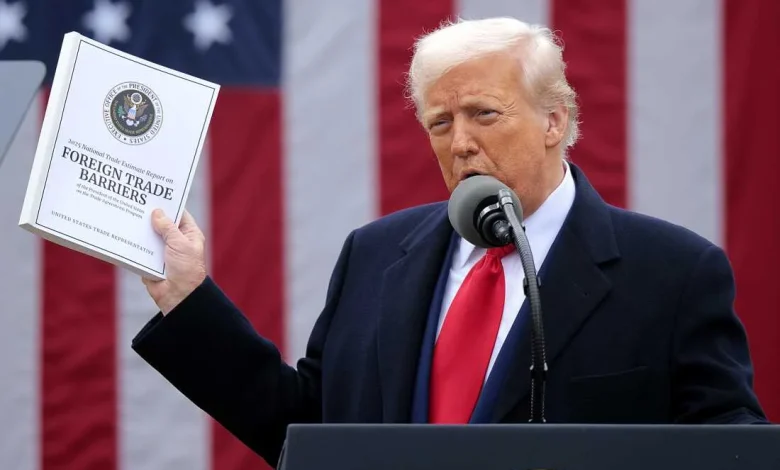
A significant legal challenge to the Trump administration’s trade policies has emerged as a split three-judge panel of the Court of International Trade in New York deemed the 10% global tariffs illegal. The court’s decision, arising from a lawsuit filed by small businesses, questions the extent of the presidential power to impose tariffs without explicit congressional approval. This ruling not only affects the specific tariffs in question but also opens the door for broader legal challenges to other trade measures enacted during Trump’s tenure. The implications of this decision could reverberate across the U.S. economy, influencing trade relations, business strategies, and the balance of power between the executive and legislative branches.
Court Ruling on Trump’s Tariffs
The Court of International Trade’s ruling hinged on whether the Trump administration overstepped its authority in imposing the 10% global tariffs. The majority opinion, delivered by a two-judge panel, concluded that the administration had indeed exceeded the tariff power delegated by Congress to the president under the law. The court explicitly stated that the tariffs were “invalid″ and ”unauthorized by law,” underscoring the severity of their assessment. This decision directly challenges the administration’s justification for the tariffs, which were implemented under Section 122 of the Trade Act of 1974. The dissenting judge, however, argued that the law provides the president with more discretion in tariff matters, highlighting the differing interpretations of the legal framework governing trade policy. The ruling raises questions about the scope of presidential authority in trade matters and sets the stage for a potential appeal by the administration.
Legal Basis of the Ruling
The legal battle revolves around Section 122 of the Trade Act of 1974, which grants the president certain powers to impose tariffs in specific circumstances. The court’s majority argued that the Trump administration’s use of this section to justify the 10% global tariffs was an overreach. They contended that the conditions required to invoke Section 122 were not met, rendering the tariffs unlawful. This interpretation contrasts with the dissenting judge’s view, who posited that the president’s actions fell within the permissible bounds of the law. The legal arguments center on the interpretation of statutory language and the extent to which Congress has delegated tariff authority to the executive branch. The case also draws upon constitutional principles, particularly the separation of powers and the role of Congress in regulating international trade. The Supreme Court’s previous ruling against broader tariffs imposed under the 1977 International Emergency Economic Powers Act (IEEPA) further contextualizes this decision, reinforcing the judiciary’s role in checking presidential trade actions. The administration’s prior attempts to justify tariffs under IEEPA were struck down because the Supreme Court affirmed Congress’s power to establish taxes, including tariffs.
Immediate Impact on Businesses
The court’s decision has immediate ramifications for businesses that have been paying the 10% global tariffs. While the ruling directly applies to the three plaintiffs—the state of Washington, Burlap & Barrel, and Basic Fun!—its broader implications remain uncertain. Jeffrey Schwab, director of litigation at the Liberty Justice Center, which represented Burlap & Barrel and Basic Fun!, noted that it is unclear whether other businesses would automatically be exempt from the tariffs. This uncertainty could lead to a wave of legal challenges from other companies seeking to recoup tariff payments. Jay Foreman, CEO of Basic Fun!, expressed his excitement about the ruling, highlighting the significance of the victory for his company and potentially others. The decision could provide financial relief to businesses that have struggled with the increased costs associated with the tariffs, potentially boosting their competitiveness and profitability. Moreover, the ruling may encourage businesses to challenge other trade restrictions imposed by the Trump administration, leading to further legal battles and policy changes.
Potential Future Legal Challenges
The court’s ruling is likely to trigger a series of legal challenges from businesses seeking to overturn the tariffs and obtain refunds for past payments. Dave Townsend, a trade lawyer at Dorsey & Whitney, anticipates that other importers will request a broader remedy that applies to more companies. This could lead to a consolidated legal effort involving numerous businesses and industries, increasing the pressure on the government to address the tariff issue. The legal challenges could also extend to other trade measures implemented by the Trump administration, potentially leading to a comprehensive review of U.S. trade policy. The government’s response to these challenges will be crucial in determining the future of U.S. trade relations and the balance of power between the executive and legislative branches in trade matters. If the administration appeals, the case would first go to the U.S. Court of Appeals for the Federal Circuit and then potentially to the Supreme Court.
Trump’s Response and Alternative Measures
In response to the legal setbacks, the Trump administration is exploring alternative measures to protect U.S. industries from foreign competition. The administration is conducting two investigations that could result in new tariffs. The Office of the U.S. Trade Representative is examining whether 16 U.S. trading partners, including China, the European Union, and Japan, are overproducing goods, thereby disadvantaging U.S. manufacturers. Additionally, the USTR is investigating whether 60 economies adequately prohibit trade in products made by forced labor. These investigations could provide the basis for imposing new tariffs or trade restrictions, potentially offsetting the impact of the court’s ruling. The administration’s efforts to find alternative ways to protect U.S. industries underscore its commitment to its trade agenda, despite the legal challenges it faces. These investigations mirror previous actions, such as those concerning steel and aluminum imports, where national security concerns were cited to justify tariffs. The administration’s continued focus on trade enforcement suggests that trade tensions will remain a prominent feature of U.S. economic policy. Trump is already taking steps to replace the tariffs that were struck down by the Supreme Court in January.
Ongoing Investigations into Trade Practices
The U.S. Trade Representative’s investigations into overproduction and forced labor practices represent a multifaceted approach to trade enforcement. By targeting countries allegedly engaged in unfair trade practices, the administration aims to level the playing field for U.S. businesses. The investigation into overproduction seeks to address concerns that foreign companies are flooding the market with cheap goods, undermining U.S. manufacturers. The probe into forced labor practices aims to ensure that U.S. consumers are not inadvertently supporting unethical labor conditions abroad. These investigations align with the administration’s broader trade agenda, which prioritizes protecting U.S. industries and promoting fair trade practices. The outcomes of these investigations could have far-reaching consequences for global trade flows, potentially leading to new tariffs, trade restrictions, and diplomatic negotiations. Furthermore, the investigations could set a precedent for other countries to scrutinize trade practices and impose their own trade remedies. The investigation into whether 60 economies do enough to prohibit the trade in products created by forced labor could significantly reshape global supply chains.
Comparison of Tariff Measures
The Trump administration employed various legal mechanisms to impose tariffs, each with its own set of requirements and limitations. The 10% global tariffs struck down by the court were implemented under Section 122 of the Trade Act of 1974, which allows the president to impose tariffs in response to certain trade imbalances. In contrast, the broader tariffs previously struck down by the Supreme Court were invoked under the 1977 International Emergency Economic Powers Act (IEEPA), which requires a declaration of a national emergency. The legal challenges to these tariffs highlight the importance of adhering to the specific requirements of each legal mechanism. The courts have shown a willingness to scrutinize the administration’s justifications for imposing tariffs, particularly when they are based on broad interpretations of statutory authority. The administration’s ongoing investigations into overproduction and forced labor practices could lead to the imposition of tariffs under different legal provisions, such as Section 301 of the Trade Act of 1974, which allows the president to impose tariffs in response to unfair trade practices. The variety of legal mechanisms available to the president underscores the complexity of U.S. trade law and the potential for legal challenges to trade measures.
| Tariff Measure | Legal Basis | Status | Key Issue |
|---|---|---|---|
| 10% Global Tariffs | Section 122 of the Trade Act of 1974 | Ruled Illegal | Overreach of presidential authority |
| Broader Tariffs | 1977 International Emergency Economic Powers Act (IEEPA) | Struck Down by Supreme Court | Lack of national emergency justification |
| Potential New Tariffs | Section 301 of the Trade Act of 1974 (possible) | Under Investigation | Unfair trade practices, forced labor |
Expert Analysis and Broader Implications
The court’s ruling has sparked debate among legal experts and trade analysts regarding the scope of presidential power in trade matters. Some experts argue that the decision reinforces the importance of congressional oversight in trade policy, preventing the executive branch from unilaterally imposing tariffs without clear legal authority. Others contend that the ruling could hamstring the president’s ability to respond to unfair trade practices and protect U.S. industries. The broader implications of the decision extend beyond the specific tariffs in question, potentially influencing future trade negotiations and the balance of power between the executive and legislative branches. The ruling could also embolden other countries to challenge U.S. trade measures, leading to a more contentious global trade environment. The long-term impact of the decision will depend on how the government responds and how the courts interpret similar trade cases in the future. This legal challenge and others like the FCC orders early review of ABC licenses highlight the increasing scrutiny of governmental actions.
Congressional Authority on Tariffs
The U.S. Constitution grants Congress the power to establish taxes, including tariffs. However, Congress can delegate some of its tariff authority to the president. The extent of this delegation has been a subject of ongoing debate, particularly in recent years as presidents have increasingly used executive powers to impose trade restrictions. The court’s ruling underscores the importance of clearly defined limits on presidential tariff authority, ensuring that the executive branch does not exceed the powers delegated by Congress. The decision could prompt Congress to re-evaluate the scope of its delegation of tariff authority, potentially leading to new legislation that clarifies the respective roles of the executive and legislative branches in trade policy. A more assertive Congress could seek to play a more active role in shaping U.S. trade policy, potentially leading to a more balanced approach that considers the interests of various stakeholders. The ruling has brought renewed focus to the fundamental principle that Congress holds the power to regulate commerce with foreign nations, emphasizing the checks and balances inherent in the U.S. system of government. The FBI ballot seizure case similarly involves questions of legal authority and oversight.
Potential for Refund Requests
Following the court’s ruling, many companies are expected to file refund requests for the tariffs they have paid. Dave Townsend’s prediction that other importers will likely ask for a broader remedy that applies to more companies signals a potential wave of refund claims. The process for obtaining refunds may vary depending on the specific circumstances and the legal avenues available. Companies may need to demonstrate that they were directly affected by the tariffs and that they are entitled to a refund under applicable trade laws. The government’s response to these refund requests could have significant financial implications, potentially requiring substantial payouts to businesses. The prospect of widespread refund claims adds another layer of complexity to the tariff issue, further underscoring the need for a clear and consistent trade policy. The UPS refunding customers who spent money on tariffs highlights the immediate financial impact of the court’s decision. Additionally, events like the Federal Reserve’s treasury buys demonstrate the interconnectedness of financial and trade policies.
Conclusion
The Court of International Trade’s ruling against the Trump administration’s 10% global tariffs marks a significant development in the ongoing debate over U.S. trade policy. The decision raises important questions about the scope of presidential power in trade matters and the role of Congress in overseeing trade policy. While the immediate impact of the ruling is limited to the plaintiffs in the case, its broader implications could be far-reaching, potentially leading to a wave of legal challenges, refund requests, and policy changes. The administration’s response to the ruling, including its pursuit of alternative trade measures, will be crucial in shaping the future of U.S. trade relations. The case underscores the importance of adhering to legal requirements and respecting the separation of powers in trade policy. As the legal battle continues, businesses, policymakers, and trade experts will be closely watching the developments and assessing their potential impact on the U.S. economy and global trade flows. The ongoing debate surrounding tariffs and trade policy highlights the complex interplay of legal, economic, and political factors in shaping international trade relations. Recent events, such as gold exports surge, emphasize the dynamic nature of global economic interactions and the strategic importance of trade policies.
This ruling further complicates the economic landscape, already facing challenges such as those exemplified by Tesla’s semi-subscription model and geopolitical tensions in regions like the Strait of Hormuz.