Met Gala 2026: ‘Costume Art’ Theme Unveiled for Fashion’s Biggest Night
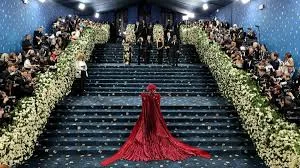
Met Gala 2026 is poised to once again capture global attention, as the Metropolitan Museum of Art announces its highly anticipated theme for the annual fundraising spectacular: “Costume Art.” Scheduled for the first Monday in May, this event is not merely a social gathering but the primary financial lifeline for the Met’s esteemed Costume Institute, a department tasked with preserving and exhibiting over seven centuries of fashionable dress. Last year, the gala achieved a significant milestone, raising a record $31 million, a testament to its unparalleled influence and a benchmark the 2026 iteration aims to surpass. The exhibition, curated by Andrew Bolton, the Wendy Yu Curator in Charge of the Costume Institute, is designed to take visitors on an immersive journey through art history, drawing connections between the dressed body and various artistic expressions across the museum’s expansive collection. Max Hollein, CEO and director of the Met, emphasized this goal, stating the exhibit seeks to reveal the “centrality of the dressed body” throughout the museum’s vast collection, elevating universal and timeless themes. The accompanying dress code for the gala is appropriately titled “Fashion Is Art,” inviting attendees to interpret the profound relationship between sartorial expression and fine art.
The Genesis of Glamour: A Historical Overview of the Met Gala
The Met Gala, formally known as the Costume Institute Benefit, has evolved dramatically since its inception in 1948. Initially conceived by fashion publicist Eleanor Lambert, its original purpose was straightforward: to raise funds for the newly formed Costume Institute. This department, established in 1946 when the Museum of Costume Art merged with the Metropolitan Museum of Art, holds a unique position within the institution, being the only curatorial department required to self-fund its operations. Thus, the gala was born out of necessity, a modest dinner that sought to champion fashion as a legitimate art form worthy of museum recognition and financial support.
From Charity Luncheon to Global Spectacle: Early Years
In its nascent years, the gala was a much more intimate affair, a “midnight supper” held at various upscale New York City venues like the Waldorf Astoria or the Rainbow Room. Tickets were priced at a mere $50, catering primarily to New York’s high society and fashion industry insiders. The event, often dubbed “the Party of the Year,” was a local social fixture rather than the international media phenomenon it is today. Entertainment included lighthearted skits and raffles, with models showcasing historical costumes from the Institute’s collection. This early period laid the groundwork, establishing the philanthropic core that continues to define the event, even as its public profile expanded exponentially.
Diana Vreeland’s Transformative Vision
A pivotal moment in the Met Gala’s trajectory arrived in 1972 with the arrival of Diana Vreeland, the former editor-in-chief of American Vogue, as a special consultant to the Costume Institute. Vreeland’s flamboyant vision and theatrical flair irrevocably transformed the gala. She elevated it from a society dinner to a grander, celebrity-infused spectacle, expanding the guest list to include iconic figures like Elizabeth Taylor, Diana Ross, Elton John, and Cher. Under her influence, themed galas became standard, starting with “The World of Balenciaga” in 1973, marking the first time the exhibition and the gala were conceptually intertwined. This shift was instrumental in associating the event with popular culture and generating significant public interest, setting the stage for its modern-day iteration.
“Costume Art”: Deconstructing the 2026 Theme
The 2026 Met Gala theme, “Costume Art,” promises an intellectually stimulating and visually rich experience, both for the museum exhibition and the red-carpet interpretations. According to Andrew Bolton, the exhibition will “examine the centrality of the dressed body,” juxtaposing nearly 200 artworks spanning from prehistory to the present with approximately 200 garments and accessories from the Costume Institute’s vast collection. This curatorial approach aims to highlight the intrinsic relationship between clothing and the human form, and how artistic representations of the body are inherently shaped by the garments that clothe them, and vice versa.
The Curatorial Vision: Bridging Fashion and Fine Art
Max Hollein’s vision for “Costume Art” is deeply rooted in showcasing fashion not just as an accessory but as a fundamental component of art history. The exhibition will be organized into thematic body types, including the “Naked Body,” “Classical Body,” “Pregnant Body,” “Aging Body,” “Anatomical Body,” and “Mortal Body.” This ambitious framework seeks to explore universal bodily experiences and challenge traditional notions of representation within art. For example, a Rei Kawakubo for Comme des Garçons garment with its distinctive padded shape might be displayed alongside a photograph by Hans Bellmer, creating a dialogue about form and perception. Similarly, a classical Greek sculpture could be paired with a 1920s Fortuny gown, illustrating continuities in aesthetic principles across millennia. The exhibition will also feature mannequins with mirrored faces, designed by artist Samar Hejazi, a deliberate choice by Bolton to foster empathy and connection between viewers and the garments. This integrative approach underscores the Met’s commitment to positioning fashion centrally within its broader artistic narrative. The dress code, “Fashion Is Art,” encourages guests to consider how designers utilize the body as their canvas, drawing inspiration from various art movements from Rococo to Pop Art, surrealism, and trompe l’oeil figures.
Anticipating the Interpretations: Designer Challenges
For designers and celebrities, “Costume Art” presents a unique yet open-ended challenge. Unlike more literal themes, this concept invites a deeper philosophical engagement with the interplay of form, material, and human expression. One can expect a surge of artistic references on the red carpet, from gowns inspired by specific painters or sculptures to avant-garde creations that abstract the human silhouette. Sheer garments and exaggerated silhouettes, playing on the theme of the body as a canvas, are also anticipated. The emphasis on Western art, particularly from prehistory to the present, provides a rich historical palette, but the abstract nature of “art” itself allows for boundless creativity. Sponsors like Saint Laurent, for instance, are expected to feature prominently, with designers potentially drawing from the brand’s archives to create looks that embody artistic principles. The event serves as a platform for fashion to assert its intellectual and artistic gravitas, transforming mere clothing into profound statements of cultural and historical dialogue. This creative freedom, while exciting, also demands a nuanced understanding of art history and fashion’s place within it, pushing the boundaries of red-carpet style beyond simple aesthetics.
The Economic Engine: Fundraising for the Costume Institute
Beyond the sartorial splendor and celebrity spectacle, the core mission of the Met Gala remains its unparalleled fundraising prowess. It stands as the single largest source of annual funding for the Metropolitan Museum of Art’s Costume Institute, directly supporting its exhibitions, acquisitions, publications, and day-to-day operations. The reported $31 million raised last year, as highlighted by the New York Times, was a record-breaking sum, underscoring the event’s critical financial importance to one of the world’s most significant fashion collections.
Beyond the Glitz: The Institute’s Vital Role
The Costume Institute houses an extraordinary collection of over 33,000 objects, spanning seven centuries of fashion. This vast archive is not just for display but serves as a vital resource for scholars, designers, and students globally. The funds generated by the Met Gala ensure the meticulous conservation of delicate historical garments, the acquisition of new pieces to enrich the collection, and the production of groundbreaking exhibitions that push the boundaries of fashion scholarship. Without this annual influx of capital, many of the Institute’s ambitious projects and educational programs, which aim to contextualize fashion within broader cultural and historical narratives, would simply not be possible. In a global economic landscape where cultural institutions often face funding challenges, the Met Gala’s consistent ability to generate substantial revenue makes it an indispensable model of philanthropic success. Understanding the global financial dynamics that enable such lavish patronage, it’s worth noting how currency markets and economic shifts can influence the wealth and investment patterns of the very individuals and corporations that underwrite such events. Similarly, the rapid increase in certain nations’ oil revenues can contribute to the global pool of wealth that supports luxury markets and high-end philanthropy, even as other regions face contrasting economic realities, as explored in discussions around the economic evolution of nations.
The Price of Prestige: The Escalating Cost of Attendance
The exclusivity of the Met Gala is reflected in its continuously escalating ticket prices. From a mere $50 in 1948, individual tickets for the 2026 event have reportedly soared to $100,000, with tables starting at $350,000. This steep price point ensures that attendance is limited to an elite group of approximately 650-700 carefully curated guests, comprising influential figures from fashion, film, music, art, sports, technology, and business. This strategic pricing and guest curation by Anna Wintour, who has chaired the gala since 1995, maximizes fundraising potential while maintaining the event’s coveted allure. The investment by attendees is not just for a night of glamour, but a direct contribution to the preservation and celebration of fashion as a critical cultural art form. The event’s media impact value is staggering, generating billions in publicity for brands and designers, dwarfing even major sporting events like the Super Bowl.
Met Gala Fundraising & Theme Evolution (Select Years)
| Year | Theme | Dress Code | Funds Raised (Estimated) | Key Sponsors |
|---|---|---|---|---|
| 2026 | Costume Art | Fashion Is Art | (Projected to exceed $31M) | Jeff Bezos and Lauren Sánchez Bezos, Saint Laurent, Condé Nast |
| 2025 | Superfine: Tailoring Black Style | (Not explicitly stated, but theme-aligned) | $25 million | (Various) |
| 2024 | Sleeping Beauties: Reawakening Fashion | The Garden of Time | Over $26 million | TikTok, Loewe |
| 2023 | Karl Lagerfeld: A Line of Beauty | In honor of Karl | $22 million | Chanel, Fendi, Karl Lagerfeld |
| 2022 | In America: An Anthology of Fashion | Gilded Glamour | $17.4 million |
Note: Fundraising figures are often reported post-event and can fluctuate based on sponsorships and ticket sales. Ticket prices for 2026 are reported to be $100,000 per seat.
The Red Carpet: A Canvas for Cultural Commentary
The Met Gala red carpet has transcended its function as a mere entrance; it is a global stage, a performative art piece in itself, and a dynamic platform for cultural commentary. Each year, the interpretations of the theme by celebrities and designers spark millions of conversations worldwide, influencing fashion trends and shaping public perception of haute couture. The red carpet is where fashion truly becomes accessible to the masses, even if the event itself remains highly exclusive.
Celebrity, Stylists, and Sartorial Statements
The synergy between celebrities, their stylists, and the chosen designers is paramount to the Met Gala’s red-carpet impact. These collaborations result in meticulously crafted looks that aim to embody the theme while simultaneously making a personal or political statement. The event has become a barometer of contemporary culture, reflecting shifts in gender expression, identity politics, and global aesthetics. For “Costume Art,” the challenge lies in translating abstract artistic concepts into wearable, yet impactful, fashion. Expect intricate details, historical nods, and innovative silhouettes that blur the lines between clothing and sculpture. The role of stylists has grown exponentially in this ecosystem, acting as crucial intermediaries between the creative vision of the theme and the public persona of their celebrity clients. Their ability to source unique pieces, collaborate with designers, and understand the nuances of the theme contributes significantly to the red carpet’s spectacle.
Trends and Triumphs: Memorable Moments and Artistic Expression
Over the decades, the Met Gala red carpet has been the site of countless memorable fashion moments, from Rihanna’s imperial yellow Guo Pei gown for “China: Through the Looking Glass” to Zendaya’s Cinderella transformation for “Camp: Notes on Fashion.” These looks are not just garments; they are indelible images that embed themselves in popular culture, sparking debate, admiration, and emulation. The “Costume Art” theme is ripe for such iconic interpretations, encouraging designers to push the boundaries of craftsmanship and conceptual design. The red carpet becomes a living exhibition, where fashion is experienced in motion, under the intense scrutiny of global media. It’s a powerful demonstration of fashion’s capacity to transcend utility and achieve the status of fine art, engaging with history, social discourse, and personal narrative on an unprecedented scale. Vogue, as a primary organizer, often provides inspiration guides to assist attendees, featuring runway looks that align with the dress code, further influencing the sartorial choices that grace the steps of the Met.
The Met Gala’s Broader Impact on Fashion and Culture
The Met Gala’s influence extends far beyond the confines of a single evening, permeating the global fashion industry, cultural discourse, and the public’s understanding of art. It serves as an annual benchmark, a moment for reflection on fashion’s role in society, and a catalyst for innovation.
Shaping Global Fashion Dialogues
The themes chosen for the Costume Institute exhibitions, and consequently the Met Gala, are meticulously curated to spark dialogue around fashion’s intersections with art, politics, gender, and culture. Past themes like “China: Through the Looking Glass” or “Heavenly Bodies: Fashion and the Catholic Imagination” have not only resulted in breathtaking red-carpet looks but also ignited academic discussions and public conversations about cultural exchange, religious iconography, and societal norms. “Costume Art” is expected to continue this tradition, prompting a re-evaluation of how fashion is perceived within the broader artistic canon. The event legitimizes fashion as a serious academic discipline and a powerful medium for storytelling, influencing how fashion is taught, critiqued, and appreciated worldwide. Furthermore, its global reach continues to expand, with increasing representation of celebrities and designers from diverse cultural backgrounds, transforming it into a truly international platform.
Art, Commerce, and the Digital Age
In the digital age, the Met Gala’s impact is amplified exponentially through social media, live streams, and instant global commentary. The event generates immense media impact value, translating into significant brand exposure and commercial opportunities for designers, luxury houses, and even the celebrities themselves. This synergy between art, commerce, and digital engagement is a defining characteristic of the contemporary fashion landscape. The gala not only funds art preservation but also acts as a powerful marketing engine, demonstrating how cultural capital can be leveraged for economic benefit. The spectacle drives sales, influences trends, and inspires a new generation of creatives. The Met Gala has adapted to and thrived in this evolving media environment, solidifying its position as a cultural touchstone that expertly navigates the realms of high art, celebrity culture, and global commerce. The exhibition’s opening in the new Condé M. Nast Galleries, named after the company’s founder, further cements the enduring connection between fashion media and the institution.
Behind the Velvet Ropes: The Meticulous Planning and Exclusivity
The seamless execution of the Met Gala belies the monumental effort and meticulous planning involved. Under the formidable leadership of Anna Wintour, the editor-in-chief of Vogue and global editorial director for Condé Nast, every detail, from the guest list to the decor, is painstakingly orchestrated. The guest list, limited to approximately 650-700 individuals, is famously exclusive, featuring a carefully curated mix of Hollywood A-listers, fashion luminaries, industry titans, and cultural provocateurs. Invitations are highly coveted, signifying not just social standing but cultural relevance. The event is a complex logistical undertaking, transforming a significant portion of the Metropolitan Museum of Art into an immersive experience aligned with the year’s theme. Decor, catering, security, and the flow of the red carpet are all managed with precision, ensuring an evening that is both glamorous and perfectly executed. The sponsorship from prominent figures like Jeff Bezos and Lauren Sánchez Bezos, serving as honorary chairs, along with brands like Saint Laurent and Condé Nast, highlights the significant corporate and individual investment required to bring this event to life.
Conclusion: A Testament to Fashion’s Enduring Artistry
The Met Gala 2026, with its “Costume Art” theme, stands as a powerful reaffirmation of fashion’s integral place within the broader spectrum of artistic expression. From its humble beginnings as a fundraising dinner in 1948, it has blossomed into the premier global fashion event, a dazzling intersection of philanthropy, celebrity, and haute couture. The record-breaking funds it generates are crucial for the continued operation and ambitious exhibitions of the Costume Institute, ensuring that fashion history is preserved, studied, and celebrated. As Max Hollein articulated, the upcoming exhibition promises to guide visitors through a profound journey of art history, illuminating the timeless connections that bind clothing to the human form and to the very essence of artistic creation. The red carpet, with its annual display of inventive and thought-provoking interpretations, will once again serve as a dynamic stage for cultural commentary, shaping trends and challenging perceptions. The Met Gala is more than just a party; it is a vital cultural institution, a testament to fashion’s enduring artistry, and a beacon for the philanthropic spirit that sustains the world of art.





One Comment