CENTCOM Briefs Trump on Unprecedented Iran Strike Options
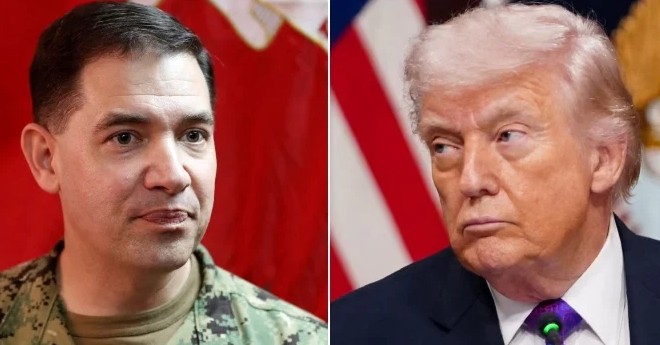
CENTCOM is preparing a highly consequential briefing that could fundamentally alter the geopolitical landscape of the Middle East and the trajectory of American foreign policy. According to recent Axios reporting, CENTCOM Commander Admiral Brad Cooper and Joint Chiefs Chairman Dan Caine are scheduled to brief President Trump next Thursday on three distinct military strike options against Iran. These options range from traditional infrastructure bombardment to unprecedented boots-on-the-ground scenarios that the United States has not entertained since the ill-fated Operation Eagle Claw in 1980. The urgency of this briefing underscores a critical juncture in Washington’s strategy, as diplomatic avenues narrow and the administration seeks decisive leverage to force concessions regarding Tehran’s advancing nuclear program.
The High-Stakes Briefing: A Turning Point in U.S.-Iran Relations
The impending meeting in the Oval Office is not a routine intelligence update; it represents a decisive pivot from a strategy of maximum pressure and economic sanctions to the concrete consideration of kinetic action. For weeks, President Trump has publicly threatened severe consequences if Iran does not halt its nuclear enrichment activities. However, the collapse of recent peace talks has forced military planners to operationalize these threats into viable combat scenarios. Admiral Cooper and Chairman Caine are tasked with presenting a menu of options that balance the immediate tactical goal of crippling Iran’s capabilities against the immense strategic risk of igniting a broader regional conflagration. Next Thursday will demand a choice that defines the legacy of the current administration’s foreign policy.
Unpacking the Short and Powerful Infrastructure Strike
The first option on the table is characterized as a “short and powerful” strike targeting critical Iranian infrastructure. This scenario involves surgical airstrikes and cruise missile barrages aimed at key bridges, power plants, and oil refineries. The strategic intent here is to inflict maximum economic pain with devastating speed, thereby compelling Iranian leadership to return to the negotiating table without committing the United States to a protracted, sustained military campaign. By degrading the national grid and disrupting the flow of commerce and energy, Washington hopes to generate intense domestic pressure within Iran. However, military analysts warn that such strikes rarely achieve their political objectives without triggering asymmetrical retaliation, likely in the form of cyberattacks, proxy militia mobilization across Iraq and Syria, or targeted strikes against U.S. allied energy infrastructure in the Persian Gulf.
Ground Operations: The Strait of Hormuz Takeover Strategy
The second option represents a paradigm shift that changes everything: ground operations to seize part of the Strait of Hormuz. This strategy involves deploying American troops to physically occupy Iranian coastal territory to enforce freedom of navigation. The U.S. military has not put boots on Iranian soil in any meaningful capacity since the hostagetaking crisis of 1980. Executing an amphibious and airborne assault to capture and hold territory along one of the world’s most heavily fortified coastlines would require immense logistical coordination and overwhelming air and naval superiority. This move directly addresses the ongoing Hormuz standoff, but it transitions the confrontation from a standoff to an outright invasion. Controlling this vital maritime chokepoint would secure global oil shipments but would plunge the U.S. into a categorically different war. The risk of intense urban and coastal combat, coupled with the inevitable activation of Iran’s anti-access/area denial (A2/AD) network, makes this a wildly dangerous gamble, particularly as Russia continues to defend Iran’s blockade strategies on the global stage.
Special Forces and the Audacious Uranium Seizure
The third and arguably most audacious option involves a highly classified Special Forces operation to physically seize Iran’s stockpile of highly enriched uranium. This scenario would see elite units, such as SEAL Team Six or Delta Force, infiltrating heavily fortified and deeply buried Iranian nuclear facilities like Fordow or Natanz. The objective is not merely to destroy the centrifuges—which could be rebuilt—but to extract the fissile material that constitutes the primary diplomatic sticking point and physically remove it from the country. This Hollywood-style raid would require unprecedented intelligence precision, electronic warfare dominance to blind Iranian air defenses, and flawless execution during exfiltration.
Risks and Rewards of a Decapitation Strike on Nuclear Assets
If successful, a Special Forces raid to extract the uranium solves the nuclear problem in a single, surgical operation, stripping Tehran of its most dangerous asset without the collateral damage of a massive bombing campaign. It would be heralded as one of the greatest military feats in modern history. Conversely, the potential for catastrophic failure is staggering. If U.S. operators are discovered, pinned down, or captured, the resulting hostage situation or firefight deep inside sovereign Iranian territory would instantly trigger a full-scale regional war. The geopolitical fallout from a failed raid would surpass the disastrous consequences of Desert One, irreversibly damaging American prestige and guaranteeing a massive, unrestrained military response from the Islamic Revolutionary Guard Corps (IRGC).
Evaluating the Military Options: A Comparative Outlook
To fully grasp the magnitude of the choices confronting President Trump, one must analyze the core components of each proposed military action. The table below outlines the primary targets, the mechanism of execution, and the overarching risks associated with the three strike options prepared by CENTCOM.
| Military Option | Primary Target | Execution Mechanism | Primary Strategic Risk | Estimated Escalation Level |
|---|---|---|---|---|
| Infrastructure Strikes | Power plants, bridges, refineries | Airstrikes and cruise missiles | Asymmetrical retaliation via proxies | Moderate to High |
| Hormuz Occupation | Iranian coastal territory | Amphibious/Airborne ground invasion | Protracted land war and high casualties | Extremely High |
| Uranium Seizure | Nuclear facilities (e.g., Fordow) | Special Forces infiltration (SEALs/Delta) | Operator capture and immediate regional war | Catastrophic if failed |
Regional Repercussions and the Threat of All-Out War
None of these options exist in a vacuum. Any military strike against Iran will send shockwaves through the entire Middle East. Allies such as Israel, Saudi Arabia, and the United Arab Emirates will inevitably be drawn into the crossfire, either as staging grounds for U.S. forces or as targets for Iranian ballistic missiles and drone swarms. Furthermore, executing these ambitious operations requires a robust logistical foundation, a serious concern given recent reports that the U.S. munitions stockpile is dangerously depleted. Attempting to sustain a high-intensity conflict, especially a ground occupation or a prolonged air campaign, with limited smart munitions could leave American forces vulnerable and constrain the Pentagon’s ability to respond to simultaneous crises in the Indo-Pacific or Eastern Europe.
Diplomatic Alternatives vs. The Menu of Conflict
The presentation of these extreme military options highlights the total breakdown of traditional statecraft. While there are whispers that Iran might be weighing alternatives regarding its uranium program in exchange for massive sanctions relief, the window for such diplomatic miracles is rapidly closing. The CENTCOM briefing next Thursday serves as an effective ultimatum. Either the backchannel diplomatic track produces concrete, verifiable results within days, or the Commander-in-Chief will be forced to select a kinetic pathway. The paradox of the current administration’s stance is striking: a presidency that has repeatedly expressed a desire to wind down endless wars in the Middle East is now faced with a menu where every single option carries the profound risk of restarting and exponentially escalating the very conflicts it sought to avoid.
The Timeline for Decision: Next Thursday’s Ultimatum
The countdown to next Thursday places immense pressure on both Washington and Tehran. For the U.S. military brass, ensuring that the President fully comprehends the operational complexities and geopolitical blowback of each plan is paramount. Chairman Caine and Admiral Cooper are expected to heavily emphasize the unpredictable nature of ground warfare in the Middle East and the massive intelligence gaps that often plague covert extraction missions. For Iranian leadership, the leaked details of this briefing serve as a stark warning of American resolve, potentially designed to rattle Tehran into last-minute concessions. However, psychological warfare often yields unintended consequences; rather than backing down, hardliners within the IRGC may accelerate their nuclear timetable and preemptively fortify their coastal defenses and subterranean nuclear bunkers.
Strategic Implications for Global Markets and Geopolitics
Beyond the immediate military and diplomatic spheres, the mere consideration of these options is already sending tremors through global energy markets and international alliances. The Strait of Hormuz is the world’s most critical oil transit chokepoint; any kinetic military action in its vicinity, let alone an outright American invasion of the Iranian coast, would cause crude oil prices to skyrocket, triggering widespread economic instability across the globe. European allies, who have largely advocated for a return to the Joint Comprehensive Plan of Action (JCPOA), are likely to view any preemptive U.S. strike—especially a ground invasion or an unprovoked Special Forces raid—with extreme alarm, potentially fracturing the unified Western front against Iranian aggression. Ultimately, the briefing next Thursday is not just about tactical military execution; it is a profound test of grand strategy. The choice made in the Oval Office will dictate whether the world steps back from the brink of a catastrophic regional war or plunges headlong into an unprecedented era of Middle Eastern conflict.