Uranium Crisis: 3 Scenarios Post U.S. Iran Nuclear Strikes
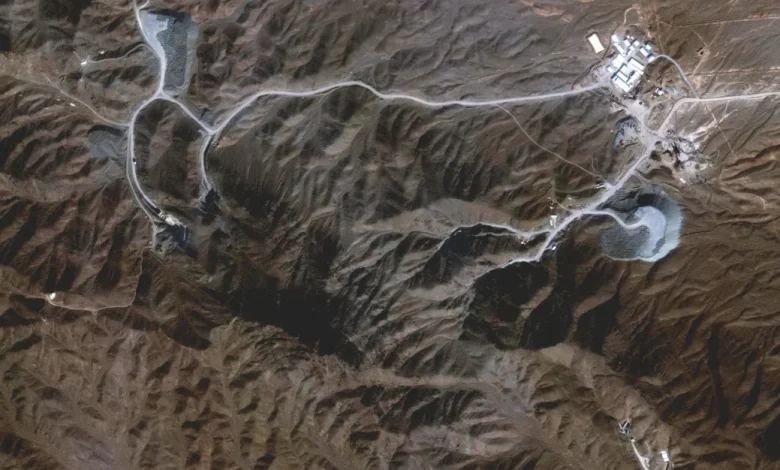
Uranium stockpiles, enriched to various highly volatile degrees, remain sitting deep inside fortified subterranean facilities even after the United States executed precision bombing campaigns against Iran’s nuclear infrastructure. While military command and international headlines may celebrate the structural destruction of centrifuges and the crippling of enrichment capabilities, a massive, unaddressed crisis silently looms beneath the rubble. Destroying the architectural and mechanical framework of a nuclear weapons program is fundamentally different from neutralizing the lethal fissile materials left behind. The raw reality is that thousands of kilograms of radioactive substance cannot simply be vaporized by conventional bunker-busting munitions. The international community, military strategists, and non-proliferation experts are now grappling with an unprecedented dilemma: what happens to the uranium? Planners are essentially left with three grim scenarios, and an exhaustive analysis reveals that none of them present a clean or viable solution to this catastrophic geopolitical puzzle.
Uranium at the Core: The Overlooked Aftermath of U.S. Strikes
When the dust settles over sites like Natanz and Fordow, the immediate assumption of the general public is that the nuclear threat has been eradicated. However, the physical reality of nuclear physics dictates otherwise. The precision strikes undeniably shattered the delicate cascade architectures required to refine nuclear material, effectively halting the advancement of the weapons program. Yet, the physical inventory of low-enriched and highly enriched materials remains largely intact, buried beneath layers of reinforced concrete and mountain rock. This oversight in the broader public discourse highlights a severe misalignment between tactical military success and long-term strategic security. The failure to immediately secure these stockpiles means that the materials are now vulnerable to looting, black-market proliferation, or dangerous degradation that could trigger localized ecological disasters.
The Disconnect Between Destruction and Securing Fissile Material
Military operations are traditionally designed to neutralize threats through overwhelming kinetic force. In conventional warfare, destroying an adversary’s factory eliminates their capacity to produce tanks or munitions. Nuclear infrastructure, however, defies this conventional logic. A destroyed munitions plant leaves behind inert scrap metal; a destroyed nuclear enrichment facility leaves behind highly toxic, radiologically active material. Planners who architected the bombing runs focused predominantly on halting the immediate timeline to a nuclear breakout. But in doing so, they inadvertently created an unsecured cache of the very substance they sought to control. Dealing with this aftermath requires transitioning from an offensive strike posture to a highly complex, incredibly dangerous containment and recovery operation, bridging the chasm between explosive demolition and delicate chemical retrieval.
Scenario 1: Special Forces Seizure and Extraction
The first scenario often pitched in high-level defense briefings resembles the plot of a high-octane espionage thriller: dispatching elite Special Operations Forces to physically seize and extract the material. Under this plan, operators would covertly infiltrate deep underground stockpiles, secure the fissile matter using specialized, heavily shielded equipment, and orchestrate a rapid exfiltration before enemy reinforcements could overwhelm them. While conceptually appealing to those seeking a definitive, hands-on resolution, the practical realities of executing such an operation are almost impossibly fraught with peril.
The Logistical Nightmare of Deep Underground Operations
Securing nuclear material is not analogous to capturing a high-value target or retrieving a hard drive containing intelligence. Uranium is extraordinarily heavy; it requires specialized, lead-lined transport casks to prevent fatal radiation exposure to the operators. Moving multi-ton, heavily shielded containers out of subterranean mazes—whose elevators and main access tunnels have likely been collapsed by the initial bombing runs—requires heavy engineering equipment, not just stealth and firepower. The extraction would take days, if not weeks, to execute safely. Every single hour spent navigating the labyrinthine, partially destroyed corridors of a nuclear bunker increases the likelihood of catastrophic failure. The sheer physical burden of carrying out highly active radiological material through narrow, debris-filled tunnels renders this scenario a logistical nightmare that defies the capabilities of traditional rapid-strike infantry.
High Operational Risks in Hostile Territory
Furthermore, this operation would not be conducted in a vacuum; it would take place deep within hostile territory, surrounded by thousands of enraged, fully mobilized adversary troops. A protracted extraction timeline inherently surrenders the element of surprise. Establishing and maintaining a secure perimeter around a devastated nuclear facility for weeks would require immense air support and ground reinforcement, practically inviting a full-scale regional war. Recent regional tensions and drastic escalations, such as when Iranian state media offered bounties for downed U.S. pilots, demonstrate the extreme hostility and severe risk landscape confronting any allied personnel caught on the ground. A single miscalculation could result in a devastating loss of elite military personnel and an international hostage crisis of unprecedented scale.
Scenario 2: Destroying the Stockpiles On-Site
Faced with the impossibilities of a ground extraction, military hawks might pivot to a secondary, seemingly simpler alternative: bomb the stockpiles directly. If we cannot take it out, the logic goes, we must utterly annihilate it where it sits. Unfortunately, you cannot simply blow up uranium safely. The application of high-explosive ordnance directly onto a massive cache of radioactive material does not destroy the radiation; it weaponizes it.
Radiological Dispersal and Environmental Catastrophe
Bombing these stockpiles effectively transforms conventional bunker-busters into massive “dirty bombs.” The resulting explosions would violently aerosolize the uranium, casting an enormous, highly toxic radioactive plume into the atmosphere. Depending on wind patterns and the sheer volume of the explosive payload, this radioactive dispersal would indiscriminately contaminate soil, ground aquifers, and the air across a staggering radius. Agricultural lands would be rendered entirely barren for generations, and immediate civilian populations would suffer catastrophic rates of acute radiation sickness followed by massive spikes in localized cancer clusters. The environmental destruction would dwarf traditional wartime collateral damage, permanently altering the habitability of the affected regions.
Geopolitical Fallout of Contaminating Neighboring Nations
Radiation knows no sovereign borders. A toxic plume originating in Iran would inevitably drift across international lines, showering neighboring nations in a slow-falling, invisible death. The international fallout from such an action would be universally condemning. Allies and adversaries alike would view the contamination of innocent third-party nations as an unpardonable war crime, fundamentally violating the principles of international humanitarian law. This reckless approach would isolate the United States globally, severely fracturing the geopolitical alliances required to maintain global stability, a reality already mirrored in how BRICS silence on the Iran crisis has exposed deep fractures across the global south. Attempting to destroy the material kinetically is entirely synonymous with triggering a multinational ecological and humanitarian catastrophe.
Scenario 3: Diplomatic Negotiation and Verified Removal
If military force cannot safely remove the material and kinetic strikes cannot destroy it without poisoning the continent, the only remaining vector is diplomacy. This scenario involves negotiating a verified removal or transfer of the surviving materials under the strict supervision of global watchdogs like the International Atomic Energy Agency (IAEA). While diplomatic resolutions are often touted as the most civilized approach, achieving consensus in the immediate aftermath of a unilateral bombing campaign borders on the delusional.
Parallels to the 2013 Syrian Chemical Weapons Deal
Advocates for this approach frequently point to the 2013 Syrian chemical weapons deal as a structural blueprint. In that instance, international pressure and the looming threat of further military intervention compelled the Syrian government to surrender its chemical arsenals to international inspectors. However, translating that success to the current crisis is exceptionally complicated. Syria had not just been subjected to a massive, decapitating strike targeting its most prized national infrastructure. The psychological and political environment in Tehran, reeling from massive infrastructural destruction, will be defined by profound defiance, not concession. Forcing a sovereign nation to voluntarily hand over the remnants of its most heavily guarded state secret, immediately after being attacked, demands a level of diplomatic leverage that currently does not exist, as historical analysis on failed posturing strategies routinely proves.
Iran’s Legal Shield Under the Nuclear Non-Proliferation Treaty
Further complicating the diplomatic avenue is the legal architecture of international nuclear agreements. The targeted nation continues to vehemently insist that localized uranium enrichment is its fundamental, sovereign right guaranteed under the Nuclear Non-Proliferation Treaty (NPT). They will leverage this legal standing to argue that any forced removal of the surviving stockpile is an illegal expropriation of national resources. They will likely demand exorbitant concessions—such as total sanctions relief or the immediate withdrawal of foreign military assets—in exchange for even allowing IAEA inspectors to survey the damage, let alone remove the material. Consequently, diplomacy devolves into a protracted standoff, leaving the volatile materials dangerously unsecured while politicians debate legalities in Vienna or Geneva.
Comparing the Options: A Strategic and Tactical Nightmare
To fully grasp the impossible nature of these scenarios, it is critical to compare them across standard strategic metrics. The following table highlights the severe drawbacks inherent to every proposed avenue of resolution.
| Scenario | Feasibility | Timeframe | Environmental Risk | Geopolitical Impact |
|---|---|---|---|---|
| 1. Special Forces Seizure | Extremely Low | Days to Weeks | Minimal (if successful) | High risk of prolonged regional war and hostage crises. |
| 2. Destroy On-Site | High | Immediate | Catastrophic (Dispersal) | Severe international condemnation, potential war crimes tribunals. |
| 3. Diplomatic Negotiation | Moderate | Months to Years | Moderate (Risk of degradation over time) | Requires major concessions; allows time for illicit proliferation. |
This comparative analysis underscores a grim reality: there is no “clean” extraction of nuclear materials post-bombardment. Each path forward guarantees either an unacceptable level of risk to specialized human personnel, uncontainable environmental destruction, or deeply humiliating and unpalatable political compromises. Regional powers are becoming deeply anxious, with massive strategic ripples echoing across the Middle East, such as when Riyadh warned that unmitigated threats require extensive military intervention. The overarching lesson is that brute force can disable the machinery of a nuclear program, but it utterly fails to manage the hazardous chemistry left in its wake.
The Global Repercussions of Nuclear Ambiguity
The failure to rapidly resolve the status of these fissile materials pushes the global security architecture into entirely uncharted, immensely unstable territory. If the stockpiles remain entombed beneath the rubble, neither destroyed nor secured, they become an enduring source of profound international ambiguity. Will rogue elements within the fractured Iranian military apparatus attempt to covertly excavate the site to salvage the material for a dirty bomb? Will opportunistic transnational terror networks seek to exploit the chaos to acquire the ultimate asymmetric weapon? The longer these questions remain unanswered, the higher the global risk index climbs. Destroying a nuclear enrichment facility is ultimately only the very first, and perhaps easiest, step in a cascading nightmare of non-proliferation enforcement. The world must now collectively reckon with the terrifying reality that the remnants of war are often far more lethal than the war itself, demanding immediate, impossibly flawless solutions to a problem engineered to have none.