Russian casualties: 1.2 Million Corrected Figures Reveal War Toll
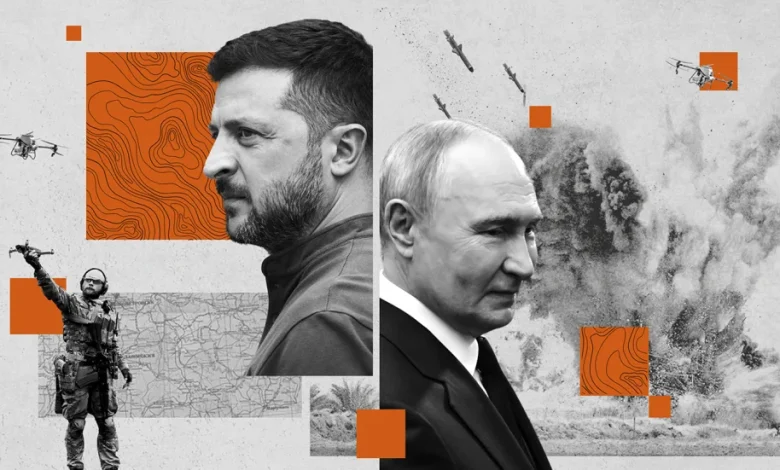
Russian casualties in the ongoing conflict in Eastern Europe have sparked an intense international debate, especially following a recent viral post that required significant clarification. The initial claim suggested an astronomical number of fatalities, but an immediate intervention by fact-checkers provided necessary context: the figures represent 1.2 million casualties, not just deaths, while the actual death toll sits at an estimated 500,000. The original poster wisely kept the post active, acknowledging the correction made by X’s Community Notes feature, stating that despite the statistical adjustment, the core message remains undeniably true: this war needs to end. This comprehensive analysis dives deeply into the staggering numbers, military strategies, demographic impact, and geopolitical shockwaves caused by these unprecedented modern warfare losses.
The Human Cost Analyzed: Understanding the Numbers
When analyzing military statistics, the sheer scale of the losses in this conflict is difficult to comprehend. To put 1.2 million casualties into perspective, this figure rivals the populations of entire major cities and represents one of the most significant losses of military personnel since the Second World War. Analysts from various global intelligence agencies, open-source intelligence (OSINT) communities, and independent military researchers have tirelessly compiled these estimates using satellite imagery, obituary tracking, and intercepted communications. It is essential to understand that calculating an exact figure in the fog of war is inherently challenging, yet the consensus forming around the 1.2 million casualty mark illustrates a devastating level of human suffering. The continuous deployment of troops into heavily fortified zones has resulted in a relentless meat grinder, grinding down the youth and working-age populations of the participating nations. In addition to the direct combatants, the ripple effects of such massive losses extend to millions of family members, orphans, and displaced individuals who are forced to navigate a shattered societal structure.
Casualties vs. Deaths: A Crucial Distinction
The viral correction underscored a vital point of military terminology that is frequently misunderstood by the general public: the profound difference between casualties and deaths. In military terms, a casualty is any person lost to the organization for any reason. This broad umbrella includes those killed in action (KIA), wounded in action (WIA), missing in action (MIA), and prisoners of war (POW). Therefore, the clarified statistic of 1.2 million casualties encompassing 500,000 deaths means that there are hundreds of thousands of severely wounded soldiers who will require lifelong medical care, rehabilitation, and psychological support. The strain of treating such an immense volume of wounded personnel places an agonizing burden on military and civilian healthcare infrastructures. Amputations, traumatic brain injuries, and severe post-traumatic stress disorder (PTSD) are rampant. Recognizing this distinction does not diminish the horror of the conflict; rather, it amplifies it by revealing a vast population of permanently disabled veterans who will reshape their home country’s social fabric for generations.
| Category of Loss | Estimated Count | Description | Long-Term Impact on Society |
|---|---|---|---|
| Killed in Action (Deaths) | Approx. 500,000 | Fatalities directly resulting from combat operations. | Severe demographic decline, loss of workforce, generational trauma. |
| Wounded in Action (WIA) | Approx. 650,000 | Personnel suffering injuries that remove them from combat. | Massive strain on healthcare, surge in disability pensions, long-term care needs. |
| Missing / Prisoners of War | Approx. 50,000 | Soldiers unaccounted for or captured by opposing forces. | Prolonged psychological distress for families, complicated diplomatic exchanges. |
| Total Casualties | 1.2 Million | The aggregate total of all personnel lost to the military. | Fundamental restructuring of the national economy and military readiness. |
The Role of Community Notes in Modern War Reporting
In the digital age, the dissemination of wartime information is as rapid as it is chaotic. Social media platforms have become the frontline for the information war, where propaganda, hyperbole, and genuine reporting collide. The specific incident involving the correction from 1.2 million deaths to 1.2 million casualties highlights the critical functionality of crowdsourced fact-checking mechanisms, such as X’s Community Notes. This system allows users to append context to viral posts, effectively mitigating the spread of misinformation without resorting to outright censorship. By choosing to keep the post live with the appended note, the original author demonstrated a commitment to transparency and truth. This transparency is crucial for maintaining public trust. If accurate data is continuously clouded by exaggeration, the genuine tragedy of the 500,000 actual deaths might be dismissed by skeptics as mere propaganda. Accurate reporting verified by decentralized community action fortifies the narrative that the human cost is intolerably high, reinforcing the urgent plea that the war must end.
Military Strategy and the Attrition Warfare Model
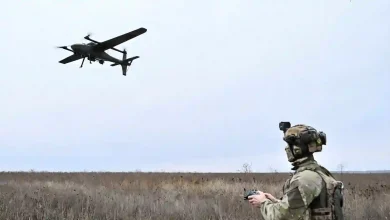
The tactical realities that led to these massive casualty figures are rooted in the brutal strategy of attrition warfare. Unlike modern maneuver warfare, which emphasizes speed, precision, and technological superiority to outflank and collapse the enemy, attrition warfare relies on sheer mass and endurance. Commanders have frequently ordered frontal assaults on heavily entrenched positions, resulting in horrific losses for minimal territorial gains. This approach treats human capital as an expendable resource, a strategy reminiscent of the brutal trench warfare of the early 20th century. The reliance on heavy artillery bombardments, widespread use of landmines, and drone swarms creates a battlefield environment where survival is often left to chance rather than skill. Independent monitoring groups, including the Institute for the Study of War, have documented how these tactical decisions directly correlate with the spiking casualty rates, illustrating a command structure that prioritizes strategic objectives over the preservation of life.
Recruitment Efforts and Manpower Strain
To sustain an attrition strategy while absorbing 1.2 million casualties, the military apparatus must continuously feed new recruits into the system. This has led to aggressive and highly controversial mobilization efforts. We have seen widespread reports of conscription drives targeting rural and economically disadvantaged regions, the recruitment of violent convicts from maximum-security prisons, and the deployment of poorly trained conscripts to the front lines with minimal preparation. Furthermore, as domestic manpower pools begin to dry up or face societal pushback, there is an increasing reliance on foreign fighters. For example, recent intelligence highlighted a significant geopolitical shift when Cuba sends 5000 fighters to Russia, demonstrating the desperate need to backfill depleted frontline units. These recruitment practices not only degrade the overall combat effectiveness of the military but also severely damage domestic morale, as families witness their loved ones sent into highly lethal environments with inadequate training and equipment.
Geopolitical and Economic Fallout from Staggering Losses
The loss of over half a million lives and the incapacitation of hundreds of thousands more has profound economic and geopolitical consequences. A nation cannot extract 1.2 million able-bodied men from its workforce without triggering a catastrophic economic shock. Industries face acute labor shortages, innovation stagnates, and the burden of funding a perpetual war machine drains the national treasury. Curiously, despite these immense internal pressures, macroeconomic indicators have sometimes shown unexpected resilience due to shifting global trade dynamics. For instance, reports indicating that Russia oil revenues double to 19B amid Iran war fallout suggest that while the state may still generate massive capital through energy exports, this wealth is predominantly funneled back into the military-industrial complex rather than addressing the brewing domestic demographic crisis. The long-term economic outlook remains bleak, as the cost of rebuilding a decimated workforce and supporting a massive disabled veteran population will cripple future growth prospects.
Involvement of International Fighters and Allies
The staggering casualty rate has also forced a strategic realignment in international military alliances. Recognizing that domestic mobilization carries significant political risk, commanders have increasingly turned to international mercenaries and allied proxy forces. This internationalization of the conflict complicates diplomatic efforts and expands the scope of the war. Nations supplying weapons, training, or direct manpower find themselves drawn deeper into the quagmire. Concurrently, regional stability in neighboring areas is threatened as nations respond to the escalating violence. Internal political and social dynamics in Eastern Europe are constantly evolving under the pressure of the war, leading to stringent domestic policies, such as the implementation of the Ukraine antisemitism law criminal penalties, which reflect a society desperately trying to maintain internal cohesion and security amid existential external threats. The web of international involvement makes the extraction from the conflict increasingly difficult.
Mounting International Pressure: This War Needs to End
The core message of the viral social media post—that this war needs to end—echoes a growing sentiment among the global community, diplomatic circles, and weary populations on both sides of the conflict. The sheer magnitude of 1.2 million casualties serves as a gruesome testament to the failure of military escalation to achieve sustainable political objectives. International human rights organizations, economic forums, and neutral state actors are increasingly vocal about the necessity of a ceasefire. The global economy, fragile from recent pandemics and supply chain disruptions, cannot easily absorb the continuous shockwaves of a protracted major land war in Europe. The moral imperative to halt the bloodshed is matched by a pragmatic realization that there are no true victors in a war of absolute attrition. As global leaders witness the senseless destruction, efforts are being mobilized behind the scenes, such as when Macron and Starmer lead defense mission talks, highlighting the interconnectedness of global security and the desperate need for broad diplomatic intervention.
Diplomatic Stagnation vs. Reality on the Ground
Despite the overwhelming evidence that the current trajectory is unsustainable, diplomatic efforts have repeatedly stalled. Negotiating a peace settlement requires painful compromises that political leadership, entrenched in wartime rhetoric, are reluctant to make. The sunk cost fallacy plays a dangerous role here; leaders fear that conceding any territory or agreeing to a ceasefire after suffering 500,000 deaths would be viewed as an unforgivable political defeat. However, the reality on the ground—characterized by ruined cities, exhausted militaries, and shifting frontlines that yield little strategic advantage—demands a departure from maximalist war aims. Diplomatic stagnation only guarantees that the casualty figures will continue to climb, adding tens of thousands to the 1.2 million total with each passing month of indecision.
Future Outlook: What These Figures Mean for Potential Peace Deals
Looking ahead, the verified statistic of 1.2 million casualties will inevitably shape the contours of any future peace negotiations. The demographic devastation ensures that whichever nation emerges from this conflict will face decades of recovery. Peace deals will likely need to address not only territorial boundaries but also massive humanitarian assistance, prisoner exchanges, and international tribunals. The post-war era will be defined by the urgent need to demilitarize heavily contested zones and rebuild shattered civilian infrastructures. Ultimately, the community-corrected figure serves as a grim historical marker. It strips away the sanitized rhetoric of military campaigns and lays bare the true cost of modern conflict. It stands as a profound warning to future generations and a desperate call to action for today’s leaders: the human toll has far exceeded any justifiable political gain, and immediate, decisive diplomatic action is required to bring this devastating chapter of history to a close.