Ceasefire Blockade: 55 Lebanese Villages Closed by Israel
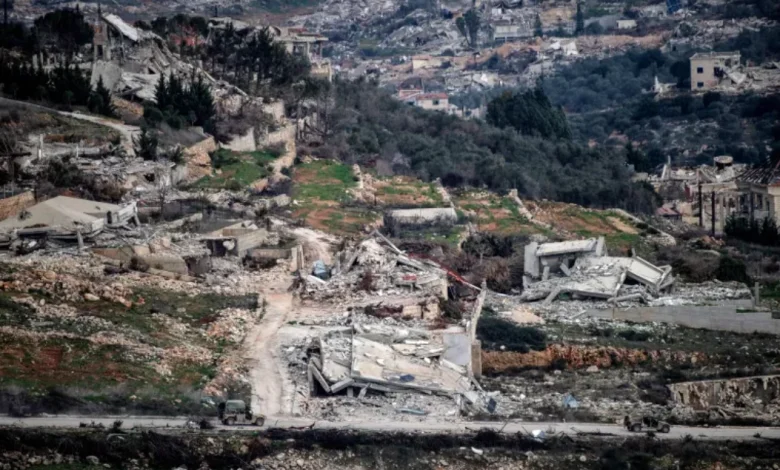
Ceasefire conditions in southern Lebanon are currently facing unprecedented scrutiny and operational hurdles as Israeli military officials confirm a deeply controversial mandate: Lebanese civilians will absolutely not be permitted to return to 55 border villages despite the formal cessation of hostilities. This monumental decision underscores a significant shift in regional military strategy, indicating that the cessation of rocket fire does not equate to a return to the pre-war status quo. The Israeli Defense Forces (IDF) have maintained that their primary objective is to fundamentally alter the security reality of the northern border, ensuring that the devastating events of recent history cannot be replicated from Lebanese soil. By holding these forward positions and actively preventing civilian repopulation, military strategists argue they are systematically dismantling the infrastructure necessary for any militant resurgence. The complexities of this situation are vast, involving international law, deeply entrenched geopolitical rivalries, and a growing humanitarian crisis that threatens to destabilize an already fragile nation.
The Strategic Blockade of 55 Villages
The decision to blockade 55 specific villages in southern Lebanon is not arbitrary; it is the result of meticulous intelligence gathering and strategic military doctrine. Israeli Northern Command has long identified these specific areas as critical nodes in what they describe as a sprawling, decentralized military apparatus embedded within civilian infrastructure. The topography of southern Lebanon, characterized by steep hills, hidden valleys, and dense vegetation, provides natural cover that has historically been exploited for guerrilla warfare. By preventing civilian access to these locations, the IDF aims to create a sterile buffer zone, effectively pushing the threat matrix miles away from the Blue Line. This approach represents a paradigm shift from previous conflicts, where Israeli forces typically withdrew immediately following a political agreement. Today, the doctrine is clear: hold the ground until verifiable, irreversible security guarantees are implemented. This prolonged occupation of Lebanese sovereign territory has sparked intense international debate, yet Israeli leadership remains resolute in their stance that tactical withdrawal would immediately invite strategic peril.
Which Areas Are Affected by the Blockade?
The 55 villages targeted by this unprecedented blockade span across multiple districts in southern Lebanon, primarily concentrated in the Nabatieh and South Governorates. These areas historically served as the agricultural heartland of the region, boasting extensive olive groves, tobacco fields, and citrus orchards. The socioeconomic fabric of these communities has been entirely ruptured by the ongoing military presence. Understanding the demographic and economic profile of these regions is crucial for comprehending the scale of the displacement.
| Lebanese Sector | Number of Blockaded Villages | Pre-Conflict Population Estimate | Primary Economic Activity |
|---|---|---|---|
| Western Sector (Naqoura to Bint Jbeil) | 22 Villages | 45,000 Civilians | Tobacco Farming, Fishing, Commerce |
| Central Sector (Maroun al-Ras to Meiss el Jabal) | 18 Villages | 38,000 Civilians | Olive Oil Production, Agriculture |
| Eastern Sector (Kfar Chouba to Shebaa) | 15 Villages | 29,000 Civilians | Livestock, Citrus, Trade |
As the table illustrates, the blockade impacts over 100,000 individuals whose livelihoods are inextricably linked to the land. The prolonged denial of access means entire harvest seasons have been lost, plunging these populations into severe economic destitution and increasing their reliance on international aid agencies and the strained resources of the central Lebanese government.
Israeli Military Justifications and Objectives
Israeli military spokespersons have systematically laid out their justifications for the ongoing presence in these 55 villages, emphasizing the existential necessity of their operations. The primary argument centers on the discovery of vast, sophisticated underground tunnel networks, weapons depots hidden beneath residential homes, and staging grounds intended for cross-border infiltrations by elite militant units. The IDF asserts that a premature withdrawal, even under the guise of a diplomatic truce, would allow these forces to immediately reoccupy prepared positions and re-establish their operational capabilities. This unyielding stance is a core component of their current security policy, clearly demonstrating why Israel refuses southern Lebanon withdrawal despite ceasefire declarations. The military insists that the clearing operations must continue uninterrupted, involving controlled detonations of militant infrastructure and comprehensive mapping of subterranean routes. Until the IDF is completely satisfied that the area poses zero tactical threat to northern Israeli communities, the blockade of civilians will remain fully enforced.
Hezbollahs Regrouping and Regional Security Threats
At the heart of the Israeli blockade is the profound concern over militant regrouping. Intelligence estimates suggest that militant factions view civilian returns not merely as a humanitarian necessity, but as an operational shield. By blending in with returning families, combatants could bypass surveillance, smuggle light weaponry, and begin the arduous process of rebuilding shattered command and control centers. The strategy of using civilian environments to mask military activity complicates traditional rules of engagement, forcing state militaries to implement draconian measures like the 55-village blockade to separate combatants from non-combatants definitively. This dynamic fundamentally alters the regional security architecture, creating a prolonged state of tension where the cessation of large-scale aerial bombardments is replaced by a meticulous, high-stakes ground game. The overarching fear in Jerusalem is that any leniency will lead to a rapid reconstitution of the militant threat, eventually triggering an even more destructive round of conflict in the near future.
Monitoring Border Infrastructure and Surveillance
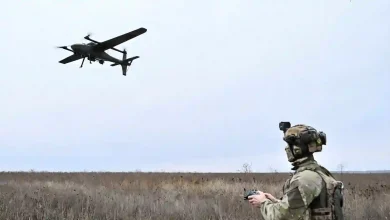
To enforce the blockade and monitor any attempts at infiltration or regrouping, the IDF has deployed an unprecedented array of advanced surveillance technology along the newly established buffer zone. This network includes autonomous drones equipped with thermal and night-vision capabilities, AI-powered seismic sensors designed to detect subterranean digging, and high-altitude surveillance balloons providing constant, real-time data feeds to military intelligence hubs. The technological superiority aims to create an impenetrable, invisible wall, ensuring that any movement within the restricted 55 villages is immediately identified and neutralized. International observers and defense analysts continually review these developments, with extensive coverage found in global geopolitical reports detailing the massive investments in border security tech. This pervasive monitoring underscores the reality that the physical border has effectively been moved northward, enforced not just by boots on the ground, but by an unblinking electronic eye.
Impact on Lebanese Civilians and Internal Displacement
The human cost of this strategic standoff is staggering, resulting in one of the most severe internal displacement crises in Lebanon’s modern history. Hundreds of thousands of civilians from the south have been forced to flee their ancestral homes, seeking refuge in overcrowded public schools, makeshift camps, and the homes of relatives in Beirut, Sidon, and Mount Lebanon. The blockade of the 55 villages transforms temporary displacement into a permanent state of limbo. Families who packed only a few days worth of belongings now face the grim reality that their homes are inaccessible, potentially damaged, or entirely destroyed in the clearing operations. The psychological toll of this forced displacement is immense, breeding deep-seated resentment and despair. Without access to their farms, businesses, and community networks, the displaced populations face skyrocketing poverty rates in a country already gripped by unprecedented hyperinflation and institutional collapse.
Humanitarian Concerns and the Global Response
International humanitarian organizations and human rights watchdogs have raised massive alarms regarding the legality and morality of preventing civilian returns during a declared ceasefire. Accusations of collective punishment and violations of the Geneva Conventions are frequently debated in global forums. The United Nations Interim Force in Lebanon (UNIFIL) finds itself paralyzed, caught between its mandate to assist the Lebanese Armed Forces and the reality of overwhelming Israeli military control over the sector. Humanitarian agencies are struggling to provide basic necessities—clean water, medical supplies, and winterization kits—to the displaced masses. The situation has prompted urgent diplomatic missions, with Lebanese officials desperately seeking international intervention. The evolving geopolitical landscape and the shifting alliances are deeply connected to these events, as seen when Lebanon talks in Washington aim to find a sustainable diplomatic resolution that prioritizes the return of sovereign control and civilian safety over indefinite military occupation.
Geopolitical Ramifications of the Prolonged Occupation
The ongoing blockade and the effective annexation of a southern security zone carry immense geopolitical ramifications that stretch far beyond the immediate border. Regional powers, specifically Iran and its network of allied militias across Iraq, Syria, and Yemen, view the Israeli occupation of Lebanese territory as a direct challenge to the Axis of Resistance. The prolonged presence serves as a constant friction point, ensuring that the broader Middle Eastern theater remains on the brink of wider escalation. Furthermore, the situation complicates international diplomatic efforts aimed at stabilizing the region. The fragility of any peace agreement is evident; the tactical realities on the ground in Lebanon are intrinsically linked to broader regional conflicts. Observers note that the interconnected nature of these conflicts means that localized escalations can easily derail wider treaties, a sentiment echoed by leadership when warning that Netanyahu the ceasefire with Iran could end quickly if regional proxies resume coordinated hostilities.
Diplomatic Tensions Reaching a Boiling Point
Diplomatic channels are severely strained as the disconnect between the official ceasefire declarations and the reality on the ground becomes undeniable. United States envoys and French mediators have been engaged in relentless shuttle diplomacy, attempting to formulate a framework that satisfies Israel’s security imperatives while restoring Lebanese sovereignty. However, the Lebanese government, crippled by political deadlock and economic ruin, possesses very little leverage to force a change in the status quo. The insistence by Israeli officials to maintain control over the 55 villages has led to significant diplomatic friction, resulting in public rebukes and the suspension of various negotiation tracks. The internal political dynamics within Lebanon further complicate matters, as various factions debate the path forward. This internal discord was highlighted recently when Lebanon refuses Netanyahu talks, indicating a strict separation of files and a refusal to normalize the current military occupation under the guise of peace negotiations.
Future Scenarios for the Israel-Lebanon Border
Looking ahead, the situation surrounding the 55 blockaded villages presents several highly volatile future scenarios. The first, and currently most likely scenario, involves a protracted, multi-year occupation of the buffer zone, transforming the southern border into a highly militarized, depopulated wasteland. A second scenario hinges on a massive diplomatic breakthrough, wherein the Lebanese Armed Forces, backed by an enhanced international coalition, step in to guarantee the demilitarization of the zone, allowing for a phased, heavily monitored return of vetted civilians. The third, and most catastrophic scenario, is the complete collapse of the ceasefire framework, leading to a renewed, full-scale military confrontation as militant groups attempt to forcibly reclaim the occupied territory. The resolution of this crisis will require unprecedented diplomatic creativity, robust international guarantees, and a fundamental shift in the security paradigms that have governed the Middle East for decades. Until such a breakthrough occurs, the 55 villages of southern Lebanon will remain ghost towns, standing as silent monuments to an intractable conflict that continues to devastate the lives of countless innocent civilians caught in the crossfire of geopolitical ambition.