Supertanker Hormuz Crossing Defies New Trump Blockade Orders
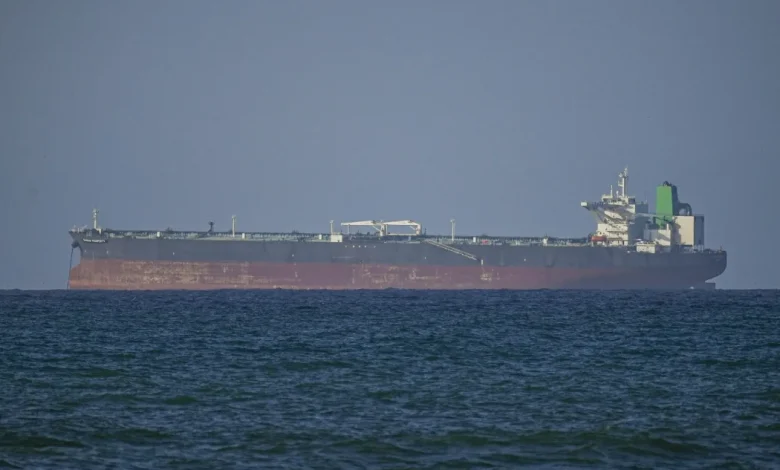
Supertanker movements have rapidly evolved into the central focal point of a volatile international crisis playing out in the world’s most critical maritime chokepoint. An Iraq-bound very large crude carrier (VLCC) that abruptly aborted a weekend attempt to cross the Strait of Hormuz into the Persian Gulf is now once again actively sailing through it. If this high-stakes maritime maneuver proves successful, it would officially mark the first crude carrier to successfully head west through the heavily monitored Strait since the controversial Trump administration’s naval blockade took full effect. This extraordinary geopolitical development is sending immediate shockwaves through the global energy sector, as commodity traders, defense analysts, and international diplomats scramble to understand the long-term implications of this crossing.
Supertanker Tests Geopolitical Waters in the Strait of Hormuz
The Strait of Hormuz, a narrow waterway separating Iran and Oman, serves as the primary conduit for roughly a fifth of the world’s globally consumed oil. Historically, any disruption or threatened closure of this passage has resulted in immediate and drastic spikes in global energy prices. The current situation surrounding this Iraq-bound vessel is no different. Over the weekend, the vessel initiated its westward transit but abruptly turned around, executing a sharp abort maneuver that left maritime tracking agencies puzzled. Military escorts and naval assets positioned throughout the Gulf of Oman monitored the ship’s irregular patterns closely. Now, the renewed attempt to complete the crossing represents a bold test of the newly enforced blockade policies. The sheer audacity of attempting to traverse this highly contested waterway underscores the severe economic desperation and strategic maneuvering characterizing the current state of Middle Eastern energy exports.
The Initial Weekend Abort and Sudden Reversal
Detailed analysis of satellite transponder data revealed that the massive vessel altered its course dramatically just miles before entering the most restricted navigational lanes of the Strait. Analysts speculate that the initial abort was triggered by a combination of intercepted radio communications, the visible presence of allied naval enforcement patrols, and potential real-time advisory alerts from international maritime insurance markets regarding soaring war-risk premiums. The sudden reversal and current westward push suggest that high-level diplomatic clearances may have been quietly negotiated, or alternatively, that the vessel’s operators have decided to directly challenge the naval interdiction forces. The tension in the air is palpable, as regional command centers watch the vessel’s slow, methodical progress knot by knot.
Analyzing the Mechanics of the Trump Blockade
Understanding the gravity of this vessel’s journey requires a deep dive into the broader regulatory and military framework currently strangling the region. As extensively detailed in recent coverage of Donald Trump news and geopolitical shifts, the administration’s blockade is not merely a symbolic gesture but a rigorously enforced maritime barrier designed to exert maximum pressure on adversarial economies. The blockade leverages a sophisticated network of naval patrols, aerial surveillance drones, and comprehensive secondary sanctions targeting insurance providers, ship registries, and port operators globally.
Impact on Crude Carriers and Global Oil Supply
For independent crude carriers, the blockade has created an environment of unprecedented hostility and legal jeopardy. Ships navigating near the exclusionary zones risk not only immediate physical interception but also severe legal repercussions that can permanently blackball a vessel from the international maritime registry. The Iraq-bound supertanker currently threading the needle through the Strait is carrying the burden of setting a modern precedent. Should the vessel pass unchallenged, it may signal a critical vulnerability or a strategic loophole in the blockade’s enforcement protocols. Conversely, if intercepted, it will likely trigger a massive recalibration of global oil supply chains, forcing exporters in Iraq, Kuwait, and Saudi Arabia to rely entirely on overland pipelines with severely limited flow capacities.
The Stranded Sanctioned Tankers: Rich Starry and Alicia
Meanwhile, the chaos unfolding in the Strait of Hormuz is vividly juxtaposed against the plight of the globally sanctioned tankers Rich Starry and Alicia. These two massive vessels are currently floating aimlessly in international waters, literally stuck waiting for orders from owners who are legally paralyzed. They serve as floating, multi-million-dollar symbols of how incredibly messy and unforgiving this geopolitical power play has become. Unlike the active Iraq-bound vessel attempting the crossing, the Rich Starry and Alicia have been thoroughly ensnared by the enforcement web of secondary sanctions, effectively rendering them radioactive to any legitimate port authority or maritime service provider worldwide.
Waiting for Orders – The Reality of Maritime Sanctions
The phrase waiting for orders is standard maritime parlance for a ship without a designated port of call, but for the Rich Starry and Alicia, it has morphed into a permanent state of purgatory. The crews aboard these vessels face dwindling supplies, psychological fatigue, and constant surveillance by hostile naval assets. Because these tankers have been explicitly named in international sanction mandates, no tugboat will assist them, no bunker barge will refuel them, and no port will allow them to offload their illicit cargo. Their continued presence on the horizon is a stark, visual reminder to all other operators of the severe penalties associated with violating the blockade. They are effectively trapped in a high-stakes geopolitical stalemate with no clear diplomatic off-ramp in sight.
Economic Repercussions and Energy Market Volatility
The intersecting crises of an active blockade challenge and immobilized sanctioned fleets are conspiring to create an incredibly volatile environment for global energy markets. Commodity traders are inherently risk-averse when it comes to supply chain security, and the mere prospect of a military confrontation in the Strait of Hormuz has historically been enough to add a substantial fear premium to the price of Brent Crude. This scenario is compounding existing market anxieties, drawing parallels to the massive energy shocks predicted when Ukraine strikes on Russian oil refineries threatened to push oil toward the $200 per barrel mark. The interconnected nature of these global conflicts means that a single miscalculation in the Persian Gulf could catastrophically disrupt the fragile economic recovery of numerous import-dependent nations.
Comparative Analysis of Maritime Traffic under Blockade
To better understand the scale and scope of the crisis, the following table breaks down the current status and characteristics of the primary vessels caught in the crossfire of this geopolitical standoff.
| Vessel Designation | Vessel Class | Current Geographic Status | Cargo Condition | Sanctions & Blockade Impact |
|---|---|---|---|---|
| Iraq-Bound Supertanker | VLCC (Very Large Crude Carrier) | In Transit (Strait of Hormuz) | Empty / In-Ballast (Heading West) | Actively testing the boundaries of the new blockade parameters. |
| Rich Starry | Aframax Tanker | Stranded (Gulf of Oman) | Fully Loaded with Undisclosed Crude | Fully sanctioned, completely immobilized, awaiting diplomatic resolution. |
| Alicia | Suezmax Tanker | Stranded (International Waters) | Partially Loaded with Undisclosed Crude | Blacklisted by registries, legally barred from port entry globally. |
How the Regional Power Play Alters International Shipping
The enforcement of this blockade and the defiance shown by vessels like the Iraq-bound supertanker are fundamentally altering the operational DNA of international shipping. We are witnessing a rapid militarization of commercial sea lanes, wherein the lines between merchant mariners and naval combatants are becoming increasingly blurred. The geopolitical chessboard is shifting, drawing in a multitude of international actors with heavily vested interests in the region’s stability. This complex web of alliances and enmities is further complicated by covert intelligence operations and shifting regional hegemonies, closely mirroring the tense atmosphere described in recent reports on the Iran nuclear standoff and post-war strategic maneuvers. Nations are being forced to choose between complying with unilateral US-led sanctions or risking the total ostracization of their maritime fleets.
Potential Scenarios for Iraq-Bound Vessels
If the Iraq-bound supertanker successfully docks and loads its cargo, it opens a Pandora’s box of strategic dilemmas for the enforcers of the blockade. Will the allied naval forces allow the vessel to exit the Gulf fully laden, or will they execute a highly controversial boarding operation in open waters? The latter scenario risks sparking an immediate kinetic conflict, drawing in regional military assets. Furthermore, we must consider the broader military realignments occurring globally, such as the strategic naval escalations seen with Iran allegedly targeting Diego Garcia. Every movement on the water is now inextricably linked to massive, overarching military strategies stretching from the Indian Ocean to the Mediterranean Sea. Shipping companies are consequently forced to hire advanced geopolitical risk consultants just to plan standard logistics routes.
Strategic Shifts in Post-Blockade Geopolitics
As the international community watches the slow progression of this monumental voyage through the Strait of Hormuz, it is becoming glaringly evident that the old rules of maritime engagement no longer apply. The explicit stranding of the Rich Starry and Alicia acts as a grim testament to the financial ruin awaiting those who miscalculate the severity of the current administration’s foreign policy directives. Simultaneously, the relentless push by the Iraq-bound vessel signifies that the demand for crude oil will continually drive operators to test the absolute limits of naval enforcement. Ultimately, the resolution of this immediate crisis will not just dictate the short-term price of crude oil; it will establish the fundamental legal and military precedents governing international waters for decades to come. The power play in the Persian Gulf is messy, dangerous, and completely devoid of guaranteed outcomes, leaving global stakeholders bracing for an extended period of profound maritime instability.