Highmark Stadium Sightline Woes and Skyrocketing Fan Costs 2026
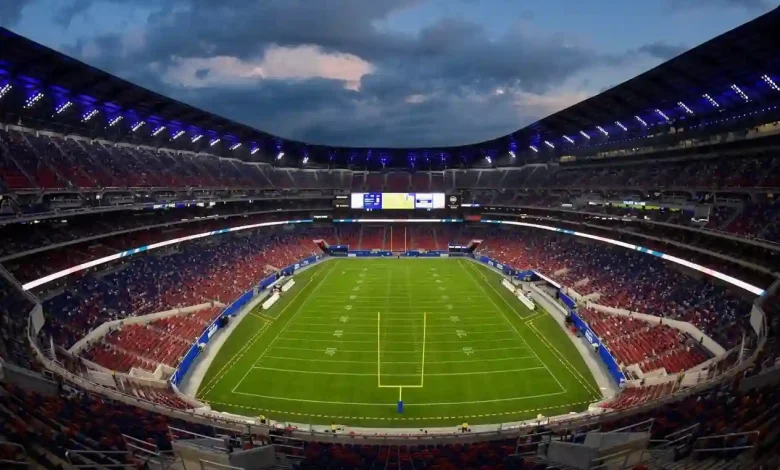
Table of Contents
Highmark Stadium represents a monumental leap forward for the Buffalo Bills, but its opening has highlighted critical concerns about structural design and corporate accessibility. As the highly anticipated $2.2 billion arena in Orchard Park opened its doors to season ticketholders for the first time during an open practice session, fans expected a flawless, state-of-the-art sporting haven. Instead, what some discovered was an unexpected design reality: safety rails, steep stairs, and heavy structural components partially blocking their views of the field. While these architectural blind spots have triggered intense debate on social media, they are merely a symptom of a much deeper, structural shift in the NFL gameday experience. For many working-class families in Western New York, the physical obstructions in the seating bowl pale in comparison to the financial barriers created by the venue’s astronomical ticket prices and seat licensing fees.
The Dawn of a New Era: Highmark Stadium Welcomes Bills Mafia
The construction of the new Highmark Stadium was heralded as a historic milestone for professional football in Western New York. Designed to preserve the cold-weather home-field advantage while delivering elite-tier luxury, the stadium replaces the legacy venue with a modern marvel that boasts wide concourses, advanced climate-shielding canopies, and a deeply vertical seating layout. For decades, Buffalo Bills fans have proudly embraced their identity as one of the most passionate, rowdy, and loyal fanbases in the National Football League. This unique culture—affectionately known as “Bills Mafia”—was built on a foundation of bitter winter games, unmatched tailgating traditions, and incredibly affordable access to professional football.
Just as heavy industrial investment transforms smaller regions—an effect observed in how Kingsport fuels Trumps local industrial messaging—the construction of a $2.2 billion sports arena dramatically alters the economic landscape of Orchard Park. The new facility was engineered to maximize atmosphere, keeping the crowd’s legendary noise bottled up and directed straight at the opposing bench. However, transitioning from a beloved, utilitarian concrete bowl to a multi-billion-dollar commercial asset has introduced complex challenges. When thousands of season ticketholders walked through the turnstiles for the annual Red and Blue open practice, they were met with a striking clash between elite architecture and the practical, hard-nosed demands of football fans.
Sightline Shocks at the Red and Blue Practice
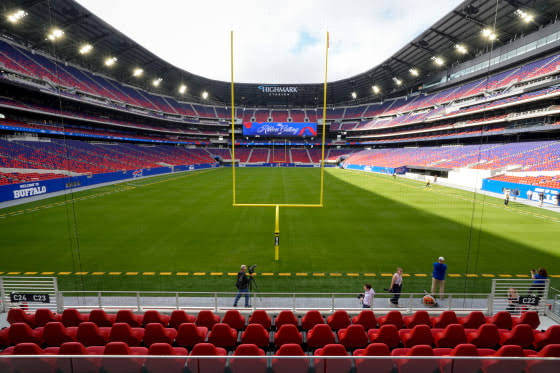
Social media erupted with a wave of photos and complaints immediately following the stadium’s first public practice session. Season ticketholders who had paid thousands of dollars in licensing fees shared images of their seats showing thick safety glass, security railings, and physical concrete stairwells obstructing their view of the far end zones. In one widely shared photo, a fan in the 400-level seating deck demonstrated that they would have to lean forward or peer through safety barriers just to watch a play develop in the northwest corner of the field.
For these fans, the realization was a frustrating surprise. Many pointed out that they had been assured during their virtual seat-selection process that their sightlines would be clear of obstructions. To find that their physical seats did not match the pristine rendering of the digital stadium tour sparked immediate backlash. Fans questioned how a modern stadium, built with a budget surpassing $2 billion, could feature sightline compromises that seemed reminiscent of stadiums built in the early 20th century. The outcry quickly shifted the narrative of the stadium’s successful opening to one dominated by design criticisms.
Architectural Defense: Populous Explains the Design Intent
In response to the growing social media backlash, the architecture and design team behind the project stepped forward to clarify the engineering decisions that shaped the stadium. Populous, the global sports architecture firm responsible for designing some of the world’s most iconic sporting venues, explained that the partially obstructed sightlines were not an oversight, but rather a direct byproduct of maximizing fan proximity to the field.
Engineering a vertical seating bowl of this magnitude is a high-tech marvel of modern architecture, matching the structural ambitions of aerospace initiatives like the Rocket Lab Neutron project. According to design directors, the goal of the new seating bowl was to pull fans in the upper levels as close to the sideline as possible. By creating a steeper, more vertical upper deck, the architects succeeded in bringing the crowd closer to the action, enhancing both the view and the acoustics. However, a steeper seating bowl naturally requires strict compliance with local building codes, necessitating safety handrails, structural glass barriers, and protective stairwells. The designers argued that a tiny percentage of minor visual obstructions is a standard compromise in modern, highly intimate NFL stadiums.
Solving the Buffalo Bills’ Sightline Challenges
The Buffalo Bills organization moved quickly to address fan concerns, aiming to defuse the situation before the regular-season home opener against Detroit. Team president Pete Guelli announced that the organization would handle all sightline complaints on an individual, case-by-case basis. According to team sources, the complaints represented less than one percent of the total Personal Seat License (PSL) holders, meaning only about 500 to 600 seats were actively impacted by structural obstructions.
Furthermore, team officials pointed out that some of the most dramatic photos circulating online were taken from sections that were not even placed on sale for football games—such as media-adjacent press box outcroppings and temporary event-only seating areas. While safety on a geopolitical scale requires decisive strategic actions, like those observed when US Central Command fires retaliatory strikes, local safety measures in a football stadium are resolved through building codes and protective glass. The Bills organization has committed the next six weeks to reviewing seat placements, adjusting barrier heights where possible, and finding alternative solutions for fans who are genuinely unsatisfied with their purchased views.
The Real Elephant in the Room: The Skyrocketing Cost of Attendance
While a few hundred obstructed seats can be managed or relocated, there is a much larger, systemic problem facing the Bills’ faithful: the skyrocketing cost of attending games at the new venue. For the average family, a trip to an NFL game has increasingly become a luxury event rather than a regular Sunday pastime. The transition to the new stadium has accelerated this trend, pricing out many legacy fans who have supported the team through decades of cold-weather struggles and postseason droughts.
The complex financial restructuring of such a high-stakes project is reminiscent of high-level banking operations, requiring a precision similar to Andrea Orcel decoding corporate valuation in European finance. Building a $2.2 billion stadium requires immense capital, and even with historic public funding from New York State and Erie County, a massive portion of the debt must be serviced directly by the fans. This reality has resulted in dramatic increases across every category of gameday expenditure, from ticket prices to concessions and basic parking privileges.
Personal Seat Licenses (PSLs) and Ticket Inflation
The primary driver of the financial backlash is the introduction of Personal Seat Licenses (PSLs). In the old Abbot Road stadium, season ticketholders paid a straightforward annual fee to retain their seats. In the new facility, fans must pay an upfront licensing fee ranging from $1,000 to over $50,000 per seat just for the *right* to purchase season tickets. For families who have owned multiple season tickets for generations, this represents a sudden, multi-thousand-dollar barrier to entry.
On top of the upfront PSL costs, the actual price of single-game and season tickets has surged. The average cost of entry-level seating has nearly doubled, leaving many long-time fans with no choice but to relinquish their seats. While sports analysts focus on on-field issues, such as division rivalries and the latest Geno Smith injury Jets updates in the AFC East, the front office is laser-focused on the stadium’s bottom line. The result is a stadium that is far more corporate, featuring premium luxury suites and club-level experiences designed to attract high-net-worth individuals and corporate sponsors rather than local working-class families.
Beyond the Ticket: Parking, Tailgating, and Food Prices
The financial strain of the new Highmark Stadium extends far beyond the ticket gates. Tailgating, which serves as the cultural heartbeat of the Bills Mafia experience, has faced structural and financial changes. Official parking lot fees have climbed to unprecedented levels, with some prime spots costing between $60 and $100 per game. Furthermore, stricter parking lot rules and reduced space for traditional mobile camper lots have restricted the expansive, open-air tailgating environment that made Buffalo famous.
Once inside the stadium, fans are met with premium pricing at the concession stands. While the facility offers upgraded culinary options, from artisanal local sausages to craft beer walls, the basic cost of stadium staples like hot dogs, soft drinks, and domestic draft beers has risen substantially. At a time when local economic realities are strained by inflationary pressures, and many households are watching closely as gas prices surge 30% in the US, spending thousands on a football seat and a day of family entertainment feels like an impossible ask for the average blue-collar household.
How Highmark Stadium Compares: Financial Realities of Modern NFL Arenas
To understand the financial model of the new Highmark Stadium, it is helpful to look at how it compares to other recently built NFL venues across the country. Modern stadium design has shifted away from massive seating capacities in favor of smaller, more intimate bowls that emphasize premium hospitality, club spaces, and corporate sponsorship. The following table highlights the dramatic cost shift between the old Abbott Road facility and the new, state-of-the-art Orchard Park stadium:
| Cost Metric / Experience Element | Old Highmark Stadium (Abbott Rd) | New Highmark Stadium (Orchard Park) | Percentage Increase / Impact |
|---|---|---|---|
| Personal Seat License (PSL) | $0 (No licensing required) | $1,000 to $50,000+ per seat | Infinite increase (New capital barrier) |
| Average Season Ticket Price | Approx. $85 per game | Approx. $150 to $250+ per game | 76% to 194% increase |
| Official Parking Fee | $35 – $40 per vehicle | $60 – $100+ per vehicle | 71% to 150% increase |
| Upper Deck Sightlines | Low slope, highly distant, unobstructed | High slope, close to field, some safety rails/stairs obstructions | Improved closeness, <1% structural obstructions |
| Concourse & Amenities | Narrow, cold wind tunnels, outdated dining | Wide, climate-shielded, upscale artisanal food options | Substantial infrastructural upgrade |
The Economic Strain on Working-Class Fans in Western New York
The commercialization of NFL stadiums presents a unique cultural challenge for a region like Buffalo. Unlike metropolitan hubs such as Los Angeles, Las Vegas, or New York City, where corporate dollars and tourism can easily fill high-priced luxury suites, Western New York is fundamentally a blue-collar, industrial, and hard-working community. The passion of the Bills Mafia has always been defined by its authenticity, grit, and accessibility to everyone, regardless of economic background.
By pricing out the local fanbase, the organization risks altering the very atmosphere that makes playing in Buffalo so intimidating for opposing teams. While global news remains dominated by dramatic political developments and high-stakes defense stories such as Trumps war against Iran 4, the local community in Buffalo remains deeply focused on preserving their unique civic traditions. If the stadium becomes populated primarily by corporate sponsors and wealthy visitors, the raw, electric energy of the crowd may begin to fade, leaving a beautifully designed, multi-billion-dollar stadium that lacks the unique soul of its predecessor.
Looking Ahead: The Future of the Bills Gameday Experience
As the Buffalo Bills prepare to host their first official games at the new Highmark Stadium, the franchise stands at a critical crossroads. The stadium is undeniably a masterpiece of modern design, offering amenities, comfort, and weather protection that fans could only dream of in the old venue. The physical sightline issues, while frustrating for the minor percentage of impacted seat holders, will likely be resolved through creative structural modifications, seating reassignments, and case-by-case customer service interventions by the front office.
However, the challenge of economic accessibility is far more difficult to resolve. The Bills organization must find a delicate balance between generating the massive revenues required to support a championship-caliber team and keeping the stadium accessible to the loyal, working-class fans who built the franchise’s legendary culture. Highmark Stadium represents the exciting, high-tech future of the NFL in Buffalo, but ensuring that the spirit of Bills Mafia remains alive inside its pristine, expensive walls will require a conscious, ongoing effort from the team’s leadership for years to come.