Egypt Beats Australia in Historic World Cup Knockout Win 2026
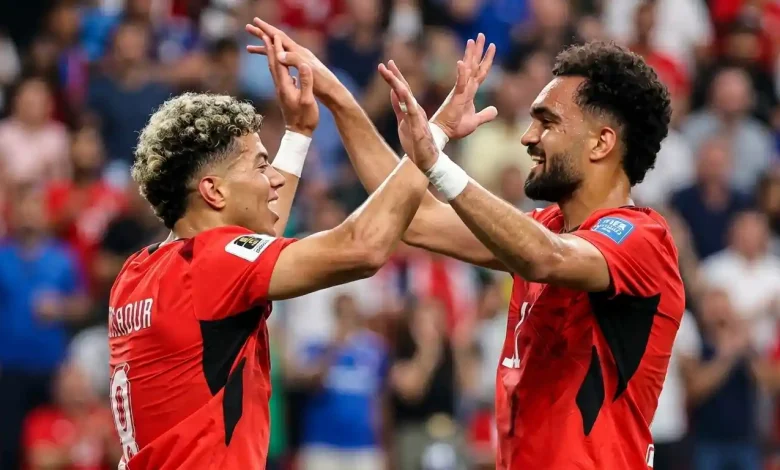
Table of Contents
Egypt achieved a monumental milestone on Friday night at the Dallas Stadium in Arlington, Texas, writing an unforgettable chapter in its footballing history. By defeating Australia 4-2 in a nerve-wracking penalty shootout following a hard-fought 1-1 draw, the Pharaohs secured their first-ever victory in a World Cup knockout stage. The achievement, coming in Egypt’s fourth-ever World Cup appearance, ignited celebrations across Cairo and left global sports commentators in awe of the sheer drama that unfolded in North America.
While international diplomats coordinate complex geopolitical agreements like those where Pakistan mediates U.S.-Iran talks, the sporting world focused entirely on the high-octane action on the pitch in Texas. This historic match provided everything a global audience could ask for: tactical surprises, brilliant individual efforts, agonizing blunders, and a controversial late goalkeeper substitution that will be debated for years to come.
The Historical Breakthrough in Arlington
The pressure of the World Cup knockout rounds is notoriously unforgiving, and for both Egypt and Australia, the stakes could not have been higher. Egypt had never won a knockout-stage match in World Cup history. Australia, despite their rich sporting history and multiple qualifications to the tournament’s late stages, entered the match with a dismal 0-2 record in the knockout rounds, which has now slipped to 0-3.
Playing in front of over 70,000 passionate fans in the state-of-the-art, air-conditioned home of the Dallas Cowboys, both teams sought to break their respective curses. The atmosphere was electric, with large contingents of Egyptian and Australian supporters creating a deafening wall of sound. Egypt’s victory not only marks their debut triumph in this stage but also signals the rise of African football on the ultimate international stage.
Tactical Lineups and Early Intentions
Egypt’s head coach Hossam Hassan rolled the dice by naming captain Mohamed Salah in the starting lineup, despite lingering concerns over a hamstring injury sustained in the group stage. Salah was visibly not at 100% capacity, but his leadership and presence on the pitch drew significant defensive attention from the Socceroos. On the other side, Australia manager Tony Popovic opted for a disciplined, youthful 3-4-3 formation, aiming to utilize physical dominance and set-piece efficiency.
The match began with high intensity. Australia almost shocked the Pharaohs in the fifth minute when Cristian Volpato unleashed a thunderous long-range effort that rattled the top of the crossbar. It was a wake-up call for the Egyptian defense, who immediately adjusted their spacing to press the Australian midfielders more aggressively.
Emam Ashour Sets the Stage
Egypt responded to the early scare with tactical composure. In the 13th minute, the Pharaohs earned a set-piece opportunities that paid immediate dividends. Midfielder Emam Ashour, who had been a dynamic force throughout the group stages, initiated a play that broke the Australian lines. Although his initial strike was blocked, Karim Hafez retrieved the ball and delivered a pinpoint cross back into the penalty box.
Ashour timed his run perfectly, sneaking past the central defenders to head the ball past the helpless Australian starting goalkeeper, Patrick Beach, into the bottom corner. The stadium erupted as Ashour celebrated his second goal of the tournament, sporting a massive grin that remained plastered on his face long after play resumed.
The Australian Fightback and Second-Half Stalemate
Australia did not let the early setback dampen their spirits. As the first half progressed, the Socceroos established better possession and began targeting the Egyptian flanks. Egypt, content with their 1-0 cushion, retreated into a defensive low-block, a strategy that invited heavy pressure. Jordan Bos was a constant threat on the wing before a severe tackle forced his half-time substitution.
The equalizer came in the 55th minute from an Australian set-piece. Aiden O’Neill swung a dangerous free-kick deep into the Egyptian penalty area. Under pressure from towering Australian defenders, Egypt’s Mohamed Hany inadvertently redirected the ball into his own net with a header. The own goal leveled the score at 1-1, injecting new energy into the Australian side and setting up a grueling battle of attrition.
The Late Drama and Goalkeeper Gambling
With the score locked at 1-1, both managers made tactical adjustments. Egypt had a golden opportunity to reclaim the lead immediately after the half-time restart when Omar Marmoush was released clean through on goal but dragged his shot wide of the post. As the clock ticked into extra time, fatigue became a major factor. Teams are highly concerned with athletic preservation on this stage, especially as sports scientists navigate complex medical reporting protocols, mirroring discussions around WHO data access concerns.
In the dying minutes of extra time, Patrick Beach made a world-class, point-blank save to deny a powerful header from Egypt’s Ramy Rabia, single-handedly forcing the penalty shootout. Then, in the 120th minute, Tony Popovic made a highly controversial tactical decision: he substituted the inform Beach for the highly experienced, 34-year-old veteran goalkeeper Mathew Ryan specifically for the shootout.
Patrick Beach vs. Mathew Ryan: A Tactical Misstep?
The substitution of a starting goalkeeper for a penalty specialist is a high-risk, high-reward strategy popularized in previous tournaments. However, this gamble failed spectacularly for Australia. Beach had been the star performer of the night, having made crucial saves to keep Australia alive. Substituting him cold into the high-stakes environment of a shootout placed immense psychological pressure on Mathew Ryan.
Ryan struggled to find his footing. Facing the Egyptian penalty takers under a barrage of deafening whistles from the Egyptian supporters, Ryan failed to stop or even guess correctly on any of the four shots he faced. According to FIFA’s official match statistics, the lack of warm-up time and the psychological burden of cold entry significantly reduce a substitute goalkeeper’s penalty save rate.
Breakdown of the Penalty Shootout
The shootout took place in front of the passionately boisterous Egyptian end of the stadium. The psychological edge was firmly with the Pharaohs as Australia took the first shot. The drama unfolded in quick succession, highlighting the stark contrast in execution between the two teams.
| Team | Shooter | Outcome | Score After Round |
|---|---|---|---|
| Australia | Harry Souttar | Missed (Shot High) | 0 – 0 |
| Egypt | Mahmoud Saber | Scored | 0 – 1 |
| Australia | Jackson Irvine | Scored | 1 – 1 |
| Egypt | Ramy Rabia | Scored | 1 – 2 |
| Australia | Awer Mabil | Scored | 2 – 2 |
| Egypt | Mohamed Salah | Scored | 2 – 3 |
| Australia | Lucas Herrington | Missed (Hit Crossbar) | 2 – 3 |
| Egypt | Hossam Abdelmaguid | Scored (Deciding Goal) | 2 – 4 (Egypt Wins) |
Misses by Souttar and Herrington Sealed the Fate
The shootout got off to the worst possible start for Australia. Towering defender Harry Souttar walked up to take the first penalty but blazed his attempt high over the crossbar, immediately putting the Socceroos on the defensive. Egypt capitalised on the mistake, with Mahmoud Saber and Ramy Rabia calmly converting their respective penalties.
While Jackson Irvine and Awer Mabil scored to keep Australia within striking distance, the final blow came when 18-year-old Australian defender Lucas Herrington stepped up for the fourth attempt. Under immense pressure, the teenager’s shot struck the crossbar. This set the stage for Egyptian defender Hossam Abdelmaguid, who calmly slotted his shot into the bottom corner, completely sending Mathew Ryan the wrong way to secure the 4-2 victory.
Mohamed Salah’s Leadership and Tearful Celebrations
Following Abdelmaguid’s clinching penalty, the Egyptian players erupted into wild celebrations, with captain Mohamed Salah breaking down in tears of joy. Salah, who has achieved almost everything in club football, has long sought a defining international legacy with his national team. This historic victory represents a monumental step toward that goal.
The media attention surrounding Salah’s tears and the monumental nature of this triumph generated a level of global cultural buzz comparable to major entertainment milestones like the Met Gala 2026. Speaking to reporters after the match, Salah remarked, “It’s history. I told the boys before the game ‘this is the biggest stage you can play in your life so just enjoy it. Don’t let the pressure get to you.’ I’m glad we managed to win.”
What Lies Ahead: Preparing for the Atlanta Showdown
Egypt’s historic journey is far from over. The Pharaohs will travel to Atlanta to compete in the Round of 16 on Tuesday, July 7, 2026, at the Mercedes-Benz Stadium. Their next opponent will be decided by the outcome of the match between defending World Cup champions Argentina and tournament debutants Cape Verde.
Facing Argentina and Lionel Messi would represent an extraordinary challenge for Hossam Hassan’s men. However, with their first-ever knockout victory now secured, Egypt will play with a newfound sense of confidence and freedom. If Salah can continue his physical recovery and the defense maintains the resilience shown in Arlington, the Pharaohs might just be capable of staging one of the greatest underdog stories in World Cup history.