Vincent Lorenzo Fiordilinon 2026: Dead Toddler Found Alive in Morgue
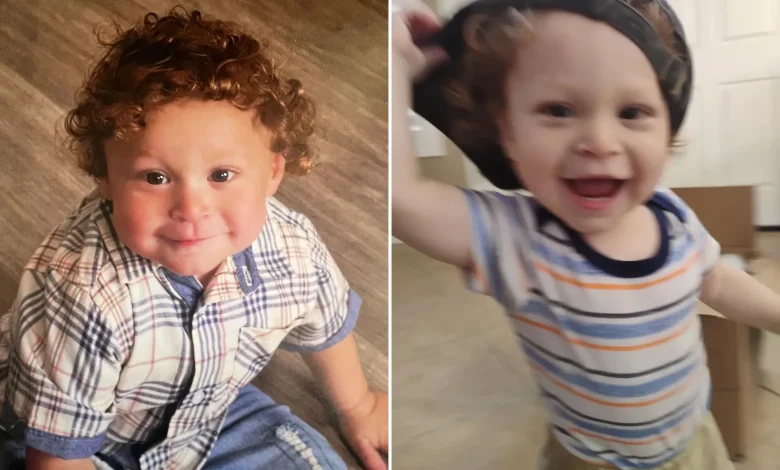
Table of Contents
Vincent Lorenzo Fiordilino is the name of an 18-month-old Arizona toddler at the center of a harrowing medical anomaly and a major criminal investigation after being pronounced dead, placed in a body bag, and subsequently found breathing in a hospital morgue hours later. The shocking series of events, which began on Super Bowl Sunday, February 8, 2026, has left the community of Gilbert, Arizona, searching for answers. What was initially reported as a tragic drowning accident has quickly evolved into a multi-layered legal and clinical controversy. Today, both the Maricopa County Attorney’s Office and hospital authorities are conducting exhaustive investigations into how such a catastrophic medical error was allowed to happen, alongside criminal child abuse allegations leveled against the boy’s parents.
The Super Bowl Sunday Tragedy in Gilbert, Arizona
On February 8, 2026, the Fiordilino family gathered to watch Super Bowl LX. What was intended to be a festive and joyful evening quickly devolved into every parent’s worst nightmare. According to police records, multiple family members, including the toddler’s mother, Alexus, and father, Angelo Fiordilino, were present at the residence located near East Chandler Heights and South Higley roads. Amidst the distraction of the game, 18-month-old Vincent managed to slip unnoticed into the backyard. The family’s backyard pool, which was not adequately secured at the time, became the site of a near-fatal immersion.
It was approximately 5:30 p.m. when the family realized the toddler had wandered off. A frantic search ended when Vincent was discovered floating face down in the pool. The water temperature was recorded at a freezing 57 degrees Fahrenheit—a detail that would later prove to be scientifically critical in understanding the toddler’s miraculous neurological preservation. Alexus pulled her unresponsive son, who was actively vomiting foam, from the water and immediately began administering cardiopulmonary resuscitation (CPR) while other relatives placed desperate calls to emergency dispatchers.
A Timeline of the Catastrophic Medical and Parental Oversight
To fully grasp the magnitude of the failures that occurred during this nearly six-hour period, a meticulous look at the chronological timeline is necessary. The following table outlines the critical moments from the initial 911 call to the moment the medical examiner discovered signs of life.
| Time (Feb 8, 2026) | Phase / Location | Key Developments & Evidence Documented |
|---|---|---|
| 5:30 p.m. | Fiordilino Residence | Vincent is found face down in a 57°F backyard swimming pool; family begins CPR. |
| 5:35 p.m. | Dispatch Response | Emergency personnel are dispatched; multiple frantic 911 calls are recorded. |
| 5:41 p.m. | On-Scene Medical Aid | First responders arrive, take over resuscitation, and note minimal physical response. |
| 6:00 p.m. | Mercy Gilbert ER | The toddler is admitted to Mercy Gilbert Medical Center; emergency staff attempt advanced cardiac life support (ACLS). |
| 6:15 p.m. | ER Witness Claims | A registered nurse and two police officers claim they detect a pulse; the attending physician rejects their observations. |
| 6:20 p.m. | Declaration of Death | Dr. Aryan Toosi halts resuscitation efforts and officially pronounces Vincent dead. |
| 7:00 p.m. – 11:45 p.m. | Hospital Morgue | Vincent is placed in a body bag and kept inside the hospital’s cold-room morgue. |
| 11:52 p.m. | Morgue Discovery | A Maricopa County Medical Examiner transporter opens the bag and finds Vincent breathing. |
The Frantic 911 Calls and Initial Rescue Efforts
As detailed in a report by the New York Post, the unsealed audio recordings from the family’s residence near East Chandler Heights and South Higley roads reveal a chaotic scene. Screams from multiple family members echo in the background of the two 911 calls placed within seconds of each other. An uncle, speaking shakily to the operator, stated, “I just found my nephew in the pool.” When asked if the toddler was breathing, the caller responded with desperation, “We’re not sure.”
The operator guided the family through chest compressions. Gilbert police and paramedics arrived on the scene within six minutes, quickly taking over the resuscitation efforts. Although the child initially showed slight signs of responsiveness, he remained largely unconscious and critically unstable as he was rushed to Mercy Gilbert Medical Center.
Resuscitation Attempt and the Declaration of Death
Upon arrival at Mercy Gilbert Medical Center, emergency room physicians and clinical staff initiated intensive advanced resuscitation efforts. However, the window of survival was closing rapidly in the eyes of the clinical lead. At 6:20 p.m., after less than thirty minutes of in-hospital efforts, the attending osteopathic physician, Dr. Aryan Toosi, declared that the child had succumbed to the drowning. Resuscitation was halted, and Vincent was officially pronounced dead.
The Dismissed Warning Signs: “I Went to Medical School for a Reason”
The core of the burgeoning medical negligence investigation centers on what occurred immediately before and after Dr. Toosi’s official declaration of death. According to police bodycam footage and supplementary clinical reports, the decision to call the time of death was met with immediate, explicit pushback from other professionals in the room.
A registered nurse attending to Vincent told Dr. Toosi that she felt a distinct, albeit faint, pulse. Two Gilbert police officers standing in the room also reported witnessing independent movements and signs of life from the toddler. When the officer and nurse urged the doctor to reassess the child, Dr. Toosi reportedly dismissed their clinical concerns with extreme arrogance. According to the police report, the doctor stated that he “went to medical school for a reason,” asserted his superior clinical training, and directed the staff to let him do his job without interference.
Furthermore, as Vincent’s parents, Alexus and Angelo, were brought in to say their final goodbyes to their son, both stated to police that they firmly believed the boy was still breathing. Their pleas, however, were treated as the denial of grieving parents. Vincent was subsequently placed in a zipped body bag and transferred directly to the hospital’s cold-room morgue.
Inside the Morgue: The Cold Room Miracle
Vincent spent nearly six hours inside the freezing hospital morgue, locked away in a body bag. The physiology of how an 18-month-old child could survive submerged in cold water, undergo cardiorespiratory arrest, and then endure hours inside a cold storage facility is an area of intense medical study.
Physiologists point to the “mammalian dive reflex” and the protective effects of therapeutic hypothermia. When a young child is submerged in cold water (in this case, 57°F), the body’s metabolic demand drops dramatically. The brain and vital organs require only a fraction of the oxygen they normally consume. When Vincent was placed in the cold room of the morgue, this state of metabolic preservation likely continued, preventing the rapid cell death that typically occurs after cardiac arrest in warm environments.
At 11:52 p.m., a Maricopa County Medical Examiner transporter arrived at Mercy Gilbert Medical Center to collect the body for autopsy. Upon opening the body bag to prepare the toddler for transport, the worker was shocked to discover that Vincent was visibly breathing and had a palpable heartbeat. Emergency teams were immediately mobilized, and Vincent was rushed out of the morgue, stabilized, and airlifted to Phoenix Children’s Hospital for specialized, high-intensity pediatric intensive care.
Neurological Outcomes and Vincent’s Long Path to Recovery
The immediate prognosis for Vincent when he arrived at Phoenix Children’s Hospital on February 9 was highly critical. Doctors warned the family that his kidneys, lungs, and liver were beginning to shut down. An MRI was ordered to evaluate the extent of the brain damage caused by the prolonged lack of oxygen and the subsequent hours spent in the morgue.
The initial MRI results showed only two tiny “pencil-dot” areas of potential brain damage, which left clinicians highly concerned about his long-term cognitive and motor functions. However, Vincent defied the odds. A follow-up MRI conducted on February 12 brought astonishing news: the scan showed no permanent brain damage. Aside from a small area of bruising that doctors believe might cause minor temporary balance issues, Vincent’s brain was completely intact. He has since been successfully extubated, has begun breathing entirely on his own, and has been released from the hospital to continue physical therapy.
Recommended Child Abuse Charges for the Parents
While Vincent’s survival is widely regarded as a medical miracle, the circumstances leading up to his near-drowning have triggered severe legal ramifications for his parents. The Gilbert Police Department has conducted a comprehensive criminal inquiry and has officially recommended to the Maricopa County Attorney’s Office that both Alexus and Angelo Fiordilino be charged with felony child abuse.
Under Arizona law, child abuse charges can be brought if a parent or guardian permits a child’s life or health to be placed in a situation that could result in serious physical injury or death. Police contend that the home environment on Super Bowl Sunday was severely compromised due to parental substance abuse, directly leading to the lack of supervision that allowed Vincent to access the backyard pool.
Addressing Substance Impairment and Parental Supervision
According to the police report obtained by local media, both parents admitted to smoking marijuana in the garage while the Super Bowl was on. Toxicology analyses performed later confirmed the presence of active THC in their systems. Investigators allege that the parents’ impaired state of mind directly contributed to their failure to realize that their 18-month-old son had wandered out of the house and fallen into the pool.
The rigorous legal scrutiny applied to the parents’ actions highlights how strictly authorities evaluate impairment when child welfare is compromised. The Maricopa County Attorney’s Office faces a complex task in converting police reports into formal charges, a process reminiscent of other high-profile situations where prosecutors detail timeline and charges with surgical precision before taking a case to trial.
Medical Malpractice and Systems Accountability at Mercy Gilbert
Beyond the criminal investigation into the parents, Mercy Gilbert Medical Center is facing a severe institutional crisis. The actions of Dr. Aryan Toosi have drawn intense scrutiny from medical boards, patient advocacy groups, and legal experts. Declaring a living patient dead, dismissing the direct clinical observations of registered nurses and law enforcement, and ordering the cessation of life-saving care constitute a historic failure of the medical system.
While some corporate disputes find a quiet resolution through non-disclosure agreements, such as when a civil settlement reached an unofficial close in recent high-profile entertainment disputes, this particular incident represents a profound public interest issue that is highly likely to head to open court. The hospital’s parent network, Dignity Health, is currently conducting its own internal clinical reviews to determine how their diagnostic protocols failed so completely.
Comparing Medical Errors and Professional Integrity
The community has been deeply shaken by this event, viewing it as an almost supernatural occurrence of survival. It serves as a stark reminder of life-and-death encounters that echo other rare survival and tragic outdoor events, such as the first fatality in Glacier National Park since 1998, showing how paper-thin the margins of human vulnerability truly are.
This case highlights the deadly consequences of medical paternalism and clinical hubris. In modern emergency medicine, the hierarchy of the ER is supposed to be collaborative. When a nurse or first responder detects vital signs, established protocols demand immediate verification via objective diagnostic tools, such as bedside ultrasound or an electrocardiogram (EKG). Dr. Toosi’s reported refusal to perform these simple checks, relying instead on his own authority, will likely serve as a landmark case study in medical malpractice education for decades to come.