Scotland Secures Historic 1-0 World Cup Victory Over Haiti
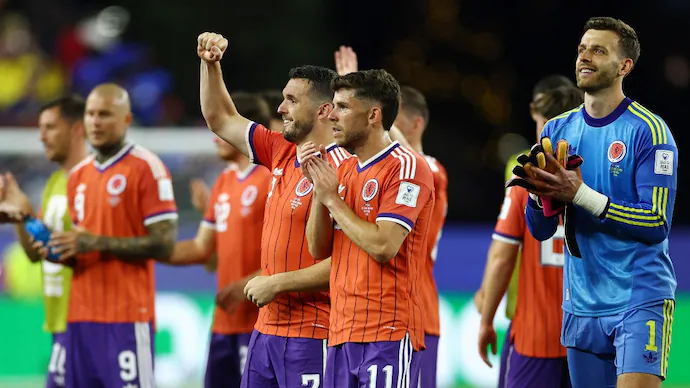
Scotland launched their 2026 World Cup campaign in spectacular fashion on Saturday evening, delivering a gritty and unforgettable performance that has captivated football fans worldwide. Playing at the Gillette Stadium in Foxborough, Massachusetts, Steve Clarke’s men showed immense resolve to secure a historic 1-0 victory over Haiti, sending a powerful statement to the rest of the teams in Group C.
Scotland’s Historic Return to the World Stage
Scotland’s presence in North America for the 2026 FIFA World Cup represents a monumental milestone for the country’s footballing heritage. Prior to this tournament, the national team had not qualified for a World Cup finals since France 1998, a painful 28-year drought that had left generations of passionate Scottish supporters yearning for a return to the grandest stage of all. The road to qualification was long and arduous, but Steve Clarke successfully molded a squad characterized by technical skill, tactical flexibility, and an unbreakable team spirit.
The anticipation leading up to the opening match against Haiti was palpable. Thousands of members of the Tartan Army made the transatlantic journey, transforming the streets of Boston and the surrounding areas of Foxborough into a vibrant carnival of blue, white, and pink. For the players, walking out onto the pitch at Gillette Stadium and hearing ‘Flower of Scotland’ belted out by tens of thousands of emotional supporters was an unforgettable experience. This match was not just about competing; it was about proving that Scotland belongs among the global elite.
Decisive Blow: McGinn’s Deflected Strike
The decisive moment of this highly anticipated Group C clash arrived in the 28th minute, a sequence of play that combined tactical awareness, sheer determination, and a vital stroke of luck. The build-up began deep within the Scottish defensive half, where a precise, lofted long ball was played forward targeting striker Che Adams. Adams used his physical presence to shield the ball from the tight marking of the Haitian central defenders, expertly bringing it down before laying it off.
The ball found Ben Doak on the right, who drove forward and whipped a low, dangerous cross towards the near post. While the Haitian defense managed to get a touch on the ball to prevent a direct shot, their clearance fell into a pocket of space on the edge of the 18-yard box. John McGinn, anticipating the second ball perfectly, surged forward and unleashed a powerful, first-time strike from 13 yards out. The shot took a deflection off an opposing defender, completely wrong-footing the Haitian goalkeeper Johny Placide and settling into the back of the net to spark absolute pandemonium in the stands.
Ending 36 Years of Pain: A History-Making Victory
Scotland has endured decades of international tournament heartbreak, making this 1-0 victory incredibly significant for the nation’s psychological state. Remarkably, Scotland’s last victory in a World Cup finals match occurred on June 16, 1990, during the Italia ’90 tournament, when they defeated Sweden 2-1 in Genoa. For thirty-six long years, Scottish football has been defined by honorable defeats, agonizing near-misses, and early exits, creating a persistent narrative of underachievement on the world stage.
By securing all three points against a dangerous and athletic Haiti side, the current squad has successfully shattered those historical ghosts. This victory is a testament to the cultural shift implemented by manager Steve Clarke since taking the reins of the national team. Rather than crumbling under the immense weight of expectation, this squad showed the maturity and composure required to manage a narrow lead in the high-stakes environment of a World Cup opener, signaling a new era of confidence for Scottish football.
Tactical Masterclass: How Steve Clarke Clinched the Points
Steve Clarke’s tactical setup was executed with precision, showcasing why he is regarded as one of the most astute managers in Scotland’s modern history. Deploying a structured 5-4-1 defensive shape that seamlessly transitioned into an attacking 3-4-2-1, Clarke aimed to suffocate Haiti’s dangerous counter-attacking outlets while using the width of the pitch to stretch their defense. Captain Andy Robertson was outstanding on the left flank, providing both defensive cover and a constant threat going forward, while Billy Gilmour and Scott McTominay controlled the tempo of the midfield.
McTominay was particularly influential, acting as a box-to-box engine and nearly doubling Scotland’s lead in the 17th minute when he broke free from his marker to unleash a ferocious strike that rattled the crossbar. Defensively, the backline of Grant Hanley, Ryan Porteous, and John Souttar stood tall against Haiti’s physical forwards, maintaining impeccable positional discipline. When Haiti pressed aggressively in the second half, Clarke’s timely tactical substitutions, including introducing Lewis Ferguson, provided the necessary stamina to preserve the clean sheet.
Haitian Resilience: Les Grenadiers Prove Their Worth
Haiti, despite leaving Gillette Stadium empty-handed, earned the respect and admiration of neutral observers with a magnificent, high-intensity performance. Making their first World Cup appearance since 1974, ‘Les Grenadiers’ demonstrated that they possess the technical quality and athletic profile to compete with the very best. Led by creative midfielder Jean-Ricner Bellegarde of Wolverhampton Wanderers and forward Wilson Isidor of Sunderland, Haiti caused numerous nervous moments for the Scottish backline with their rapid transitions and physical style of play.
In the second half, Haiti dominated long stretches of play, taking advantage of the rising summer temperatures in Massachusetts. Their best chance to equalize came in the 74th minute, when Ruben Providence executed a dazzling run down the wing and delivered a dangerous cross that just eluded the sliding Isidor at the far post. In the 84th minute, Melrose-born striker Frantzdy Pierrot rose majestically to meet a cross from the right, but his powerful header flashed agonizingly wide of Angus Gunn’s left post. Haiti’s performance proved that they are a force to be reckoned with in Group C.
Statistical Breakdown of the Group C Clash
To fully appreciate the narrative of this closely contested duel, a review of the key performance metrics is essential. The statistical breakdown below illustrates the intense battle that transpired on the pitch at Gillette Stadium, highlighting Haiti’s late-game surge and Scotland’s defensive efficiency.
| Statistic | Scotland | Haiti |
|---|---|---|
| Goals | 1 | 0 |
| Total Shots | 9 | 12 |
| Shots on Target | 4 | 3 |
| Ball Possession | 50% | 50% |
| Corner Kicks | 5 | 4 |
| Fouls Committed | 11 | 14 |
| Yellow Cards | 2 | 3 |
| Goalkeeper Saves | 3 | 3 |
The statistics reveal a highly balanced and competitive encounter. While Scotland controlled the early tempo and registered higher passing accuracy, Haiti’s directness and physical power allowed them to register more total shots (12 to 9) over the course of the 90 minutes. The even split in ball possession (50% to 50%) underscores the competitive nature of the match, proving that Scotland had to fight tooth and nail to secure their victory.
Group C Standings: Scotland sit Proudly at the Peak
Scotland find themselves in an enviable and historic position at the top of the Group C standings following the conclusion of the opening round of fixtures. Earlier on Saturday, the group’s heavy favorites, Brazil and Morocco, played out a thrilling and physically demanding 1-1 draw. Morocco took an early lead with an exceptional tactical display, only for Brazil to salvage a point courtesy of a sensational individual goal from Vinicius Jr. This draw was the ideal outcome for Scotland, allowing them to seize sole possession of first place.
| Position | Team | Played | Goal Difference | Points |
|---|---|---|---|---|
| 1 | Scotland | 1 | +1 | 3 |
| 2 | Brazil | 1 | 0 | 1 |
| 3 | Morocco | 1 | 0 | 1 |
| 4 | Haiti | 1 | -1 | 0 |
Under the expanded 48-team tournament format, the top two teams from each group, along with the four best third-placed teams across all groups, will advance to the round of 32. By securing three points on matchday one, Scotland has taken a massive step toward achieving their ultimate goal of progressing past the group stage for the first time in history. However, with tough fixtures against Morocco and Brazil on the horizon, Steve Clarke and his players remain fully focused on the task ahead.
Voices From the Camp: Emotional Reactions From the Team
The post-match press conference at Gillette Stadium was filled with emotional tributes and reflections on the historic achievement. Captain Andy Robertson spoke passionately about what the victory meant to the players and the country. ‘The lads achieved their dreams today,’ Robertson stated. ‘Just walking out on to the pitch, looking at the sea of Scottish jerseys, and singing the national anthem together was incredibly emotional. To follow that up with three massive points is just the cherry on top. We knew there was pressure on us to deliver, but our defensive resilience tonight was outstanding.’
Midfielder Lewis Ferguson, who played a key role in stabilizing the midfield in the second half, also expressed his relief and joy. ‘The scenes at the end of the match with the fans were absolutely special,’ Ferguson commented. ‘We knew how long everyone has waited for this moment. There was pressure, but we believed in our game plan and in each other. Now we have to recover quickly and prepare for another massive battle against Morocco on Friday.’
Boston Fan Fest: The Great Tartan Army Takeover
The city of Boston and the town of Foxborough experienced a cultural phenomenon as the Tartan Army made their presence felt in spectacular fashion. From the historic streets of the Freedom Trail to the bustling fan festivals at South Station, local residents were treated to the sights and sounds of Scottish bagpipes, kilts, and spirited chants. Local hospitality venues reported record-breaking turnouts, with many bars completely sold out of traditional beers and spirits hours before kickoff.
Despite the high cost of matchday travel and accommodation, the loyalty of the Scottish supporters was rewarded with an atmosphere that felt like a home game at Hampden Park. The mutual respect between the traveling Scottish fans and the vibrant local Haitian-American community added a wonderful, celebratory dimension to the tournament. This match will be remembered not only for the action on the pitch but also for the incredible bridge of friendship built between the two sets of supporters in the heart of New England.
The Road Ahead: High-Stakes Battles in Group C
The tournament now shifts to a critical juncture as the teams prepare for the second round of group stage matches on Friday, June 19, 2026. Scotland will remain in Foxborough to prepare for their high-stakes encounter against Morocco at Gillette Stadium. This match will test Steve Clarke’s tactical defensive organization against one of the most creative and fluid midfield units in world football. According to FIFA official coverage, the Atlas Lions represent a formidable challenge, and Scotland will need to elevate their performance to secure a positive result.
Simultaneously, Haiti will travel to Lincoln Financial Field in Philadelphia to face a highly motivated and hungry Brazilian side. After dropping points in their opener, Brazil will be desperate to secure a convincing victory, meaning Haiti’s defense will face the ultimate test against world-class attacking talent. However, if the Haitian squad can channel the fearlessness and physical dominance they displayed during the second half against Scotland, they could easily cause massive complications for the five-time world champions in what promises to be an enthralling set of fixtures.