Shooting at White House: Security Concerns Rise After Fatal Incident
Introduction
Shooting at the White House on Saturday led to the death of a 21-year-old man who opened fire on U.S. Secret Service agents at a security checkpoint. The incident, which also resulted in a bystander being injured, has amplified concerns regarding the security protocols surrounding the White House and the safety of government officials. This event occurred less than a month after a separate security breach at the White House Correspondents’ Association dinner, where President Trump and members of his Cabinet were present, further highlighting the vulnerabilities in the current security apparatus. The latest shooting has prompted immediate reviews and discussions about bolstering security measures to prevent future incidents. The Secret Service is under increased scrutiny to ensure the safety and integrity of the White House complex. The incident also reignited debates about funding for additional security enhancements requested by the President.
Details of the White House Shooting
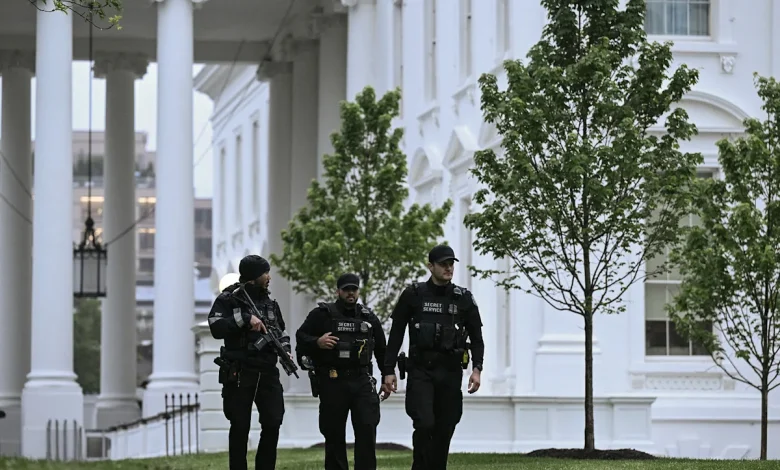
The Shooting unfolded when the 21-year-old man approached a White House security checkpoint and began firing at Secret Service agents. Agents returned fire, fatally wounding the suspect. A bystander was also injured during the exchange. Initial reports indicate the suspect had a history of interactions with the Secret Service, including prior arrests and documented instances of attempting to breach White House security. According to court filings from a July 10 incident, the man had previously been observed walking around the White House complex, questioning how to gain access. The Secret Service has not yet released specific details regarding the type of weapon used or the number of shots fired. The area around the White House was immediately placed on lockdown following the incident, and investigations are ongoing to determine the full scope of the event and any potential motives.
Past Security Breaches and Concerns
The recent Shooting is not an isolated event; it follows a series of security breaches that have raised significant concerns about the safety of the White House and its occupants. Less than a month prior, an individual opened fire outside the ballroom where President Trump, his Cabinet, and numerous government officials were attending the White House Correspondents’ Association dinner. This earlier incident underscored existing vulnerabilities and prompted calls for enhanced security measures. Other notable security breaches in recent years include instances of individuals scaling the White House fence, unauthorized vehicles gaining access to restricted areas, and attempted intrusions into the executive mansion itself. These incidents have collectively highlighted the challenges faced by the Secret Service in maintaining a secure perimeter and protecting against potential threats. The frequency of these breaches has led to increased scrutiny and demands for more robust security protocols. For instance, cybersecurity threats are also a rising concern, requiring constant vigilance and upgrades to protect sensitive information. The ongoing debate includes discussions about technological upgrades, personnel training, and infrastructure improvements to address these evolving threats. Recent reports also suggest that budgetary constraints have impacted the Secret Service’s ability to maintain optimal security levels, further exacerbating the problem. Securing the White House requires a multi-layered approach that combines physical barriers, advanced technology, and highly trained personnel to effectively mitigate risks. The https://globaleprism.com/agent-survives-whcd-shooting-secret-service-vest-succeeds/ event underscores the dangers faced by Secret Service agents.
Trump’s Reaction and Call for Enhanced Security
In response to the Shooting, President Trump took to his Truth Social platform to express his views and reiterate his call for enhanced security measures at the White House. He described the incident as another indication of the need for a “safe and secure space,” referencing the ballroom project for which he has been seeking additional funding. Trump’s emphasis on the ballroom project suggests his belief that creating secure, controlled environments within the White House complex is crucial for protecting high-ranking officials and guests. His statements reflect a broader concern about the safety of government personnel and the need for proactive measures to mitigate potential threats. The President has consistently advocated for increased security spending and has often highlighted the importance of providing the Secret Service with the resources necessary to maintain a secure environment. His remarks also underscore the ongoing political debate about security funding and the allocation of resources to protect government assets and personnel. The President’s focus on this issue is likely to intensify as investigations into the recent security breaches continue and as discussions about long-term security measures move forward.
Secret Service Protocols and Challenges
The U.S. Secret Service is tasked with the critical responsibility of protecting the President, Vice President, their families, and other designated individuals, as well as securing the White House and other government facilities. The agency employs a range of security protocols, including physical barriers, surveillance technology, and highly trained personnel, to maintain a secure environment. However, the Secret Service faces numerous challenges in fulfilling its mission, including evolving threats, budgetary constraints, and the need to balance security with public access. One of the primary challenges is adapting to new and emerging threats, such as cyberattacks, drone intrusions, and sophisticated methods of physical assault. The agency must continuously update its technology and training to stay ahead of potential adversaries. Budgetary constraints can also limit the Secret Service’s ability to implement the latest security measures and maintain adequate staffing levels. Furthermore, the need to balance security with public access presents a unique challenge, as the White House is both a government building and a symbol of democracy. Maintaining a secure perimeter while allowing for public tours and demonstrations requires careful planning and execution. The https://globaleprism.com/agency-releases-report-on-bufords-bar-shooting-iran-war-link/ highlights the complexities law enforcement faces. Addressing these challenges requires ongoing investment in technology, training, and personnel, as well as a commitment to adapting security protocols to meet evolving threats.
Motive and Investigation Details
As of the latest reports, officials have not released specific details regarding a possible motive for the Shooting at the White House. The investigation is ongoing, and authorities are examining the suspect’s background, mental health history, and any potential connections to extremist groups or ideologies. The fact that the man was previously known to the Secret Service for attempting to gain access to the White House complex suggests a possible fixation or intent to breach security. Investigators are likely exploring all possible angles to determine the underlying cause of the attack. This includes reviewing the suspect’s online activity, social media posts, and communications to identify any potential indicators of his motives. Law enforcement agencies are also collaborating with intelligence services to assess whether the incident was part of a larger plot or connected to any known terrorist organizations. Understanding the motive behind the Shooting is crucial for developing effective strategies to prevent similar incidents in the future. The investigation will likely involve extensive interviews with witnesses, family members, and associates of the suspect, as well as a thorough analysis of forensic evidence from the scene.
Public Safety and Security Implications
The Shooting at the White House has significant implications for public safety and security, raising concerns about the vulnerability of government buildings and the potential for future attacks. The incident underscores the need for heightened vigilance and enhanced security measures to protect against potential threats. It also highlights the importance of effective communication and coordination between law enforcement agencies, intelligence services, and other relevant organizations. Public perception of safety and security can be significantly impacted by such events, potentially leading to increased anxiety and fear. Reassuring the public and maintaining confidence in the government’s ability to protect its citizens is crucial in the aftermath of a security breach. This requires transparency in investigations, clear communication about security measures, and a commitment to addressing underlying vulnerabilities. The incident may also prompt a re-evaluation of security protocols at other government buildings and public spaces to ensure adequate protection against potential threats. Public safety is a shared responsibility, requiring collaboration between government agencies, private sector organizations, and individual citizens to create a secure and resilient society. The https://globaleprism.com/sanctions-seven-militia-commanders-blacklisted-by-ofac/ shows how important it is to be proactive in stopping potential threats.
Historical Context of White House Security
The history of White House security is marked by continuous evolution in response to emerging threats and changing social and political landscapes. From its early days, the White House has been a target for various forms of protest, intrusion, and attack. Over the years, numerous security measures have been implemented, including the construction of physical barriers, the establishment of a dedicated security force, and the deployment of advanced surveillance technology. Significant events, such as the assassination attempts on presidents and the Oklahoma City bombing, have prompted major overhauls of security protocols. The Secret Service, established in 1865, initially focused on combating counterfeiting but later expanded its mission to include presidential protection. The agency has played a critical role in preventing numerous attacks and ensuring the safety of the President and other high-ranking officials. The historical context of White House security provides valuable lessons about the importance of vigilance, adaptation, and continuous improvement. It also underscores the need for a balanced approach that protects against potential threats while preserving public access and maintaining the symbolic significance of the White House as a symbol of democracy. Recent events, such as the Shooting, serve as reminders of the ongoing challenges and the need for sustained investment in security measures. The https://globaleprism.com/the-feds-treasury-buys-echoes-of-2008-risks-in-2026/ highlights how important it is to be prepared for any potential problems.
Expert Analysis on Security Measures
Security experts have offered various perspectives on the recent security breaches at the White House, emphasizing the need for a comprehensive and multi-layered approach to protecting the complex. Many experts argue that physical barriers, such as fences and checkpoints, are essential but not sufficient on their own. They advocate for the integration of advanced technology, including surveillance cameras, motion sensors, and facial recognition systems, to enhance threat detection and response capabilities. Additionally, experts stress the importance of well-trained and highly vigilant security personnel who can effectively assess and respond to potential threats. Regular training exercises, simulations, and drills are crucial for ensuring that security personnel are prepared to handle a wide range of scenarios. Cybersecurity is another critical area of focus, as the White House is a prime target for cyberattacks aimed at stealing sensitive information or disrupting government operations. Experts recommend implementing robust cybersecurity protocols, including firewalls, intrusion detection systems, and encryption technologies, to protect against cyber threats. Furthermore, effective communication and coordination between different security agencies and departments are essential for ensuring a cohesive and coordinated response to potential breaches. Expert analysis underscores the need for a holistic approach that addresses both physical and digital security vulnerabilities, as well as the importance of continuous improvement and adaptation to evolving threats.
Political Ramifications and Policy Changes
The Shooting at the White House is likely to have significant political ramifications, potentially leading to policy changes and increased scrutiny of government security measures. The incident may prompt calls for greater accountability from government officials and security agencies, as well as demands for more transparency in security protocols. The political debate surrounding security funding and resource allocation is likely to intensify, with some lawmakers advocating for increased spending and others calling for more efficient use of existing resources. The incident could also influence public opinion and shape the political discourse on issues related to national security, terrorism, and gun control. Political leaders may use the event to advance their agendas and promote specific policy proposals. For example, some may argue for stricter gun control laws, while others may call for increased surveillance and intelligence gathering. The Shooting could also impact the upcoming elections, with candidates using the issue to appeal to voters concerned about safety and security. The political ramifications of the incident are likely to be far-reaching and could have a lasting impact on government policies and public discourse.
Comparison of Recent Security Incidents
To better understand the scope and nature of the security challenges facing the White House, it is helpful to compare the recent Shooting with other security incidents that have occurred in recent years. The table below provides a summary of these incidents, highlighting key details such as the date, nature of the breach, response, and outcomes.
| Date | Incident | Description | Response | Outcome |
|---|---|---|---|---|
| May 2026 | White House Shooting | 21-year-old man opens fire at security checkpoint | Secret Service agents return fire, fatally wounding suspect | Suspect dead, bystander injured, increased security concerns |
| April 2026 | White House Correspondents’ Dinner Breach | Man opens fire outside ballroom where Trump and officials were present | Security intervenes | Heightened security awareness and review of protocols |
| 2025 | Fence scaling | Individual climbs over the White House fence | Apprehended by Secret Service | Increased fence height and enhanced surveillance |
| 2024 | Unauthorized Vehicle Access | Vehicle gains access to restricted area | Vehicle stopped, driver apprehended | Review of access control procedures |
This comparison reveals a pattern of recurring security breaches, ranging from attempted intrusions to acts of violence. The responses to these incidents have varied, but they consistently involve increased security measures and reviews of existing protocols. The recent Shooting underscores the need for more proactive and comprehensive security strategies to prevent future incidents.
Long-Term Security Measures and Funding
Addressing the security challenges facing the White House requires a long-term commitment to implementing comprehensive security measures and providing adequate funding for these initiatives. Long-term security measures should include a combination of physical barriers, advanced technology, and highly trained personnel. Physical barriers, such as fences, walls, and checkpoints, can deter and delay potential intruders. Advanced technology, including surveillance cameras, motion sensors, and facial recognition systems, can enhance threat detection and response capabilities. Well-trained and highly vigilant security personnel are essential for effectively assessing and responding to potential threats. In addition to these measures, it is crucial to address underlying vulnerabilities and improve coordination between different security agencies and departments. This requires a holistic approach that considers both physical and digital security threats, as well as the importance of continuous improvement and adaptation to evolving threats. Adequate funding is essential for implementing and maintaining these long-term security measures. The government must prioritize security spending and ensure that the Secret Service and other relevant agencies have the resources they need to protect the White House and its occupants. Long-term security measures are not a one-time fix but require ongoing investment and attention to ensure their effectiveness. The https://globaleprism.com/iran-nuclear-standoff-mossad-post-war-strategy-revealed/ demonstrates how crucial long-term strategic planning is for security.
Conclusion
The Shooting at the White House serves as a stark reminder of the ongoing security challenges facing the nation’s capital and the importance of maintaining a robust and vigilant security posture. The incident, coupled with other recent security breaches, underscores the need for a comprehensive and multi-layered approach to protecting the White House and its occupants. This includes a combination of physical barriers, advanced technology, well-trained personnel, and effective coordination between security agencies. Addressing the underlying vulnerabilities and adapting to evolving threats are also crucial for ensuring long-term security. The political ramifications of the Shooting are likely to be significant, potentially leading to policy changes and increased scrutiny of government security measures. The incident highlights the need for a balanced approach that protects against potential threats while preserving public access and maintaining the symbolic significance of the White House as a symbol of democracy. Ultimately, ensuring the safety and security of the White House is a shared responsibility that requires collaboration between government agencies, private sector organizations, and individual citizens.