Kyiv Under Massive Russian Attack: 10 Dead, 34 Injured
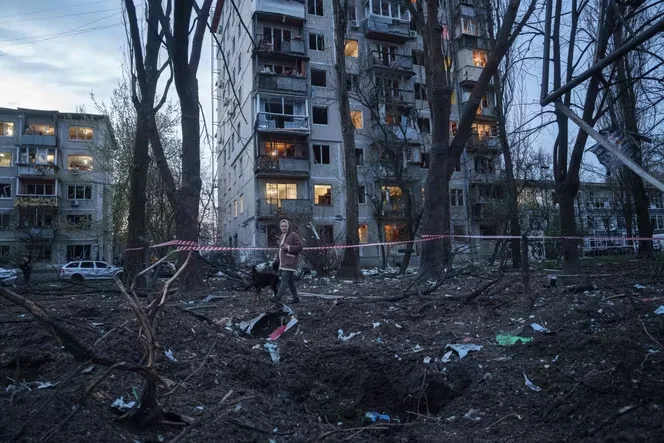
Table of Contents
Kyiv endured a night of unprecedented terror as Russia launched a large-scale attack on Ukraine’s capital overnight into Thursday, killing at least 10 people and injuring dozens in a relentless wave of strikes. The offensive, which combined ballistic missiles, cruise missiles, and strike drones, shook the capital for hours. As explosions reverberated across all ten districts, residents sought shelter in the city’s deep underground metro network. The overnight assault represents one of the most intense and coordinated aerial bombardments directed at the capital in recent months, destroying residential buildings, damaging vital civilian infrastructure, and striking fear into the heart of the civilian population.
According to Kyiv Mayor Vitali Klitschko and the Kyiv City Military Administration, the lethal strikes targeted at least 28 locations across the city, mainly damaging residential structures. Rescue workers scrambled through the night to pull survivors from the rubble of collapsed apartment blocks, extinguish raging fires, and provide medical aid to the injured. The scale of the damage underscores the persistent threat faced by Ukrainian cities despite the deployment of advanced Western-supplied air defense systems.
Kyiv Awakes to Devastation: An Overview of the Overnight Assault
The dawn of Thursday revealed scenes of severe destruction across the capital. Thick plumes of black smoke continued to rise from several high-rise residential buildings, while rescue vehicles lined the streets of affected neighborhoods. This large-scale, coordinated attack breached multiple sectors of Kyiv’s airspace, triggering air raid sirens that wailed continuously for several hours. This was not a localized or singular strike; it was a comprehensive effort designed to overwhelm the city’s defensive shields by attacking from multiple vectors simultaneously.
By sunrise, the true impact of the strikes became painfully visible. Debris from intercepted missiles and direct hits from un-intercepted projectiles lay scattered across public parks, residential courtyards, and busy thoroughfares. Witnesses described the continuous thud of air defense interceptions punctuated by much louder, earth-shaking blasts that signaled direct impacts. For the millions of residents who call Kyiv home, the night was a stark reminder of the escalating risks of the ongoing war, which has seen an intensification of aerial bombardments in recent weeks.
The Weaponry Deployed: Ballistic Missiles, Cruise Missiles, and Drones
Military analysts and local defense officials highlighted the complex tactical composition of the overnight raid. Russia utilized a highly sophisticated mix of precision weaponry, combining slow-moving Shahed-type loitering munitions with high-speed ballistic and cruise missiles. This multi-layered approach was deliberately sequenced: the initial wave of attack drones aimed to identify and exhaust localized air defense batteries, drawing their ammunition and exposing gaps in the defensive perimeter. Once these defensive parameters were engaged, high-speed ballistic and cruise missiles were fired to exploit any vulnerabilities.
These ballistic missiles, capable of reaching extreme speeds within minutes of launch, left virtually no reaction time for civilians. The speed and trajectory of ballistic projectiles make them exceptionally difficult to intercept, requiring state-of-the-art counter-missile batteries. Meanwhile, low-flying cruise missiles maneuvered through regional valleys and city outskirts to bypass radar detection. The deployment of such high-end military hardware against dense urban centers demonstrates a continuation of the strategy to target urban populations and critical municipal assets, seeking to erode civilian morale and strain domestic recovery services.
Casualties and Human Impact: Mayor Klitschko Confirms Toll
The human cost of this relentless bombardment is devastating. Kyiv Mayor Vitali Klitschko officially confirmed that at least 10 people were killed in the overnight strikes, with rescue teams still systematically searching through collapsed building structures. Additionally, at least 34 people suffered varying degrees of physical injury, with dozens requiring immediate hospitalization. Among the wounded were children who were asleep when the missiles struck, adding to the profound tragedy of the night.
Emergency medical personnel worked under extremely hazardous conditions, facing the constant threat of secondary strikes as they treated victims. Mayor Klitschko noted that of those injured, several remain in critical condition, meaning the death toll could unfortunately rise as hospital teams fight to save lives. Beyond the physical casualties, the psychological trauma inflicted upon the populace is immense. Thousands of families have had their homes damaged or entirely destroyed, leaving them displaced and forced to seek emergency shelter in municipal facilities.
Districts Under Fire: Detailed Analysis of the 28 Strike Locations
Damage was officially recorded in 28 locations scattered across the city, affecting nearly all of Kyiv’s 10 major administrative districts. This widespread distribution indicates that the attack was designed to saturate the city’s emergency response networks, making it difficult for fire engines and search-and-rescue teams to concentrate their resources. The damage was concentrated in heavily populated residential areas and civilian infrastructure, contrasting sharply with claims of targeting strictly military installations.
Municipal workers faced a logistical nightmare as calls for assistance poured in from both sides of the Dnipro River. The sheer geographic spread of the falling debris and direct missile impacts meant that emergency services had to be heavily decentralized. While some units focused on extinguishing structural fires, others focused on clearing heavy concrete rubble to reach trapped civilians, while utility crews rushed to secure broken gas lines and severed electrical cables to prevent further hazardous incidents.
Emergency Operations in Shevchenkivskyi and Desnianskyi
In the historic Shevchenkivskyi district, a critical medical facility suffered extensive structural damage, highlighting the danger posed to essential services. Five people, including dedicated medical workers and a paramedic, were injured in this district alone. The paramedic was reported to be in extremely critical condition, highlighting the immense dangers faced by first responders. Nearby, a local market caught fire after hot metal debris rained down, destroying small businesses and civilian property.
Meanwhile, the Desnianskyi district witnessed one of the night’s most harrowing rescues. A direct strike or heavy debris impact on a nine-story residential building trapped multiple families inside their apartments. Rescuers had to use specialized heavy machinery and extendable ladders to reach the upper floors of the damaged high-rise, working frantically against time to extract terrified residents from the smoke-filled, structurally compromised building before parts of it collapsed further.
Fires and Destruction in Holosiivskyi and Sviatoshynskyi
Further south, in the Holosiivskyi district, a massive fire erupted on the roof of a 16-story residential building. The blaze, ignited by falling rocket boosters or drone debris, quickly spread across the upper floors, forcing hundreds of residents to evacuate in panic into the dark, cold night. Firefighters battled the high-altitude blaze for several hours, attempting to contain the fire before it consumed the lower residential levels.
In the Sviatoshynskyi district, the damage was characterized by severe fires in private residential estates. Two homes were completely engulfed in flames, while surrounding properties suffered broken windows, blown-out doors, and structural cracking from the powerful shockwaves of the explosions. The destruction in these quieter, suburban districts illustrates that no corner of the capital was safe from the indiscriminate nature of the aerial assault.
Metro Stations as Sanctuaries: The Civilian Rush for Shelter
As the first air raid sirens sounded across the capital, following urgent warnings from President Volodymyr Zelenskyy and national air defense authorities, thousands of residents grabbed emergency bags and fled to the nearest underground metro stations. Kyiv’s metro system, built deep beneath the earth during the Cold War era, once again served its dual purpose as a massive civil bomb shelter. Parents carrying sleeping toddlers, elderly citizens clutching basic medical supplies, and residents holding their beloved pets crowded onto the concrete platforms and staircases.
For hours, these underground tunnels became temporary sanctuaries where communities huddled together, listening to the muffled thuds of explosions vibrating through the thick concrete walls above. Despite the fear and exhaustion, a sense of quiet solidarity prevailed. People shared blankets, water, and comforting words, waiting for the all-clear signal. This collective reliance on subterranean shelters has become a tragic norm of daily life in Kyiv, emphasizing the resilience of the local population but also highlighting the severe disruption of basic human security.
Zelenskyy’s Intelligence Warnings and the Strategic Context of the Strike
This massive aerial bombardment did not occur without warning. Just hours before the first drones entered Kyiv’s airspace, Ukrainian President Volodymyr Zelenskyy had issued a solemn public address warning that military intelligence had detected significant preparations for an imminent, large-scale Russian strike. This strategic foresight allowed air defense crews to maintain a high state of readiness, likely preventing an even higher casualty count by ensuring that interceptor batteries were fully prepared to engage incoming threats.
The timing of the strike is strategically significant, occurring amidst an intense period of geopolitical maneuvering and continued battles along the frontline. Russia has systematically intensified its aerial campaigns against major Ukrainian urban centers in a bid to disrupt logistical hubs, degrade domestic energy grids, and apply psychological pressure on the civilian population. This escalation also coincides with Ukraine’s own successful, long-range defensive strikes against military sites, fuel depots, and supply lines deep within Russian territory, which have disrupted the occupying force’s frontline logistics.
Geopolitical Repercussions and Ukraine’s Renewed Call for Air Defenses
The devastating attack has sparked immediate diplomatic reactions and a renewed sense of urgency among Ukraine’s international partners. Foreign Minister Andrii Sybiha spoke out strongly against the assault, describing it as a “night of horror” and demanding that Western allies stop delaying crucial decisions regarding the transfer of advanced air defense systems and interceptor missiles. Sybiha argued that the international community must provide the necessary shield to protect innocent lives from regular aerial bombardments.
Sybiha also strongly rejected any attempts by commentators or foreign officials to justify the strikes as mere retaliation for Ukraine’s strikes on Russian soil. He emphasized that Ukraine is exercising its inherent right to self-defense under Article 51 of the United Nations Charter, targeting legitimate military assets that facilitate the invasion. In contrast, the targeted bombardment of Kyiv’s residential districts represents a clear violation of international humanitarian law, underscoring the necessity for sustained, robust global support to bolster Ukraine’s defensive capabilities.
Summary of Damages: A Detailed Overview of the Kyiv Attack
The multi-vector overnight attack on Thursday was exceptionally broad in scope, affecting 28 locations and severely straining the city’s municipal services. The systematic nature of the strike suggests a deliberate attempt to degrade civilian endurance. To understand the full scale of the devastation across the various districts of Ukraine’s capital, we have compiled a structured summary of the primary locations hit and the resulting impact on local communities.
| District / Location | Reported Damage & Incidents | Impact on Civilians & Infrastructure |
|---|---|---|
| Shevchenkivskyi District | Partial destruction of a medical facility, damaged hotel, and market fires. | Five medical workers injured; paramedic in critical condition. |
| Desnianskyi District | Direct strike on a nine-story residential building. | Residents trapped under rubble; intensive rescue operations conducted. |
| Holosiivskyi District | Rooftop fire on a 16-story apartment high-rise. | Extensive structural damage; immediate evacuations. |
| Sviatoshynskyi District | Fires in two private residential properties. | Debris entrapment and severe property loss. |
| Other Capital Sectors | Widespread debris fall across remaining districts. | Disruption of local power grids and municipal water services. |
As municipal services and emergency crews continue to clean up the debris and secure unstable structures, the resilience of the capital remains tested but unbroken. For a comprehensive overview of the geopolitical situation and the broader strategic picture of the conflict, readers can consult The Guardian, which provides continuous, up-to-date reporting on the unfolding humanitarian crisis and global defense responses.