Wonka’s The Golden Ticket 2026: Netflix’s AI Gene Wilder Revival
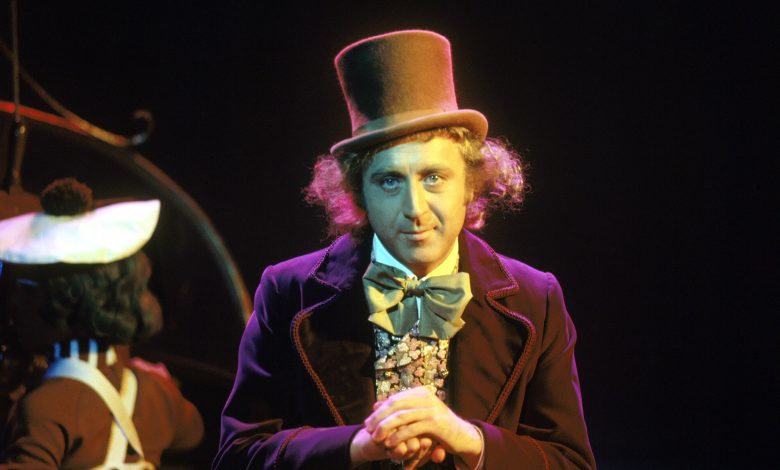
Table of Contents
Wonka’s The Golden Ticket, Netflix’s newly announced unscripted reality series, is set to transport viewers back to a world of pure imagination, but it arrives with a technological twist that is already sparking intense discussion across the entertainment industry. Unveiled on Tuesday, June 30, 2026—a date deliberately timed to coincide with the 55th anniversary of the legendary 1971 film Willy Wonka & the Chocolate Factory—the show’s first official teaser trailer showcases a highly sophisticated digital recreation of the voice of the late Gene Wilder. Wilder, who passed away in 2016 at the age of 83, famously embodied the eccentric, whimsical, and occasionally mercurial candy maker in the beloved cinematic adaptation of Roald Dahl’s classic children’s novel. Now, through the capabilities of cutting-edge artificial intelligence, his voice will once again guide a new generation of hopefuls through the whimsical hazards of the Chocolate Factory.
Scheduled to premiere on Netflix on Wednesday, September 23, 2026, the nine-part competition series is designed as a high-stakes social experiment. It will challenge a group of everyday participants physically, mentally, and morally. However, while the physical scope of the production is undeniably spectacular, it is the voice acting of the late Hollywood icon that has placed this show at the center of a raging cultural debate about digital legacy, posthumous performance rights, and the rapid encroachment of artificial intelligence in mainstream television.
Wonka’s The Golden Ticket: Netflix’s Whimsical New Reality Show
The announcement of Wonka’s The Golden Ticket marks a bold creative step for Netflix, which has increasingly sought to turn its acquired intellectual properties into massive unscripted events. Following the template established by past reality hits, this series takes a fictional universe known for its high stakes and translation of moral character and turns it into a physical reality. According to the streaming giant, the production is an immersive recreation of the classic 1971 film’s aesthetic.
As the teaser trailer opens, viewers are immediately greeted by the warm, instantly recognizable, and slightly mischievous cadence of Gene Wilder’s Willy Wonka. “For the first time in decades, I’m opening my beloved chocolate factory,” the AI-generated voice declares, immediately establishing the narrative conceit of the series. The trailer continues to show glimpses of lush, surreal candy landscapes, winding chocolate rivers, and complex puzzle rooms. Wilder’s voiceover concludes with a dramatic promise: “A whole new generation of real-life Golden Ticket holders will compete for a life-changing prize or say a most unfortunate goodbye. Marvel at the magic you remember and delight in my newest wonders beyond imagination. The most extraordinary competition on Earth is about to begin.”
Recreating a Legend: The AI Voice of Gene Wilder
Reclaiming the exact vocal qualities of a deceased performer is an exceptionally complex task, both technically and emotionally. Gene Wilder’s portrayal of Willy Wonka was defined by its incredible range—shifting effortlessly from soft-spoken, poetic wonder to manic energy and dry, biting sarcasm. Capturing this specific theatrical signature required Netflix to seek out a specialized technological partner capable of handling the nuances of Wilder’s original performance.
Technical Execution with ElevenLabs
To bring this vocal performance to life, Netflix partnered with the prominent AI voice-cloning firm ElevenLabs. ElevenLabs has emerged as an industry leader in high-fidelity audio synthesis, utilizing advanced deep learning models to analyze historical audio recordings and map the specific acoustic patterns, breathing intervals, pitch variations, and emotional inflections of a speaker.
For Wonka’s The Golden Ticket, the AI was trained on extensive archival audio of Wilder, allowing the software to synthesize entirely new dialogue while attempting to preserve the distinctive warmth and theatricality of his delivery. While some early listeners of the trailer have pointed out the slight, uncanny perfection that often accompanies synthesized speech, others have expressed amazement at how closely the digital recreation mirrors the late actor’s actual cadence. The synthesized voice is not merely a promotional gimmick for the trailer; it will serve as the overarching narrator and guide throughout the entire nine-episode run, directly addressing the contestants as they attempt to conquer the factory.
Ethical Approvals and the Gene Wilder Estate
Because the use of artificial intelligence to replicate deceased celebrities has faced widespread ethical pushback, Netflix and ElevenLabs took extensive steps to secure the full cooperation and formal endorsement of the Gene Wilder Estate. The production was completed with the active involvement and permission of Karen B. Wilder, the late actor’s widow.
In a public statement released alongside the trailer on Tuesday, Karen B. Wilder defended the creative decision, framing the AI recreation as a loving tribute rather than a corporate exploitation. “More than five decades after Gene brought Willy Wonka to life, people of all ages and backgrounds around the world continue to find joy, laughter and inspiration in his performance,” she stated. “Gene had a remarkable ability to bring humor, wonder and heart into people’s lives, and that connection has endured for generations. We are delighted that Wonka’s The Golden Ticket celebrates the warmth and imagination that he brought to the role, introducing that magic to a new generation while honoring the fans who have cherished it for decades”. This explicit support has helped shield the project from some of the immediate legal and union backlashes that have targeted other, non-consensual AI projects in recent years.
Inside the Chocolate Factory: Competition Format and Mechanics
Beyond the technological marvel of its narration, Wonka’s The Golden Ticket is designed as an intense, character-driven unscripted competition. The show’s premise stays remarkably true to the core themes of Roald Dahl’s original book and the 1971 movie adaptation, which were fundamentally about testing the moral fiber of children when confronted with overwhelming temptation and magical environments.
Designing the Surreal World of Willy Wonka
Rather than sending children into the factory, Netflix has cast 12 adult contestants, each accompanied by a partner or guest of their choosing, creating 12 distinct pairs who must work together. These players are placed inside massive, intricately designed physical sets that recreate the iconic rooms of the 1971 film, complete with the famous pastel colors, surreal architecture, and whimsical props.
The pairs will face a variety of physical, intellectual, and psychological challenges that test not only their stamina and strategic minds but also their ethical boundaries. Just as Augustus Gloop, Violet Beauregarde, Veruca Salt, and Mike Teavee were systematically eliminated due to their personal vices—greed, pride, selfishness, and obsession—the contestants in this modern show will face carefully constructed “temptations”. They must choose whether to collaborate, betray their fellow players, or succumb to shortcuts that could lead to their immediate disqualification. The ultimate survivor of this grueling gauntlet will walk away with a life-changing grand prize.
Reliving the Magic: Key Cast and Returns
In addition to utilizing Gene Wilder’s AI-recreated voice, Netflix has made direct efforts to anchor the show in the physical legacy of the original 1971 theatrical production. To achieve this, the streaming service has brought back actor Rusty Goffe, who played one of the original, beloved Oompa Loompas in the 1971 movie.
Goffe will reprise his role on the series, representing a living bridge across the 55-year history of the franchise. His involvement, alongside a troupe of Oompa Loompas, provides an extra layer of structural continuity. They will be present to witness the contestants’ successes and failures, potentially participating in the physical challenges and serving as the theatrical moral compass of the factory, just as they did in the classic film. This blend of historic physical casting and state-of-the-art AI technology represents Netflix’s dual approach of honoring cinematic history while aggressively embracing the future of entertainment production.
The Expanding Roald Dahl and Netflix Ecosystem
This reality series is a highly strategic piece of a much larger corporate puzzle. In September 2021, Netflix acquired the Roald Dahl Story Company in a landmark deal valued at over $680 million. The acquisition gave the streaming giant complete control over the legendary author’s catalog, including classics like Matilda, The BFG, The Witches, and, of course, Charlie and the Chocolate Factory.
Netflix’s plan has always been to build a vast, interconnected universe of animated features, live-action films, theatrical productions, and unscripted television shows based on Dahl’s books. Wonka’s The Golden Ticket represents their first major venture into the unscripted space using this specific intellectual property. By restructuring a classic narrative into a modern game show, Netflix is seeking to replicate the massive, culture-defining success of Squid Game: The Challenge, which demonstrated that audiences have an immense appetite for stepping directly inside the high-stakes worlds of their favorite fictional dramas. To read a detailed breakdown of Netflix’s upcoming television schedules, you can visit TVLine, which has closely followed the platform’s unscripted division development.
Industry Reactions and the Ethics of AI in Media
Unsurprisingly, the decision to use AI to voice a deceased actor has reignited a fierce, polarized debate throughout the entertainment industry and creative communities. Posthumous voice synthesis has become one of the most controversial topics in Hollywood, raising profound questions about the nature of acting, the commodification of a person’s identity after death, and the future of human performers.
Critics of the decision have expressed concern that using digital replicas of deceased legends reduces the need to hire living voice actors or impersonators who could bring a fresh, human interpretation to the iconic role. Some feel that using computer code to simulate the voice of an actor who cannot actively consent to the specific script or project borders on “digital necromancy”. On the other hand, proponents argue that with full estate consent, financial compensation, and family oversight, these projects represent a beautiful way to keep a legendary performer’s artistic spirit alive for younger generations who did not grow up with the original films. ElevenLabs’ growing portfolio of estate agreements suggests that this trend is only going to accelerate, permanently altering how historical celebrity likenesses are managed in the digital age.
Summary of Show Details
The following table provides a comprehensive summary of the key elements, premiere details, and production aspects of Netflix’s highly anticipated new competition series:
| Production Aspect | Details and Specifications |
|---|---|
| Show Title | Wonka’s The Golden Ticket |
| Platform | Netflix |
| Premiere Date | Wednesday, September 23, 2026 (Episodes 1–7) |
| Finale Date | Wednesday, September 30, 2026 (Episodes 8–9) |
| Number of Contestants | 12 players (competing alongside a partner of choice) |
| AI Voice Re-creation | Gene Wilder (Synthesized via ElevenLabs) |
| Estate Approval | Fully endorsed by Karen B. Wilder and the Gene Wilder Estate |
| Special Guest Star | Rusty Goffe (reprising his 1971 role as an Oompa Loompa) |
| Primary Inspiration | 1971 film “Willy Wonka & the Chocolate Factory” & Roald Dahl’s novel |
| Production Design | Surreal physical sets based on the original 1971 movie aesthetic |
As the television landscape prepares for the arrival of Wonka’s The Golden Ticket on September 23, 2026, the series is guaranteed to draw massive viewership, fueled by both nostalgic curiosity and technological intrigue. Whether the AI-generated voice of Gene Wilder is received as a heartwarming homage or an eerie technological experiment remains to be seen, but one thing is certain: the doors to the Chocolate Factory are officially open once again, and the stakes have never been more real.