Blockade Impact: Iran’s Oil Sector Resilience Amidst US Pressure
Introduction
The imposition of a naval Blockade by the United States on Iran has been a significant point of contention in international relations, particularly concerning its impact on Iran’s oil sector. This action, initiated approximately a month prior to recent assessments, was intended to severely restrict Iran’s ability to export oil, thereby exerting economic pressure on the nation. The strategy aimed to force Iran back to the negotiating table and compel compliance with U.S. demands. However, the actual consequences have presented a complex picture, challenging initial predictions and revealing the resilience of Iran’s oil industry in the face of adversity.
Trump’s Predictions vs. Reality
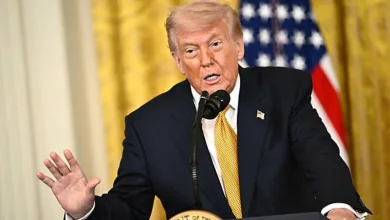
Former President Donald Trump had asserted that the naval blockade would trigger an immediate crisis in Iran’s oil sector, going so far as to suggest the country’s oil infrastructure could “explode” within a matter of days due to the inability to export oil. This prediction, however, did not materialize. While the blockade has undoubtedly created significant challenges for Iran, the oil sector has not collapsed. Instead, Iran has adapted, employing various strategies to mitigate the impact of the restrictions. The discrepancy between Trump’s forecast and the actual outcome highlights the complexities involved in predicting the effects of economic warfare and the capacity of targeted nations to find alternative solutions.
The Naval Blockade and Its Impact
The U.S. naval Blockade has primarily focused on preventing Iranian tankers from traversing the Strait of Hormuz, a critical chokepoint for global oil supplies. Dozens of Iranian tankers have been stalled off the coast, unable to proceed with their shipments. This has led to a significant reduction in Iran’s official oil exports, which are a crucial source of revenue for the country. The blockade’s impact extends beyond mere economic concerns, influencing geopolitical dynamics and regional stability. The disruption of oil flows has the potential to affect global oil prices and energy security, adding another layer of complexity to an already tense situation. France has deployed a warship amidst rising tensions in the Strait of Hormuz.
Iran’s Economic Strategies to Counter the Blockade
Faced with the U.S. naval Blockade, Iran has implemented several strategies to sustain its oil sector and economy. These include increasing domestic consumption of oil, storing crude oil in onshore facilities and tankers, and engaging in clandestine exports through methods such as ship-to-ship transfers and disguising the origin of the oil. Additionally, Iran has sought to strengthen economic ties with countries willing to circumvent the blockade, such as China and Russia. These measures are aimed at cushioning the blow from reduced exports and maintaining a degree of economic stability. The country’s resilience is also bolstered by its diversified economy, which includes significant non-oil sectors, although oil revenue remains a critical component of its financial health. There have been unprecedented Iran strike options.
Analysis of Iran’s Oil Infrastructure
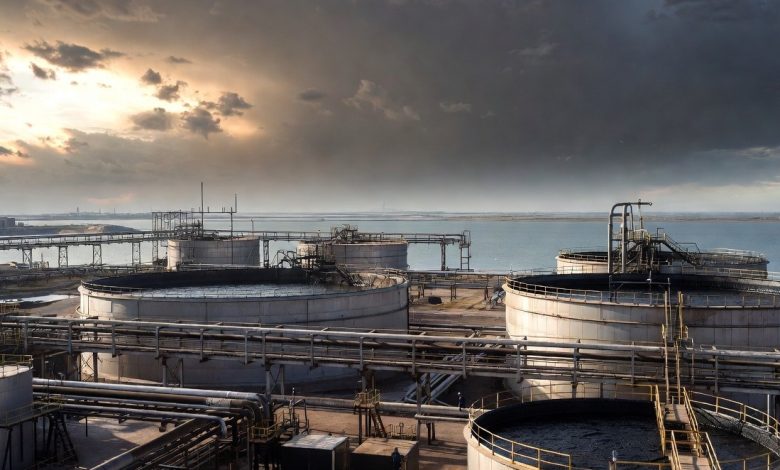
Iran’s oil infrastructure is extensive and complex, encompassing a network of oil wells, pipelines, refineries, and export terminals. Despite facing international sanctions and technological restrictions, Iran has managed to maintain and upgrade its oil facilities. The country’s technical expertise in oil production and refining has allowed it to adapt to challenging circumstances, minimizing disruptions caused by the blockade. Regular maintenance and strategic investments in infrastructure are vital for sustaining oil production and export capabilities. The Iranian government prioritizes the oil sector, recognizing its importance to the national economy and security.
Geopolitical Implications in the Strait of Hormuz
The Strait of Hormuz is one of the world’s most critical maritime chokepoints, serving as a crucial passage for oil tankers from the Middle East to global markets. The U.S. naval Blockade has heightened tensions in this strategic waterway, raising concerns about potential disruptions to oil supplies and the risk of military confrontations. The presence of multiple international naval forces in the region adds to the complexity, with various countries seeking to protect their maritime interests. Any escalation in the Strait of Hormuz could have far-reaching consequences for global energy security and international relations. France has already deployed a warship amidst rising tensions.
US Objectives and Iran’s Response
The primary objective of the U.S. naval Blockade is to compel Iran to renegotiate its nuclear program and modify its regional policies. By restricting Iran’s oil exports, the U.S. aims to exert maximum economic pressure, forcing Tehran to comply with its demands. However, Iran has consistently resisted U.S. pressure, asserting its right to pursue its own foreign policy objectives and develop its nuclear capabilities for peaceful purposes. Iran has also accused the UAE of an OPEC exit tied to war retaliation. The Iranian government views the blockade as an act of economic warfare and has vowed to counteract it through various means. This standoff has created a cycle of escalation, with each side taking measures to advance its interests, further complicating the prospects for a diplomatic resolution.
Alternative Export Routes and Strategies
Faced with the challenges posed by the blockade, Iran has explored alternative export routes and strategies to circumvent the restrictions on the Strait of Hormuz. These include utilizing pipelines to transport oil to neighboring countries, engaging in ship-to-ship transfers in international waters, and employing sophisticated methods to disguise the origin of its oil. These tactics are designed to maintain a flow of oil exports despite the U.S. naval presence. However, these alternative routes and strategies are often more costly and less efficient than traditional export methods, reducing Iran’s overall oil revenues. Furthermore, they carry a higher risk of detection and interception by U.S. forces.
Impact on Global Oil Markets
The U.S. naval Blockade on Iran has had a noticeable impact on global oil markets, contributing to price volatility and uncertainty. The reduction in Iranian oil exports has tightened global supply, leading to upward pressure on prices. However, the extent of the impact has been mitigated by increased production from other oil-producing countries, such as Saudi Arabia and the United States. Additionally, concerns about a potential global economic slowdown have dampened demand for oil, partially offsetting the supply constraints. The situation remains dynamic, with oil prices subject to fluctuations based on geopolitical developments and shifts in global supply and demand dynamics. There are also concerns about a surge in Hormuz oil hitting $110 as 2000 ships strand in Gulf.
Comparison of Blockade Scenarios
The following table provides a comparison of different blockade scenarios and their potential impacts on Iran’s oil sector and the global economy:
| Scenario | Impact on Iranian Oil Exports | Impact on Global Oil Prices | Geopolitical Consequences |
|---|---|---|---|
| Complete Blockade | Near-total halt of exports | Significant price increase | High risk of military confrontation |
| Partial Blockade | Reduced exports, but some flow continues | Moderate price increase | Increased tensions, but lower risk of conflict |
| Circumvention Strategies | Exports maintained through alternative routes | Minimal price impact | Increased clandestine activities, potential for escalation |
Long-Term Economic Consequences for Iran
The long-term economic consequences of the U.S. naval Blockade for Iran are substantial. Prolonged restrictions on oil exports can lead to a significant decline in government revenues, reduced economic growth, and increased unemployment. The inability to access foreign currency can also hinder Iran’s ability to import essential goods and services, leading to shortages and inflation. Over time, the blockade can erode Iran’s economic competitiveness and weaken its ability to invest in infrastructure and development projects. However, Iran’s diversified economy and resilient population may help it weather the storm, albeit with considerable economic hardship.
Potential for Negotiation and Conflict
The ongoing standoff between the U.S. and Iran carries the potential for both negotiation and conflict. While the U.S. aims to force Iran back to the negotiating table through economic pressure, Iran has shown no signs of yielding to U.S. demands. The risk of military escalation remains a concern, particularly in the Strait of Hormuz, where naval forces from both countries operate in close proximity. A miscalculation or accidental encounter could trigger a larger conflict, with potentially devastating consequences for the region and beyond. Diplomatic efforts to de-escalate tensions and find a peaceful resolution are crucial to preventing a catastrophic outcome.
The situation is further complicated by regional dynamics. For example, recent airstrikes between Israel and Lebanon, along with Hezbollah drone attacks near Habboush, illustrate the ever-present potential for broader conflict. The deployment of advanced weaponry, such as the Dark Eagle hypersonic missile, to the Middle East by CENTCOM also adds a layer of complexity and risk. The possibility of miscalculation or escalation remains a significant concern.
Furthermore, domestic political considerations in both countries play a role. In the U.S., there’s ongoing debate about the effectiveness and morality of economic sanctions and military posturing. Similarly, Iranian politics are influenced by hardliners and moderates, each with differing views on how to navigate the crisis. The internal dynamics can either hinder or facilitate diplomatic progress. There are also concerns about the US empty arsenal leaving Trump with zero options.
Conclusion
In conclusion, while the U.S. naval Blockade has posed significant challenges for Iran’s oil sector, the predicted immediate collapse has not occurred. Iran has demonstrated resilience and adaptability, implementing various strategies to mitigate the impact of the restrictions. The situation remains tense, with potential consequences for global oil markets and regional stability. The path forward depends on the willingness of both sides to engage in meaningful negotiations and de-escalate tensions, averting a potentially catastrophic conflict. The interplay of economic pressures, geopolitical dynamics, and domestic politics will ultimately determine the outcome of this ongoing standoff. The future of Iran’s oil sector and the stability of the region hang in the balance, underscoring the importance of diplomacy and conflict resolution. The US administration previously halted grants that were deemed unconstitutional.
Furthermore, the recent controversies surrounding data access within global health organizations add another layer of complexity, as the U.S. navigates its role in international collaborations. These factors, combined with the ever-present risks in the Strait of Hormuz, highlight the intricate web of challenges facing both Iran and the international community. The potential for both negotiation and conflict remains, necessitating careful diplomacy and a commitment to peaceful resolution. Understanding these dynamics is crucial for navigating the complexities of the region and safeguarding global stability. The blockade strategy extended by Trump demonstrates this standoff indefinitely.