Victoria’s Secret Fashion Show Returns to LA With Seasonal Runway Spectacular 2026
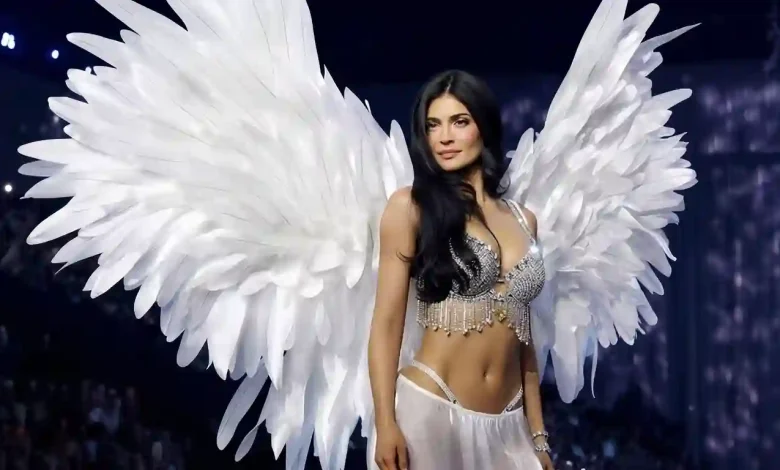
Table of Contents
Victoria’s Secret Fashion Show returned to Los Angeles with an electrifying celebration of the natural world, unveiling a dramatic reinvention built around the cyclical transition of the seasons. Drenched in vivid lights and accompanied by a pulsating live orchestral soundscape, the world’s most recognizable lingerie spectacle touched down in California to reassert its cultural footprint. Models swept down the runway donning the brand’s iconic angel wings, reimagined through avant-garde structural design, organic floral elements, intricate crystalline snowflake geometry, and radiant liquid-metallic fabrics. Executive creative director Adam Selman orchestrated an ambitious aesthetic narrative that moved beyond traditional catwalk boundaries, establishing a high-fashion fantasy tailored to contemporary sensibilities.
Victoria’s Secret Fashion Show Returns: The Grand Los Angeles Comeback
The decision to anchor this high-profile revival in Los Angeles marks an intentional shift in brand geography. Traditionally held in New York City or European fashion capitals like Paris and London, the relocation to the West Coast injected a distinct cinematic grandeur into the proceedings. The pink carpet outside the venue buzzed with global media, VIPs, and entertainment icons, setting the stage for an evening that blended old-school Hollywood glamor with cutting-edge runway production. Observers of the international fashion calendar noted that staging such a massive presentation in Southern California provided a visual palette unattainable within standard indoor convention spaces.
Selman’s creative leadership arrived at a pivotal turning point for the franchise. After years of hiatus, recalibration, and extensive rebranding efforts, the event needed to demonstrate that the visual ecstasy of dramatic staging could coexist harmoniously with modern perspectives on craftsmanship, diversity, and artistic storytelling. Attendees praised the balance achieved between classic showmanship and progressive sartorial direction, proving that brand theatricality remains one of the most potent promotional engines in commercial apparel.
Adam Selman’s Vision: Deconstructing The Five Seasons Concept
Central to the evening’s aesthetic success was an unconventional seasonal taxonomy conceived by Selman. Rather than adhering to the standard four quarters of nature, the presentation introduced five distinct narrative segments. Speaking on the pink carpet moments before the first model stepped out, Selman revealed the structural thinking behind the collection. “I actually did the four seasons, and then I added in a second Winter spot,” Selman explained, detailing how the final portion allowed the creative team to push icy, hyper-futuristic metallurgy into an ethereal domain.
This unconventional pacing allowed the runway to tell an unfolding story. Spring opened the presentation with fresh, architectural organic forms, followed by the sun-drenched radiance of Summer, the moody decadence of Autumn, the crisp purity of classic Winter, and an apocalyptic, hyper-stylized ‘Deep Winter’ finale. Such elaborate theme developments parallel structural innovations elsewhere across luxury markets, echoing the artistic bravery seen in Chanel S/S 2027 Matthieu collections where historical references merge with forward-thinking design philosophies.
Couture Craftsmanship: Petals, Snowflakes, and Gleaming Metallics
The materials employed throughout the show represented hundreds of hours of painstaking artisanal labor. The Spring act featured delicate sheer corsetry accented with hand-dyed silk organza petals that gave the impression of live botanicals blooming across the models’ silhouettes. Moving into Summer, the color palette shifted toward saturated citrons, sunset corals, and gossamer drapery that fluttered dramatically under stage updrafts.
As Autumn took over the catwalk, the mood transformed dramatically. Rich velvet textures, deep burgundy tones, and burnished copper filigree defined the pieces, illustrating how high-street brands are absorbing techniques normally reserved for private couture salons. The tension between accessibility and exclusivity mirrors broader shifts across apparel, a dynamic recently analyzed amid challenges where luxury brands suffer due to changing consumer spending habits. The final two segments pushed visual extremes: Winter utilized hand-blown glass beads and micro-cut reflective film to emulate freshly formed frost, while the second Winter installment culminated in sculptural metal bustiers polished to a mirror finish.
Engineering The Iconic Angel Wings for a New Era
No presentation from the brand could command global headlines without the appearance of its signature angel wings. For this Los Angeles staging, however, the wings were substantially overhauled from both mechanical and artistic viewpoints. Rather than relying solely on traditional ostrich plumes and heavy wire armatures, engineers collaborated with sculptors and digital fabrication labs to produce featherweight structures composed of 3D-printed titanium latticework, laser-cut composite acrylics, and ultra-lightweight carbon fibers.
One of the show’s viral highlights arrived when a set of metallic wings designed for the ‘Deep Winter’ segment unfurled via subtle kinetic hinges, creating an audible gasp across the audience. The intersection of modern engineering, entertainment production, and consumer excitement reflects an era where theatrical live events must deliver visceral moments to compete against digital platforms, much like the buzz surrounding fashion Victoria Beckham collections that capture global digital impressions within seconds of runway debut.
Strategic Pivot: How The Spectacular Fits The Modern Lingerie Market
Behind the spectacle lies a sophisticated corporate maneuver to solidify market leadership amidst stiff competition. The global intimate-apparel category has become increasingly fragmented, with direct-to-consumer labels prioritizing comfort and body diversity while legacy houses lean heavily on heritage luxury. By combining fantasy imagery with accessible commercial product lines, Victoria’s Secret aims to bridge that divide.
Executives understand that pure runway fantasy must translate directly into cash register activity. Following the broadcast, the foundational pieces displayed under the dramatic seasonal adornments became immediately available for purchase through real-time commerce integrations. This blend of live performance and immediate fulfillment reflects the modernization of lifestyle retail, a trend also highlighted by the creative directions of icons like Giorgio Armani evolution across global retail corridors.
Segment Breakdown: Themes, Materials, and Visual Innovations
To contextualize the ambitious scale of this Los Angeles production, the table below highlights how each seasonal segment was developed, detailing the distinct visual techniques, foundational materials, and wing engineering deployed across the runway.
| Runway Segment | Core Narrative & Concept | Primary Textiles & Materials | Wing Architecture & Mechanics |
|---|---|---|---|
| Spring: The Rebirth | Organic bloom, renewal, soft botanical forms | Silk organza petals, micro-tulle, hand-dyed pastel chiffon | Lightweight wire frames draped in blooming floral overlays |
| Summer: Solar Radiance | Sunlight, vibrancy, liquid warmth | Luminous gold foil mesh, gossamer silks, iridescent trims | Sunburst halo wings utilizing ultralight translucent resins |
| Autumn: Decadent Harvest | Rich earth tones, gothic botanicals, shadows | Crushed velvets, copper leaf embroidery, deep maroon satin | Structured branch and leaf silhouettes cast from composite resins |
| Winter I: Crystalline Frost | Classic sub-zero geometry, purity, ice | Laser-cut reflective films, glass seed beads, ivory silk | Delicate geometric snowflake matrices reinforced with carbon fiber |
| Winter II: Liquid Metallurgy | Futuristic freeze, avant-garde cold, mirror shine | Molded chrome polymers, reflective titanium mesh, silver lamé | Kinetic articulated metallic wings with automated unfurling joints |
Brand Rehabilitation and The Evolving Fashion Calendar
The reception of the Los Angeles show illustrates the success of a multi-year rehabilitation strategy. The brand had previously faced intense criticism for rigid beauty paradigms and exclusionary marketing, resulting in the cancellation of its annual television broadcast in 2019. The new era balances theatrical celebration with thoughtful casting, highlighting models from across the spectrum of body types, backgrounds, and ages while retaining the larger-than-life drama that built the brand’s legacy.
This cultural recalibration aligns with the broader high-fashion ecosystem’s search for renewed purpose and spectacle. As detailed in the historical analysis of runway evolutions such as Burberry showcases and the expansive installations curated during Prada expands Mila, contemporary consumers demand fashion experiences that function as holistic pop-culture events rather than mere product previews.
Future Trajectories: Live Entertainment Meets Haute Couture Retail
Looking ahead, the success of the five-season presentation indicates that Adam Selman’s creative playbook will serve as the template for future international stagings. By treating the runway show as an episodic entertainment property rather than a traditional trade show, the brand can maintain strong visibility across social platforms while driving immediate global e-commerce traffic.
The fusion of couture design and mass entertainment represents a vital blueprint for the future of apparel marketing. Similar cross-industry phenomena, where consumer lifestyle products merge with high-stakes celebrity and public spectacle—echoing cultural milestones like Monster Lizzie Borden and other blockbuster releases—show that experiential storytelling remains the ultimate driver of audience loyalty. With the Los Angeles return proving both commercially viable and aesthetically vibrant, the angel wings appear firmly back in flight for years to come.