President Donald Trump Waives Key Russia Sanctions and Energy Tariffs 2026
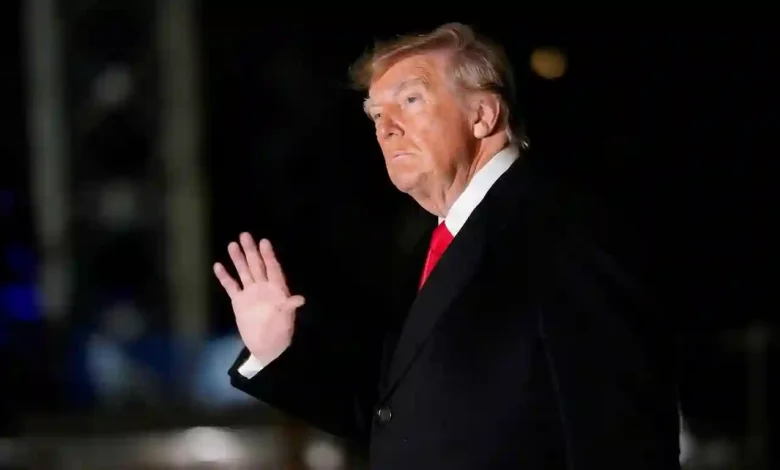
Table of Contents
President Donald Trump has issued a high-stakes executive order waiving key Russia-related United States sanctions and commercial tariffs just days before they were scheduled to take effect under legislation enacted last month. The unexpected White House action suspends planned import duties on Russian agricultural and industrial goods, as well as secondary penalties targeting foreign entities purchasing Russian petroleum and liquefied natural gas. In an official presidential memorandum released on Friday, the administration asserted that exercising statutory waiver authority was essential to safeguarding the vital national security and economic interests of the United States. The decision marks a significant recalibration in American trade enforcement and foreign policy, balancing congressional mandates with executive flexibility amidst volatile global market conditions.
Executive Summary of the Sanctions Waiver
The newly unveiled executive order directly intercedes in the implementation timeline of statutory trade duties and economic penalties passed by Congress in recent legislation. Under the terms of the original law signed last month, automated tariff escalations were set to impose steep duties on Russian-origin goods, alongside stringent punitive measures against third-country institutions conducting transactions involving Russian oil and natural gas. By invoking presidential waiver provisions embedded within the legislative text, the White House has effectively frozen those measures indefinitely.
Administration officials underscored that the decision does not eliminate underlying statutory frameworks, but rather exercises targeted executive discretion to prevent immediate economic disruption. Industry analysts note that contemporary economic sanctions strategies often incorporate statutory safety valves to allow the executive branch necessary maneuverability in navigating complex international trade dynamics. By stepping in prior to the official enactment deadline, the White House avoided triggering automatic economic enforcement mechanisms that could have reverberated through global supply networks.
Legislative Background and Congressional Context
The legislative package signed into law last month represented months of intense negotiations between bipartisan congressional leaders and executive representatives. Designed to tighten the economic vise on Russian state revenues, the bill established broad statutory mandates for duties on raw materials, fertilizers, metals, and fossil fuels. However, recognizing the potential for unforeseen market shocks, lawmakers included explicit clauses permitting presidential waivers if the White House certified that doing so served paramount national security imperatives.
The debate surrounding these statutory provisions highlighted long-standing debates regarding the division of foreign policy power between Capitol Hill and the Oval Office. While lawmakers intended the bill to project unwavering economic resolve, executive officials insisted on maintaining tactical adaptability. The intersection of statutory enforcement and presidential authority frequently reflects delicate balances, particularly when international defense deals and broader regional stability depend on fluid diplomatic maneuvering rather than rigid statutory mandates.
The Energy Sector: Oil and Natural Gas Exemptions
Central to the White House executive order is the total exemption granted to penalties associated with Russian crude oil, refined petroleum products, and liquefied natural gas (LNG). The statutory provisions scheduled to take effect would have penalized international financial institutions, shipping operators, and maritime insurers participating in Russian hydrocarbon commerce. Had these secondary sanctions been fully enforced, global energy markets risked losing millions of barrels per day in circulating supply, threatening a severe inflationary spike.
Energy economists pointed out that maintaining open channels for global energy trade is crucial for stabilizing international fuel benchmarks. A sudden reduction in available crude supply could have triggered an immediate volatile oil supply crisis, driving domestic gasoline and heating oil prices upward. White House advisors argued that enforcing secondary energy penalties without adequate global output offsets would harm American consumers and allied nations far more than the target state. The energy waiver thereby serves as an economic relief mechanism designed to preserve global refining stability while avoiding energy market contagion, contrasting sharply with stricter policies such as targeted economic sanctions programs enforced in other international arenas.
Geopolitical Rationale and Foreign Policy Strategy
From a geopolitical perspective, the executive order represents a strategic effort to retain leverage in ongoing diplomatic dialogue. By suspending penalties rather than repealing the underlying statute, the administration retains the ability to re-impose tariffs instantly should diplomatic conditions deteriorate. White House foreign policy strategists view this flexible posture as essential for maintaining effective communication channels with key global power centers.
Foreign policy advisors, including those coordinating high-level diplomatic policy maneuvers, have advocated for calibrated economic incentives to complement deterrence measures. Administration officials signaled that maintaining trade exemptions provides Washington with critical diplomatic room to maneuver during multi-nation security talks. Furthermore, preserving economic flexibility helps maintain coalition alignment among foreign partners who remain dependent on imported raw materials and energy inputs.
Summary of Waived Tariffs and Penalties
To provide a clear structural overview of the executive action, the following table details the primary statutory measures affected by Friday’s presidential waiver and their current regulatory status:
| Commercial Category | Statutory Enactment Measure | Executive Order Waiver Status | Primary Strategic Rationale |
|---|---|---|---|
| Crude Oil & Refined Fuel | Secondary sanctions on foreign buyers & insurers | Suspended Indefinitely | Prevent global energy supply shocks & fuel inflation |
| Liquefied Natural Gas (LNG) | Import restrictions & transaction penalties | Waived | Maintain European & Asian energy grid stability |
| Agricultural Inputs & Fertilizer | Elevated import duties (up to 35%) | Frozen at Previous Rates | Protect domestic farming supply chains & food prices |
| Industrial Metals & Minerals | Mandatory commercial trade tariffs | Temporarily Exempted | Secure raw materials for domestic manufacturing |
| Secondary Financial Penalties | Banking system access bans for third parties | Deferred | Prevent international banking system fragmentation |
Political Reaction from Capitol Hill and Allies
The White House decision immediately generated intense debate across the political spectrum in Washington. Bipartisan sponsors of the original legislation expressed frustration over the timing and scope of the waiver, arguing that failing to execute the statutory penalties undermines Congressional authority and blunts economic leverage. Congressional hawks signaled plans to hold committee hearings to scrutinize the administration’s national interest justification.
Conversely, trade groups, industrial manufacturing associations, and agricultural representatives welcomed the announcement, citing the necessity of supply chain predictability. Internationally, European and Asian allies expressed quiet relief, as many foreign refiners and industrial firms faced severe compliance hurdles under the impending secondary sanctions. The debate highlights the continuous friction between legislative efforts to construct broader trade tariff frameworks and executive branch efforts to modify trade policy based on real-time global economic conditions.
Domestic Economic Impact and Market Reaction
Financial markets reacted swiftly to the White House order, with global energy benchmarks easing following news that secondary petroleum sanctions would not be enforced. Commodity traders and equity markets rallied on the prospect of avoided supply disruptions, particularly in fertilizer and industrial metals sectors vital to domestic production. Lower input costs for energy and raw materials are anticipated to ease cost pressure on American manufacturing and transportation networks.
Wall Street economic analysts noted that as investors weigh global economic developments, avoiding unnecessary regulatory friction helps stabilize macro expectations. Lower projected energy inflation also alleviates upward pressure on treasury yields, where market observers have been tracking fluctuations in benchmark bond yields across major financial exchanges. By removing the immediate threat of trade retaliation and commodity shortfalls, the administration sought to insulate domestic growth from external geopolitical headwinds.
Long-Term Strategic Outlook and Diplomatic Horizons
Looking ahead, the executive waiver sets up a potential legislative-executive showdown over trade enforcement policy. Congress may seek to introduce subsequent legislation that narrows statutory waiver criteria or imposes mandatory reporting requirements whenever executive discretion is exercised. However, the White House maintains that flexible economic authority remains vital for responding dynamically to fluid international security challenges.
In the broader geopolitical context, the move demonstrates how economic policy and national security strategy remain deeply intertwined. As global trade alliances continue to adapt, the administration’s reliance on executive waivers highlights a preference for agile, situational bargaining over rigid statutory mandates. Whether this policy approach succeeds in securing long-term diplomatic concessions while preserving domestic market stability will remain a primary focus for policymakers, industry leaders, and international observers in the months ahead.