India Beat Pakistan to Clinch Asian Games Cricket Title 2026
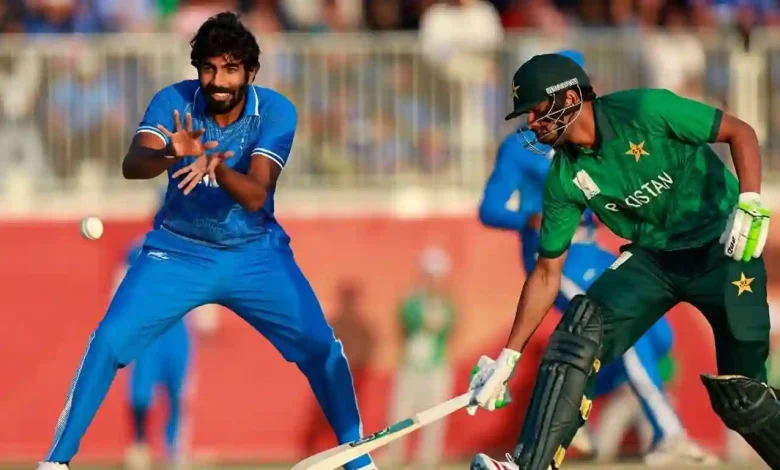
Table of Contents
India beat Pakistan in an electric Asian Games cricket final on a repurposed baseball diamond, defending their continental crown with a composed 19-run triumph that resonated far beyond the boundary ropes. In a sporting spectacle marked by high drama across disciplines, Saturday’s action delivered historic milestones: India reaffirmed their status as the preeminent Twenty20 force in the region just two years before cricket makes its long-awaited Olympic return, while South Korean golf sensation Tom Kim clinched an individual gold medal to secure a transformative exemption from mandatory military service.
The Asian Games Cricket Showdown: High-Stakes Continental Rivalry
Whenever India and Pakistan meet on a cricket pitch, the atmosphere carries unmatched tension and intense international scrutiny. Deprived of regular bilateral cricket tours due to long-standing geopolitical impasses, encounters between these two giants are restricted to multi-nation tournaments. The gold medal match at the Asian Games provided an intense crucible for emerging players looking to establish their credentials on the global stage. Both squads entered the contest with high-octane lineups featuring a blend of established international talent and promising domestic league performers eager to replicate the strategic composure seen when tactical leadership under pressure guides a championship campaign.
From the opening delivery, the intensity was palpable. The crowd created an electric backdrop despite the unusual setting of an adapted venue. For India, the imperative was not merely to retain the title they captured in the preceding edition, but to show complete dominance with their aggressive brand of modern T20 cricket. Pakistan, aiming to reclaim continental supremacy, deployed an attack built to exploit any variations in the surface, knowing that early breakthroughs were crucial to disrupt India’s deep batting order.
Playing on a Converted Baseball Diamond: Ground Dimensions and Tactical Shifts
One of the most compelling subplots of the final was the unique playing venue. Staged on a converted baseball facility, the playing area featured asymmetrical boundaries that challenged traditional field settings and tactical plans. With short square boundaries and a cavernous straight outfield, captains and bowling units had to recalibrate their defensive strategies. Power-hitters realized that clearing the ropes through mid-wicket or backward point required far less elevation than straight down the ground, while bowlers were forced to adjust their lengths to prevent batters from accessing the shorter pockets of the outfield.
Adapting to non-traditional fields requires supreme technical discipline, a reality that global sports organizers continue to assess as diverse sporting events integrate into unconventional stadiums worldwide. Much like modern innovations where technological refereeing systems handle complex boundary determinations, match officials on the converted diamond had to be hyper-vigilant regarding line decisions and ground markings. India’s coaching staff diagnosed the ground dimensions early, instructing top-order batters to target horizontal bat strokes rather than driving down the ground against the new ball.
Sharma and Varma Batting Masterclass: Engineering India’s Total
After being sent in to bat, India faced early adversity as Pakistan’s seamers generated movement off the deck. However, the momentum flipped decisively through the counter-attacking partnership of Abhishek Sharma and Tilak Varma. The left-handed duo exhibited ruthless intent, dismantling Pakistan’s bowling plans with clean hitting and aggressive running between the wickets. Abhishek Sharma attacked the powerplay overs with audacious stroke play, taking full advantage of field restrictions and dispatching deliveries into the converted baseball stands.
Tilak Varma played an equally decisive role, demonstrating maturity in pacing his innings before unleashing ferocious strokes against Pakistan’s spin contingent. Varma’s technical brilliance and composure under immense pressure mirrored the meteoric ascent seen in other sports, such as when young teenage stars dominate global stages. Both Sharma and Varma reached explosive half-centuries, pushing India past competitive thresholds and posting a formidable total that shifted scoreboard pressure entirely onto the chasing side.
Pakistan’s Chase Unravels: Spin Strangles and Pressure Points
Tasked with a challenging target on a pitch offering variable bounce, Pakistan’s batting order required a rapid start. However, India’s new-ball attack bowled with disciplined lines, denying Pakistan’s openers room to access the shorter square boundaries. While Pakistan found occasional boundaries, the required run rate escalated relentlessly, creating severe anxiety in the middle order. As regional sporting and diplomatic pressures often amplify public expectations, Pakistan’s batting unit found itself unable to establish the sustained partnerships needed for a successful chase.
India’s spin department capitalized on Pakistan’s mounting desperation. By mixing pace, varying seam angles, and bowling to defensive fields set strictly along the asymmetrical boundaries, the Indian bowlers induced fatal mistimed shots. Crucial wickets fell in clusters during the middle overs, neutralizing Pakistan’s middle order. Despite late resistance from the lower order, Pakistan fell short by 19 runs, sealing India’s title retention amid jubilant celebrations from players and supporters.
Match Summary and Key Performance Indicators
The statistical narrative of the final underscores how India’s aggressive top-order execution outpaced Pakistan’s containment strategies on the adapted diamond surface.
| Category | India | Pakistan |
|---|---|---|
| Total Score | 182/5 (20 Overs) | 163/8 (20 Overs) |
| Top Run Scorers | Abhishek Sharma (62), Tilak Varma (55) | Qasim Akram (38), Arafat Minhas (31) |
| Powerplay Score | 58/1 | 44/2 |
| Boundary Count | 14 Fours, 9 Sixes | 11 Fours, 5 Sixes |
| Key Bowlers | Ravi Bishnoi (3/24), Arshdeep Singh (2/29) | Sufiyan Muqeem (2/31), Usman Qadir (1/34) |
| Match Result | Won by 19 runs (Retained Gold) | Runners-up (Silver Medal) |
Two Years to Los Angeles: Asian Games as an Olympic Launchpad
The success of the Asian Games cricket event takes on heightened relevance given cricket’s scheduled return to the Olympic fold at the Los Angeles 2028 Games. For more than a century, cricket has been absent from the Olympic platform, but its inclusion in LA28 heralds a transformation for the sport’s global footprint. International sporting federations are closely observing how cricket adapts to multi-sport tournaments, regional logistical challenges, and non-cricket venues like converted diamonds.
Cricket’s strategic expansion into multi-sport games parallels the rise of new disciplines, such as the introduction of flag football at the 2028 Olympics, reflecting the International Olympic Committee’s push toward sports with massive youth engagement and broad commercial appeal. Furthermore, the economic dynamics of global sport continue to escalate, with national governing bodies investing heavily in athletic infrastructure and modern athletic investment trends to build medal-contending squads across emerging Olympic formats.
Tom Kim Secures Asian Games Golf Gold Under Massive Pressure
While cricket captivated spectators on the diamond, the Asian Games golf competition concluded with enormous personal and professional stakes on the fairways. South Korean star Tom Kim, already a multiple-time winner on the PGA Tour, delivered a breathtaking final-round performance to capture the individual gold medal. Playing under pressure that few athletes in international sport ever experience, Kim stood firm on the final holes to seal a wire-to-wire triumph.
Kim’s ice-cold precision down the stretch mirrored the supreme mental focus required at the pinnacle of individual sporting battles, evoking memories of grand championship rallies where elite performers like those seen chasing championship titles on global courts thrive under pressure. Over four challenging rounds, Kim combined prodigious length off the tee with exceptional touch on undulating greens, holding off persistent surges from regional competitors to mount the top step of the podium.
The Significance of South Korea’s Military Service Exemption
Beyond the pride of bringing home a gold medal, Kim’s victory carries profound implications for his professional career. Under South Korean law, all able-bodied male citizens are required to complete approximately 18 to 21 months of mandatory military service before turning 30. For elite athletes whose physical primes coincide with their twenties, an uninterrupted professional career is invaluable. South Korea’s conscription system grants full military service exemptions to athletes who win gold medals at the Asian Games or any medal at the Olympic Games.
This victory frees Tom Kim from the requirement to pause his flourishing PGA Tour career, allowing him to maintain momentum during peak competitive years. Previous South Korean athletes, including global football icon Son Heung-min and golfers Sungjae Im and Si Woo Kim, utilized Asian Games gold medals to secure their exemptions, preserving their international careers while bringing glory to their nation. The relief and joy visible on Kim’s face upon sinking the final putt demonstrated the weight lifted from his shoulders, marking a pivotal moment in his athletic life comparable to the life-changing triumphs witnessed at the Winter Olympics games and multi-sport summits.
A Landmark Day for Continental Athletics and Global Exposure
Saturday’s double-header of high-stakes competition encapsulated the unique spirit of the Asian Games, where regional rivalries intersect with career-defining moments. India’s cricket triumph reinforced their depth in white-ball cricket and provided valuable data for international organizers planning global events in multi-use venues. Concurrently, Tom Kim’s golden round underscored how national legal frameworks and sporting incentives intersect to create compelling personal narratives.
As the Asian Games continue to showcase elite competition across diverse arenas, the tournament cements its standing as a premier testing ground for athletes who will headline the Olympic Games in the years ahead. For India, Pakistan, and South Korea, the day delivered unforgettable drama, athletic excellence, and indelible memories that will shape continental sports discourse for years to come.