Cristiano Ronaldo Exits Portugal Camp Over Jorge Jesus Tensions 2026
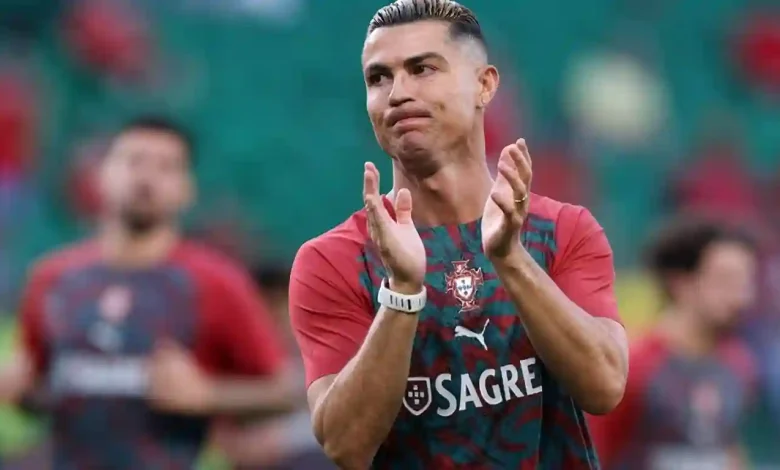
Table of Contents
Cristiano Ronaldo has abruptly walked out of the Portugal national team training camp in Copenhagen, plunging his storied international career into unprecedented turmoil just twenty-four hours before a pivotal UEFA Nations League fixture against Denmark. The veteran forward, who remains international men’s football all-time leading goalscorer, left the team base following a contentious pre-match press briefing in which head coach Jorge Jesus openly acknowledged strategic and personal tensions between the pair. Ronaldo confirmed his departure via social media, stating that his exit was decided following frank discussions with Portuguese Football Federation (FPF) President Pedro Proenca and announcing that full revelations regarding the confrontation will be made in due course.
Drama in Copenhagen: The Walkout Explained
The sudden fracture sent shockwaves across European football as Portugal completed their final preparations at the Parken Stadium. Witnesses reported that following morning tactical drills, the national team captain did not board the bus to the media walkthrough. Speculation regarding Ronaldo at Portugal training sessions had circulated quietly for weeks, but the confrontation exploded into plain view when Jesus refused to guarantee the 41-year-old an uncontested starting berth for the Denmark match.
For over two decades, the Madeira-born phenomenon has served as the undisputed talisman and spiritual heartbeat of the Selecao das Quinas. However, escalating debates over tactical work rate, transitional pressing, and the role of veteran figures in the international setup have reached a boiling point. Rather than occupying a rotational or substitute role on the bench in the Danish capital, Ronaldo gathered his private staff and departed the team’s luxury hotel early Wednesday afternoon, flying out on a private charter back to Lisbon.
The Press Conference That Ignited the Crisis
The catalyst for the dramatic departure was an unvarnished and tense press conference delivered by Jorge Jesus earlier that morning. Known throughout his long managerial career for an uncompromising and volcanic style, Jesus did not dodge inquiries regarding squad hierarchy. When questioned directly about the captain’s physical readiness and tactical fit against Denmark’s aggressive high press, the manager gave an unsparing assessment.
Jesus emphasized that no individual, regardless of their historical achievements or commercial stature, retains an automatic claim to a jersey. He noted that while respect for historic contributions remains absolute, modern international competition requires intensive mobility and synchronized team pressing. He acknowledged that disagreements regarding tactical deployment had surfaced during team video sessions and training drills over the preceding forty-eight hours. The blunt public remarks stood in stark contrast to the deferential treatment Ronaldo had historically enjoyed under previous managerial regimes.
Pedro Proenca and the FPF Intervention
Recognizing the severity of the growing rift, Portuguese Football Federation President Pedro Proenca arrived at the team base in an emergency bid to mediate between coach and captain. Proenca, who assumed the federation presidency with a mission to modernize Portuguese football administrative structures, found himself caught between protecting the authority of his newly appointed manager and preserving the dignity of the nation’s greatest athletic icon.
The closed-door summit lasted over ninety minutes. Insiders indicate that Proenca attempted to craft a face-saving compromise where Ronaldo would remain with the squad as traveling club captain while Jesus managed playing minutes autonomously. However, Ronaldo reportedly made it clear that public statements diminishing his squad standing had crossed an irreversible line. The failure to reconcile the tactical philosophy of Jesus with the expectations of the five-time Ballon d’Or winner prompted Proenca to reluctantly sanction the forward’s immediate release from the camp.
Cristiano Ronaldo’s Instagram Statement
Minutes after his private transport cleared Copenhagen Airport airspace, Ronaldo issued an official communication across his personal social channels. The brief yet loaded dispatch confirmed the end of his participation in the current international window and pointed directly to the manager’s press remarks as the breaking point.
Addressing his hundreds of millions of followers, Ronaldo stated that his dedication to the national flag has never wavered over twenty-three years of continuous service. He confirmed that the decision to leave was made in direct response to the manager’s press conference and subsequent consultations with President Proenca. The veteran added that out of respect for his teammates preparing for Denmark, he would not distract the group further, but promised that the broader truth behind the breakdown would be made clear at an appropriate moment.
Timeline of Portugal’s Changing Tactical Identity
The Copenhagen confrontation reflects an enduring philosophical shift within the Portuguese setup as the national team transitions into an era dominated by relentless tempo and high-pressing demands. While other global superstars have navigated similar evolutions, as seen when Lionel Messi breaks historical records through tailored system roles, Portugal’s managerial transition has favored systemic discipline over individual deference.
| Year / Era | Managerial Regime | Tactical Strategy | Ronaldo Tactical Role | Status / Outcome |
|---|---|---|---|---|
| 2004–2008 | Luiz Felipe Scolari | Counter-attacking 4-2-3-1 | Explosive touchline winger | Euro 2004 Finalist, Golden Generation integration |
| 2014–2022 | Fernando Santos | Pragmatic low-block, counter | Hybrid central target forward | Euro 2016 Champions, 2019 Nations League Trophy |
| 2023–2024 | Roberto Martinez | Fluid possession 3-4-3 | Central poacher, penalty box focal point | Unbeaten qualifying run, Euro 2024 quarter-finals |
| Recent Era | Jorge Jesus | Aggressive counter-press 4-3-3 | Rotational target, non-automatic starter | Severe tactical tension, Copenhagen squad walkout |
Tactical Fracture: Modern Pressing vs. Iconic Status
The root cause of the impasse lies in modern footballing analytics. Under Jorge Jesus, pressing metrics, recovery distance, and off-the-ball triggers take absolute priority over individual reputation. In modern European tournaments, opposing squads exploit defensive lines that fail to press cohesively from the front line. Football analysts often draw comparisons to elite tacticians like Jose Mourinho, who faced comparable dilemmas throughout his career as examined in recent debates around how Mourinho denies championship shortcuts in favor of collective defensive rigor.
Jesus has demanded that his center-forwards apply immediate pressure to opposition center-backs and defensive midfielders. While Ronaldo remains an extraordinary finisher with unmatched aerial presence and finishing instincts, as documented in studies of how Cristiano Ronaldo redefining football history has influenced multiple generations, his capacity to maintain sustained defensive pressing for ninety minutes has naturally reduced with age. The refusal of Jesus to grant tactical exemptions clashed violently with Ronaldo’s self-perception as an indispensable match-winner.
Squad Dynamics and Dressing Room Fallout
Inside the Portuguese camp, the atmosphere is described as solemn and conflicted. The current national roster features generational talents operating at the absolute peak of European club football. Young sensations across the continent, much like when Lamine Yamal power Spain to international triumphs or when Kylian Mbappe hails collective tactical synchronicity, look up to Ronaldo as a childhood idol. Players such as Rafael Leao, Vitinha, and Joao Neves grew up with Ronaldo posters on their bedroom walls.
However, established senior figures including Bernardo Silva, Ruben Dias, and Bruno Fernandes are acutely aware that Portugal possesses one of the deepest pools of attacking talent on the planet. The tension between honoring an immortal icon and adopting the high-tempo tactical parameters required to win major silverware has divided squad sentiment. Similar leadership challenges across world sports echo how Lionel Scaloni urged Argentina to redefine team unity around evolving tactical realities, or how singular elite performers like Max Verstappen targets ruthless individual optimization even when team structures shift around them.
The Road Forward: Can the Captain Return?
With Ronaldo now back in Lisbon and the national team taking the pitch in Copenhagen under the tactical direction of Jorge Jesus, the immediate question centers on whether this breach can ever be healed. Ronaldo’s stated ambition of reaching 1,000 career goals and leading Portugal into upcoming tournament cycles now hangs on a precipice. The FPF cannot easily dismiss a manager whose authority has been publicly asserted, nor can it lightly sever ties with the athlete who defined Portuguese sporting prominence on the global stage.
Should Jorge Jesus remain in command through the remainder of the qualifying calendar, Ronaldo’s legendary international tenure may have reached an unceremonious conclusion. Observers believe that only a significant institutional realignment, or an unforeseen mediation brokered by senior federation executives, could create the conditions for a return. As Copenhagen prepares for kick-off under an intense media spotlight, the era of unquestioned reverence has yielded to a cold tactical crossroads.