Princess Diana’s revenge dress on display in London 2026
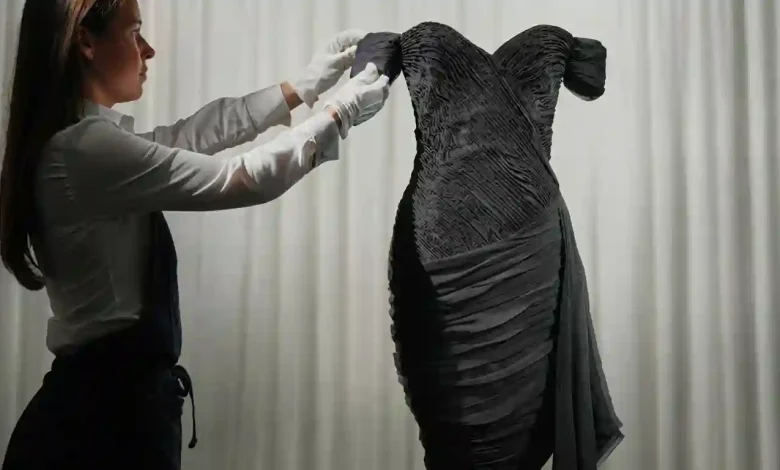
Table of Contents
Princess Diana’s revenge dress is currently on display in London, reminding the world of the enduring legacy of the late princess and her complex relationship with the British monarchy. Decades after she stepped out in the daring, off-the-shoulder black silk dress designed by Christina Stambolian, the gown remains a potent symbol of defiance, personal agency, and fashion history. This display occurs during a period of renewed public scrutiny, following fresh allegations and claims regarding King Charles’s private reaction to her tragic passing in 1997. The ongoing public fascination with Princess Diana demonstrates how her legacy continues to cast a long shadow over the contemporary royal family, even as they attempt to modernize their public image.
The Origin of the Iconic Black Silk Masterpiece
The story behind the gown is one of spontaneous rebellion and impeccable timing. On June 29, 1994, Princess Diana was scheduled to attend a fundraising gala at the Serpentine Gallery in Kensington Gardens. Originally, she had planned to wear a elegant dress designed by Valentino. However, after the fashion house prematurely leaked details of her outfit to the press, Diana decided to change her plans. She reached into her closet and pulled out a black silk cocktail dress by Greek designer Christina Stambolian, which she had purchased three years prior but had previously deemed “too daring” for royal protocols.
The timing of her choice was highly strategic. That same evening, a televised documentary was set to broadcast, during which Prince Charles publicly admitted his marital infidelity with Camilla Parker Bowles. By choosing this moment to debut such a bold and unconventional dress, Diana successfully redirected the global media narrative. Instead of the front pages being dominated by Charles’s confessions of unfaithfulness, they were filled with images of a confident, stunning Diana. This pivotal event demonstrated her unique ability to communicate with the public without saying a single word.
A Symbolic Turning Point in Royal Public Relations
This legendary garment did more than just capture the attention of the media; it fundamentally changed how modern public figures utilize fashion to control their personal narrative. In the years following her separation from Prince Charles, Diana increasingly used her wardrobe to assert her independence from the rigid structures of Buckingham Palace. Today’s high-profile fashion statements, much like modern hailey bieber fashion choices, utilize clothing as a tool for public branding and self-expression, echoing the trail blazed by Diana in the mid-1990s.
Furthermore, the classic 90s look continues to inspire musicians and youth icons, as seen in the popularity of olivia rodrigo vintage style aesthetics, which often pay homage to the minimalist yet powerful designs of that era. The exhibition of this dress in London serves as a reminder of how fashion can transcend simple aesthetic appreciation to become a historical artifact representing personal sovereignty, public relations mastery, and cultural rebellion.
New Revelations Regarding King Charles’s Reaction
The public exhibition of the dress coincides with new claims from royal biographers regarding King Charles’s initial reaction to the news of Diana’s death in Paris. According to these accounts, Charles was deeply distressed, not only by the tragedy itself but also by the immediate realization of how the public would react. He reportedly feared that the intense public grief and anger over the loss of the “People’s Princess” would permanently damage the standing of the monarchy, and his own future as king.
These revelations highlight the ongoing tension between the private reality of the royal family and the public persona they must maintain. The complex legacy of their marriage continues to influence public perception of King Charles and Queen Camilla. Despite decades of efforts to rebuild their image, the ghost of the 1990s marital breakdown and the tragic events of 1997 still linger in the collective memory, showing that the shadow cast by Diana is unlikely to disappear anytime soon.
Comparing Royal Fashion and Public Relations Milestones
To understand the historical impact of these events, we can look at a comparison of key milestones that shaped the public perception of the royal family during this tumultuous decade:
| Year | Key Event | Public Relations Impact | Long-term Cultural Legacy |
|---|---|---|---|
| 1992 | Publication of Andrew Morton’s Biography | Revealed the deep cracks in the royal marriage. | Shifted public empathy heavily toward Princess Diana. |
| 1994 | The Serpentine Gallery Gala & TV Interview | The debut of the iconic black silk dress. | Established fashion as a powerful tool of personal narrative. |
| 1995 | Diana’s BBC Panorama Interview | Direct communication of her personal struggles. | Deepened the rift between Diana and Buckingham Palace. |
| 1997 | Tragic Passing in Paris | Unprecedented global mourning and royal crisis. | Cemented Diana’s status as the “People’s Princess.” |
The Cultural Phenomenon: Fashion as a Weapon of Independence
The concept of the “revenge dress” has since become a standard term in the fashion lexicon. It represents a moment where an individual uses an exceptional appearance to reclaim power after a public setback or breakup. Diana’s choice of a short, form-fitting, off-the-shoulder gown defied the traditional, conservative dress codes expected of royal family members. It was a visual declaration that she was no longer bound by the rules of an institution that she felt had failed to support her.
This act of visual defiance has been studied by fashion historians and cultural critics alike. It represents a shift from the victim narrative to one of empowerment. By presenting herself as strong, independent, and undeniably glamorous, she showed the world that she would not be defined by her husband’s infidelity or the constraints of her royal title. This legacy of empowerment through self-presentation continues to resonate with audiences today.
The Legal and Media Battles of the Royal Family
The intense media environment of the 1990s laid the groundwork for how the royal family interacts with the press today. The constant chase for photographs and exclusive stories created a hostile relationship between the family and the tabloid media. In many ways, these historical battles over privacy and media rights parallel contemporary debates on licensing and intellectual property, such as the ai-generated music ban, underscore the complex modern battleground of creative control, public image, and digital rights in the media landscape.
Furthermore, these events have been the subject of massive television broadcasts that grip national audiences. Decades later, when oprah winfrey announces high-profile celebrity interviews, the legacy of emotional royal confessions still serves as the blueprint for high-stakes media interactions. The public’s appetite for behind-the-scenes glimpses into the lives of the wealthy and powerful remains as strong as ever, directly tracing its roots back to the media circus of the Diana era.
The Detail Behind Christina Stambolian’s Design
The dress itself is a masterpiece of mid-90s couture. Featuring a sweetheart neckline, an asymmetrical hemline, and a flowing chiffon train that drifted behind her, the gown was designed to make an impact from every angle. Stambolian later revealed that Diana had actually purchased the dress in 1991 but had been hesitant to wear it, fearing it was too revealing. The decision to wear it on that specific night in 1994 was a last-minute choice that secured the dress’s place in fashion history.
The exhibition in London allows visitors to appreciate the craftsmanship of the gown up close. The structure, the choice of silk, and the delicate draping all contribute to its status as one of the most famous dresses ever created. It remains a study in how a single design can capture the cultural zeitgeist and influence generations of designers to come.
How Modern Storytellers Recreate the Royal Saga
The dramatic lives of the royal family continue to be a major source of inspiration for television and film, resulting in critically acclaimed performances and dramatic portrayals that sweep television awards. Much like the critical acclaim at the emmys jean smart celebrated, the depiction of royal turbulence in television dramas attracts millions of viewers worldwide who are eager to understand the human emotions behind the royal facade.
These dramatizations are highly stylized television dramas. This media fascination mirrors the popularity of documentary features like the primetime robert narratives, and critical retrospectives such as the primetime film robert productions. These media offerings highlight the enduring public interest in biographical dramas, showing that the line between historical fact and dramatic entertainment remains highly lucrative and culturally significant.
The Lasting Shadow of the People’s Princess
Nearly thirty years after her death, Princess Diana’s influence on both fashion and the British monarchy remains unmatched. She redefined what it meant to be a modern royal, prioritizing direct connection with the public, charitable work, and emotional honesty. The exhibition of her most famous dress in London is not merely a display of vintage fashion, but a celebration of a historic figure who challenged an ancient institution and left an indelible mark on the world.
Her life story remains a powerful narrative of triumph and tragedy, essential for understanding the complex human element behind beloved global figures, as we see with biographical overviews like dolly parton the story of resilience and charm. As the public views the gown once more, they are reminded of the vibrant, independent woman who wore it, and the lasting legacy she left behind.