Spectators across Spain watched in wonder: 2026 Total Solar Eclipse
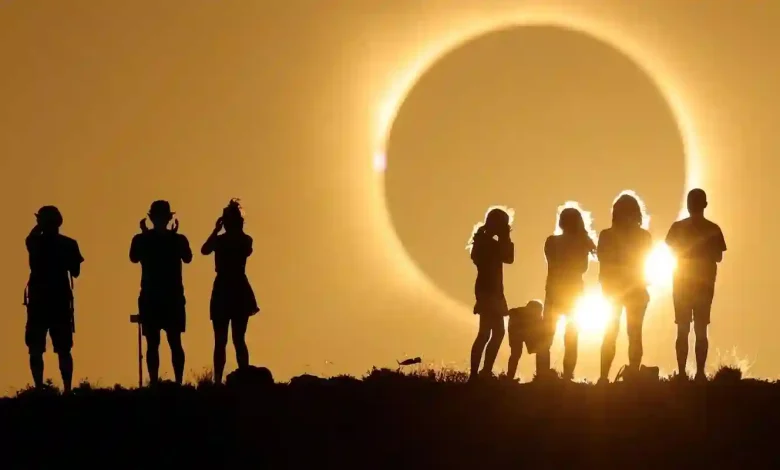
Table of Contents
Introduction: A Cosmic Dance of Shadow and Light
Spectators across Spain watched in wonder, some whipping off their protective glasses and rising to their feet in unison, as a rare total solar eclipse swept across the north of the country on Wednesday evening, plunging it into darkness. This breathtaking celestial event, which occurred on August 12, 2026, marked the first total solar eclipse visible from mainland Europe since 1999 and the first to cross the Iberian Peninsula in over a century. Throughout human history, these striking alignments have conjured feelings of profound awe, turning day into night and briefly halting the rhythm of modern life. As the moon’s shadow raced across the Earth at remarkable speed, millions of locals and international travelers gathered under the darkening sky, creating a shared human experience that stood in stark contrast to the daily bustle of our modern world. The sheer spectacle of the sun’s corona shining brightly behind the dark silhouette of the moon left an indelible mark on everyone fortunate enough to witness it.
The Path of Totality Across Spain: A Geography of Darkness
The trajectory of the lunar shadow, or umbra, carved a magnificent path across some of Spain’s most picturesque and varied landscapes. Entering the northwest coast through the rugged cliffs of Galicia and Asturias, the shadow moved rapidly southeastward, encompassing vast expanses of Castile and León, before reaching the Mediterranean coast and the Balearic Islands. This geographic path allowed diverse communities to participate in the experience, transforming quiet rural towns into bustling centers of astronomical observation.
Coastal Transitions from the Cantabrian Sea to the Balearic Islands
For those stationed along the northern Cantabrian coast, the experience was heightened by the backdrop of the sea. Towns in Cantabria and the Basque Country witnessed the shadow sweep over the ocean before enveloping land. As the sun set low over the western horizon, the dramatic play of light on water created an ethereal golden-to-violet transition that photographers and scientists described as surreal. Meanwhile, on the opposite end of the country, spectators in Valencia, Castellón, and the Balearic Islands watched the final moments of totality just as the sun dipped below the Mediterranean, offering a rare double-spectacle of a total eclipse coinciding with sunset.
Duration and Scientific Particulars of the Umbra
Because this eclipse occurred just over two days after the moon reached its perigee—the point in its elliptical orbit closest to Earth—the moon appeared visually larger than usual. This visual enhancement amplified the magnitude of the eclipse, which reached a substantial 1.0386. Although the point of greatest eclipse and maximum duration of 2 minutes and 18 seconds occurred in the cold waters off the western coast of Iceland, observers in northern Spain enjoyed up to 1 minute and 45 seconds of complete totality. During this brief window, temperatures dropped noticeably by several degrees, winds shifted pattern, and the local wildlife exhibited twilight behaviors, with birds returning to their nests and crickets commencing their nocturnal chirps.
Security and Spectacle: Spain’s Unprecedented Crowd Management
Recognizing the massive influx of tourists and astro-enthusiasts, the Spanish government undertook a monumental logistical effort to ensure public safety and smooth viewing experiences. Security forces and local municipalities prepared for months leading up to the event, predicting that roads leading to the path of totality would face severe congestion.
Rural Deployment of the Massive Police Contingent
Spain deployed a massive police contingent to oversee traffic flow, maintain order, and prevent unauthorized gatherings in ecological reserves. Thousands of officers from the Guardia Civil and local police forces were stationed along key transport arteries and high-altitude lookouts. This protective presence was particularly vital in rural regions where narrow winding roads could easily become bottlenecked by parked vehicles. Police patrols were also tasked with preventing wildfires, as the dry August heat presented an elevated fire hazard in the forested areas of Asturias and Castile and León.
Specially Engineered Viewing Spots
In tandem with security deployments, regional tourism boards set up special viewing spots across rural areas that offered the best views of the spectacle. These designated zones were equipped with emergency medical services, educational booths, chemical toilets, and optical experts who distributed certified solar viewing glasses. By steering the crowds toward these organized hubs, local authorities minimized the ecological impact on sensitive natural parks while providing a safe, comfortable, and informative environment for families and solo travelers alike.
The Science Behind the Celestial Phenomenon
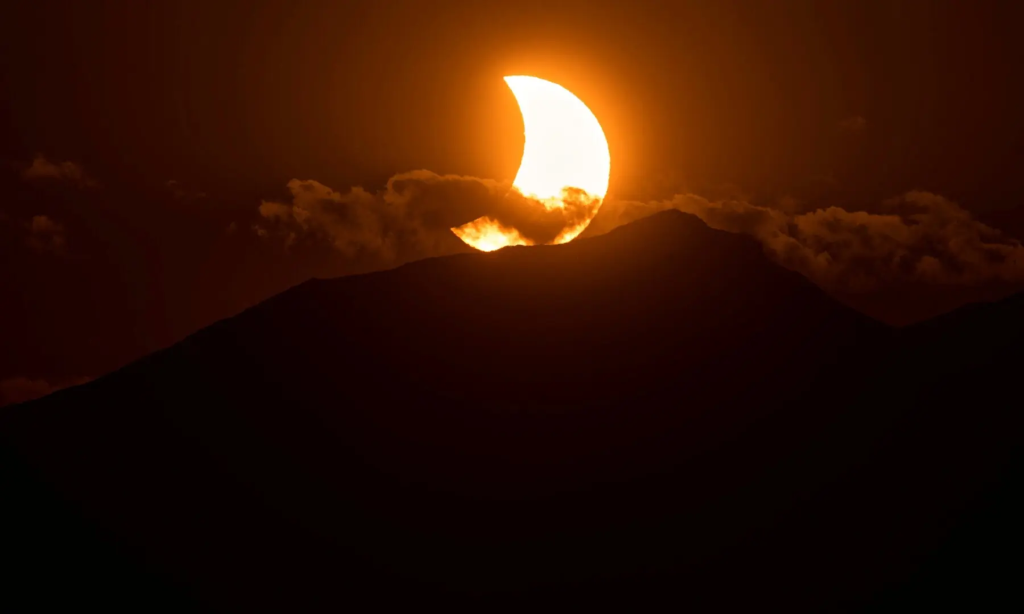
A total solar eclipse is a masterclass in cosmic geometry. It occurs when the moon passes directly between the Earth and the sun, casting its deep shadow onto the terrestrial surface. This alignment is only possible because of a cosmic coincidence: while the sun is approximately 400 times wider than the moon, it is also roughly 400 times farther away, making them appear almost identical in size from our perspective. Scientists from across the globe utilized the August 2026 event to conduct critical studies of the solar corona, the outer atmosphere of the sun that is normally invisible due to the overwhelming glare of the solar disk. For deeper analysis of the scientific pathways of these celestial events, researchers consulted NASA’s official eclipse trajectory maps, which provided pinpoint data on the exact movement of the shadow across the European continent.
A Comparison of Key Astronomical Milestones
To better understand how the 2026 eclipse compares to other significant astronomical events in the region, the following data table summarizes the vital statistics of this monumental occurrence:
| Metric / Attribute | Details |
|---|---|
| Date of Event | Wednesday, August 12, 2026 |
| Maximum Duration of Totality | 2 minutes and 18 seconds (near Iceland) / ~1 min 45s in Spain |
| Width of Path of Totality | Approximately 294 kilometers (183 miles) |
| Speed of Lunar Shadow | ~3,430 kilometers per hour (2,130 mph) |
| Primary Spanish Regions in Path | Galicia, Asturias, Cantabria, Castile and León, Basque Country, Aragon, Catalonia, Valencia, Balearic Islands |
| Historical Significance | First total solar eclipse in mainland Europe since 1999; first in Spain since 1905 |
A Celestial Respite Amid Global Geopolitical Tensions
While millions of stargazers looked upward in quiet contemplation, the earthly realm remained gripped by deep anxiety. Indeed, the sheer serenity of the eclipse stood in stark contrast to the severe geopolitical strains playing out in the Eastern Mediterranean and the Persian Gulf during August 2026. Only weeks prior, defense analysts were closely monitoring the ongoing deployment of advanced iranian drones in various proxy theaters, a development that continued to exacerbate tensions between major powers. This technology, combined with the memory of the recent tactical us strikes on iran, left international observers on high alert. The maritime trade routes were equally volatile, characterized by escalating friction surrounding the strait of hormuz alongside the highly disruptive effects of the ongoing red sea shipping crisis.
Furthermore, the ongoing diplomatic deadlock between washington tehran continued to stifle hopes of a long-term resolution, even as minor operational pauses—such as a brief and temporary iran airstrikes pause—offered fleeting moments of relief. Analysts monitoring these conflicts noted that the threat of systemic escalation remained high, prompting growing international fears of a full scale war with iran. For many, following the news on what was recorded as geopolitical strain during the iran conflict day 145, the sudden plunge into cosmic darkness over the Iberian Peninsula served as a poignant reminder of humanity’s shared place under a single, indifferent sky. It provided a powerful, if temporary, pause in the non-stop news cycle of geopolitical confrontation, as the wonders of the cosmos briefly united people across ideological divides.
The Economic and Ecological Impact of Dark-Sky Tourism
Beyond its scientific and social significance, the total solar eclipse catalyzed a massive economic boom for Spain’s rural provinces. Often referred to as “astrotourism” or “dark-sky tourism,” this specialized travel sector has seen exponential growth in recent years. Rural municipalities in Spain, many of which struggle with depopulation and seasonal economic slumps, experienced 100% hotel occupancy rates for several days surrounding the eclipse. Local restaurants, transport services, and artisanal markets benefited significantly from the influx of high-spending, environmentally conscious visitors. Furthermore, regional authorities utilized this event to promote long-term sustainable tourism, encouraging travelers to return to these pristine rural areas for stargazing and nature retreats. This influx not only provided immediate financial relief to local economies but also highlighted the vital importance of preserving dark skies by limiting light pollution.
Conclusion: A Shared Moment of Human Wonder
As the shadow of the moon finally slid off the Balearic coast and disappeared over the Mediterranean, light slowly returned to the Spanish countryside, ending a day that will be remembered for generations. The 2026 total solar eclipse was more than just a fleeting cosmic coincidence; it was a profound testament to the power of nature to inspire, unite, and humble us. In an era often defined by digital distraction and deep political divisions, those few minutes of shared darkness allowed humanity to stand together in silent appreciation of the vast and beautiful universe we inhabit.