Iran summons Ukraine diplomats after Caspian Sea cargo ship strike 2026
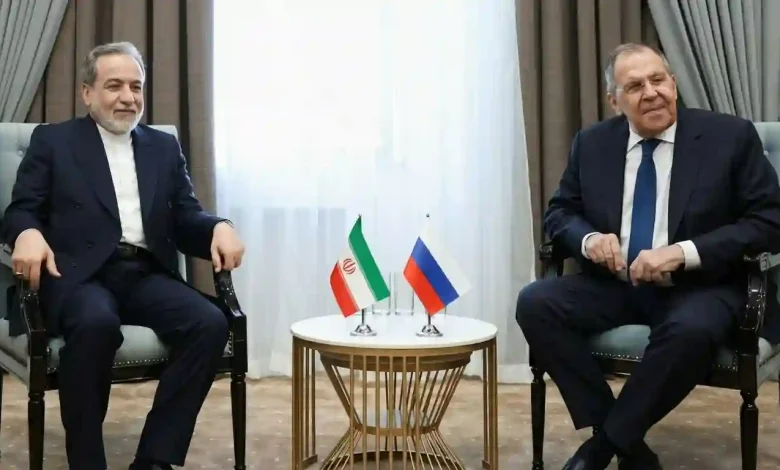
Table of Contents
Iran summons Ukraine diplomats in Tehran following a historic and highly controversial military strike on an Iranian cargo ship in the Caspian Sea. The strike, which killed at least one commercial sailor and left another wounded, has triggered a severe diplomatic showdown. As regional tensions surge across both Eastern Europe and the Middle East, the Caspian Sea, previously considered a secure sanctuary for Russian-Iranian military logistics, has suddenly been transformed into an active theater of war. The Ukrainian military’s long-range drone campaign, aimed at dismantling the logistical networks that sustain Russia’s ongoing invasion of Ukraine, successfully hit several key targets, prompting an immediate and furious response from Tehran. This comes at a time when the US strikes central region hubs to neutralize threat networks and stabilize critical shipping channels, highlighting how closely intertwined the security environments of Europe and the Middle East have become.
The Caspian Sea: An Enclosed Sanctuary Breached
The Caspian Sea has long been treated by both Moscow and Tehran as a geopolitically insulated body of water. Sharing borders only with Russia, Iran, Azerbaijan, Kazakhstan, and Turkmenistan, this giant inland body of water lacks any physical connection to international ocean routes, shielding it from Western maritime patrols and naval blockades. For years, the Caspian became a vital bridge for the rapid transport of military hardware, especially Iranian-built Shahed kamikaze drones and ballistic missile components, which have been regularly deployed by Russian forces to devastate Ukrainian energy infrastructure and cities. While diplomats were attempting to salvage a fragile Strait of Hormuz deal in the south, the opening of a northern maritime front in the Caspian Sea has shattered the strategic security assumptions of the dual regimes. By taking the fight to these previously safe trade corridors, Kyiv has demonstrated that distance is no longer a shield for Iranian weapons shipments. This incident follows previous reports where Iranian negotiators targeted by Western warnings found themselves dealing with the real-world operational consequences of their military alliances.
Details of the July 25 Drone Strike
On the early morning of July 25, 2026, the Security Service of Ukraine (SBU) executed one of its most daring and geographically distant operations of the war. Utilizing highly sophisticated, long-range attack UAVs traveling more than 1,000 kilometers from the Ukrainian border, Kyiv struck a series of targets deep within the Russian-controlled regions of the Caspian Sea. According to official reports from the SBU and Ukrainian President Volodymyr Zelenskyy, the targeted operations achieved “very strong results,” hitting multiple cargo vessels utilized for military shipments, a Russian navy warship, and critical energy infrastructure. In the aftermath of the strike, the Iranian Foreign Ministry asserted that one of the damaged vessels was an Iranian commercial cargo ship, reporting that the blast killed a merchant sailor and wounded another. Although Kyiv has maintained that its operations strictly target vessels involved in illicit military cargo transfers, Tehran has vehemently decried the action as an unacceptable act of aggression against a non-combatant merchant vessel. The geopolitical shockwaves are being felt globally, especially when remembering the tragic loss of soldiers killed in Iranian proxy attacks earlier in the year, which had already set the international community on edge.
Target Matrix and Damaged Assets
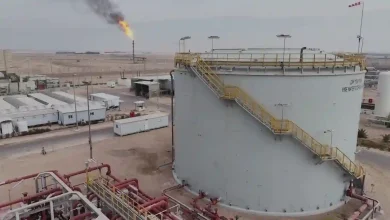
The precise target list released by the SBU underscores the systematic nature of the operation. Chief among the targets were two high-priority cargo vessels: the Port Olya 2 and the Begey. Both of these transport vessels had been placed under stringent international sanctions due to their documented roles in ferrying military equipment and weapons components between Iranian ports and Russian military logistics hubs in Astrakhan. Furthermore, the Ukrainian drones successfully struck a Project 12418 Molniya missile boat, a formidable Russian warship stationed in the Caspian Sea basin. Additionally, the strike hit the Filanovsky offshore oil extraction platform, a major oil facility operated by the Russian energy giant Lukoil. The SBU stated that the platform’s maritime tracking radar and communications networks were critical to coordinating logistics for military vessels. Furthermore, as US airstrikes hit Iran and its proxy interests in the Red Sea, the Caspian Sea was suddenly shown to be equally vulnerable, creating a dual-hemisphere dilemma for Iranian and Russian naval planners.
Summary of Caspian Sea Drone Targets
The following table outlines the key assets targeted during the Ukrainian Caspian Sea operation, clarifying their strategic classification and the reported impact of the drone strikes.
| Target Asset Name | Asset Type / Classification | Reported Role in Conflict | Operational Status & Strike Impact |
|---|---|---|---|
| Port Olya 2 | Cargo Vessel (Sanctioned) | Transporting military cargo between Iran and Russia | Struck; heavy blast damage reported |
| Begey | General Cargo Vessel (Sanctioned) | Ferrying ballistic components and drone systems | Struck; confirmed logistics disruption |
| Molniya (Project 12418) | Russian Guided Missile Boat | Naval force projection and patrol in Caspian basin | Directly hit; structural and system damage |
| Filanovsky Offshore Platform | Oil Extraction Facility (Lukoil) | Hosting military surveillance radar and communication equipment | Radar arrays targeted and disabled by drone strikes |
| Iranian Merchant Vessel | Commercial Cargo Ship | Claimed as non-military merchant ship by Tehran | Explosion; 1 sailor killed, 1 sailor injured |
Diplomatic Crisis: Iran Summons Ukraine Diplomats in Tehran
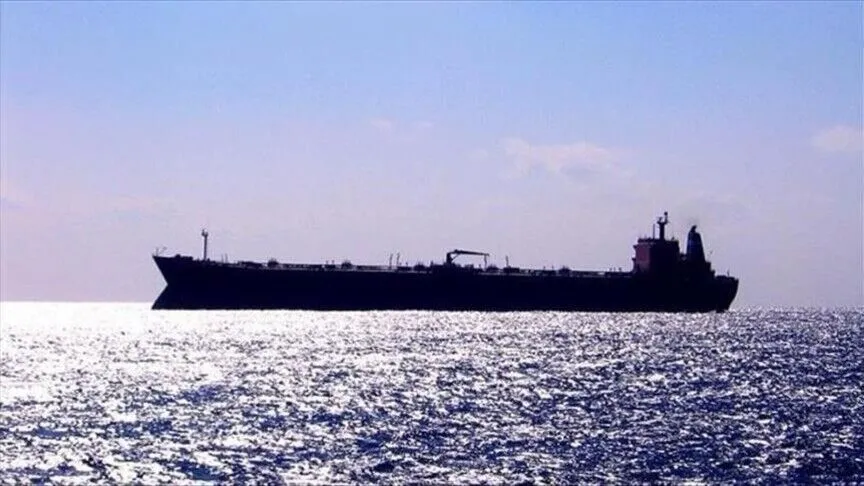
The direct aftermath of the Caspian Sea strike immediately translated into a severe diplomatic crisis. Within hours of the incident, the Iranian Ministry of Foreign Affairs summoned Ukraine’s chargé d’affaires in Tehran to issue a formal, high-level diplomatic protest. Iranian officials expressed their absolute condemnation of what they referred to as a “provocative and criminal act of aggression”. Tehran issued a stern warning that the Ukrainian administration and its international backers would be held entirely responsible for the geopolitical fallout of this incident. This development underscores the severe risk of the European conflict spilling over into a direct, open confrontation between Ukraine and Iran. Even during a brief pause in direct military strikes against Iran by US forces, Ukraine’s bold move has reintroduced a volatile variable into the regional equation. Iranian Foreign Minister Abbas Araghchi reportedly contacted European Union officials to demand direct international condemnation of Kyiv, warning that the Caspian Sea must not be turned into an arena for proxy wars.
The Russian Connection: Satellite Spy Operations in the Gulf
Beyond the immediate maritime strike, President Volodymyr Zelenskyy delivered another diplomatic bombshell that ties the Caspian Sea events to the broader conflict in the Middle East. In a statement published on social media, Zelenskyy revealed that Ukrainian intelligence had uncovered a highly coordinated intelligence-sharing operation between Moscow and Tehran. Specifically, Kyiv alleges that since the beginning of July 2026, Russia has been utilizing its advanced military spy satellites to actively monitor Gulf states and key US military installations, including airbases located in Bahrain, Jordan, and Kuwait. These high-resolution satellite surveillance images have reportedly been passed directly to Iranian military command centers. Zelenskyy noted a clear, undeniable correlation between the timelines of Russian satellite passes and subsequent missile or drone strikes launched by Iranian-backed proxies in the Middle East. This coordinated intelligence sharing proves, according to Ukraine, that Russia is actively assisting Iran in its military campaigns across the Middle East. By exposing this satellite pipeline, Kyiv seeks to demonstrate to Western allies that neutralizing Russia’s logistical and technological capabilities directly weakens the aggressive posture of the Iranian regime in the Gulf.
Wider Geopolitical and Strategic Consequences
The fallout from this incident has immediate economic and tactical repercussions worldwide. The Caspian Sea’s emergence as an active combat zone threatens to severely disrupt the trade corridors that Iran has relied upon to bypass Western-led embargoes. With southern shipping routes heavily monitored, the northern Caspian route had become the primary artery for Iran’s international trade. This sudden security vacuum highlights the volatility of international energy supply chains, which have already seen gasoline prices climb above $4 in major Western economies due to continuing disruptions in key global waterways. By proving that Ukrainian long-range drones can strike Lukoil extraction platforms and sanctioned vessels over 1,000 kilometers away, Kyiv has successfully demonstrated that the economic engines of the Russian-Iranian alliance can be targeted anywhere. This tactical evolution forces both Moscow and Tehran to reallocate sophisticated air defense systems from active land fronts to defend critical maritime infrastructure, creating fresh strategic vulnerabilities elsewhere.
Strategic Synthesis: The Interconnected Theaters
In conclusion, the drone strike in the Caspian Sea and the subsequent diplomatic crisis represent a critical inflection point in modern warfare. The conflicts in Ukraine and the Middle East can no longer be viewed as distinct, isolated regional crises. Instead, they are deeply interconnected, driven by a mutual alliance between Moscow and Tehran. This military and intelligence cooperation—ranging from the transfer of Shahed drones to the sharing of space-based spy imagery—has forced Ukraine to take preemptive defensive measures far beyond its traditional borders. As the international community grapples with this dramatic escalation, the Caspian Sea has officially lost its status as a safe haven, signaling a new, highly volatile chapter in global geopolitics. The coming weeks will reveal whether this northern flashpoint forces a recalibration of Iranian support for the Russian war effort, or if it triggers an even broader escalatory cycle across both hemispheres.