US Missile Strikes in Iran Expand: Tabriz and Bushehr Hit
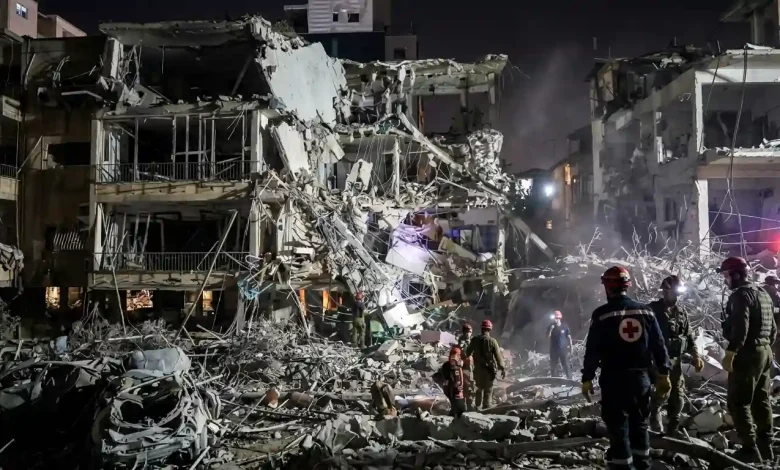
Table of Contents
US missile strikes in Iran have escalated dramatically, marking a major departure from previous military containment strategies as coalition forces expand their target parameters. In a series of highly coordinated operations, American forces targeted multiple deep-theater assets across the Islamic Republic of Iran. While previous engagements were concentrated along the southern coastlines and critical maritime shipping lanes, this latest escalation has penetrated deep into the northwestern and southwestern provinces, hitting strategic military zones on the outskirts of major urban centers like Tabriz. This campaign follows earlier engagements where airstrikes hit Bushehr and other southern coastlines, signaling that the rules of engagement have shifted entirely.
According to official reports compiled by state-controlled media, including the Tasnim and Fars news agencies, the strikes occurred in the early hours of Wednesday local time. The sudden expansion of the target list has sent shockwaves through international diplomatic circles and sparked acute anxieties in global markets, where energy analysts warn of potential disruptions to oil supplies. This comprehensive analysis details the tactical shifts, localized damage, and the broader geopolitical consequences of this highly volatile military campaign.
Tactical Overview of the Escalating Conflict
The conflict has entered an incredibly intense phase as diplomatic efforts fail to yield de-escalation. Military strategists point out that the breadth of these latest operations suggests a systematic attempt to dismantle Iran’s air defense network, logistical supply lines, and regional drone export facilities. As the situation deteriorates, US forces carried out what Pentagon officials labeled a necessary defensive campaign, representing a seventh consecutive night of intense aerial activity designed to neutralize threats to allied forces in the region.
Reports from inside Iran indicate that local air defense batteries were active across several provinces, attempting to intercept incoming low-flying cruise missiles and precision-guided munitions. Despite these interception efforts, multiple detonations were confirmed at high-value military installations. Military intelligence analysts suggest that the coordinated nature of these strikes across vastly different geographic quadrants of Iran indicates a highly sophisticated intelligence-gathering operation that preceded the kinetic phase of the campaign.
Expansion Beyond the Strait of Hormuz
For months, the focal point of western military operations in the region had been the protection of critical commercial shipping lanes. The Strait of Hormuz, a vital chokepoint through which a significant portion of the world’s petroleum passes, was the primary zone of defensive and offensive posturing. Historically, US naval assets focused on defending trade routes near the Arabian Gulf, but this escalation marks the seventh night of strategic strikes targeting command-and-control hubs deep within sovereign territory. By moving beyond maritime interception, the coalition has signaled its willingness to accept a higher degree of strategic risk to deter Iranian state actions.
This geographic expansion is designed to disrupt the command structure of the Islamic Revolutionary Guard Corps (IRGC). By forcing Iranian air defense networks to activate across the entire country—from the southern ports to the northern mountains—the coalition has successfully mapped out the weaknesses in Iran’s defensive radar systems. This tactical evolution forces Tehran to make difficult decisions regarding the allocation of its remaining surface-to-air missile systems, which are now stretched thin over multiple critical sectors.
Detailing the Targets: Bushehr, Sirik, and Khuzestan
The strikes on Wednesday morning hit key hubs across the southern and southwestern sectors of the country, emphasizing the vulnerability of Iran’s coastal and energy infrastructure. The coordinated attacks occurred almost simultaneously, overwhelming local early warning systems and resulting in substantial structural damage to military outposts.
The Strike on Bushehr and Sirik Coastal Facilities
Iran’s Tasnim news agency reported explosions were heard in parts of Bushehr, in southern Iran. Bushehr is highly significant as it hosts Iran’s primary civilian nuclear power plant, a site that has long been a focal point of international scrutiny. While Western intelligence sources confirmed that the nuclear facilities themselves were strictly avoided to prevent radiological contamination, the surrounding air defense bases and radar warning installations were heavily targeted. This targeted assault mirrors previous operations led by US Central Command to disable anti-ship missile sites and air defense batteries. Simultaneously, several explosions were also heard around Sirik in southern Iran, according to the Fars news agency. Sirik’s strategic location near the mouth of the Persian Gulf makes it a critical radar monitoring hub, and disabling its tracking capabilities significantly degrades Iran’s situational awareness over the shipping lanes.
Khuzestan Province: Behbahan and Omidiyeh Under Fire
Further inland, areas near the cities of Behbahan and Omidiyeh in Iran’s southwestern Khuzestan province had been targeted in US missile attacks, the region’s deputy governor told Fars news agency. Khuzestan is the heart of Iran’s domestic oil production, making any military activity in this region highly sensitive for global energy markets. Behbahan and Omidiyeh host critical logistics infrastructure and tactical military airfields that support IRGC operations. The targeting of these inland southwestern locations highlights a deliberate strategy to cut off the tactical supply lines connecting central military depots with southern coastal units.
The Tabriz Strike: A Significant Northwest Shift
Perhaps the most shocking aspect of the latest round of strikes is the sudden inclusion of targets in northwestern Iran. Fars reported that US forces attacked a military site on the outskirts of Tabriz in northwestern Iran. This represents a massive shift in geographic focus, as northwestern Iran is geographically removed from the Persian Gulf theater and borders Turkey and Azerbaijan. Historically, the northwest had been considered a relatively safe rear-guard zone for the Iranian military, far from the reach of routine naval-launched cruise missiles.
Crisis Management and Local Reports
Quoting local crisis management officials, the Fars news agency said the strike occurred at about 2:40am local time on Wednesday (23:10 GMT on Tuesday) and hit a military zone near the city. It said there have been no attacks inside the city itself, and local authorities were quick to reassure the public that civilian infrastructure remained intact. However, the psychological impact of northwestern Iran being targeted cannot be overstated. As news of the northwestern strikes spread, energy markets reacted instantaneously, and a massive crude oil spikes warning was issued by global commodities brokers who fear that the widening geography of the conflict could lead to a broader regional war involving neighboring states.
Summary of Recent Strikes (Data Table)
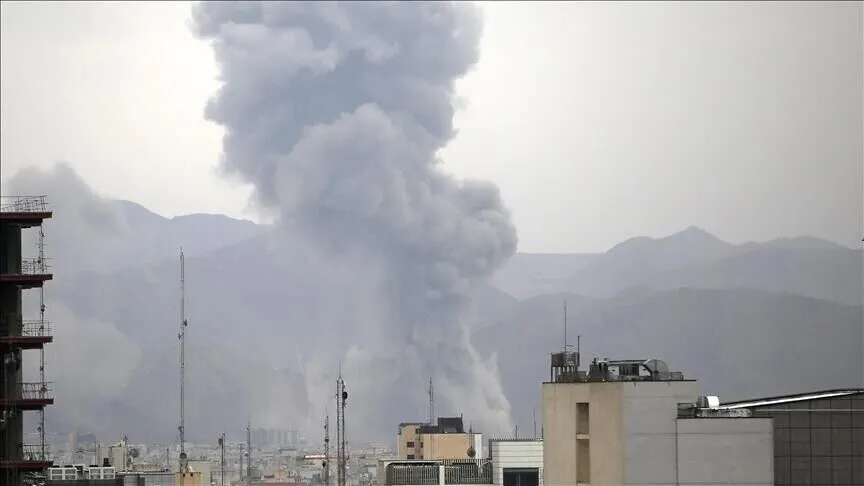
The following data table outlines the primary targets hit during the latest US military operation on Wednesday morning, illustrating the vast geographic distribution of the strikes.
| Target Location | Geographic Region | Reported Local Time | Target Classification | Primary Reporting Source |
|---|---|---|---|---|
| Tabriz Outskirts | Northwestern Iran | 2:40 AM Wednesday | Military Zone / Air Defenses | Fars News Agency / Crisis Management |
| Bushehr Region | Southern Coast | Late Tuesday Night | Coastal Defense Radar Installations | Tasnim News Agency |
| Sirik Vicinity | Strait of Hormuz (South) | Late Tuesday Night | Anti-Ship Missile Positions | Fars News Agency |
| Behbahan and Omidiyeh | Southwestern Khuzestan | Late Tuesday Night | Military Logistic Bases & Airfields | Khuzestan Deputy Governor / Fars |
Geographic and Military Implications of the Shift
Attacks on Tabriz and Tehran mark a departure from the general trend of strikes in the latest round, which have largely focused on southern Iran and the area around the Strait of Hormuz. By hitting targets in the far northwest, the coalition is demonstrating that its operational reach is not limited by distance or terrain. This forces the Iranian military command to keep its air defense systems active across the entire country, rather than concentrating them in the south. These operations represent the 12th consecutive night of airstrikes designed to neutralize long-range capabilities before they can be deployed against allied targets.
Furthermore, Tabriz is home to major industrial complexes and transport links that connect Iran with Europe and the Caucasus. By targeting military installations in this specific region, the United States is likely trying to disrupt the supply chains of advanced military technologies, such as drone components and ballistic missile guidance systems, which are manufactured in these northern industrial parks and subsequently shipped to proxy groups across the Middle East. The disruption of these facilities deals a significant blow to Iran’s long-term defense manufacturing capability.
Geopolitical Reactions and Energy Market Impact
The international community has reacted with profound concern to the sudden widening of the conflict’s geography. Diplomatic sources in Europe have warned that striking targets close to NATO’s eastern flank—specifically near the Turkish border—increases the risk of miscalculation. Turkey, which shares a border with northwestern Iran, has called for immediate restraint, warning that a further escalation could lead to humanitarian crises and refugee flows across its eastern provinces. Meanwhile, Russia and China have strongly condemned the strikes, calling them a violation of national sovereignty and demanding an immediate cessation of hostilities.
The domestic economic fallout in the West is already visible, as detailed in recent analyses regarding how volatile energy prices could disrupt inflation targets and interest rate policies. As oil prices surge due to the geopolitical premium, central banks around the world are closely monitoring the situation. If the conflict continues to expand, the prolonged disruption of maritime transit and the threat to Iranian oil fields could trigger a global energy crisis, undoing years of post-inflation stabilization efforts in western economies.
Analysis: What Lies Ahead for US-Iran Relations
The strategic calculus for both Washington and Tehran has reached a critical junction. For the United States, the decision to strike northwestern targets indicates a determination to degrade Iran’s offensive military capabilities regardless of geographic boundaries. These escalating costs raise questions in Washington about military funding limits, especially as the Defense Department running out of cash remains a looming legislative hurdle that requires swift bipartisan resolution in Congress.
For Iran, the challenge lies in balancing its domestic political need to project strength with the tactical reality of its vulnerable air defenses. Direct military retaliation against US assets carries the risk of even more devastating strikes targeting critical economic infrastructure, such as oil terminals and refinery complexes. Consequently, many regional experts predict that Iran will continue to rely on asymmetric warfare, utilizing its extensive network of regional proxies to harass coalition forces while avoiding a direct, full-scale state-on-state confrontation that it is ill-prepared to win.
Ultimately, the strikes on Tabriz, Bushehr, and Khuzestan have redefined the parameters of the US-Iran conflict. What began as a localized effort to protect commercial shipping in the Red Sea and Persian Gulf has evolved into a comprehensive military campaign targeting the core military assets of the Islamic Republic. As both sides dig in, the path toward diplomatic resolution appears increasingly narrow, setting the stage for a prolonged and highly unpredictable period of regional instability.