Strait of Hormuz deal 2026: Rubio Accuses Iran as Strikes Intensify
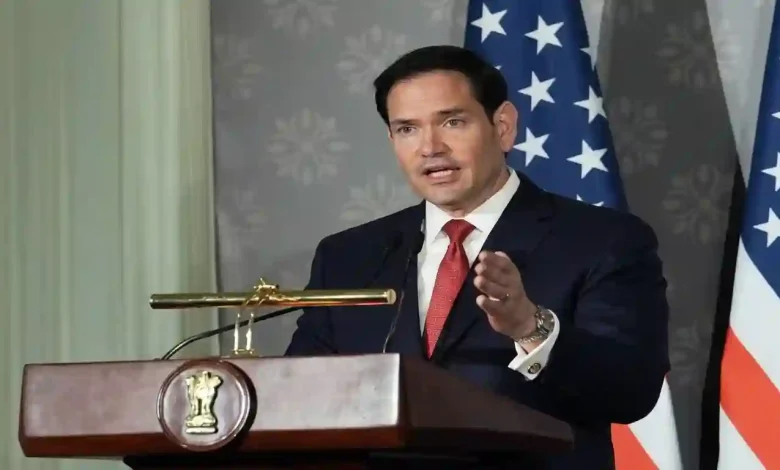
Table of Contents
Strait of Hormuz deal implementations have been thrown into jeopardy as U.S. Secretary of State Marco Rubio formally accused Tehran of failing to honor its commitments, while simultaneously asserting that Washington remains steadfastly committed to diplomacy. This delicate diplomatic dance is unfolding against a backdrop of escalating violence in the region, with U.S. military forces conducting sustained aerial operations to secure international shipping lanes. The situation has rapidly evolved into one of the most volatile maritime crises in recent memory, presenting a profound challenge to global energy security and international law.
Strait of Hormuz:Introduction: The Escalation of the Persian Gulf Crisis
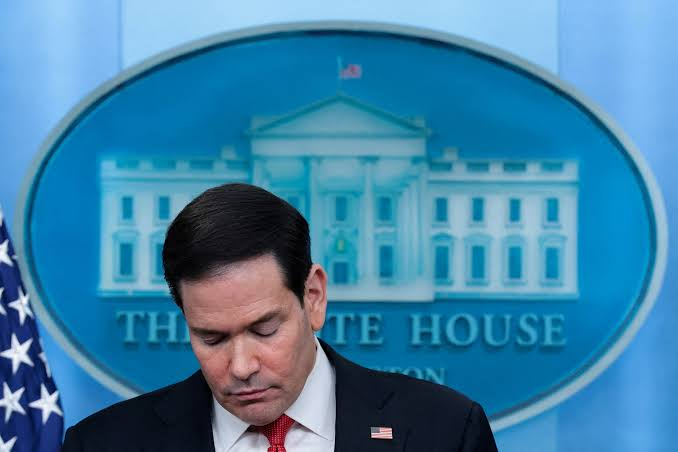
On Wednesday, July 22, 2026, U.S. Secretary of State Marco Rubio declared that Iran has blatantly disregarded the terms of the fragile maritime agreement. Speaking during a high-profile diplomatic trip, Rubio highlighted that while the United States is actively pursuing peaceful avenues, it will not hesitate to protect its strategic assets. This rhetoric comes at a highly critical moment. For eleven consecutive nights, U.S. military assets have been actively executing precision strikes on Iranian soil, attempting to neutralize the threat posed by Tehran’s forces against commercial ships. The current escalation marks a dramatic breakdown of the diplomatic gains achieved earlier this summer, raising fears of a full-scale regional conflict that could choke off global energy supplies.
Strait of Hormuz:Secretary Rubio’s Address at the ASEAN Summit in Manila
Addressing the Association of Southeast Asian Nations (ASEAN) Foreign Ministers’ meeting in Manila, Philippines, Secretary Rubio made it clear that the primary obstacle to peace is Tehran’s lack of sincerity. “The problem we’re having right now is that they’re not serious about talks,” Rubio told the regional envoys. “If they’re serious, we’re serious. If they’re not, then we will do what is necessary to protect our interest and also the interest of our allies.” Rubio’s presence at the ASEAN meeting underscored the global nature of this crisis. Although Southeast Asian nations are geographically distant from the Persian Gulf, they are highly dependent on the uninterrupted flow of oil and gas through Middle Eastern waterways. By briefing ASEAN leaders directly, the United States sought to build a broad international coalition of support, arguing that the threat to free navigation affects every trading nation on Earth.
Strait of Hormuz:The Core Dispute: Waterway Control and Freedom of Navigation
At the heart of the current conflict is Iran’s controversial demand to control maritime traffic and impose unilateral tolls on ships transiting the Strait of Hormuz. Rubio warned that allowing any nation to dictate terms in an international waterway would establish a highly dangerous precedent. “If we create a precedent in the Middle East where a nation state can decide that they are going to control an international waterway, charge a toll, and if you don’t pay them, blow up your ships, we have created a very dangerous precedent which will repeat itself in other parts of the world, including in this region,” Rubio cautioned, in an obvious nod to ongoing maritime disputes in the South China Sea.
International law, specifically the United Nations Convention on the Law of the Sea, guarantees the right of transit passage through international straits. This legal framework does not permit coastal nations to charge transit fees or obstruct commercial vessels during peaceful passage. The U.S. position is clear: the Strait of Hormuz must remain an open, unregulated corridor for global commerce. Iran’s attempt to impose a de facto Iran naval blockade on non-compliant shipping has been met with immediate, decisive military pushback from Washington and its allies.
Strait of Hormuz:U.S. Central Command’s 11-Night Strategic Bombing Campaign
While diplomats debate the legalities of waterway transit, the physical reality on the water is being shaped by raw military power. U.S. Central Command (CENTCOM) confirmed it has initiated a new round of operations, representing the eleventh consecutive night of airstrikes inside Iran. These operations are carefully calibrated to systematically degrade Tehran’s offensive capabilities. This intensive campaign follows previous periods of high-intensity conflict, such as when the military completed the U.S. airstrikes against Iran eighth night of strikes, which targeted missile launch pads.
Furthermore, as the U.S. airstrikes against Iran seventh night of operations demonstrated, the strategic objective has consistently been to disrupt the supply lines feeding Iran’s coastal defense forces. According to CENTCOM, the latest round of strikes successfully targeted military operations centers, maritime assets, aircraft hangars, drone storage facilities, and crucial military logistics infrastructure. The U.S. military remains adamant that these actions are strictly defensive, aimed at preventing further strikes on civilian energy tankers, over thirty of which have been attacked by Iran in the last ninety days.
Technical Breakdown of the Targets and Retaliatory Attacks
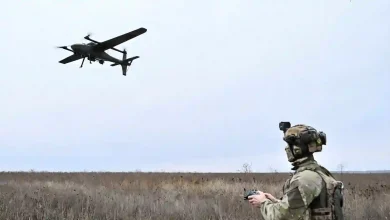
The tactical focus of the eleventh night of strikes was heavily concentrated on drone infrastructure and command installations. According to military officials, U.S. Navy and Air Force assets targeted complex storage facilities housing long-range suicide drones, which have been frequently deployed to harass civilian shipping. The ongoing campaign of strikes on Iran by US Central Command represents a massive logistical and intelligence effort, relying on precision-guided munitions to minimize civilian casualties while maximizing the destruction of military assets.
However, Iran has not remained passive. Tehran responded almost immediately with retaliatory drone and missile attacks targeting U.S. and allied military installations across the Middle East. Semi-official Iranian news sources reported that suicide drones launched by the Iranian army struck ammunition depots and accommodation facilities at Camp Doha in Kuwait and military assets in Jordan. The escalating cycle of strike and counter-strike highlights the extreme volatility of the situation, with both sides locked in a high-stakes military escalation that shows no signs of slowing down.
Chronology of the 2026 Strait of Hormuz Conflict
The roots of the 2026 crisis lie in a series of escalating incidents that began early in the year. To understand how the situation deteriorated to its current state, a chronological review of the key events is essential. After an initial outbreak of hostilities in February and March, an interim truce agreement was signed in June, only to collapse in early July as both sides accused the other of bad faith. Below is a detailed breakdown of the conflict’s progression over the course of 2026:
| Timeline & Date | Key Strategic Event | Military Action Detail | Diplomatic Status |
|---|---|---|---|
| February–March 2026 | Outbreak of Hostilities | U.S. and Israeli air campaigns to open the waterway | Diplomatic breakdown; initial ceasefires fail |
| April 13, 2026 | U.S. Naval Blockade | Enforcement of transit restrictions on Iranian ports | Islamabad talks collapse |
| June 17, 2026 | Versailles Memorandum of Understanding | Temporary cessation of hostilities | Signed by Presidents Trump and Pezeshkian |
| Early July 2026 | Breakdown of Truce | Resumed tanker attacks by Iran and proxy forces | Agreement declared null by both parties |
| July 12–22, 2026 | 11-Night Aerial Campaign | CENTCOM targeted strikes on drone and command sites | U.S. demands unconditional passage; Iran demands toll-control |
Global Economic Implications: Energy Security and Shipping Vulnerabilities
The economic consequences of the conflict are reverberating through global financial markets. The Strait of Hormuz is widely considered the world’s most vital energy transit chokepoint, through which approximately twenty percent of the global petroleum supply passes. The threat of localized warfare has caused a significant drop in commercial shipping traffic. According to maritime intelligence reports, non-Iranian linked vessel transits through the strait plummeted by nearly ninety percent year-on-year during mid-July. Furthermore, to escape targeting, many shipping operators are disabling their Automated Identification Systems (AIS), electing to transit “dark” through the dangerous waterway.
As a result of these disruptions, global energy markets have experienced extreme volatility. In early 2026, Brent Crude oil prices defied predictions, spiking past critical thresholds as traders reacted to the threat of a prolonged blockade. Economists warn that if the Strait remains highly contested, the resulting supply shocks could trigger inflation across major import-dependent economies, particularly in Asia and Europe, which rely heavily on Middle Eastern crude.
The Geopolitical Alignment: Allies, Proxies, and Rival Superpowers
The crisis is rapidly drawing in external powers, threatening to transform a regional dispute into a broader global confrontation. While the United States leads the military response, it has sought to rally its traditional allies. For instance, European powers have expressed deep concern over the disruption of trade, and the United Kingdom recently took legal action to ban certain Iran-backed proxies that have been operating internationally. These developments have heightened geopolitical tensions, echoing debates seen at recent international summits regarding collective security and freedom of navigation.
On the diplomatic front, the situation remains deeply polarized. During the ASEAN summit, Secretary Rubio held a private meeting with Chinese Foreign Minister Wang Yi. While Beijing has urged restraint, it remains highly dependent on Iranian oil and has historically opposed unilateral U.S. military action. Meanwhile, Russian Foreign Minister Sergey Lavrov stated that Moscow favors a swift resolution but criticized Western intervention, suggesting that some parties are actively seeking to prolong the conflict to serve their strategic interests.
Diplomatic Paths and the Future of Regional Relations
Despite the continuous drone strikes and heated rhetoric, the path to a diplomatic resolution remains theoretically open. Both Washington and Tehran have indicated a willingness to engage in talks, yet their core demands remain fundamentally incompatible. For a new agreement to succeed, Iran must abandon its claims to unilateral toll collection and waterway control, while the United States must offer credible guarantees regarding sanctions relief and regional security.
Rubio’s remarks in Manila underscore that the U.S. is prepared for either outcome. If Iran refuses to return to the negotiating table in good faith, the military campaign is expected to intensify further. As the conflict enters its next phase, the international community faces a critical choice: either establish a robust, collaborative mechanism to protect global shipping corridors, or prepare for a prolonged era of maritime instability that could redefine the rules of international commerce and trade for decades to come.