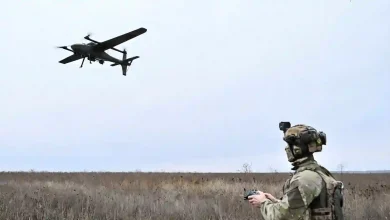
Iran-US conflict 2026 : Seventh Night of US Military Strikes
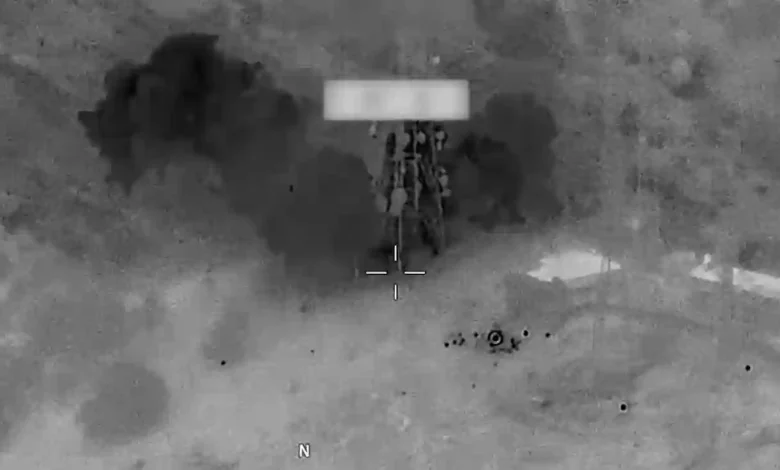
Table of Contents
Iran-US conflict has entered a highly dangerous and volatile phase after the United States military completed a seventh consecutive night of heavy airstrikes against Iranian military installations. This relentless aerial and maritime campaign follows U.S. President Donald Trump’s declarative statement that the short-lived bilateral ceasefire agreement is officially “over”. Over the past week, both nations have traded devastating blows, transforming the Persian Gulf into an active theater of war and raising global anxieties regarding energy supplies and geopolitical stability.
According to official statements released by U.S. Central Command (CENTCOM), the latest wave of operations was highly targeted, utilizing advanced fighter jets, long-range aerial drones, and guided-missile warships to strike critical infrastructure deep within Iranian territory. While the American military characterizes these operations as a defensive campaign designed to degrade Iran’s offensive and blockading capabilities, Tehran has reacted with fierce rhetorical defiance and direct retaliatory military action. Iranian forces have widened their counter-offensive, launching missile and drone strikes against several regional allies of the United States, including Kuwait, Jordan, and Bahrain. This cascading series of retaliations has dragged the broader Middle East into a direct confrontation, with critical civilian infrastructure—such as power grids, bridges, and water desalination plants—becoming collateral damage.
Overview of the Seventh Consecutive Night of Strikes
The seventh consecutive night of U.S. military bombardments on Iran was marked by high-intensity precision strikes designed to systematically dismantle the defensive and offensive networks of the Islamic Revolutionary Guard Corps (IRGC). U.S. Central Command announced that the missions concluded at approximately 21:30 ET (02:30 BST), after several hours of coordinated action involving assets deployed across multiple naval and aerial domains. CENTCOM officials confirmed that the military actions successfully neutralized dozens of targets, including coastal surveillance outposts, command-and-control centers, underground weapons caches, and fast-attack naval craft housed along the coast.
Reports from inside Iran indicated that explosions reverberated through several major cities and strategic zones. Residents in the central city of Yazd reported hearing multiple loud blasts, while state-run media confirmed hits in the southern port city of Bandar Abbas and the strategically positioned Qeshm Island. Local authorities reported that the attacks targeted logistics depots and key transportation routes, resulting in significant structural damage and disrupting domestic utilities. Meanwhile, Iranian state media immediately accused the U.S. of targeting purely civilian infrastructure, point-blank asserting that water desalination plants in Jask and multiple inland transport networks had been heavily damaged, cutting off clean drinking water to surrounding rural villages.
The Breakdown of the Ceasefire and Escalating Rhetoric
The fragile peace that briefly calmed the region shattered when the Iran-US conflict truce collapses in early July. President Donald Trump declared the temporary ceasefire agreement null and void, signaling a return to the administration’s maximum pressure campaign against Tehran. Trump’s assertion that the deal was “over” was catalyzed by intelligence pointing toward continued Iranian maritime harassment and the clandestine movement of advanced missile components into regional proxy territories. Following the collapse of diplomatic channels, rhetoric on both sides spiked to unprecedented levels, with Washington warning of total infrastructural destruction and Tehran threatening a “full-scale offensive” if American aggressions did not cease immediately.
In a defiant public address, Major General Mohsen Rezaei, a senior military adviser to Iran’s supreme leader, warned that the nation’s military would no longer restrict itself to equivalent or proportionate responses. Rezaei explicitly warned that “no political border will be safe” if U.S. strikes continue, signaling a massive expansion of the target list to include any country hosting American forces or cooperating with the Western alliance. President Trump, on the other hand, maintained a firm stance, stating that the pressure campaign would persist until Iran permanently halts its disruptive naval activity and agrees to renegotiate a comprehensive security deal from scratch.
Inside CENTCOM’s Operations and Target Selection
The operational theater was heavily centered around the strategic waterways, magnifying the Strait of Hormuz crisis. According to statements released by U.S. Central Command, the planning for the seventh night of strikes was meticulous, aiming to severely degrade Iran’s ability to project naval power. The primary targets selected included coastal radar installations, subterranean storage facilities holding anti-ship cruise missiles, and drone launch facilities located in the southern coastal provinces of Hormozgan and Sistan-Baluchestan. CENTCOM emphasized that by neutralizing these specific maritime capabilities, they aimed to restore freedom of navigation for commercial vessels traversing the region.
U.S. forces deployed a sophisticated array of hardware to execute the strikes. Guided-missile destroyers operating in the Arabian Sea launched Tomahawk land-attack missiles, while carrier-based fighter jets and long-endurance unmanned aerial vehicles (UAVs) provided real-time reconnaissance and precision bombing capabilities. Despite Iranian assertions that the U.S. deliberately hit non-military sites like airports and railway lines, the Pentagon has consistently denied striking civilian infrastructure, reiterating that every targeted site possessed clear military utility and served to support the IRGC’s aggressive posture.
Iranian Retaliation and Targeted Gulf Allies
As the Iran-US conflict escalates, regional neighbors find themselves caught directly in the crosshairs. In response to the seventh night of U.S. airstrikes, Iran unleashed a coordinated wave of ballistic missiles and explosive kamikaze drones aimed at American military installations and partner nations across the Gulf. The most severe impacts of this counter-offensive were felt in Kuwait, where local military officials confirmed that key critical infrastructure had been hit. For the second consecutive day, a primary power station and a major water desalination plant in Kuwait were struck, causing localized utility outages and raising concerns over the security of civilian resources.
Iranian state television openly claimed responsibility for launching ballistic missiles and unmanned aerial drones at key assets, demonstrating how strikes escalate in the Gulf. Beyond Kuwait, Jordan’s military forces reported a highly active night, with air defense batteries successfully intercepting ten Iranian missiles that entered Jordanian airspace. Jordan’s armed forces confirmed that no casualties or major structural damages were recorded on their soil, but the sheer volume of intercepted ordnance highlighted the expanding geographical scope of the conflict. Bahrain and Qatar have similarly been placed on high alert as the IRGC claims further successful operations against Western military assets in the region, creating a highly volatile security environment for the entire Arab league.
The Strait of Hormuz and the Halt of Global Shipping
Amid these relentless exchanges, the maritime blockade has been aggressively enforced. When the U.S. reimposes port bans on Iranian-controlled terminals, Tehran responded by imposing a de facto blockade on all commercial transit passing through the Strait of Hormuz. The Strait, which serves as a vital artery accounting for approximately one-fifth of the world’s petroleum and liquefied natural gas (LNG) supply, has effectively ground to a complete halt. Maritime safety groups and risk management companies have warned commercial shipping lines that transiting the waterway carries extreme danger due to active naval engagements, sea mines, and drone attacks.
With shipping lines refusing to risk transit through the narrow waterway, the unresolved Strait of Hormuz conflict has pushed Brent Crude oil prices up by more than four percent, triggering immediate fears of global inflation and fuel shortages. The CEO of a prominent Athens-based maritime risk firm remarked that shipping industries have essentially entered a “worst-case scenario,” with insurance premiums skyrocketing and vessel captains anchoring in safe zones rather than risking passage. The standoff escalated further as the IRGC claimed to have boarded and detained several commercial ships violating their transit protocols, while the U.S. Navy countered by boarding and redirecting vessels suspected of smuggling Iranian crude.
The Progression of Hostilities: A Week of Daily Strikes
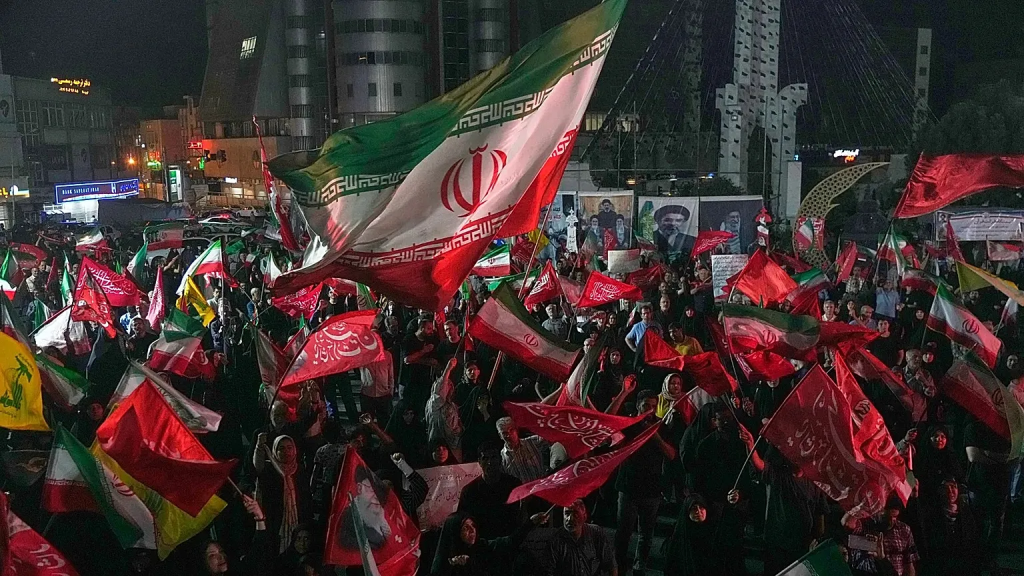
The seventh night of bombardments represents a critical escalation following the devastating sixth night of US attacks, which heavily damaged civilian and military bridges, coastal defense radar hubs, and regional transport infrastructure. Over the course of the week, the target lists have expanded from strictly defined military outposts to dual-use infrastructure, amplifying the economic pain felt on the ground in Iran.
Additionally, reports from the sixth night of U.S. strikes highlighted the hit on Iranshahr Airport and regional logistics chains, which the Pentagon stated were actively being utilized to transport attack drones and munitions to the coast. The following table summarizes the key military developments, targeted locations, and retaliatory measures observed over the last week of intense conflict:
| Night of Conflict | Primary U.S. Targets | Iranian Retaliatory Moves | Impact on Maritime & Regional Security |
|---|---|---|---|
| Nights 1–3 | Coastal radar networks, air defense batteries, and IRGC fast-boat harbor facilities. | Localized rocket and mortar attacks targeting U.S. bases in Iraq. | Slight increase in commercial shipping insurance rates; naval patrols stepped up. |
| Nights 4–5 | Subterranean weapons storage facilities, command posts, and ammunition bunkers. | Drone incursions targeting U.S. naval vessels in the Persian Gulf. | Shipping companies begin rerouting tankers around the Cape of Good Hope. |
| Night 6 | Strategic logistics bridges in Hormozgan, Iranshahr Airport, and train stations. | Missile strikes hitting Kuwaiti desalination facilities and injuring soldiers. | Strait of Hormuz is effectively closed; oil prices spike by 4% globally. |
| Night 7 | Surveillance sites, military logistics hubs, and maritime fast-attack assets. | Ballistic missiles fired at Kuwait and Jordan; sea mines deployed in shipping lanes. | Complete standstill of commercial traffic; regional airspace closures. |
Geopolitical Fallout and Economic Ramifications
The geopolitical shockwaves of the reignited war are reverberating far beyond the borders of the Middle East. With congressional mid-term elections rapidly approaching in the United States, the sudden surge in global energy prices has placed immense political pressure on President Donald Trump and his Republican allies. Rising fuel costs at home are threatening to overshadow domestic economic gains, prompting fierce criticism from political opponents who argue that resuming an open-ended conflict in the Middle East is a high-risk gamble with minimal strategic benefit. Despite the growing domestic political risks, the Trump administration remains resolute, asserting that allowing Iran to block international waterways without a decisive military response would set a highly dangerous global precedent.
Concurrently, European and Asian economies are bracing for the long-term impact of a prolonged shipping freeze in the Persian Gulf. Major energy importers like Japan, South Korea, and several European Union member states rely heavily on the daily flow of crude and LNG through the Strait of Hormuz. If the blockade remains in effect for several more weeks, global manufacturing supply chains could face severe disruption, pushing central banks to reconsider their monetary policies amid fears of a renewed inflationary wave. Diplomatic missions from neutral nations are working tirelessly behind the scenes to establish a framework for a new ceasefire, but both Washington and Tehran appear unwilling to take the first step toward de-escalation.
Conclusion and the Path Forward
Ultimately, the seventh night of airstrikes has demonstrated that neither the United States nor Iran is prepared to back down in this high-stakes game of military brinkmanship. As CENTCOM maintains its round-the-clock bombardment of strategic Iranian assets, the risk of the conflict spilling over into a full-scale regional war grows with each passing hour. The targeting of civilian infrastructure in Kuwait and the interception of missiles over Jordan underscore the reality that the safety of the entire region is tethered to the stability of the U.S.-Iranian dynamic. Without a clear diplomatic off-ramp, the Persian Gulf remains on a knife-edge, with the global economy hanging in the balance as military forces prepare for the possibility of an eighth consecutive night of warfare.