Strait of Hormuz conflict 2026: Trump Reinstates Blockade as Tensions Surge
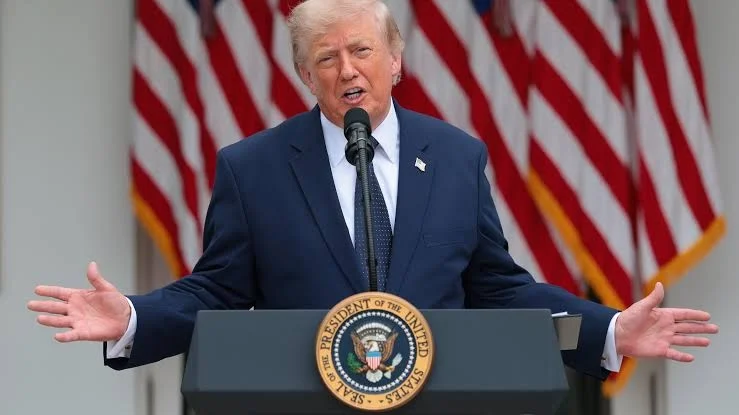
Table of Contents
Strait of Hormuz conflict has entered a highly critical state, completely dismantling the fragile peace agreement brokered in early June. After a brief window where regional shipping traffic began to show tentative signs of recovery, a sudden and violent series of kinetic engagements has pushed the Middle East back to the brink of a major regional war. The collapse of the June ceasefire has triggered a cascading sequence of military retaliations, leaving the world’s most critical energy transit corridor largely vacant of commercial shipping. This dramatic turn of events underscores the volatility of maritime security in the Persian Gulf and highlights how quickly diplomatic progress can unravel in the face of deep-seated geopolitical rivalries.
Introduction: The Collapse of the Mid-2026 Maritime Truce
For a brief period in June 2026, international observers expressed cautious optimism that the devastating regional war, which initially began in late February, might finally be drawing to a close. An interim agreement reached on June 17 had successfully reopened the Strait of Hormuz to civilian and commercial maritime traffic, causing global energy markets to breathe a collective sigh of relief as Brent crude prices steadily eased. Tanker traffic, which had dropped to historic lows during the first phase of the war, steadily began to pick up. Between late June and early July, shipping volumes reached their highest levels since the outbreak of hostilities, offering hope that global trade routes were normalizing.
However, this stability proved to be short-lived. The delicate framework of the ceasefire began to fracture as underlying disputes remained unresolved. The rapid escalation of the escalation of the Iran-US conflict over the past week has shattered any remaining hopes of a near-term diplomatic resolution, bringing both nations back into direct and violent military confrontation. Today, the vital waterway is once again the center of a high-stakes standoff, threatening to plunge the global economy into a prolonged energy crisis.
Chronology of the July Escalation
The transition from a fragile peace back to active hostilities occurred with staggering speed over a seven-day period in July 2026. A rapid series of actions and reactions culminated in a complete closure of the shipping lane and the reinstating of severe maritime restrictions.
July 7: Attacks on Three Commercial Vessels
The catalyst for the current crisis occurred on July 7, when Iranian forces launched coordinated attacks targeting three commercial cargo vessels navigating in or near the Strait of Hormuz. These vessels, sailing under neutral flags, were struck by a combination of drones and cruise missiles, signaling a sudden and aggressive shift in Tehran’s maritime strategy. The immediate and severe nature of these attacks shocked international shipping operators, prompting several major fleets to order their vessels to halt transit or immediately divert from the area.
In response to these maritime strikes, the United States military immediately mobilized. Operating under instructions from President Donald Trump, the U.S. Central Command (CENTCOM) resumed defensive and retaliatory airstrikes on Iranian territory. These initial strikes targeted coastal radar installations, drone launch pads, and missile storage facilities along the southern coast of Iran, aiming to degrade the country’s asymmetric attack capabilities.
July 12: Iran Declares the Waterway Closed
As the air campaign intensified, with U.S. forces conducting consecutive nights of strikes, the diplomatic channels completely collapsed. On July 12, following another heavy round of U.S. aerial bombardment, Iran’s foreign ministry condemned the strikes, claiming they rendered all prior diplomatic efforts entirely futile. In a dramatic declaration of defiance, Tehran officially declared the Strait of Hormuz closed to all international shipping.
The Islamic Revolutionary Guard Corps (IRGC) warned that any attempt by foreign vessels to transit the narrow corridor would be met with overwhelming force. To enforce this decree, the IRGC deployed anti-ship cruise missiles, active maritime mines, and swarms of fast-attack craft along the vital maritime chokepoint. Concurrently, Iran-aligned forces launched retailatory rocket and drone strikes against U.S. military facilities and logistics hubs in neighboring Gulf states.
July 13: The US Blockade and Twenty Percent Transit Fee
On July 13, President Donald Trump delivered a swift and uncompromising response to Iran’s closure declaration. Speaking to reporters and publishing statements online, Trump insisted that the Strait of Hormuz remains open and will remain open, with or without Iran’s cooperation. He emphasized that the United States would not allow a hostile foreign power to hold the global economy hostage by blocking a critical maritime highway.
To back this assertion, President Trump formally announced that the United States had reinstated a naval blockade against ships transiting to or from Iranian ports. This targeted maritime blockade, enforced by U.S. naval assets operating in the Gulf of Oman, specifically targets ships and customers carrying goods to or from Iranian coastal zones while theoretically leaving the strait open for neutral, non-Iranian trade.
Furthermore, in a controversial policy shift that drew immediate international scrutiny, Trump announced plans to charge a 20 percent tariff or transit fee on all cargo shipped through the Strait of Hormuz. According to the administration, this fee is intended to reimburse the United States for the substantial financial and military costs incurred while providing safety and security to this highly volatile region of the world.
Quantitative Impact: Measuring Vessel Transit Volumes
The concrete impact of this military escalation is visible in the physical drop in commercial shipping volumes. Media organizations, including CNN and maritime analytics firms, have been tracking the dramatic collapse of transit activity through maps and charts.
During the brief period of peace in late June, shipping volumes had recovered significantly as maritime insurance rates dropped and shipping firms regained confidence. However, the resumption of hostilities on July 7, followed by the declaration of closure on July 12 and the subsequent U.S. blockade, has completely paralyzed commercial operations.
| Time Period | Vessel Transits (>10,000 dwt) | Operational and Geopolitical Status |
|---|---|---|
| June 22 – June 28, 2026 | 218 transits | Ceasefire active; shipping volume reaches post-war peak. |
| July 6 – July 12, 2026 | 89 transits | Asymmetric attacks begin on July 7; transit volume drops rapidly. |
| July 16 – July 17, 2026 (24-Hour Period) | 3 transits | Strait declared closed; U.S. blockade reinstated. Traffic almost stops. |
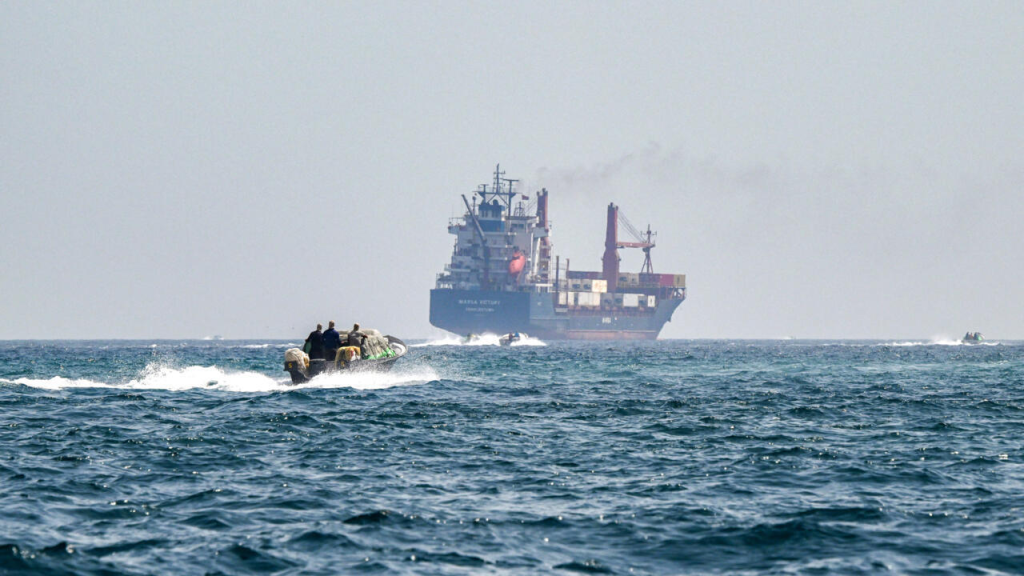
According to real-time tracking data, only three commodity-carrying vessels crossed the Strait of Hormuz over a 24-hour period ending on Friday, July 17. This represent the absolute lowest daily transit volume recorded since the initial blockades in May, illustrating the total freeze in regional commercial shipping.
Military Escalation and Air Defense Operations
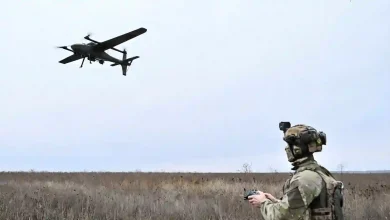
On the tactical front, the conflict has rapidly devolved into a campaign of attrition. United States forces, operating under the command of CENTCOM, have launched successive nights of air strikes targeting critical Iranian infrastructure, including key logistical bridges, coastal defenses, and drone manufacturing centers along the Hormozgan province. Concurrently, regional air defense networks have been forced to react to retaliatory missile volleys, similar to the tactical shifts observed during unmanned aerial vehicle defense operations in Eastern Europe.
These intense defensive engagements have extended beyond the immediate Persian Gulf. The Jordanian military recently reported intercepting and shooting down several Iranian missiles transiting its airspace, while regional actors in Oman and Bahrain have had to contend with stray projectiles and targeted proxy strikes. The broad geography of these engagements illustrates the high danger of a full-scale regional spillover, as both sides utilize advanced missile, drone, and electronic warfare capabilities to secure tactical leverage.
Global Economic Fallout and Supply Chain Preasures
The closure of the world’s most critical energy chokepoint has immediate, severe consequences for global trade. Energy markets reacted swiftly to the renewed fighting, with Brent crude futures surging by nearly eight percent immediately following the blockade announcement. The threat of a prolonged disruption in oil and liquefied natural gas (LNG) shipments looms large over global markets, just as global trade is suffering from the slowing of China’s economic growth.
For international logistics and transport corporations, the crisis translates to astronomical hull insurance premiums, massive fuel surcharges, and costly rerouting delays around the Cape of Good Hope. Furthermore, the introduction of President Trump’s proposed transit tariff has sparked deep anger among close international partners. Brazilian President Luiz Inacio Lula da Silva fiercely criticized the plan, calling the idea of a U.S.-imposed fee on international vessels “piracy”. This pushback highlights how the economic countermeasures utilized by Washington could strain traditional alliances and introduce new frictions into international maritime law.
The Domestic Political Battle Over War Powers
As the military campaign intensifies abroad, it has simultaneously ignited a fierce political and constitutional debate within the United States. Following the resumption of hostilities on July 7, President Trump formally notified congressional leaders under the War Powers Resolution. The administration asserts that this notification opens a new 60-day window for the executive branch to utilize the military in the Middle East without requiring formal legislative approval.
However, this interpretation has met with fierce resistance from congressional Democrats, who argue that the military action is unauthorized and that the administration cannot unilaterally reset the War Powers clock. This domestic constitutional struggle has complicated the administration’s strategic positioning, demanding closer scrutiny of unilateral executive war powers, which has distracted key figures involved in legislative oversight in Washington.
These deep domestic political divides are playing out against a backdrop of complex socio-economic realities at home. The financial strain of securing distant trade lanes and managing high military operational costs comes even as domestic economic anxieties continue with high-profile corporate restructurings and tech sector layoffs. Balancing aggressive foreign policy objectives with a fragile domestic economy and a highly divided legislature remains one of the most critical challenges facing the administration as the military campaign drags on.
Conclusion: A Protracted Campaign of Attrition
The swift collapse of the mid-2026 maritime truce highlights the immense difficulty of resolving deep-seated geopolitical conflicts through fragile, short-term agreements. With only a handful of ships willing to risk transit through the Strait of Hormuz, the region has effectively transitioned back into a state of active blockade and military attrition. The current posture of both the United States and Iran suggests that neither side is prepared to back down, raising the likelihood of a protracted and economically painful conflict.
As international organizations and diplomatic bodies scramble to find a viable path toward de-escalation, the global logistics network must adapt to a highly unstable reality. Securing these vital trade routes continues to stretch international logistical channels and testing global emergency response capabilities on a scale not seen in decades. Until a comprehensive and durable security framework can be established in the Persian Gulf, the Strait of Hormuz will remain a highly dangerous flashpoint, capable of triggering severe economic and military shocks at a moment’s notice.