Bill Pulte Appointment Sparks Battle Over FISA Section 702
Bill Pulte and the Surprising Rise to Acting DNI
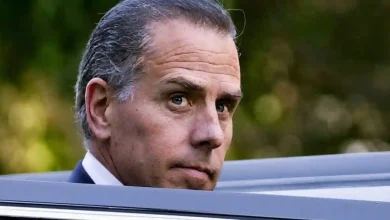
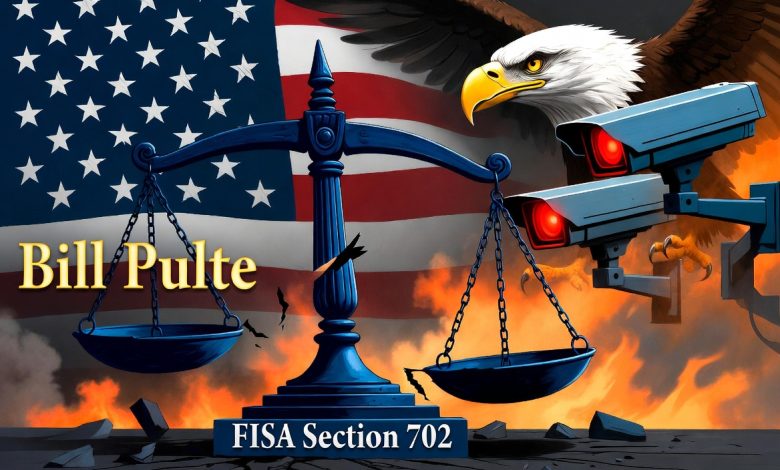
Bill Pulte, the director of the Federal Housing Finance Agency (FHFA), has been selected by President Donald Trump as the acting director of national intelligence, a decision that has triggered a severe political crisis on Capitol Hill and thrown the future of American electronic surveillance into chaos. By elevating a housing finance regulator with zero experience in national security to oversee the country’s 18 distinct intelligence agencies—including the CIA, NSA, and FBI—the administration has provoked intense fury from congressional Democrats and deep anxiety among several key Republicans. This controversial appointment comes at a critical moment, as the statutory authorization for Section 702 of the Foreign Intelligence Surveillance Act (FISA) is on the verge of expiring. Lawmakers from both sides of the aisle are now warning that the backlash against his leadership could cause this essential spy program to lapse entirely, highlighting a profound struggle between executive authority, legislative oversight, and civil liberties.
Tulsi Gabbard’s Exit and the Transition to Acting Leadership
The sudden transition in the leadership of the Office of the Director of National Intelligence (ODNI) began when Tulsi Gabbard, the former Hawaii congresswoman, announced her resignation to support her husband following a serious medical diagnosis. While Gabbard’s tenure had already drawn criticism from some establishment foreign policy figures, her departure created an immediate vacancy at the top of the nation’s intelligence apparatus. Trump initially named Deputy Director Aaron Lukas, a seasoned former CIA officer, to fill the role temporarily. However, in a surprising reversal, the president announced on social media that he would bypass established intelligence professionals to install his staunch political ally, Bill Pulte.
Under federal law, an acting director can serve for up to 210 days without Senate confirmation, a loophole that allows the administration to maintain Pulte in the role through the upcoming midterm elections in November. Trump clarified that Pulte would not be nominated as the permanent director, which would require a bruising confirmation battle in the Senate. Instead, Pulte is scheduled to officially assume his acting duties on June 19, even as he continues to serve as the director of the FHFA and chairman of mortgage giants Fannie Mae and Freddie Mac. This double-hatting has drawn disbelief from national security experts, who argue that managing a $10 trillion housing portfolio and directing the nation’s global espionage operations are both demanding, full-time responsibilities.
A Highly Charged Record: Mortgage Fraud Investigations and Retribution Charges
Pulte’s tenure at the FHFA has been marked by fierce controversy, making his transition to the intelligence community a highly polarizing event. Rather than focusing solely on housing policy, Pulte has utilized his position to initiate a series of criminal referrals to the Department of Justice, accusing prominent political adversaries of the president of committing mortgage fraud. Among the targets of his probes are high-profile Democratic figures, including Senator Adam Schiff, former Representative Eric Swalwell, New York Attorney General Letitia James, Federal Reserve Board Governor Lisa Cook, and Fulton County District Attorney Fani Willis. All of the accused have vehemently denied any wrongdoing, characterizing the investigations as meritless, selective, and politically motivated campaigns of retribution.
Congressional Democrats have aggressively questioned Pulte’s conduct, requesting that the nonpartisan Government Accountability Office (GAO) investigate whether he has misused federal authority and public resources to target Trump’s political enemies. While a federal grand jury ultimately declined to indict Attorney General James in one such case, the aggressive nature of these referrals has raised alarm bells among civil liberties advocates. Critics argue that appointing an official with a documented history of weaponizing regulatory powers against political rivals to oversee the world’s most powerful surveillance apparatus is a recipe for systemic abuse. Former intelligence officers have publicly expressed their dismay, warning that Pulte could use the sweeping capabilities of the national security state to further partisan vendettas.
Understanding Section 702 of the Foreign Intelligence Surveillance Act
At the center of the legislative storm surrounding Pulte’s appointment is Section 702 of the Foreign Intelligence Surveillance Act (FISA). Originally enacted in the wake of the September 11 terrorist attacks, Section 702 grants the federal government the authority to intercept the electronic communications of foreign nationals residing outside the United States without first obtaining a judicial warrant. This program allows agencies like the National Security Agency (NSA) to collect massive quantities of emails, text messages, phone calls, and other digital data from major American tech companies and internet service providers to track foreign threats, combat espionage, and prevent cyberattacks.
However, Section 702 has long been a lightning rod for criticism because of its “backdoor search” loophole. While the surveillance targets non-citizens abroad, the communications collected inevitably include the digital conversations of American citizens who are interacting with those foreign targets. Once this data is swept into massive government databases, domestic law enforcement agencies, including the FBI, can “query” the database using the identifiers of American citizens without demonstrating probable cause or obtaining a search warrant. Privacy advocates from across the political spectrum have warned that this practice effectively bypasses the Fourth Amendment’s protections against warrantless searches, making the program highly susceptible to domestic overreach.
The Congressional Deadlock: Why Pulte’s Pick Threw a Grenade into Negotiations
The push to renew Section 702 was already facing severe headwinds before Pulte’s name was put forward, as a fragile coalition of bipartisan reformers and national security pragmatists struggled to reach an agreement on privacy safeguards. Many Democrats and libertarian-leaning Republicans have insisted on inserting a strict warrant requirement that would force federal agents to get a judge’s approval before searching the communications of Americans. In contrast, administration officials and intelligence leaders have argued that a warrant requirement would paralyze national security operations, slow down time-sensitive investigations, and blind the government to imminent domestic threats.
By appointing Pulte, Trump effectively derailed the delicate compromise that was beginning to take shape in the Senate. Senate Intelligence Committee Vice Chairman Mark Warner and other senior Democrats immediately warned that they would withhold all support for the FISA reauthorization as long as Pulte remained slated to lead the ODNI. Democrats argue that they cannot in good faith vote to renew a powerful and easily abused warrantless spying program when its ultimate overseer is a political loyalist with a record of attacking the president’s critics. This sudden shift has shattered the bipartisan consensus needed to clear the 60-vote threshold in the Senate, bringing negotiations to an abrupt and dramatic halt.
Bipartisan Resistance and the Threat to U.S. Spy Powers
The opposition to Pulte’s appointment is not limited to Democrats. Several prominent Republican senators have voiced deep unease with the selection, recognizing that the choice of an acting director with no national security background has placed a vital intelligence tool in jeopardy. Senators John Cornyn of Texas, Thom Tillis of North Carolina, and Bill Cassidy of Louisiana have openly expressed their concerns, urging the White House to reconsider the move to break the legislative logjam. Cornyn emphasized that materials generated by FISA Section 702 make up approximately 60 percent of the President’s Daily Brief, making the program too important to risk over a highly politicized acting appointment.
Despite these warnings, Trump has stood firmly behind his decision, using his platform on Truth Social to reassert his confidence in Pulte’s administrative capabilities. As reported by The Guardian, House Speaker Mike Johnson recently met with the president at the White House to negotiate a path forward on the surveillance bill, but emerged with few public updates on how the standoff would be resolved. Meanwhile, Senate Majority Leader John Thune has encouraged the administration to announce a permanent, qualified nominee for the DNI post as soon as possible, believing that doing so would restore the trust necessary to salvage the FISA renewal before the looming deadline.
Key Personnel and Policy Differences: Gabbard vs. Pulte
To understand the dramatic shift in leadership style and institutional focus at the ODNI, it is useful to compare the profiles and objectives of the outgoing director, Tulsi Gabbard, and the incoming acting director, Bill Pulte.
| Metric/Characteristic | Tulsi Gabbard (Former DNI) | Bill Pulte (Incoming Acting DNI) |
|---|---|---|
| Prior Background | U.S. Representative (HI), Army National Guard veteran, Foreign Affairs Committee member | FHFA Director, Chairman of Fannie Mae/Freddie Mac, Real Estate Investment Scion |
| Intelligence Experience | Limited, but possesses military and congressional foreign policy exposure | None; primary expertise lies in corporate finance, real estate, and housing regulation |
| Key Political Focus | Skepticism of foreign interventions, criticism of neoconservative policies | Aggressive prosecution of mortgage fraud and targeting political adversaries |
| Institutional Goals for ODNI | Reframing threat assessments and reviewing traditional intelligence paradigms | Executing substantial workforce reductions and reducing the agency’s footprint |
| Senate Confirmation Status | Fully confirmed by the Senate | Acting basis (up to 210 days); will bypass confirmation hearings |
Implications for the Intelligence Community and Workforce Reductions
The controversy surrounding Pulte is further amplified by the specific mandate Trump has given him. Rather than seeking to maintain stability, Trump has explicitly directed Pulte to initiate significant workforce reductions and structural downsizing within the ODNI. In interviews, the president has expressed his long-held belief that the intelligence apparatus has grown too large, bloated, and insulated from political accountability, describing parts of the agency as “unnecessary”. By placing an acting official who is “less shackled” by the typical bureaucratic norms of the intelligence community, Trump hopes to execute sweeping changes that a permanent, Senate-confirmed director might resist.
Career intelligence professionals and national security analysts have expressed profound alarm over this directive. They warn that gutting the ODNI—which was created after the 9/11 attacks to facilitate information sharing and prevent the kind of communication breakdowns that allowed the tragedy to occur—could severely damage the country’s national security readiness. At a time of intense global volatility, including critical conflicts in Eastern Europe and the Middle East, critics argue that reducing the capability of the central coordinating body for U.S. espionage is dangerous. The combination of Pulte’s lack of expertise, his history of domestic political investigations, and his mandate to downsize the agency has created a deep sense of unease within the ranks of the nation’s intelligence workforce.
The Constitutional Debate: Balancing National Security and Civil Liberties
Ultimately, the standoff over Bill Pulte and FISA Section 702 highlights a classic constitutional dilemma that has occupied American political thought since the founding of the republic. The debate centers on how to balance the executive branch’s duty to protect the nation from foreign adversaries with the constitutional obligation to respect the privacy and civil liberties of its citizens. This delicate balance is compromised when the leadership of powerful, warrantless surveillance programs is handed to officials who are perceived as highly partisan and willing to use federal power to punish political opponents.
As the deadline for Section 702’s expiration approaches, the legislative options are narrowing. Under the terms of the law, even if the statute lapses, the intelligence community can continue conducting surveillance under existing, year-long certifications issued by the FISA court, which remain valid until early 2027. However, allowing the program to lapse without a formal legislative reauthorization would represent a significant failure for the administration and would leave the program in a state of long-term legal uncertainty. To resolve this crisis, the White House will likely need to address congressional concerns regarding Pulte’s role, proving once again that in the American system, national security cannot be entirely separated from public trust and bipartisan consensus.