Hormuz Crash 2026: Trump Confirms Pilots Safe in Gulf Standoff
Hormuz, the highly contested strategic shipping corridor, became the focal point of international concern yet again on Tuesday morning as reports surfaced of a U.S. Army Apache attack helicopter crashing near its vital waters. Against the backdrop of the ongoing, high-stakes military conflict between the United States and Iran, any aerial or naval incident in this region risks triggering an immediate and catastrophic escalation. The incident, first brought to light by The New York Times, has sent shockwaves through defense circles, though early statements from the White House have sought to temper panic by assuring the public of the flight crew’s survival.
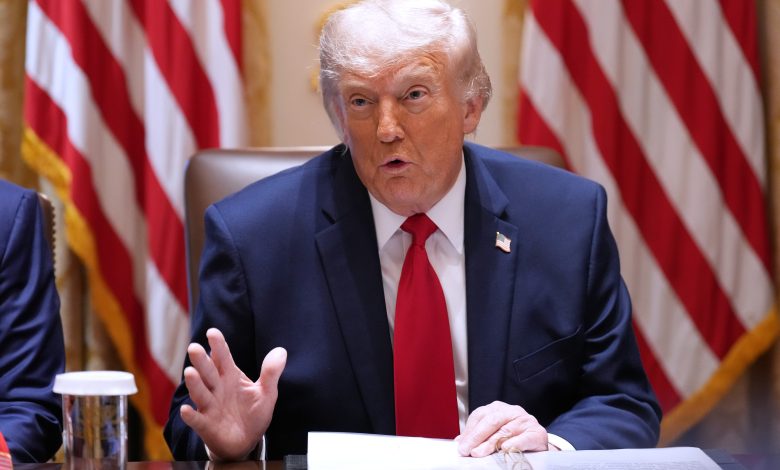
President Donald Trump, speaking to reporters on the tarmac of John F. Kennedy International Airport in New York before boarding Air Force One early Tuesday, confirmed that the crew members were successfully rescued. “The pilots are fine,” Trump stated, addressing the press corps after attending an NBA Finals game. “Nobody injured. We are going to issue a report tomorrow, but the pilots are fine, yeah.” While the president’s tone was reassuring, the circumstances surrounding why the advanced military aircraft went down over or near the heavily militarized waterway remain shrouded in mystery and military secrecy.
Hormuz Crisis: An Overview of the Helicopter Incident
The downed AH-64 Apache represents a highly sophisticated component of the U.S. military’s tactical framework in the Middle East. Operating under the United States Central Command (CENTCOM), these dual-engine attack helicopters are normally utilized for close air support, precision strikes, and maritime interdiction. The fact that such an asset went down near the Strait of Hormuz—a narrow passage that has been a volatile flashpoint for decades—immediately raised fears of a direct hostile engagement with Iranian air defenses or electronic warfare units.
While Washington has yet to release its formal intelligence assessment, the timing of the crash is particularly precarious. The incident occurred in the immediate aftermath of a highly dangerous exchange of missile and drone fire between Iran and Israel. Although the two regional adversaries reportedly pulled back from the brink of all-out war following intensive behind-the-scenes diplomatic pressure from the United States, the nominal ceasefire remains incredibly fragile. Any unexpected loss of American military hardware in the Gulf could easily be interpreted as a provocative act, potentially dismantling weeks of tense, back-channel negotiations.
The Apache Helicopter Downing: What We Know So Far(Hormuz )
According to preliminary military sources and early reporting, the U.S. Army Apache helicopter was conducting routine maritime patrol operations when the incident occurred. The precise location of the crash remains classified, though it is confirmed to have taken place in close proximity to the Strait. Immediately following the aircraft’s descent, search-and-rescue teams deployed rapidly from nearby naval assets, successfully recovering both pilots without any reported injuries.
The U.S. Department of Defense and CENTCOM have declined to provide immediate technical details, citing operational security. Analysts are currently debating three primary possibilities for the crash:
- Hostile Ground Fire or Electronic Warfare: Given Iran’s advanced integrated air defense networks and electronic jamming capabilities, there is concern that the helicopter may have been targeted or electronically disabled. During the current conflict, Iran has successfully downed approximately 30 MQ-9 Reaper drones and several other strike aircraft, proving the efficacy of their anti-air capabilities.
- Mechanical Failure: The intense operating environment of the Persian Gulf, characterized by extreme heat, high humidity, and corrosive saltwater air, places immense stress on rotary-wing aircraft. Technical failures remain a persistent risk for active-duty helicopters.
- Pilot Spatial Disorientation: Night-time over-water flights present unique optical illusions and sensory challenges for pilots, which can occasionally lead to controlled flight into terrain or water.
While the administration plans to publish a comprehensive investigative report, this loss marks a notable event in the theater of operations. Although multiple U.S. jet fighters and unmanned aerial vehicles (UAVs) have been lost to both hostile action and operational mishaps since the conflict erupted on February 28, 2026, this is the first documented loss of an AH-64 Apache in this specific campaign.
President Trump’s Reassurance: “The Pilots Are Fine”
President Trump’s impromptu remarks at JFK International Airport were designed to project control and calm a jittery public. By immediately clarifying that the crew survived unharmed, the administration aimed to preempt speculation of a catastrophic combat casualty event that could demand a major retaliatory strike. The president’s statement that “the pilots are fine” served to lower the immediate geopolitical temperature, allowing diplomats and military commanders space to investigate the incident objectively.
This messaging strategy aligns with broader administration efforts to shape the narrative surrounding the war. Public sentiment plays a critical role in sustaining prolonged military engagements, and the White House has consistently sought to reassure the American electorate of U.S. operational superiority. Despite the material losses in terms of drones and equipment, a substantial portion of domestic public opinion regarding the conflict remains optimistic, with many believing the coalition is effectively containing the threat. A high-casualty event over the Strait of Hormuz could drastically shift this political dynamic, which explains why the president placed such heavy emphasis on the safety of the flight crew.
The Geopolitical Standoff Over the Strait of Hormuz
The Strait of Hormuz is widely regarded as the single most critical maritime chokepoint in the world. Measuring only 21 miles wide at its narrowest point, the shipping lane normally handles over 20 million barrels of crude oil per day—representing roughly one-fifth of global consumption. However, since the outbreak of hostilities in early 2026, the Strait has been virtually shut down due to a stringent Iranian blockade. Iran has utilized a combination of naval mines, coastal anti-ship missile batteries, and swarming fast attack craft to deny passage to international commercial shipping.
In response, the United States has deployed a massive naval and aerial task force to counter Tehran’s denial strategy. This dynamic has resulted in a grueling, protracted confrontation. President Trump’s ongoing blockade strategy has focused on choking off Iran’s remaining crude exports while establishing secured corridors for allied shipping. Yet, the persistent presence of Iranian naval assets and land-based missile systems means that every flight and naval transit through the Gulf is conducted under maximum alert conditions.
A Fragile Ceasefire Strained by Recent Exchanges
The helicopter crash occurred during a window of extreme regional sensitivity. While a nominal ceasefire brokered in April 2026 has managed to prevent full-scale ground invasions, it has done little to stop localized skirmishes and proxy attacks. Just twenty-four hours before the Apache went down, Israeli and Iranian forces engaged in a direct, high-intensity missile exchange. Although both sides ultimately signaled a willingness to de-escalate following intense diplomatic intervention, the incident proved just how quickly the region can slide back into open warfare.
Operating military aircraft in such an active combat zone means navigating a highly congested and hostile airspace. Air defense batteries on both sides of the Gulf are primed for rapid engagement, heightening the risk of accidental shootdowns or tragic misidentifications. Whether the Apache’s crash was a result of mechanical failure or a localized engagement, the incident underscores the severe challenges of maintaining a ceasefire when thousands of highly armed forces are operating in close proximity.
The Economic Fallout of the Blockade
The closure of the Strait of Hormuz has had devastating consequences for the global economy. With one-fifth of the world’s oil supply trapped behind the blockade, global energy markets have experienced historic shocks. Shortly after the initial closure, oil prices surged past $110 per barrel, leading to widespread inflation and energy shortages across Europe and Asia. Over 2,000 commercial vessels, including massive supertankers, have been left stranded in the Persian Gulf and the Arabian Sea, unable to secure safe passage through the contested waters.
To understand the sheer scale of the current crisis, it is useful to compare the 2026 blockade of the Strait of Hormuz with prior historical maritime disruptions:
| Crisis / Blockade Year | Waterway Involved | Daily Oil Volume Affected | Global Economic Impact |
|---|---|---|---|
| US-Iran War (2026) | Strait of Hormuz | Approx. 20-21 million barrels | Severe inflation; oil spikes past $110/barrel; 2,000+ ships stranded. |
| Tanker War (1980-1988) | Persian Gulf / Hormuz | Approx. 7-10 million barrels | Moderate price spikes; international naval escort operations. |
| Suez Crisis (1956) | Suez Canal | Minimal crude (mostly regional) | Severe European fuel shortages; regional shipping diverted around Africa. |
| Yom Kippur War (1973) | Bab el-Mandeb & Suez | N/A (Embargo-driven) | Quadrupling of global oil prices; major 1970s global stagflation. |
The data clearly illustrates that the 2026 crisis represents the most severe disruption to maritime energy transit in modern history. The economic pressure on both Washington and Tehran to resolve the standoff is immense, yet neither side appears willing to back down without securing significant strategic concessions.
The Strategic Role of Apache Helicopters in the Conflict
While AH-64 Apaches are traditionally viewed as land-based assets designed to destroy enemy armor, the U.S. military has adapted these versatile platforms for maritime operations in the Persian Gulf. Their advanced sensor suites, including the APG-78 Longbow fire-control radar, make them exceptionally well-suited for tracking and targeting small, fast-moving surface vessels. In the narrow waters of the Gulf, where Iran relies heavily on swarm tactics using armed speedboats, the Apache acts as a lethal counter-measure.
Apaches can operate directly from the decks of U.S. Navy expeditionary mobile bases and amphibious assault ships. Armed with Hellfire missiles, Hydra rockets, and a 30mm automatic cannon, they provide a rapid-response capability that can intercept Iranian hostile vessels before they can threaten commercial shipping or naval convoys. However, operating low-altitude rotary-wing aircraft in close proximity to hostile coastlines exposes them to shoulder-fired surface-to-air missiles (MANPADS) and heavy anti-aircraft artillery, representing a high-risk operational profile.
US Military Strategy in the Gulf
The loss of the Apache helicopter reflects the intense operational tempo maintained by CENTCOM forces. To counter the blockade, the U.S. military has established a persistent, multi-layered aerial umbrella over the Gulf, utilizing a mix of manned fighter jets, attack helicopters, and long-endurance surveillance drones. This aggressive posture is designed to deter Iranian aggression and provide real-time reconnaissance for any vessel attempting to navigate the peripheral waters.
However, this strategy is not without its costs. Enforcing a blockade or trying to break one requires continuous operations under hostile radar tracking. The wear and tear on equipment, combined with the constant threat of electronic warfare jamming, creates a highly demanding environment for military personnel. As the Pentagon prepares its formal report on the Apache incident, military planners will undoubtedly look to address any tactical vulnerabilities that may have contributed to the aircraft going down.
The Hard Path to a Diplomatic Resolution
As the military standoff drags on, the prospects for a diplomatic breakthrough remain highly uncertain. President Trump hinted to reporters that negotiations are active, asserting that the administration is “very close to having a very, very good, strong, powerful deal” to end the hostilities. Yet, experienced diplomats caution that the rhetoric may not match the complex realities on the ground. Recent efforts to negotiate a stable peace deal have consistently foundered over fundamental disagreements regarding regional security, uranium enrichment, and the lifting of economic sanctions.
Tehran has insisted that any permanent agreement must include the immediate withdrawal of U.S. forces from the Gulf and the lifting of all unilateral sanctions, terms that Washington views as unacceptable. Conversely, the U.S. demands a total cessation of Iran’s regional proxy activities and the dismantling of its missile programs. With both nations locked in a cycle of military provocation and economic warfare, incidents like the downing of the Apache helicopter serve as a stark reminder of how easily minor tactical events can disrupt the delicate path toward peace.