Nicaraguan Government Faces Outcry After Political Prisoner’s Death
Introduction
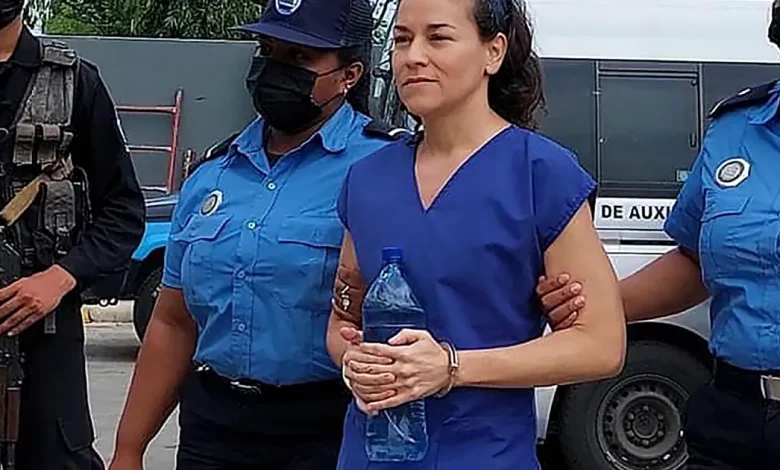
The Nicaraguan government is facing intense scrutiny and widespread condemnation following the death of a high-profile political prisoner, Hugo Torres Rivera. The government’s statement attributing his death to a bacterial infection following a case of COVID-19 has been met with skepticism and outrage by human rights organizations and international observers. Accusations of mistreatment and neglect have surfaced, raising serious concerns about the conditions in Nicaraguan prisons and the government’s handling of political dissent. This situation has further strained Nicaragua’s international relations and prompted calls for an independent investigation into the circumstances surrounding Rivera’s death. The controversy underscores the ongoing challenges to human rights and political freedoms in Nicaragua, highlighting the need for greater transparency and accountability.
Rivera’s Death and Government’s Statement
Hugo Torres Rivera, a former Sandinista commander who later became a critic of President Daniel Ortega’s government, died in custody under circumstances that have ignited a firestorm of controversy. According to the Nicaraguan government, Rivera succumbed to a bacterial infection after his health deteriorated following a bout with COVID-19, which purportedly led to both physical and neurological decline. However, this explanation has been widely rejected by human rights activists and opposition figures, who allege that Rivera was deliberately denied adequate medical care and subjected to inhumane treatment while imprisoned. The government’s statement, in which they referred to Rivera as “Brother” and claimed to be praying for him, has been particularly criticized as disingenuous and insensitive, given the conditions of his detention and the lack of transparency surrounding his health.
The government’s narrative contrasts sharply with accounts from Rivera’s family and supporters, who report that they were consistently denied access to him and provided with little to no information about his condition. This lack of transparency has fueled suspicions that the government is attempting to cover up the true circumstances of his death and deflect criticism of its human rights record. The situation is further complicated by the fact that Rivera was one of many political prisoners being held in Nicaragua, raising broader concerns about the treatment of dissidents and the erosion of democratic norms under the Ortega regime.
International Condemnation
The death of Hugo Torres Rivera has triggered a wave of international condemnation, with governments, human rights organizations, and international bodies expressing outrage and demanding accountability from the Nicaraguan government. The lack of transparency surrounding Rivera’s detention and the circumstances of his death have fueled suspicions of foul play and prompted calls for an independent investigation. Many countries have issued statements condemning the Nicaraguan government’s actions and urging it to respect human rights and release all political prisoners. International organizations, such as the United Nations and the Organization of American States, have also voiced their concerns and called for greater scrutiny of the human rights situation in Nicaragua. This widespread condemnation reflects a growing international consensus that the Nicaraguan government’s actions are unacceptable and that stronger measures are needed to address the country’s human rights crisis. The situation mirrors other instances where governments have faced international pressure for their treatment of political opponents, such as the controversies surrounding Iran’s nuclear program and its relations with the international community.
The international community’s response highlights the importance of upholding human rights and the rule of law, even in the face of political challenges. It also underscores the potential consequences for governments that fail to meet their international obligations and violate the fundamental rights of their citizens.
Human Rights Activists’ Response
Human rights activists and organizations have been at the forefront of the response to Rivera’s death, denouncing the Nicaraguan government’s actions and demanding justice for the deceased political prisoner. Reed Brody, an American human rights lawyer and member of a group of U.N. experts on Nicaragua, has been particularly vocal in his criticism, accusing the government of “unconscionable cynicism” for referring to Rivera as “Brother” after denying his family and lawyers access to him. Brody’s remarks reflect the deep sense of betrayal and outrage felt by many who have been working to defend human rights in Nicaragua. Other human rights groups have issued similar statements, condemning the government’s treatment of political prisoners and calling for an end to the repression of dissent. These organizations are working to raise awareness of the situation in Nicaragua and mobilize international pressure on the government to improve its human rights record. They are also providing support to the families of political prisoners and advocating for their release. The activists’ efforts are crucial in holding the Nicaraguan government accountable and ensuring that the voices of the victims are heard.
The activism extends beyond mere condemnation, with many groups actively involved in documenting human rights abuses, providing legal assistance to victims, and advocating for policy changes at both the national and international levels. Their work is often carried out in the face of significant challenges, including government surveillance, intimidation, and restrictions on freedom of expression. Despite these obstacles, human rights activists remain committed to their mission of promoting justice and protecting the rights of all Nicaraguans.
Accusations of Mistreatment and Neglect
The accusations of mistreatment and neglect surrounding Rivera’s death are not isolated incidents but rather part of a broader pattern of abuse against political prisoners in Nicaragua. Reports have emerged of prisoners being subjected to torture, denied medical care, and held incommunicado, in conditions that violate international human rights standards. These allegations have been documented by human rights organizations and international bodies, raising serious concerns about the well-being of political prisoners and the government’s compliance with its human rights obligations. The denial of access to family members and lawyers, as reported in Rivera’s case, is a common tactic used to isolate prisoners and prevent them from receiving outside support. The lack of transparency surrounding prison conditions and the health of prisoners further exacerbates the problem, making it difficult to verify the government’s claims and hold it accountable for any abuses. The situation is compounded by the fact that many political prisoners are held on trumped-up charges, often related to their political activities or criticism of the government. This further underscores the government’s intent to silence dissent and maintain its grip on power.
The allegations of mistreatment and neglect extend beyond physical abuse, with reports of psychological manipulation, sleep deprivation, and denial of basic necessities such as food and water. These tactics are designed to break the prisoners’ spirits and force them to confess to crimes they did not commit. The long-term psychological effects of such treatment can be devastating, leaving prisoners with lasting trauma and mental health issues. The situation is particularly concerning for vulnerable prisoners, such as the elderly, the sick, and those with disabilities, who may be more susceptible to the effects of mistreatment and neglect.
Concerns About Prison Conditions
Beyond the specific allegations related to Rivera’s case, broader concerns persist regarding the overall conditions in Nicaraguan prisons. Overcrowding, poor sanitation, and inadequate medical care are reportedly widespread, creating an environment conducive to the spread of disease and exacerbating existing health problems. The lack of access to clean water and nutritious food further undermines the health and well-being of prisoners. These conditions violate international standards for the treatment of prisoners and raise serious questions about the government’s commitment to upholding human rights. The situation is particularly concerning given the ongoing COVID-19 pandemic, which has placed additional strain on already overburdened prison systems. The lack of testing, isolation, and treatment for infected prisoners has led to outbreaks of the virus in several prisons, further endangering the health of inmates. The government’s failure to address these concerns has drawn criticism from human rights organizations and international bodies, who have called for immediate action to improve prison conditions and protect the health and safety of prisoners.
The concerns about prison conditions extend beyond the physical environment, with reports of widespread corruption and abuse of power by prison officials. Allegations of bribery, extortion, and violence against prisoners are common, creating a climate of fear and impunity. The lack of accountability for these abuses further undermines the rule of law and erodes public trust in the prison system. The situation is particularly challenging for vulnerable prisoners, such as women, children, and members of minority groups, who may be more susceptible to abuse and exploitation.
Historical Context of Political Prisoners in Nicaragua
The issue of political prisoners in Nicaragua is not new, but rather a recurring theme throughout the country’s history. From the Somoza dictatorship to the Sandinista revolution and the subsequent Ortega regime, political dissent has often been met with repression and imprisonment. The use of political prisoners as a tool to silence opposition and maintain power has been a consistent feature of Nicaraguan politics, regardless of the ruling party or ideology. This historical context helps to explain the deep-seated distrust and skepticism that many Nicaraguans feel towards the government, particularly when it comes to issues of human rights and political freedoms. The legacy of political imprisonment has had a profound impact on Nicaraguan society, contributing to a culture of fear and self-censorship. Many Nicaraguans are reluctant to speak out against the government or participate in political activities, fearing that they may face reprisal or imprisonment. This climate of fear undermines democratic norms and hinders the development of a vibrant civil society.
The historical context also reveals the cyclical nature of political repression in Nicaragua, with periods of relative openness followed by crackdowns on dissent. This pattern suggests that the issue of political prisoners is deeply rooted in the country’s political culture and that lasting solutions will require fundamental reforms to the political system and the rule of law.
Government’s Stance on Political Opposition
The Nicaraguan government’s stance on political opposition has become increasingly repressive in recent years, with a marked increase in the number of political prisoners and a tightening of restrictions on freedom of expression and assembly. The government has accused opposition leaders and activists of being foreign agents and terrorists, using these accusations as a pretext to arrest and imprison them. The crackdown on political opposition has been particularly intense in the lead-up to elections, with many opposition candidates and leaders being disqualified or imprisoned, effectively preventing them from participating in the political process. The government’s actions have been widely condemned by international observers, who have accused it of undermining democracy and violating human rights. The government, however, maintains that its actions are necessary to maintain stability and prevent foreign interference in Nicaragua’s internal affairs. It accuses opposition groups of plotting to overthrow the government and destabilize the country, with the support of foreign powers. This narrative is used to justify the government’s repressive measures and to rally support among its base.
The government’s stance on political opposition is also reflected in its control of the media and its efforts to suppress independent journalism. Many independent media outlets have been shut down or forced into exile, and journalists have been subjected to harassment, intimidation, and even imprisonment. This has created a climate of self-censorship, making it difficult for Nicaraguans to access independent information and express their views freely.
Impact on Nicaragua’s International Relations
The Nicaraguan government’s human rights record, particularly its treatment of political prisoners, has had a significant impact on its international relations. Many countries have imposed sanctions on Nicaragua, and international organizations have suspended or curtailed their cooperation with the government. The United States, in particular, has been critical of the Nicaraguan government’s human rights record and has imposed targeted sanctions on government officials and entities. The European Union has also expressed its concerns and has called for the release of all political prisoners. These actions have strained Nicaragua’s relations with key international partners and have isolated it on the world stage. The government, however, has dismissed these criticisms as politically motivated and has accused foreign powers of interfering in its internal affairs. It has sought to strengthen its ties with other countries that share its views, such as Cuba, Venezuela, and Russia. This has further deepened the divisions within the international community and has made it more difficult to find common ground on issues of mutual concern. The situation is further complicated by the fact that Nicaragua is a small and relatively weak country, making it vulnerable to external pressure. The government’s defiance of international norms and its disregard for human rights have made it difficult for it to attract foreign investment and secure international loans, further undermining its economic development.
The impact on Nicaragua’s international relations extends beyond political and economic considerations, with cultural and social exchanges also being affected. Many foreign universities and cultural institutions have suspended their programs in Nicaragua, and tourism has declined as a result of the country’s deteriorating human rights situation. This has further isolated Nicaragua from the rest of the world and has made it more difficult for Nicaraguans to access education, culture, and opportunities for personal and professional development.
Calls for Independent Investigation
In the wake of Rivera’s death, calls for an independent investigation into the circumstances surrounding his detention and death have grown louder. Human rights organizations, international bodies, and foreign governments have all urged the Nicaraguan government to allow an impartial and transparent investigation to take place. The purpose of such an investigation would be to determine the cause of Rivera’s death, assess the conditions of his detention, and identify any individuals responsible for mistreatment or neglect. An independent investigation would also help to restore public trust and accountability in the Nicaraguan justice system. However, the Nicaraguan government has so far resisted these calls, arguing that it is capable of conducting its own investigation and that foreign interference is unwarranted. This has further fueled suspicions of a cover-up and has undermined the credibility of the government’s claims. The lack of transparency surrounding Rivera’s death has made it difficult to verify the government’s version of events and has raised serious questions about its commitment to human rights. An independent investigation is essential to ensure that the truth is revealed and that those responsible for any wrongdoing are held accountable.
The calls for an independent investigation also extend to other cases of political prisoners in Nicaragua, with concerns about the treatment and conditions of detention of many individuals who have been imprisoned for their political beliefs or activities. A comprehensive investigation is needed to assess the overall human rights situation in Nicaraguan prisons and to identify any systemic problems that need to be addressed.
The Role of International Organizations
International organizations play a critical role in monitoring the human rights situation in Nicaragua and advocating for the release of political prisoners. Organizations such as the United Nations, the Organization of American States, and Amnesty International have been actively involved in documenting human rights abuses, providing legal assistance to victims, and lobbying the Nicaraguan government to improve its human rights record. These organizations also provide a platform for victims and their families to share their stories and seek justice. The presence of international observers can also help to deter human rights abuses and ensure that the government is held accountable for its actions. However, the Nicaraguan government has often been reluctant to cooperate with international organizations, restricting their access to prisons and limiting their ability to monitor the human rights situation. This has made it more difficult for these organizations to carry out their work and has undermined their effectiveness. Despite these challenges, international organizations remain committed to their mission of promoting human rights and advocating for the release of political prisoners in Nicaragua.
The role of international organizations extends beyond monitoring and advocacy, with many organizations also providing humanitarian assistance to victims and their families. This assistance can include food, shelter, medical care, and legal support. International organizations also work to promote democracy and good governance in Nicaragua, supporting civil society organizations and advocating for reforms to the political system.
Comparison of Political Prisoner Treatment
| Country | Treatment of Political Prisoners | International Response |
|---|---|---|
| Nicaragua | Accusations of mistreatment, denial of medical care, lack of transparency. | Widespread condemnation, sanctions, calls for independent investigation. |
| Venezuela | Reports of torture, arbitrary detention, and unfair trials. | International condemnation, sanctions, and investigations by international bodies. |
| Cuba | Long-term imprisonment, restrictions on freedom of expression, and limited access to legal representation. | Criticism from human rights organizations and some governments, but limited international action. |
| Iran | Severe punishments, including execution, for political dissent, and reports of torture and ill-treatment. | Strong international condemnation, sanctions, and efforts to isolate the regime diplomatically. |
This table provides a brief comparison of the treatment of political prisoners in different countries, highlighting the varying degrees of repression and the corresponding international responses. It is important to note that the situation in each country is complex and constantly evolving, and that these are just snapshots in time.
Conclusion
The death of Hugo Torres Rivera and the subsequent outcry highlight the dire human rights situation in Nicaragua and the urgent need for reform. The accusations of mistreatment and neglect, the lack of transparency surrounding his death, and the government’s repressive stance on political opposition all point to a systemic problem that must be addressed. The international community has a responsibility to hold the Nicaraguan government accountable for its actions and to advocate for the release of all political prisoners. An independent investigation into Rivera’s death is essential to uncover the truth and ensure that those responsible are brought to justice. Furthermore, broader reforms are needed to strengthen the rule of law, protect human rights, and promote democracy in Nicaragua. The situation in Nicaragua serves as a reminder of the importance of vigilance and solidarity in the face of political repression. It is crucial that the international community continues to monitor the situation closely and to support the efforts of human rights activists and organizations working to promote justice and freedom in Nicaragua. The challenges are significant, but the pursuit of human rights and democracy is a cause worth fighting for.
The situation also underscores the importance of maintaining open channels of communication and dialogue, even in the face of political disagreements. The breakdown of trust between the Nicaraguan government and the international community has made it more difficult to address the country’s human rights challenges. Restoring trust and fostering cooperation will require a commitment from all parties to engage in constructive dialogue and to prioritize the well-being of the Nicaraguan people.
Relevant external link: Human Rights Watch – Nicaragua.
Internal Links:
[1] Iran Nuclear Talks Fracture
[2] US Empty Arsenal
[3] Trump Iran Military Action
[4] US Iran Negotiations Breakdown
[5] Russia Backs Iran UN Envoy