Abraham Accords Expansion: Trump Urges Saudi Arabia, Qatar, and Others to Join
Introduction
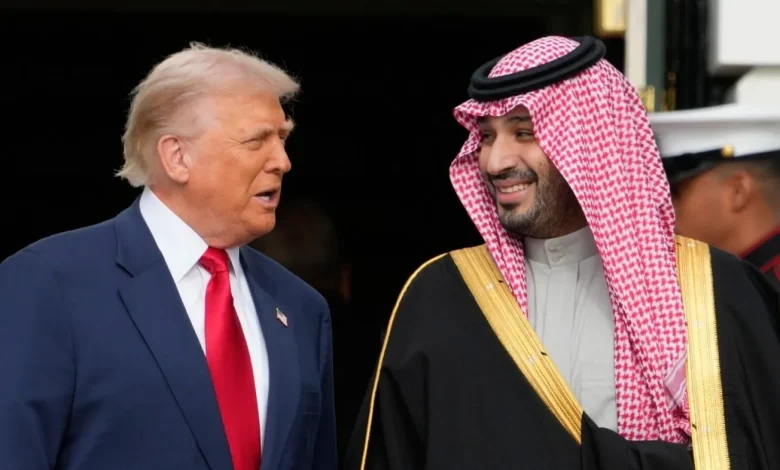
The Abraham Accords, initially signed in 2020, represented a significant shift in Middle Eastern diplomacy, fostering normalization of relations between Israel and several Arab nations. Now, former President Donald Trump is advocating for an expanded version of these agreements, urging additional countries to join the pact. In a recent social media post, Trump outlined his vision for a broader coalition, naming specific nations that he believes should “immediately” sign onto the accords. This proposal has ignited discussions about the potential implications for regional stability, economic cooperation, and the overall geopolitical landscape of the Middle East.
Trump’s Call to Expand the Abraham Accords
Donald Trump’s recent social media post has brought renewed attention to the Abraham Accords and their potential for further expansion. Trump stated that negotiations are “proceeding nicely” but emphasized that any final agreement hinges on the inclusion of more countries. He specifically called out Saudi Arabia and Qatar as nations that should “immediately” sign on, followed by Pakistan, Turkey, Egypt, and Jordan. Trump highlighted the extensive efforts made by the United States in brokering these agreements and suggested that participation should be “mandatory” for these countries. He acknowledged that while he might accept “one or two” countries declining to sign, the majority should demonstrate their willingness to join the Accords.
Trump’s perspective underscores the importance of these agreements in reshaping diplomatic relations in the Middle East. By advocating for a broader coalition, he aims to solidify the Accords’ foundation and increase their impact on regional stability and cooperation. This initiative reflects a strategic vision to create a more unified front, potentially fostering enhanced security and economic opportunities across the region. This push could be seen as an attempt to cement his legacy in the region.
Key Countries and Their Potential Roles
The inclusion of Saudi Arabia, Qatar, Pakistan, Turkey, Egypt, and Jordan in an expanded Abraham Accords framework would significantly alter the dynamics of the Middle East. Each of these countries brings a unique set of political, economic, and strategic considerations to the table. Their participation could pave the way for unprecedented levels of cooperation and integration, but also presents considerable challenges given their diverse interests and historical relationships.
Saudi Arabia
Saudi Arabia’s potential involvement in the Abraham Accords is particularly significant due to its status as a leading Arab nation and the custodian of Islam’s holiest sites. Normalizing relations with Israel would be a momentous decision with far-reaching implications for the entire Muslim world. There have been reports that Saudi Arabia has been considering closer ties with Israel, especially given shared concerns about Iran. However, the Saudi leadership has traditionally maintained a cautious stance, linking any normalization to progress on the Israeli-Palestinian conflict. A move towards the Abraham Accords could reshape the geopolitical landscape and foster new alliances in the region.
Qatar
Qatar, a small but influential Gulf state, has played a significant role in regional diplomacy and mediation efforts. While Qatar has maintained communication channels with Israel on certain issues, it has not formally recognized the country. Qatar’s inclusion in the Abraham Accords could enhance its role as a mediator and facilitator of dialogue between Israel and other Arab nations. However, Qatar’s close ties with various regional actors, including Iran and Hamas, could present challenges to its full integration into the Accords. Despite these challenges, Qatar’s participation could bring a unique perspective and contribute to a more inclusive and comprehensive peace framework. The UAE has been feeling pressure from Washington amidst the Iran crisis.
Pakistan
Pakistan’s inclusion in the Abraham Accords would be a notable development, considering its historical support for the Palestinian cause and its large Muslim population. Pakistan has traditionally maintained a non-recognition policy towards Israel, but there have been indications of a potential shift in recent years. Economic considerations and strategic interests could drive Pakistan’s decision to join the Accords. However, strong domestic sentiments and concerns about alienating its traditional allies could also pose significant obstacles. If Pakistan were to join, it could open new avenues for cooperation and trade between South Asia and the Middle East.
Turkey
Turkey’s relationship with Israel has been complex and often strained, marked by periods of cooperation and conflict. Under President Erdoğan, Turkey has been a vocal critic of Israeli policies towards the Palestinians. However, Turkey also maintains economic and trade ties with Israel. Turkey’s inclusion in the Abraham Accords would require a significant shift in its foreign policy. Given Turkey’s regional ambitions and its role as a major player in the Eastern Mediterranean, its participation could have profound implications for the balance of power in the region. Turkey’s involvement would likely necessitate careful negotiations and a re-evaluation of its strategic priorities.
Egypt
Egypt was the first Arab country to sign a peace treaty with Israel in 1979, and it has since played a crucial role in maintaining regional stability. Egypt’s participation in an expanded Abraham Accords framework would reinforce its commitment to peace and cooperation. Egypt could leverage its diplomatic experience and its close ties with both Israel and other Arab nations to facilitate further dialogue and reconciliation. Its continued involvement is essential for the success and sustainability of the Accords.
Jordan
Jordan, like Egypt, has a long-standing peace treaty with Israel, signed in 1994. Jordan’s participation in the Abraham Accords is vital due to its strategic location and its role as a custodian of Islamic holy sites in Jerusalem. Jordan faces significant economic challenges and could benefit from increased cooperation and investment facilitated by the Accords. However, Jordan also faces domestic pressures and concerns about the impact of the Israeli-Palestinian conflict on its population. Its continued commitment to peace and stability is crucial for the region’s overall security.
Bahrain and the United Arab Emirates: The Pioneers
Bahrain and the United Arab Emirates (UAE) were the first countries to normalize relations with Israel under the Abraham Accords in 2020. These groundbreaking agreements paved the way for increased cooperation in various fields, including trade, tourism, and security. The UAE has emerged as a key partner for Israel, with significant investments and joint ventures in technology, energy, and infrastructure. Bahrain has also fostered closer ties with Israel, promoting cultural exchanges and diplomatic engagement. The success of the UAE and Bahrain in implementing the Abraham Accords serves as a model for other Arab nations considering normalization.
These nations set the stage for what could be a new era of diplomacy in the Middle East. By demonstrating the tangible benefits of normalization, they have helped to build momentum for further expansion of the Accords.
Challenges and Opportunities in Expanding the Accords
Expanding the Abraham Accords presents both significant challenges and promising opportunities. One of the main challenges is the unresolved Israeli-Palestinian conflict. Many Arab nations remain hesitant to fully normalize relations with Israel without a resolution to the Palestinian issue. Domestic public opinion also plays a crucial role, as many citizens in these countries still harbor reservations about normalizing ties with Israel. However, the potential economic benefits of increased trade, investment, and tourism could incentivize more countries to join the Accords. Additionally, shared security concerns, such as the threat posed by Iran, could drive further cooperation and alignment among regional actors. The petrodollar crisis and the potential shift to Yuan in oil sales adds another layer of complexity.
The success of the Abraham Accords hinges on addressing these challenges and capitalizing on the opportunities for greater cooperation and integration. This requires careful diplomacy, strategic planning, and a commitment to building trust and mutual understanding among all parties involved.
Regional Dynamics and Geopolitical Considerations
The geopolitical landscape of the Middle East is complex and constantly evolving. The Abraham Accords have introduced a new dynamic, shifting alliances and creating new opportunities for cooperation. However, they have also exacerbated existing tensions and rivalries. The involvement of countries like Saudi Arabia, Qatar, and Turkey in the Accords would have a significant impact on the regional balance of power. It is essential to consider the interests and concerns of all regional actors to ensure the long-term stability and sustainability of the Accords. The ongoing conflicts and political instability in countries like Yemen, Syria, and Lebanon also pose challenges to regional integration and cooperation.
Understanding these regional dynamics is crucial for navigating the complexities of the Middle East and fostering a more peaceful and prosperous future.
The Role of the United States
The United States has played a pivotal role in brokering the Abraham Accords and continues to be a key player in promoting regional peace and stability. The US can leverage its diplomatic influence and its economic and military resources to incentivize more countries to join the Accords. However, the US must also be sensitive to the concerns and interests of all regional actors and avoid imposing its own agenda. A balanced and nuanced approach is essential for maintaining its credibility and effectiveness as a mediator and facilitator. The recent deployment of the Dark Eagle Hypersonic Missile to the Middle East by CENTCOM underscores the US’s commitment to the region.
The US commitment to Middle East stability can be seen in continued efforts to mediate disputes, provide security assistance, and foster economic development. Its ability to navigate the complexities of the region will be critical in shaping the future of the Abraham Accords and broader peace efforts.
Potential Economic Benefits
The Abraham Accords have the potential to unlock significant economic benefits for the participating countries. Increased trade, investment, and tourism can drive economic growth and create new opportunities for businesses and individuals. The normalization of relations can also facilitate cooperation in areas such as energy, technology, and infrastructure. The UAE and Israel have already seen a surge in bilateral trade and investment since signing the Accords. Expanding the Accords to include more countries could further amplify these economic benefits, creating a more integrated and prosperous region. The potential for economic growth can also be seen in the surge in gold exports from the US to China.
However, realizing these economic benefits requires a conducive environment, including stable political conditions, transparent regulatory frameworks, and a commitment to free and fair trade.
Comparison of Key Countries’ Positions on the Abraham Accords
| Country | Current Status | Potential Benefits of Joining | Potential Challenges |
|---|---|---|---|
| Saudi Arabia | Not a signatory | Enhanced regional influence, closer ties with the US, economic opportunities | Domestic opposition, concerns about Palestinian issue |
| Qatar | Not a signatory | Enhanced role as mediator, economic opportunities | Ties with Iran and Hamas, regional rivalries |
| Pakistan | Not a signatory | Economic benefits, strategic alignment with US | Domestic opposition, historical support for Palestinians |
| Turkey | Not a signatory | Increased regional influence, economic opportunities | Strained relations with Israel, regional ambitions |
| Egypt | Signatory of peace treaty with Israel | Reinforced commitment to peace, enhanced regional stability | Maintaining balance between regional actors |
| Jordan | Signatory of peace treaty with Israel | Economic benefits, strategic stability | Domestic pressures, concerns about Palestinian issue |
| Bahrain | Signatory of Abraham Accords | Increased trade, tourism, and diplomatic ties | Regional security concerns |
| UAE | Signatory of Abraham Accords | Increased trade, tourism, and diplomatic ties | Regional security concerns |
Conclusion
Donald Trump’s call for an expanded Abraham Accords reflects a vision for a more integrated and cooperative Middle East. While the inclusion of countries like Saudi Arabia, Qatar, Pakistan, Turkey, Egypt, and Jordan presents considerable challenges, it also offers the potential for significant economic, political, and security benefits. The success of this initiative hinges on addressing the unresolved Israeli-Palestinian conflict, navigating complex regional dynamics, and fostering a commitment to mutual understanding and cooperation. The United States can play a crucial role in facilitating this process, but ultimately, the future of the Abraham Accords depends on the willingness of regional actors to embrace a new era of diplomacy and partnership. The potential for conflict in the region remains high, as evidenced by events in the Strait of Hormuz. The path forward requires careful consideration of all stakeholders and a commitment to building a more peaceful and prosperous future for the Middle East. Space Force’s Operation Epic Fury also highlights the changing dynamics in global security.