Southern Command Drug Interdiction Operations Under Scrutiny
Introduction
The Southern Command (SOUTHCOM), one of the U.S. military’s ten unified combatant commands, is currently under scrutiny following a series of aggressive drug interdiction operations in the Caribbean Sea and the Pacific Ocean. According to a recent Pentagon announcement, these operations, initiated last fall, have resulted in the destruction of 59 vessels and the deaths of 193 individuals allegedly involved in drug trafficking. The Pentagon’s Office of Inspector General (OIG) has initiated a formal review of these operations, focusing on the intelligence and targeting methodologies employed by Southern Command. This review, detailed in a letter dated May 11, aims to assess the effectiveness, legality, and ethical implications of the command’s actions. The probe is expected to cover various aspects, including the justification for the use of force, the accuracy of intelligence used to identify targets, and the overall impact of these operations on regional stability and drug trafficking routes.
Overview of Southern Command‘s Drug Interdiction Operations
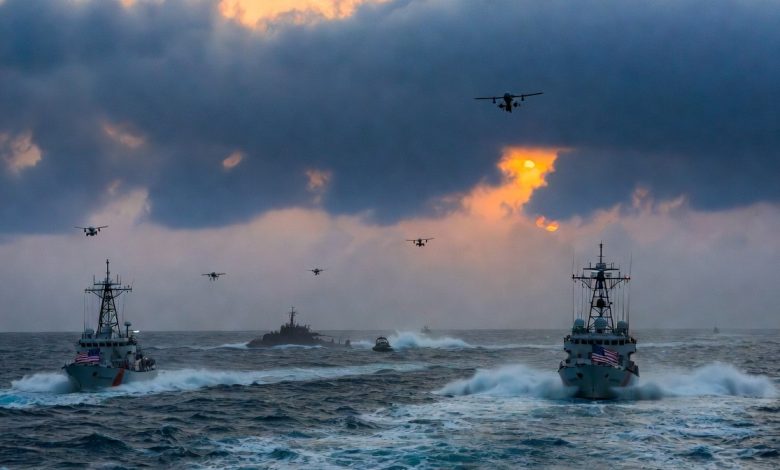
Southern Command is responsible for providing contingency planning, operations, and security cooperation for Central and South America, the Caribbean, and their territorial waters. A primary mission is to counter transnational organized crime, including drug trafficking. The recent operations, which are now under review, represent an escalated effort to disrupt the flow of illicit drugs into the United States. These interdiction efforts involve maritime patrols, aerial surveillance, and direct intervention to intercept vessels suspected of carrying drugs. The operational tempo has increased significantly, leading to a higher number of engagements and, consequently, a rise in casualties. The specific tactics employed by Southern Command include identifying and tracking suspect vessels, issuing warnings, and, if necessary, using lethal force to disable or destroy the vessels. The decision to use lethal force is governed by specific rules of engagement (ROE), which are intended to minimize civilian casualties and ensure compliance with international law. However, the effectiveness and adherence to these ROE are central to the current OIG review.
Pentagon’s Office of Inspector General Review
The Pentagon’s Office of Inspector General (OIG) serves as an independent and objective entity within the Department of Defense, responsible for conducting audits, inspections, and investigations to promote efficiency, effectiveness, and integrity. The OIG’s review of Southern Command‘s drug interdiction operations is a critical oversight mechanism to ensure accountability and compliance with legal and ethical standards. The decision to initiate this review reflects growing concerns within the Pentagon and Congress regarding the potential for excessive use of force and the risk of unintended consequences. The OIG’s findings are expected to provide valuable insights into the effectiveness of the current strategy and offer recommendations for improving operational procedures. The review will likely involve a thorough examination of operational records, intelligence reports, and after-action reports, as well as interviews with personnel involved in the planning and execution of these operations.
Scope of the Review
The OIG review will encompass several key areas to provide a comprehensive assessment of Southern Command‘s drug interdiction operations. These areas include:
- Intelligence Gathering and Analysis: Assessing the accuracy and reliability of the intelligence used to identify and target suspect vessels.
- Targeting Procedures: Evaluating the processes and criteria used to select targets, ensuring they align with legal and policy requirements.
- Rules of Engagement (ROE): Examining the ROE governing the use of force, including the proportionality of force used and measures taken to minimize civilian casualties.
- Compliance with International Law: Ensuring that all operations adhere to international legal standards, including the law of the sea and human rights conventions.
- Impact Assessment: Evaluating the overall impact of the operations on drug trafficking, regional stability, and diplomatic relations.
- Post-Incident Reviews: Analyzing the thoroughness and objectivity of post-incident reviews conducted following engagements resulting in casualties.
Each of these areas will be scrutinized to determine whether Southern Command‘s actions were justified, effective, and consistent with U.S. policy and values.
Intelligence and Targeting Methods
The effectiveness and legitimacy of Southern Command‘s operations hinge on the accuracy and reliability of the intelligence used to identify and target suspect vessels. The OIG review will delve into the sources of intelligence, the methods used to analyze this intelligence, and the safeguards in place to prevent errors and biases. Key questions to be addressed include:
- What types of intelligence are used to identify suspect vessels (e.g., signals intelligence, human intelligence, open-source intelligence)?
- How is this intelligence verified and validated to ensure its accuracy?
- What procedures are in place to prevent the targeting of innocent vessels or individuals?
- Are there mechanisms to correct errors in intelligence and adjust targeting decisions accordingly?
The answers to these questions will help determine whether Southern Command‘s intelligence and targeting methods are sufficiently robust and reliable to justify the use of lethal force. The review might consider the implications of faulty intelligence, similar to situations where inaccurate information led to unintended consequences, as discussed in reports about other military engagements.
Rules of Engagement and Civilian Casualties
Rules of engagement (ROE) are directives issued by military authorities that define the circumstances and limitations under which forces may engage in combat. These rules are designed to ensure that military operations are conducted in accordance with legal and ethical standards, particularly with respect to the use of force and the protection of civilians. The OIG review will closely examine Southern Command‘s ROE to determine whether they are sufficiently clear, comprehensive, and consistent with U.S. policy and international law. The review will also assess whether these rules are effectively communicated to and understood by the personnel involved in the operations. A critical aspect of this assessment will be the evaluation of measures taken to minimize civilian casualties. This includes:
- The use of non-lethal alternatives to force, such as warning shots or disabling fire.
- The verification of targets to ensure they are legitimate military objectives.
- The avoidance of collateral damage to civilian property or infrastructure.
- The provision of medical assistance to wounded combatants and civilians.
The high number of deaths reported in these operations – 193 individuals – raises serious questions about whether adequate precautions were taken to protect civilian lives. The OIG review will likely scrutinize specific incidents to determine whether the ROE were followed and whether any violations occurred.
Legal Justification for the Operations
The legal justification for Southern Command‘s drug interdiction operations is based on a combination of domestic and international laws. Under U.S. law, the military is authorized to assist civilian law enforcement agencies in combating drug trafficking, provided that certain conditions are met. These conditions include:
- The existence of a formal request from a civilian law enforcement agency.
- Compliance with the Posse Comitatus Act, which generally prohibits the use of the military for domestic law enforcement purposes.
- Adherence to constitutional limitations on the use of force.
Internationally, the legal justification for these operations is based on the principle of maritime interdiction, which allows states to take measures to suppress illicit activities, such as drug trafficking, on the high seas. However, this right is subject to certain limitations, including:
- The requirement to exercise due regard for the rights of other states.
- The prohibition against the use of excessive force.
- The obligation to respect the sovereignty and territorial integrity of other nations.
The OIG review will assess whether Southern Command‘s operations are consistent with these legal requirements. This assessment will likely involve an examination of the legal authorities relied upon by the command, the procedures used to ensure compliance with these authorities, and the oversight mechanisms in place to prevent violations of law.
Impact on Drug Cartels
One of the key objectives of Southern Command‘s drug interdiction operations is to disrupt the activities of drug cartels and reduce the flow of illicit drugs into the United States. The OIG review will assess the effectiveness of these operations in achieving this objective. This assessment will likely involve an analysis of data on drug seizures, drug prices, and drug-related violence, as well as interviews with law enforcement officials and experts on drug trafficking. It’s important to consider the broader context, including how actions against drug cartels might inadvertently affect regional stability, mirroring concerns raised in other international interventions.
Regional Implications and Diplomatic Considerations
The aggressive nature of Southern Command‘s drug interdiction operations has significant implications for regional stability and diplomatic relations. The use of lethal force against vessels suspected of carrying drugs can raise tensions with neighboring countries, particularly if these vessels are flagged to those countries or if the operations occur in disputed waters. The OIG review will assess the extent to which Southern Command has taken these considerations into account in planning and executing its operations. This assessment will likely involve an examination of diplomatic communications, consultations with regional partners, and efforts to coordinate operations with other countries. The review will also consider the potential for these operations to be perceived as an infringement on the sovereignty of other nations, which could undermine U.S. foreign policy objectives. The situation is further complicated by the involvement of various international actors, potentially leading to scenarios reminiscent of complex geopolitical standoffs.
Alternative Strategies for Drug Interdiction
Given the potential risks and drawbacks of the current approach, the OIG review may also consider alternative strategies for drug interdiction. These strategies could include:
- Increased cooperation with regional partners to enhance their capacity to combat drug trafficking.
- Greater reliance on intelligence sharing and law enforcement cooperation to target the leaders and financial networks of drug cartels.
- Implementation of demand reduction strategies to reduce the demand for illicit drugs in the United States.
- Use of technology to enhance surveillance and detection capabilities.
The evaluation of these alternative strategies will help determine whether there are more effective and less harmful ways to achieve the objective of disrupting drug trafficking. These alternative strategies could potentially lead to a more sustainable and less confrontational approach to drug interdiction, reducing the risk of unintended consequences and improving relations with regional partners.
Congressional Oversight and Public Transparency
Congressional oversight is a critical component of ensuring accountability and transparency in military operations. The OIG review will likely be followed by congressional hearings and investigations, providing an opportunity for lawmakers to examine the findings and make recommendations for सुधार. Public transparency is also essential to maintaining public trust and ensuring that the government is held accountable for its actions. The Pentagon should consider releasing a summary of the OIG’s findings to the public, while protecting classified information. This would allow the public to understand the issues involved and to hold their elected officials accountable. The recent scrutiny of various government operations highlights the importance of transparency.
Data Summary of Southern Command Operations
The following table summarizes key data points related to Southern Command‘s drug interdiction operations:
| Metric | Value |
|---|---|
| Vessels Destroyed | 59 |
| Fatalities | 193 |
| Reviewing Body | Pentagon’s Office of Inspector General |
| Date of Review Announcement | May 11, 2026 |
| Geographic Area | Caribbean Sea and Pacific Ocean |
Conclusion
The OIG review of Southern Command‘s drug interdiction operations is a crucial step in ensuring accountability and promoting responsible military conduct. The findings of this review will have significant implications for the future of U.S. drug interdiction policy and the relationship between the military and civilian law enforcement agencies. By addressing the concerns raised by these operations, the Pentagon can enhance the effectiveness of its efforts to combat drug trafficking while upholding its legal and ethical obligations. The review process also underscores the importance of congressional oversight and public transparency in ensuring that military operations are conducted in a manner that is consistent with U.S. values and interests. The results of the investigation could lead to significant policy changes, potentially influencing future military actions and strategies in the region. Similar scrutiny has been applied to other areas, such as cybersecurity breaches affecting educational institutions and controversies surrounding media licenses, highlighting a growing demand for accountability across various sectors.
For additional information on related topics, consider exploring our articles on CENTCOM briefings, the blockade strategy in the Hormuz Strait, or discussions around munitions stockpiles. These topics provide context on the broader strategic and geopolitical considerations influencing military operations. You might also be interested in how technology is transforming various sectors, such as in-flight WiFi.
External Resource: For more information on the U.S. Southern Command, visit the official SOUTHCOM website.