Saudi Arabia’s Reaction to Trump’s Strait of Hormuz Plan
Introduction
The geopolitical landscape of the Middle East is fraught with complexities, where alliances shift and tensions simmer beneath the surface. A recent episode involving Saudi Arabia and the United States, under the administration of President Donald Trump, highlights these intricacies. The core of the issue revolves around the Strait of Hormuz, a critical waterway for global oil supplies, and President Trump’s initiative to ensure its safe passage amidst ongoing regional conflicts. This initiative, dubbed ‘Project Freedom,’ aimed to guide ships through the strait, which had been effectively blocked by Iran following the commencement of a U.S. and Israel-led war. However, this plan sparked significant concern and opposition from Saudi officials, leading to a diplomatic standoff and raising questions about the stability of U.S.-Saudi relations. This article delves into the details of this event, exploring the motivations behind Saudi Arabia’s reaction, the strategic implications of their response, and the broader context of U.S.-Iran negotiations.
Trump’s Strait of Hormuz Initiative: Project Freedom
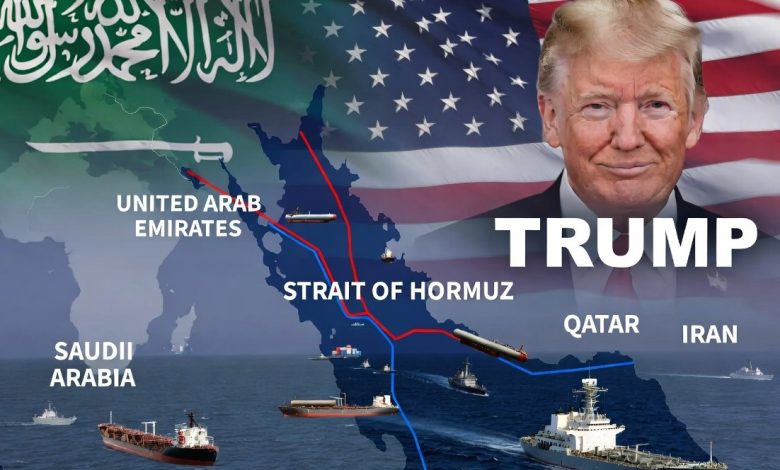
In the midst of heightened tensions in the Middle East, the Trump administration launched ‘Project Freedom,’ an initiative designed to ensure the continued flow of maritime traffic through the Strait of Hormuz. This strategic waterway is vital for global oil supplies, connecting the oil-rich Persian Gulf with the Gulf of Oman and the Arabian Sea. The decision to initiate this project came in response to escalating regional conflicts, particularly the war involving the U.S., Israel, and Iran, which had effectively disrupted shipping lanes. The U.S. government perceived a need to actively manage and protect the transit of vessels through the strait, aiming to prevent further disruptions and maintain the stability of the global oil market. The specifics of ‘Project Freedom’ involved the U.S. military providing guidance and protection to commercial ships navigating the Strait of Hormuz, a move intended to deter Iranian interference and reassure international shipping companies. However, this unilateral action by the U.S. government would soon be met with resistance from a key regional ally.
Saudi Arabia’s Concerns and Opposition
The announcement of ‘Project Freedom’ by President Trump was met with considerable unease by Saudi officials. Their primary concern stemmed from the belief that the U.S.-led operation could inadvertently provoke further Iranian aggression against Gulf allies. Saudi Arabia feared that a heightened U.S. military presence in the Strait of Hormuz, without prior consultation and agreement, would be interpreted by Iran as an escalation, potentially leading to retaliatory actions against Saudi oil infrastructure or shipping interests. The Saudi government was also apprehensive about being drawn directly into a conflict between the U.S. and Iran, a scenario they were keen to avoid. Furthermore, there was a sense among Saudi officials that the Trump administration’s decision-making process lacked transparency and consideration for the potential consequences on regional stability. The move was seen as a unilateral decision that did not adequately account for Saudi Arabia’s security concerns and strategic interests. This lack of coordination and consultation strained relations between the two countries and prompted Saudi Arabia to take a firm stance in response.
Saudi Arabia’s Response: A Diplomatic Stand
In response to the launch of ‘Project Freedom,’ Saudi Arabia took a significant diplomatic step, informing the United States that it would not permit the U.S. military to utilize Prince Sultan Airbase, located southeast of Riyadh, for operations related to the initiative. Additionally, Saudi Arabia denied the U.S. military the right to fly through Saudi airspace in support of the project. This decision was a clear signal of Saudi Arabia’s disapproval of the U.S. plan and its unwillingness to be directly associated with an operation that it believed could escalate regional tensions. By denying access to its airbase and airspace, Saudi Arabia effectively limited the operational capabilities of the U.S. military in the region and sent a strong message of discontent to the Trump administration. This action underscored the importance of Saudi Arabia’s strategic location and its influence in regional security matters. The move demonstrated Saudi Arabia’s willingness to assert its own interests, even when those interests diverged from those of its long-standing ally, the United States. The Saudi government’s decision reflected a broader concern about the potential for miscalculation and escalation in the already volatile region.
The East-West Pipeline: A Strategic Alternative
One of the key factors influencing Saudi Arabia’s response to the Strait of Hormuz situation is its strategic infrastructure, particularly the East-West Pipeline. Unlike some other countries in the region that are heavily reliant on maritime transit through the Strait of Hormuz for their oil exports, Saudi Arabia possesses an alternative route. The East-West Pipeline, also known as Petroline, is a 750-mile pipeline that traverses the Arabian Peninsula, connecting the Persian Gulf with the Red Sea. This pipeline provides Saudi Arabia with the capacity to bypass the Strait of Hormuz entirely, allowing it to continue exporting millions of barrels of oil per day even if the strait is closed or deemed too dangerous to navigate. The existence of this pipeline significantly enhances Saudi Arabia’s strategic autonomy and reduces its vulnerability to disruptions in the Strait of Hormuz. It allows the Kingdom to maintain its oil exports regardless of regional tensions or conflicts that may affect maritime traffic. This strategic advantage played a crucial role in Saudi Arabia’s decision to push back against the U.S.’s ‘Project Freedom,’ as the Kingdom had a viable alternative for transporting its oil to global markets. The pipeline serves as a critical piece of infrastructure that bolsters Saudi Arabia’s position in the global energy market and provides it with greater leverage in regional geopolitical dynamics.
U.S.-Saudi Relations: A Delicate Balance
The relationship between the United States and Saudi Arabia has historically been characterized by a complex interplay of strategic interests, economic ties, and occasional points of divergence. The incident surrounding ‘Project Freedom’ and Saudi Arabia’s reaction underscores the delicate balance that defines this relationship. While the two countries share common goals in areas such as counterterrorism and regional stability, they also have differing perspectives on how to achieve those goals. The U.S. has long relied on Saudi Arabia as a key partner in the Middle East, viewing the Kingdom as a crucial player in maintaining regional security and stabilizing the global oil market. Saudi Arabia, in turn, has depended on the U.S. for military support and protection, particularly in the face of external threats. However, disagreements over issues such as the Iran nuclear deal, the handling of regional conflicts, and human rights concerns have at times strained the relationship. The ‘Project Freedom’ episode serves as a reminder that despite their close ties, the U.S. and Saudi Arabia do not always see eye-to-eye, and that Saudi Arabia is willing to assert its own interests even when those interests conflict with those of the United States. Moving forward, both countries will need to navigate these complexities with careful diplomacy and a willingness to understand each other’s perspectives in order to maintain a stable and productive partnership.
Regional Impact and Geopolitical Implications
The Saudi’s reaction to Trump’s ‘Project Freedom’ had significant regional and geopolitical implications. It highlighted the deep divisions and competing interests that exist within the Middle East, even among allies. Saudi Arabia’s decision to distance itself from the U.S.-led initiative sent a message to other countries in the region that the Kingdom was willing to chart its own course, even if it meant disagreeing with Washington. This could embolden other nations to assert their independence and pursue their own strategic objectives, potentially leading to a more multipolar regional order. Furthermore, the incident underscored the complexities of dealing with Iran and the challenges of finding a sustainable solution to regional conflicts. Saudi Arabia’s concerns about escalating tensions with Iran reflected a broader anxiety among Gulf states about the potential for a wider conflagration. The episode also highlighted the importance of diplomacy and communication in managing regional crises. The lack of consultation between the U.S. and Saudi Arabia prior to the launch of ‘Project Freedom’ created unnecessary friction and undermined trust between the two countries. In the long term, this incident could lead to a reassessment of regional alliances and a search for new security arrangements that better reflect the evolving geopolitical landscape.
U.S.-Iran Negotiations: The Broader Context
The tensions surrounding the Strait of Hormuz and Saudi Arabia’s reaction to ‘Project Freedom’ must be viewed within the broader context of U.S.-Iran relations and ongoing negotiations between the two countries. At the time of this incident, the U.S. and Iran were engaged in negotiations aimed at de-escalating tensions and finding a pathway towards a more stable relationship. These negotiations were taking place against a backdrop of years of animosity, sanctions, and proxy conflicts. The U.S. was seeking to curb Iran’s nuclear program and limit its regional influence, while Iran was seeking relief from economic sanctions and a greater role in regional affairs. The Strait of Hormuz had become a flashpoint in this ongoing conflict, with both sides accusing the other of provocative actions that threatened maritime security. The ‘Project Freedom’ initiative was, in part, a reflection of the U.S.’s desire to deter Iran from interfering with shipping in the strait. However, Saudi Arabia’s concerns about escalating tensions highlighted the risks associated with such a strategy. Ultimately, any lasting solution to the tensions in the Strait of Hormuz will require a broader resolution of the underlying issues between the U.S. and Iran, as well as a commitment to diplomacy and de-escalation from all parties involved.
The Pause of Project Freedom
Following the strong reaction from Saudi Arabia, President Trump decided to pause ‘Project Freedom’ just 36 hours after its commencement. This decision was likely influenced by a combination of factors, including Saudi Arabia’s opposition, concerns about escalating tensions with Iran, and a reassessment of the operational feasibility of the project. The swift reversal demonstrated the importance of considering the perspectives of regional allies and the potential consequences of unilateral actions. The decision to pause the operation also opened the door for further diplomatic efforts to address the underlying issues in the Strait of Hormuz. Following the pause, Saudi Arabia reopened its airspace to U.S. military flights, signaling a willingness to de-escalate the situation and work towards a more cooperative approach. This episode served as a valuable lesson for the U.S. administration about the need for careful consultation and coordination with regional partners when dealing with sensitive security issues. The pause in ‘Project Freedom’ created an opportunity for renewed dialogue and a more collaborative approach to managing the complexities of the Middle East.
Comparison of Oil Transit Options
| Transit Option | Description | Advantages | Disadvantages | Saudi Arabia’s Position |
|---|---|---|---|---|
| Strait of Hormuz | A narrow waterway connecting the Persian Gulf to the Gulf of Oman and Arabian Sea. | Shortest route for many oil exporters in the region. | Vulnerable to disruptions from regional conflicts and tensions. | Less reliant due to the East-West Pipeline. |
| East-West Pipeline | A 750-mile pipeline that bypasses the Strait of Hormuz, connecting the Persian Gulf to the Red Sea. | Provides an alternative route, enhancing strategic autonomy. | Requires significant infrastructure investment and maintenance. | Strategic asset that reduces reliance on the Strait of Hormuz. |
| Other Pipelines | Various other pipelines exist in the region, but their capacity and accessibility vary. | Diversification of transit routes. | Limited capacity and geopolitical constraints. | May utilize in conjunction with other options, but East-West Pipeline is primary alternative. |
| Maritime Routes Around Africa | Longer sea routes that bypass the Middle East entirely. | Avoids regional conflicts and chokepoints. | Significantly longer transit times and higher costs. | Not a primary option due to cost and time considerations. |
Long-Term Strategic Implications for Saudi Arabia
The events surrounding ‘Project Freedom’ have significant long-term strategic implications for Saudi Arabia. The Kingdom’s ability to assert its independence and protect its interests, even in the face of pressure from the United States, demonstrates a growing confidence and assertiveness in its foreign policy. Saudi Arabia is likely to continue to diversify its strategic partnerships and pursue its own regional agenda, seeking to balance its relationships with major powers such as the U.S., China, and Russia. The Kingdom will also continue to invest in its own military capabilities and seek to enhance its role as a regional security provider. The East-West Pipeline will remain a crucial strategic asset, providing Saudi Arabia with a vital alternative to the Strait of Hormuz and enhancing its energy security. Furthermore, Saudi Arabia is likely to play a more active role in regional diplomacy, seeking to mediate conflicts and promote stability. The Kingdom’s long-term strategy will be shaped by a desire to protect its own interests, maintain its regional influence, and promote a stable and prosperous Middle East.
In light of escalating tensions in the Hormuz Strait, France strategically deployed a warship to the region, signaling its commitment to maritime security and freedom of navigation. This deployment underscores the international community’s concern over potential disruptions to global trade and energy supplies. For more insights, refer to this analysis.
Conclusion
The Saudi’s reaction to President Trump’s ‘Project Freedom’ was a significant event that highlighted the complexities of U.S.-Saudi relations and the challenges of managing regional security in the Middle East. Saudi Arabia’s concerns about escalating tensions with Iran, its decision to deny access to its airbase and airspace, and its reliance on the East-West Pipeline all underscored its strategic autonomy and its willingness to assert its own interests. The incident served as a reminder of the importance of diplomacy, communication, and consultation in managing regional crises and maintaining stable alliances. While the U.S. and Saudi Arabia share many common goals, they do not always see eye-to-eye, and both countries must be prepared to navigate these differences with careful diplomacy and a willingness to understand each other’s perspectives. The long-term implications of this event could include a reassessment of regional alliances, a greater emphasis on diversification of strategic partnerships, and a more active role for Saudi Arabia in regional diplomacy. Ultimately, a lasting solution to the tensions in the Strait of Hormuz will require a broader resolution of the underlying issues between the U.S. and Iran, as well as a commitment to de-escalation and cooperation from all parties involved. The decision by the Trump administration to halt grants deemed unconstitutional further underscores the administration’s approach to international agreements and funding. You can find more information on this at Grants Halted by Trump Administration Deemed Unconstitutional. The challenges in international relations are also reflected in data access concerns within global health, as highlighted in a recent report regarding the WHO. For more details, read WHO Data Access Concerns Rise as US Navigates Global Health Information Gaps. Similarly, tensions and strategic realignments continue to shape global politics, as seen in the ongoing debates and potential shifts in alliances. To understand the broader context, refer to Harris’s 2028 Ambitions Stir Debate Over 2024 Election Postmortem.