Caribou Conservation: Alaska Court Upholds Bear-Killing Program Amid Controversy
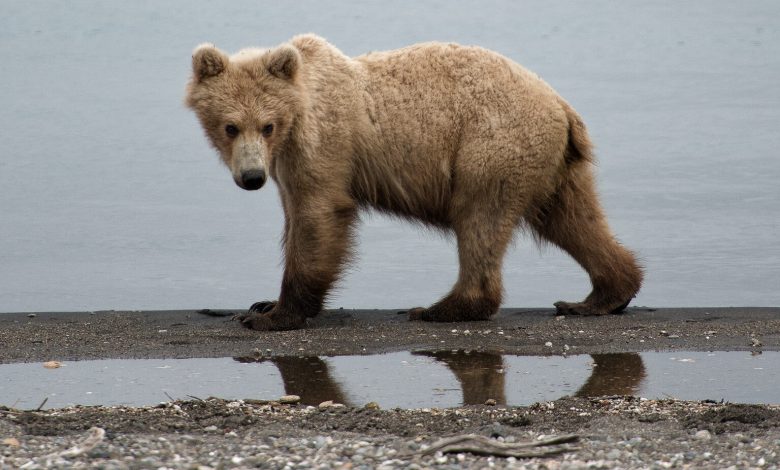
The ongoing debate surrounding wildlife management in Alaska has taken another turn as a state court has allowed a controversial bear-killing program to proceed. The program, designed to protect the vulnerable Mulchatna caribou herd, has faced strong opposition from conservation groups who question its legality and ethical implications. This article delves into the details of the court ruling, the rationale behind the program, the concerns raised by conservationists, and the broader implications for wildlife management in the region.
Introduction
The intersection of wildlife conservation, state management policies, and ethical considerations is often fraught with controversy, especially in ecologically sensitive regions like Alaska. The recent decision by a Superior Court judge to allow a bear-killing program aimed at protecting the Mulchatna caribou herd to proceed is a prime example of this complex interplay. This decision has ignited a debate over the efficacy and morality of such interventions, pitting state officials against conservation groups who argue for alternative approaches to wildlife management. Understanding the nuances of this issue requires a comprehensive examination of the historical context, ecological factors, and legal challenges involved.
Superior Court Upholds State’s Decision
Superior Court Judge Adolf Zeman ruled against a request from two conservation groups, the Alaska Wildlife Alliance and the Center for Biological Diversity, to halt the bear-killing program. The groups sought an injunction while their lawsuit challenging the program’s legality is being heard. Judge Zeman stated that the conservation groups had not demonstrated that the state acted without a reasonable basis when it approved the plan. This ruling allows the state to continue its efforts to reduce the bear population in the region in an attempt to boost the caribou herd. The legal challenge brought by the conservation groups centers on their claim that the Alaska Board of Game reinstated the program without sufficient data on bear population numbers and the sustainability of the bear hunt.
The Vulnerable Mulchatna Caribou Herd
The Mulchatna caribou herd, located in southwest Alaska, is a vital resource for many local communities. Historically, the herd has provided up to 4,770 caribou annually for subsistence hunters from numerous communities. These communities depend on the caribou for food, clothing, and cultural practices, making the health and size of the herd a critical concern. The timing of the court’s ruling is particularly significant because the caribou calving season is imminent. During this period, newborn caribou calves are especially vulnerable to predation by bears and wolves, making them an easy target. This vulnerability is a key factor in the state’s argument for the necessity of the bear-killing program.
Decline in Caribou Population
The Mulchatna caribou herd has experienced a significant decline in population over the past few decades. The herd reached its peak size of around 190,000 animals, but the population began to decline in the late 1990s and early 2000s. By 2019, the herd had dwindled to approximately 13,000 animals. While there was a slight increase to an estimated 16,280 animals last year, according to the state Department of Fish and Game, the population remains far below its historical high. This drastic reduction has led to the cessation of hunting since 2021, further impacting the subsistence lifestyles of local communities. Several factors are believed to have contributed to the decline, including increased predation, changes in habitat, and climatic variations. Understanding these factors is crucial for developing effective conservation strategies.
State’s Bear Management Program
In response to the declining caribou population, the state of Alaska implemented a bear management program aimed at reducing predation on caribou calves. From 2023 to 2024, the state killed 180 bears, primarily brown bears, and an additional 11 bears last year. The state argues that this program is essential to helping the caribou herd recover to a sustainable level. By reducing the number of bears, particularly in critical calving areas, the state hopes to increase the survival rate of caribou calves and allow the herd to grow. The program involves aerial shooting of bears in designated areas, a method that has drawn criticism from conservation groups due to its perceived inhumaneness and potential for unintended ecological consequences.
Conservation Groups Challenge Legality
The Alaska Wildlife Alliance and the Center for Biological Diversity have mounted a legal challenge to the bear-killing program, arguing that it lacks a sound scientific basis and violates state regulations. Their lawsuit claims that the Alaska Board of Game authorized the program’s reinstatement without adequate data on bear population numbers and the sustainability of the hunt. They contend that the state’s decision-making process was flawed and that the program could have detrimental effects on the bear population. The conservation groups advocate for alternative strategies that focus on habitat restoration, reducing human disturbance, and addressing other factors that may be contributing to the caribou decline. They believe that a more holistic approach is necessary for the long-term health of both the caribou and bear populations. This is similar to the fight Anna Paulina Luna is having over the Farm Bill and pesticides.
Alaska Board of Game’s Role
The Alaska Board of Game plays a crucial role in setting wildlife management policies in the state. The board is responsible for making decisions about hunting regulations, predator control programs, and other measures aimed at conserving and managing wildlife populations. The board’s decisions are often based on recommendations from the Department of Fish and Game, as well as input from local communities and stakeholders. However, the board has faced criticism for its perceived bias towards consumptive uses of wildlife, such as hunting, and for allegedly prioritizing economic interests over ecological concerns. The composition and decision-making processes of the Board of Game have been subjects of ongoing debate, particularly in the context of controversial programs like the bear-killing initiative.
Ethical and Ecological Considerations
The bear-killing program raises significant ethical and ecological questions. Opponents argue that it is morally wrong to kill bears simply to benefit caribou, especially when other factors may be contributing to the caribou decline. They point to the intrinsic value of bears as individual animals and their ecological importance as apex predators. Furthermore, critics argue that the program could disrupt the natural balance of the ecosystem, leading to unforeseen consequences. For example, reducing the bear population could lead to an increase in other predators, such as wolves, or to changes in the behavior and distribution of prey species. A thorough understanding of these complex ecological interactions is essential for making informed decisions about wildlife management.
Concerns Over Data Gaps
A central argument of the conservation groups is that the Alaska Board of Game reinstated the bear-killing program without sufficient data on bear population numbers and the sustainability of the hunt. Accurate data on wildlife populations are crucial for effective management. Without such data, it is difficult to assess the impact of management actions and to ensure that they are not detrimental to the long-term health of the species. The conservation groups argue that the state should invest in comprehensive wildlife surveys and monitoring programs to fill these data gaps before implementing controversial measures like the bear-killing program. Addressing these data gaps would enhance the credibility and effectiveness of wildlife management efforts.
Alternative Conservation Strategies
Conservation groups advocate for alternative strategies to protect the Mulchatna caribou herd that do not involve killing bears. These strategies include habitat restoration, which aims to improve the quality and availability of caribou habitat by restoring degraded areas and managing vegetation. Another approach is to reduce human disturbance in critical caribou areas, such as calving grounds, by limiting development, recreational activities, and industrial operations. Additionally, addressing climate change and its impacts on caribou habitat is seen as a crucial long-term strategy. These alternative approaches emphasize a holistic and ecosystem-based perspective, focusing on addressing the underlying causes of the caribou decline rather than simply targeting predators. As seen with the U.S. military escalating strikes in the Caribbean, there are typically non-violent options to consider.
Long-Term Impact on Ecosystem
The bear-killing program could have long-term impacts on the Alaskan ecosystem. Removing a significant number of bears, particularly brown bears, could disrupt the natural predator-prey dynamics and lead to cascading effects throughout the food web. Bears play an important role in regulating prey populations, distributing nutrients, and shaping vegetation patterns. Altering the bear population could have unforeseen consequences for other species and ecological processes. A comprehensive assessment of these potential long-term impacts is essential for responsible wildlife management. Similar to the potential long-term impact of gold leaving the U.S., it is important to understand all possible implications.
Community Perspectives and Subsistence Hunting
Local communities in southwest Alaska have a deep connection to the Mulchatna caribou herd, which has sustained them for generations. The decline in the caribou population has had a significant impact on their subsistence lifestyles and cultural practices. While some community members support the bear-killing program as a means of restoring the caribou herd, others have expressed concerns about its ethical and ecological implications. It is important to consider the diverse perspectives of local communities when making decisions about wildlife management. Engaging with these communities, incorporating their traditional knowledge, and addressing their concerns are crucial for building trust and ensuring the long-term success of conservation efforts.
Future of the Bear Management Program
The future of the bear management program remains uncertain, as the legal challenge brought by the conservation groups is still pending. The court will need to consider the arguments presented by both sides and determine whether the state acted lawfully in reinstating the program. Depending on the outcome of the lawsuit, the program could be halted, modified, or allowed to continue as is. Regardless of the legal outcome, the controversy surrounding the program highlights the need for a more transparent, inclusive, and science-based approach to wildlife management in Alaska. This is similar to the current battle in West Bengal with Modi’s party.
Here is a summary of the key aspects of the Mulchatna Caribou Herd conservation program:
| Aspect | Details |
|---|---|
| Herd | Mulchatna Caribou Herd in Southwest Alaska |
| Peak Population | Approximately 190,000 animals |
| Current Population | Approximately 16,280 animals (as of last year) |
| Subsistence | Historically provided up to 4,770 caribou/year for subsistence hunters |
| Hunting Status | Hunting has been prohibited since 2021 |
| Management Program | Bear-killing program to reduce predation on caribou calves |
| Bears Killed | 180 bears (mostly brown bears) from 2023-2024, 11 last year |
| Legal Challenge | Alaska Wildlife Alliance and Center for Biological Diversity lawsuit |
| Court Ruling | Superior Court Judge Adolf Zeman allowed the program to proceed |
| Conservationists’ Argument | Program lacks scientific basis, Board of Game lacked data |
Conclusion
The controversy surrounding the bear-killing program in Alaska underscores the challenges of balancing wildlife conservation with human interests. The need to protect the Mulchatna caribou herd is undeniable, given its importance to local communities and its ecological value. However, the ethical and ecological implications of the bear-killing program raise serious concerns. A more holistic and science-based approach to wildlife management is needed, one that considers the complex interactions within the ecosystem and incorporates the perspectives of all stakeholders. Ultimately, the long-term health of both the caribou and bear populations depends on finding sustainable solutions that prioritize ecological integrity and respect for all forms of life. As the situation in China shows, it’s important to have sustainable solutions for long-term success.
Learn more about conservation efforts here.