U.S. Military Strikes Escalate in Caribbean Amid Drug War Deaths Mount
Introduction
U.S. Military Strikes in the Caribbean have intensified, resulting in increased casualties and raising significant concerns about the nature and justification of these operations [cite: n/a]. The recent escalation, which includes attacks on alleged drug-trafficking vessels, has drawn scrutiny due to the high death toll and questions surrounding the evidence supporting these actions. Despite ongoing international conflicts, the U.S. administration has maintained an aggressive posture in the Western Hemisphere, particularly concerning what it terms “narcoterrorism.” This article delves into the details of these strikes, their legal and ethical implications, and their broader impact on regional stability and international relations. Understanding the full context of these military actions requires examining the background, motivations, and potential consequences of the U.S. strategy in the Caribbean.
Background to the U.S. Military Presence in the Caribbean
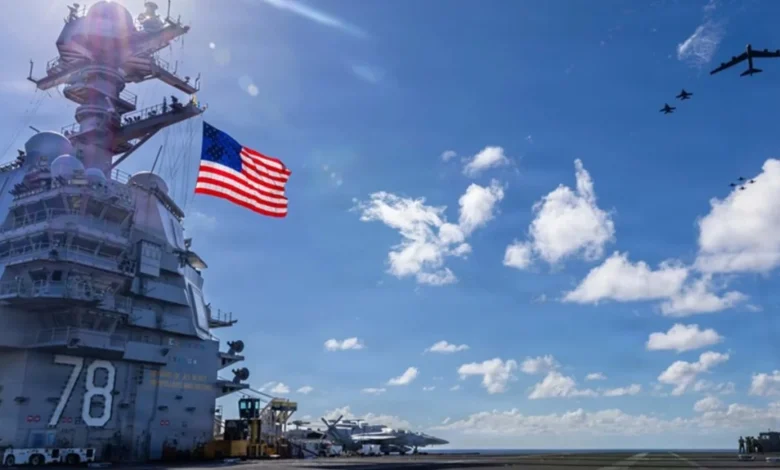
The build-up of the U.S. military presence in the Caribbean represents a significant shift in the region’s security landscape. This increased presence is the largest in generations and reflects a heightened focus on combating drug trafficking and related criminal activities [cite: n/a]. Several factors contribute to this build-up, including geopolitical strategies, regional security concerns, and domestic political considerations. The U.S. government has long viewed the Caribbean as a critical transit point for illegal drugs destined for the United States, necessitating a robust security apparatus to interdict these flows. This strategy aligns with broader U.S. foreign policy objectives aimed at countering transnational crime and maintaining stability in the Western Hemisphere. The U.S. military’s operations in the Caribbean also serve as a demonstration of power and influence, reinforcing its role as a dominant actor in the region. Furthermore, the presence of U.S. forces provides a deterrent effect, discouraging potential adversaries and reassuring allies of U.S. commitment to regional security. This build-up is not without controversy, however, as it has raised concerns among some nations about sovereignty and potential interference in their internal affairs. Understanding this background is crucial for assessing the recent escalation of U.S. Military Strikes and their impact on the region.
Details of Recent U.S. Military Strikes
Recent U.S. Military Strikes in the Caribbean have specifically targeted vessels suspected of involvement in drug trafficking. One notable incident involved a strike on an alleged drug boat, which resulted in the deaths of two individuals [cite: n/a]. The strikes are part of a broader campaign that has been ongoing for several months. The frequency and intensity of these attacks have increased recently, even amidst other international engagements, highlighting the priority the U.S. administration places on combating “narcoterrorism” in the region. The exact details of these operations, including the types of weapons used and the intelligence that led to the strikes, remain largely undisclosed. The military has cited operational security as a reason for not releasing more information. However, this lack of transparency has fueled speculation and criticism, particularly regarding the proportionality of the force used and the potential for civilian casualties. Independent investigations into these strikes are limited, making it difficult to verify the military’s claims and assess the true impact of the operations. The increased tempo of these strikes underscores a significant escalation in U.S. military activity in the Caribbean. Learn more about other military actions at GlobalEprism.
The Campaign of Attacks on Alleged Drug-Trafficking Vessels
Since early September, the Trump administration initiated a campaign focused on dismantling drug-trafficking networks operating in Latin American waters [cite: n/a]. This initiative involves actively targeting and destroying vessels purportedly used for transporting illegal drugs. The campaign has resulted in a high number of fatalities, with at least 191 people killed in total. These attacks are characterized by their aggressive nature and the significant use of force. The U.S. military employs various resources, including aerial surveillance, naval vessels, and special operations teams, to identify and engage suspected drug-trafficking vessels. The operations typically involve intercepting the vessels and, if deemed necessary, employing lethal force to disable or destroy them. The rationale behind this aggressive approach is to disrupt the flow of drugs into the United States and to send a strong message to criminal organizations operating in the region. However, critics argue that the campaign is overly aggressive and disproportionately affects vulnerable populations involved in the drug trade. They also point out the lack of due process and the potential for misidentification of targets. The long-term effectiveness and sustainability of this campaign remain subjects of debate, as the underlying factors driving drug trafficking are complex and multifaceted.
Lack of Evidence and Justification for the Strikes
A major point of contention surrounding the U.S. Military Strikes is the lack of publicly available evidence linking the targeted vessels to drug trafficking [cite: n/a]. The military has consistently refrained from providing concrete proof that the destroyed boats were indeed carrying drugs or engaged in illicit activities. This lack of transparency has led to accusations of potential human rights violations and questions about the legality of the strikes under international law. Critics argue that the U.S. government is operating on the basis of suspicion rather than verified intelligence, potentially leading to the deaths of innocent individuals. The burden of proof, they contend, rests on the U.S. military to demonstrate that the targeted vessels posed an imminent threat and that the use of lethal force was justified. The absence of such evidence undermines the legitimacy of the strikes and raises concerns about accountability. Without clear and compelling evidence, the U.S. risks alienating regional allies and undermining its own credibility on issues of human rights and international law. The need for greater transparency and accountability in these operations is paramount to ensure that they are conducted in a manner consistent with legal and ethical standards.
The Capture of Nicolás Maduro
The U.S. military’s intensified operations in the Caribbean also coincided with the capture of then-Venezuelan President Nicolás Maduro in January [cite: n/a]. Maduro was apprehended and brought to New York to face charges related to drug trafficking. He has pleaded not guilty to these charges. The timing of Maduro’s capture, shortly after the build-up of the U.S. military presence in the region, has led to speculation about a possible connection between the two events. Some analysts suggest that the increased military activity was intended, in part, to facilitate Maduro’s capture. The U.S. government has maintained that the two operations were separate and independent. However, the close proximity in time and the shared focus on combating drug trafficking in the region make it difficult to dismiss the possibility of a coordinated strategy. Maduro’s arrest has further strained relations between the U.S. and Venezuela and has added to the political instability in the region. The legal proceedings against Maduro are ongoing, and the outcome remains uncertain. His case highlights the complex interplay between drug enforcement, international politics, and U.S. foreign policy objectives. The capture of Nicolás Maduro brought to mind the recent arrest of Jonathan Rinderknecht [cite: n/a].
Legal and Ethical Implications
The U.S. Military Strikes in the Caribbean raise significant legal and ethical questions. Under international law, the use of lethal force is generally restricted to situations of self-defense or when authorized by the United Nations Security Council. The U.S. government argues that its actions are justified under the principle of self-defense, as drug trafficking poses a threat to U.S. national security. However, this argument is contested by legal scholars who argue that drug trafficking, while a serious problem, does not constitute an armed attack that would justify the use of military force. The ethical considerations are equally complex. The principle of proportionality requires that the use of force be proportionate to the threat posed. Critics argue that the U.S. strikes, which have resulted in a high number of fatalities, are disproportionate to the alleged crime of drug trafficking. The potential for civilian casualties and the lack of due process also raise serious ethical concerns. The U.S. government has a responsibility to ensure that its military operations comply with international law and ethical standards. This requires conducting thorough investigations into all incidents of civilian harm and holding those responsible accountable. Greater transparency and independent oversight are also needed to ensure that these operations are conducted in a manner consistent with legal and ethical principles. The legal and ethical dimensions of these strikes cannot be overlooked, as they have far-reaching implications for U.S. foreign policy and its standing in the international community.
Regional Impact and Responses
The U.S. Military Strikes in the Caribbean have had a significant impact on the region, eliciting varied responses from different countries. Some nations have expressed support for the U.S. efforts to combat drug trafficking, viewing it as a shared responsibility. Others have voiced concerns about the potential for unintended consequences, such as increased instability and displacement. The strikes have also raised questions about sovereignty and the right of nations to control their own territorial waters. Some regional leaders have accused the U.S. of violating international law and interfering in their internal affairs. The increased military presence has also led to heightened tensions and a sense of unease among some communities. The long-term impact of these strikes on regional security and stability remains uncertain. It is essential for the U.S. to engage in open and transparent dialogue with regional partners to address their concerns and build trust. A collaborative approach, based on mutual respect and shared interests, is crucial for effectively combating drug trafficking and promoting stability in the Caribbean. The unilateral use of military force risks alienating allies and undermining regional cooperation. Diplomacy and development initiatives should also be prioritized to address the underlying factors that contribute to drug trafficking, such as poverty, inequality, and lack of economic opportunity. This situation parallels some aspects of the ongoing conflict in Israel and Lebanon [cite: n/a].
The “Narcoterrorism” Strategy
The term “narcoterrorism” is central to the U.S. administration’s justification for its aggressive military actions in the Caribbean [cite: n/a]. This concept links drug trafficking to terrorism, arguing that drug cartels often provide financial support to terrorist organizations. By labeling drug trafficking as a form of terrorism, the U.S. government seeks to justify the use of military force against drug cartels under the legal framework for combating terrorism. However, the validity of this concept is widely debated. Critics argue that the link between drug trafficking and terrorism is often tenuous and that the “narcoterrorism” label is used primarily to expand the scope of U.S. military intervention. They contend that drug trafficking is primarily a criminal activity, and should be addressed through law enforcement measures rather than military action. The use of the “narcoterrorism” label also has implications for the legal rights of those targeted. Individuals accused of narcoterrorism may be subject to more severe penalties and fewer due process protections than those accused of ordinary drug crimes. The debate over the “narcoterrorism” strategy highlights the complex interplay between law enforcement, national security, and international relations. A nuanced and evidence-based approach is needed to address the challenges posed by drug trafficking and terrorism, avoiding the oversimplification and potential abuses associated with the “narcoterrorism” label. This is also seen in other regions like with Iran and its nuclear capabilities [cite: n/a].
Political Context and Motivations
The U.S. Military Strikes in the Caribbean must be understood within the broader political context of the Trump administration’s foreign policy [cite: n/a]. Several factors may be driving the administration’s aggressive approach, including a desire to demonstrate strength and resolve on the international stage, to appeal to domestic constituencies concerned about drug trafficking, and to exert greater control over the Western Hemisphere. The administration’s focus on “narcoterrorism” aligns with its broader efforts to combat transnational crime and to protect U.S. borders. The military strikes also serve as a tool for exerting pressure on governments that the U.S. views as hostile, such as Venezuela. The political motivations behind these strikes are complex and multifaceted. They reflect a combination of genuine security concerns, domestic political considerations, and geopolitical strategies. Understanding these motivations is essential for assessing the long-term implications of the U.S. military actions in the Caribbean. The political context also shapes the way the strikes are perceived both domestically and internationally. Supporters of the administration often view the strikes as a necessary measure to protect U.S. interests, while critics see them as an overreach of executive power and a violation of international norms. The political debate surrounding these strikes is likely to continue, as the U.S. administration’s foreign policy remains a subject of intense scrutiny and division.
Comparison with Other U.S. Military Operations
Comparing the U.S. Military Strikes in the Caribbean with other U.S. military operations provides valuable insights into the scale, scope, and objectives of these actions [cite: n/a]. Unlike large-scale military interventions in countries like Iraq or Afghanistan, the Caribbean strikes are more limited in scope and focus on specific targets. However, the intensity of the strikes and the high number of fatalities distinguish them from routine drug interdiction operations. The Caribbean strikes share some similarities with U.S. counterterrorism operations in other regions, such as the use of targeted killings and the reliance on intelligence gathering. However, the legal and ethical justifications for these operations differ significantly. Counterterrorism operations are often conducted under the authority of the Authorization for Use of Military Force (AUMF), which provides a legal basis for the use of military force against terrorist organizations. In contrast, the U.S. military strikes in the Caribbean are justified primarily on the basis of self-defense, a more contested legal argument. Comparing these operations highlights the diverse range of tools and strategies employed by the U.S. military and the importance of understanding the specific context and legal framework governing each operation. The comparison also underscores the need for greater transparency and accountability in all U.S. military actions, regardless of their scale or scope. There are some parallels with the U.S. involvement in the war in Ukraine [cite: n/a].
Summary of U.S. Military Strikes in the Caribbean
| Aspect | Details |
|---|---|
| Objective | Disrupt drug trafficking and combat “narcoterrorism” |
| Tactics | Targeting and destroying alleged drug-trafficking vessels |
| Fatalities | At least 191 deaths reported since early September |
| Justification | Self-defense and combating “narcoterrorism” |
| Criticisms | Lack of evidence, excessive force, and violation of international law |
| Regional Impact | Varied responses, concerns about sovereignty and stability |
Conclusion
The U.S. Military Strikes in the Caribbean represent a significant and controversial aspect of U.S. foreign policy in the Western Hemisphere [cite: n/a]. The escalation of these strikes, the high number of fatalities, and the lack of publicly available evidence have raised serious questions about the legality, ethics, and effectiveness of these operations. While the U.S. government maintains that these actions are necessary to combat drug trafficking and protect national security, critics argue that they are disproportionate, violate international law, and undermine regional stability. The long-term consequences of these strikes remain uncertain, but they have already strained relations with some regional partners and raised concerns about the U.S.’s commitment to human rights and international norms. A more nuanced and collaborative approach is needed to address the complex challenges posed by drug trafficking in the Caribbean. This requires greater transparency, accountability, and respect for the sovereignty of other nations. Diplomacy, development initiatives, and law enforcement cooperation should be prioritized over military force. The U.S. must also address the underlying factors that contribute to drug trafficking, such as poverty, inequality, and lack of economic opportunity. Only through a comprehensive and sustainable strategy can the U.S. effectively combat drug trafficking and promote long-term stability in the Caribbean. The situation also demonstrates the need for careful consideration of policy, as seen in Anna Paulina Luna’s work [cite: n/a]. In a world of growing tensions the issue of U.S. Military Strikes in the Caribbean is a complex one that deserves close examination. The U.S. Military Strikes are happening while other political things are happening such as the upcoming election where Sanders and Mantle are battling for the fierce left’s 2028 Democratic future [cite: n/a].