Hormuz oil surge hits $110 as 2,000 ships strand in Gulf
The Unprecedented Oil Price Shock
Hormuz is currently the focal point of the most devastating global supply chain and energy market disruption of the decade. U.S. oil prices have surged above the critical threshold of $110 a barrel, driven by escalating fears over the prolonged closure of the Strait of Hormuz. As one of the world’s most vital maritime chokepoints, the strait handles nearly a fifth of the globe’s total oil consumption. The recent placement of sophisticated naval mines by Iranian forces has effectively severed this essential artery, sending immediate shockwaves throughout international energy markets. Traders and economic analysts are scrambling to recalibrate their forecasts, recognizing that this is no longer a temporary geopolitical hiccup but a sustained crisis. The premium on crude oil reflects not just the immediate loss of supply, but the terrifying realization that restoring normal traffic flows could take significantly longer than initially anticipated. This massive spike to $110 a barrel is compounding inflationary pressures globally, threatening to derail economic recovery efforts and forcing heavy industrial sectors to brace for unprecedented operational costs. Every single day the strait remains impassable, the global energy deficit deepens, cementing this event as a generational commodity shock.
The Logistics Nightmare: 2,000 Ships Stranded
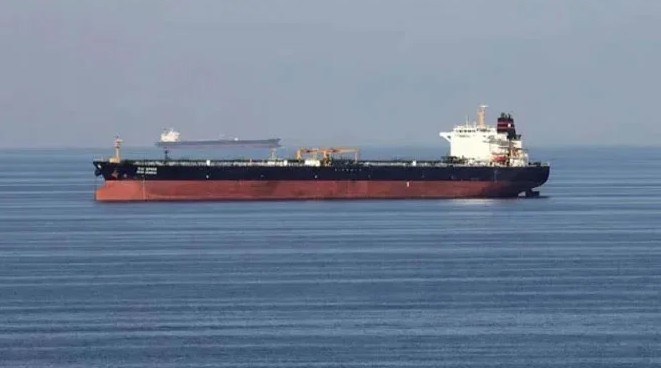
The sheer scale of the maritime paralysis is difficult to comprehend without looking at the raw numbers. Currently, nearly 2,000 commercial vessels—ranging from massive crude carriers and liquefied natural gas (LNG) tankers to vital container ships—are anchored in holding patterns across the Persian Gulf and the Gulf of Oman. These ships are essentially trapped in a high-stakes maritime purgatory. The strategic waterway, measuring just 21 miles wide at its narrowest point, has been transformed into an impenetrable barrier. Port authorities in the United Arab Emirates, Saudi Arabia, and Oman are completely overwhelmed, with anchorages filled to capacity. Vessel operators are burning through millions of dollars in idle fuel and operational costs daily, while global supply chains that rely on the timely delivery of these goods are fracturing. The backlog has created a cascading failure in global logistics, mirroring and magnifying past maritime crises. As the vessels sit idle, the global shipping costs have skyrocketed, forcing industries from manufacturing to retail to absorb exorbitant freight hikes. The physical congestion of 2,000 massive ships drifting in a concentrated conflict zone also poses extreme environmental and navigational hazards, increasing the likelihood of accidental collisions in the heavily militarized waters.
Humanitarian Concerns for Maritime Crews
Beyond the staggering economic statistics lies a deepening humanitarian emergency. An estimated 20,000 sailors and maritime personnel are currently stranded aboard these floating fortresses. For these crews, what was supposed to be a standard transit has devolved into an indefinite nightmare. Rations, fresh water, and vital medical supplies on many vessels are strictly calculated for standard voyage durations, not open-ended blockades in a sweltering conflict zone. Seafarers are enduring immense psychological stress, fully aware that they are anchored in waters littered with naval mines and surrounded by escalating military posturing. International maritime organizations and human rights groups are urgently petitioning for safe corridors to repatriate crews or resupply vessels, but the heavily contested nature of the waters makes logistical relief incredibly dangerous. The mental and physical toll on these 20,000 essential workers highlights the unseen human cost of geopolitical brinkmanship.
War Risk Insurance Market Collapse
The financial architecture that underpins global maritime trade collapsed back in March when leading marine insurance syndicates abruptly cancelled war risk coverage for the entire region. This unprecedented withdrawal of coverage was the immediate catalyst for the current shipping standstill. Without war risk insurance, commercial vessels are legally and financially prohibited from entering or transiting the hazardous zone. The international insurance underwriters assessed the deployment of naval mines and the unpredictable nature of the conflict as an unquantifiable risk. Even for those few daring operators willing to brave the waters, the premium quotes have soared to astronomical levels—often exceeding the value of the cargo itself. Industry experts forecast that even after the physical threat of mines is neutralized, the psychological and financial scarring of this event will keep insurance premiums aggressively elevated. Insurers are demanding absolute proof of enduring stability, meaning costs will remain prohibitive until a formalized, verifiable, and long-term geopolitical resolution is actively enforced.
| Maritime Impact Metric | Pre-Crisis Status (Feb 2026) | Current Escalation (April 2026) | Projected Post-Mines (Late 2026) |
|---|---|---|---|
| U.S. WTI Crude Oil Price | $74.50 / barrel | $112.30 / barrel | $95.00+ / barrel |
| Stranded Commercial Vessels | 0 (Normal Flow) | ~2,000 Ships | Gradual Clearing |
| Stranded Maritime Personnel | 0 | ~20,000 Sailors | Repatriation Dependent |
| War Risk Insurance Status | Standard Premiums | Coverage Cancelled | Elevated Risk Premiums |
| Mine Clearance Timeline | N/A | 6+ Months | Ongoing Monitoring |
The Six-Month Demining Timeline
Compounding the insurance and logistical nightmares is the grim operational reality of reopening the strait. The U.S. Navy, alongside allied maritime coalitions, has stated unequivocally that clearing the densely packed, sophisticated naval minefields will take a minimum of six months. Underwater demining is an agonizingly slow, dangerous, and meticulous process. It requires specialized autonomous submersibles, trained explosive ordnance disposal (EOD) divers, and advanced sonar mapping technology. The murky waters and complex currents of the Strait of Hormuz make this operation exceptionally treacherous. Furthermore, clearing operations cannot safely commence at scale while the threat of active hostilities remains. This timeline practically guarantees that the disruption to global oil flows and supply chains will stretch well into the fourth quarter of the year, cementing a prolonged period of economic instability and forcing nations to rapidly deplete their strategic petroleum reserves to bridge the massive supply deficit.
CENTCOM Briefings: President Trump’s Military Options
As the crisis deepens, diplomatic channels have severely deteriorated, shifting the focus entirely to military contingencies. On Thursday, President Donald Trump is scheduled to receive a highly classified, comprehensive briefing from CENTCOM Commander General Brad Cooper. The agenda is singularly focused on evaluating new, aggressive plans for potential military action against Iranian positions. The Pentagon has been drafting multi-layered response strategies aimed at crippling the origin points of the naval mine deployments and neutralizing anti-ship missile batteries positioned along the Iranian coastline. The briefing will cover a spectrum of kinetic operations, ranging from targeted precision airstrikes on naval bases to broader campaigns designed to degrade command and control infrastructure. The sheer gravity of this impending decision cannot be overstated. A direct military confrontation could rapidly escalate into a wider regional war, drawing in various proxy forces and allied nations. However, the administration faces immense domestic and international pressure to break the blockade, as the Trump’s broader blockade strategy is being tested by the severe economic fallout of $110 oil. The global markets are watching this Thursday briefing with bated breath, knowing that the outcome will dictate the trajectory of global security and economics for years to come.
Geopolitical Fallout and the Global Supply Chain
The closure of the Strait of Hormuz is not an isolated event; it is a seismic shock that is violently reshaping the geopolitical landscape. Nations highly dependent on Middle Eastern energy, particularly across Asia and Europe, are facing acute energy security crises. This vulnerability is forcing dramatic shifts in foreign policy alignments as countries desperately seek alternative energy sources and faster resolutions. The standoff is also straining international alliances, as differing approaches to military intervention versus diplomatic negotiation create friction among Western powers. While some advocate for immediate military force to secure the vital maritime commons, others warn of the catastrophic consequences of a full-scale Middle Eastern war. In the background, the standoff continues as Trump rejects premature peace plans that do not guarantee absolute, verifiable freedom of navigation. This uncompromising stance suggests a prolonged period of high-stakes brinkmanship, further eroding confidence in the stability of globalized supply chains.
Broader Impacts on American and Global Energy Markets
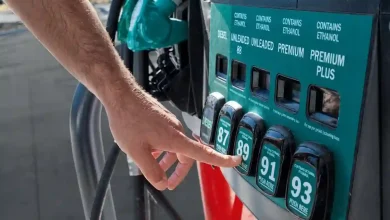
While the international community scrambles, the domestic American energy sector is experiencing a complex paradigm shift. The sudden absence of millions of barrels of Middle Eastern crude has generated an unprecedented demand surge for alternative sources. Consequently, American energy exports have surged to fill the gaping void, pushing domestic production facilities to their absolute limits. While this creates a short-term windfall for U.S. energy producers, the interconnected nature of global commodity markets means that American consumers are not shielded from the price shock. Domestic gasoline, diesel, and aviation fuel prices are climbing aggressively, threatening consumer spending and economic growth within the United States. Furthermore, the strategic reliance on U.S. exports by desperate allied nations adds immense political pressure on the domestic energy infrastructure, testing the resilience and capacity of American oil and gas reserves in real-time.
Conclusion: Navigating a Paralyzed Chokepoint
The situation unfolding in the Strait of Hormuz represents a worst-case scenario for global maritime trade and energy security. With oil prices firmly entrenched above $110 a barrel, 2,000 vessels idling in dangerous waters, and a daunting six-month horizon just to clear the naval mines, the economic damage is already profound and largely irreversible in the short term. The collapse of the war risk insurance market serves as a stark indicator that private enterprise views the region as fundamentally unsafe, a reality that cannot be altered without decisive action. As the world awaits the outcome of the critical CENTCOM briefings, the balance between military escalation and economic preservation hangs by a thread. The decisions made in the coming days will not only determine the fate of the 20,000 stranded sailors and the immediate price of crude oil but will also fundamentally redefine the architecture of global energy distribution and military deterrence in the 21st century.