Strait of Hormuz: Russia Defends Iran Blockade at UN
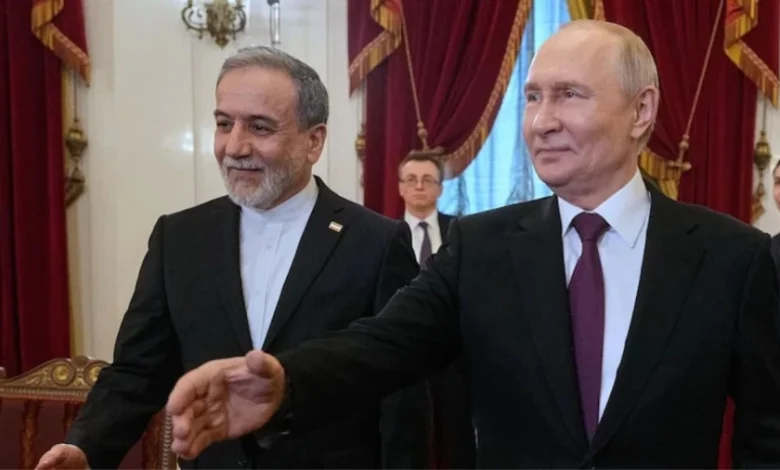
Strait of Hormuz tensions reached a fever pitch on the floor of the United Nations today, fundamentally shifting the diplomatic landscape of international maritime security. In a highly anticipated and explosive address, Russia’s UN Ambassador delivered a staunch defense of Iran’s right to control, restrict, and blockade the vital waterway. Declaring that a coastal state under military attack possesses the inherent sovereign right to limit navigation within its territorial waters for security purposes, the ambassador shattered any remaining illusions of diplomatic consensus. The rhetoric escalated dramatically when he explicitly compared Western nations to pirates, arguing that their ongoing military and logistical support for Ukrainian strikes against Russian trade vessels in the Black Sea was tantamount to raising the infamous skull and crossbones. This unprecedented diplomatic broadside has set the stage for a prolonged legal and military standoff, challenging decades of established maritime norms and exposing deep fractures within the global security architecture.
Strait of Hormuz Conflict Escalates at the UN
The geopolitical theater shifted to New York this week, where the United Nations Security Council witnessed one of the most blistering rhetorical confrontations in its modern history. The Strait of Hormuz, a narrow maritime chokepoint through which nearly a fifth of the world’s daily oil supply passes, has become the epicenter of a rapidly expanding regional war. Iran’s recent moves to heavily fortify the strait and threaten total closure have drawn immediate and severe condemnation from a coalition of Western powers led by the United States and the United Kingdom. However, Russia’s intervention at the UN has effectively legitimized Tehran’s aggressive posture on the world stage. By explicitly supporting Iran’s control over the waterway, Moscow is not merely playing diplomatic defense; it is actively rewriting the rules of engagement for global maritime chokepoints. As global observers noted when the Strait of Hormuz closed again and Iran cited a U.S. blockade, the situation has evolved from localized skirmishes into a systemic crisis of international law. The Russian ambassador’s speech highlighted a growing alliance between Moscow and Tehran, one that seeks to challenge Western hegemony over vital trade routes and establish a multipolar approach to maritime sovereignty.
Russia’s UN Ambassador Delivers Harsh Rebuke
Taking the floor with palpable intensity, the Russian UN Ambassador did not mince words. He systematically dismantled the Western narrative that Iran’s actions in the Strait of Hormuz constitute illegal aggression. Instead, he framed Iran’s defensive posturing as a necessary and fully legal response to existential threats posed by foreign naval armadas operating thousands of miles from their own shores. The ambassador articulated that sovereignty is not suspended during times of conflict; rather, it is heightened. He pointed out that the presence of massive Western aircraft carrier strike groups and guided-missile destroyers in the Persian Gulf constitutes a clear and present danger to the Islamic Republic, thereby justifying any and all reciprocal security measures taken within Iran’s recognized territorial waters. This aggressive framing effectively places the blame for the escalating crisis squarely on the shoulders of the United States and its European allies, portraying them as instigators rather than peacekeepers.
The Legal Argument for Territorial Waters
At the core of the Russian defense is a contentious interpretation of the United Nations Convention on the Law of the Sea (UNCLOS). While the United States and its allies rely heavily on the principle of transit passage—which guarantees the freedom of navigation for all ships through international straits—Russia and Iran are invoking an entirely different legal framework. The Russian ambassador argued that in times of war or severe military crisis, a coastal state possesses the unalienable right to suspend innocent passage and transit passage to protect its national security. This interpretation hinges on the assertion that Western naval vessels are not engaging in peaceful transit but are actively participating in hostilities and military intimidation. By leaning into the laws of armed conflict and customary international law regarding self-defense, Russia is attempting to provide a robust legal shield for Iran’s blockade tactics. This complex legal maneuver forces the international community to grapple with the uncomfortable reality that maritime law is often ambiguous and highly susceptible to divergent interpretations during periods of open warfare.
The Pirates Accusation Against the West
Moving beyond legal technicalities, the Russian ambassador unleashed a deeply provocative metaphor that sent shockwaves through the assembly chamber. He explicitly branded Western countries as pirates, accusing them of engaging in state-sponsored terrorism on the high seas. The ambassador dramatically stated that the West’s actions were the modern-day equivalent of raising a skull and crossbones flag. This explosive accusation was designed to strip the United States and its allies of their perceived moral high ground, framing their naval interventions not as the enforcement of international law, but as lawless acts of imperial aggression. By invoking the imagery of piracy, Russia is seeking to resonate with nations in the Global South that harbor historical grievances against Western maritime dominance and colonial-era naval power.
Comparing Iran’s Blockade to the Black Sea Tensions
The core of Russia’s diplomatic strategy at the UN involved drawing a direct and unyielding parallel between the Persian Gulf and the Black Sea. The ambassador forcefully argued that the West is exhibiting staggering hypocrisy by demanding unhindered navigation in the Strait of Hormuz while simultaneously arming, funding, and encouraging Ukrainian attacks on Russian maritime assets. This comparative analysis is a calculated attempt to expose perceived double standards in international law. By linking the two theaters of conflict, Russia is sending a clear message: the rules of the sea cannot be selectively applied to benefit Western strategic interests while ignoring the security concerns of multipolar powers.
Ukrainian Strikes on Russian Trade Vessels
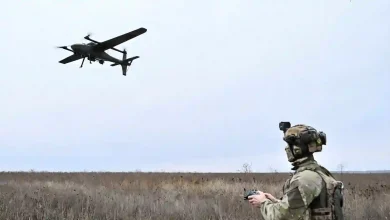
To substantiate his claims of Western piracy, the ambassador highlighted the ongoing campaign of Ukrainian unmanned surface vehicle (USV) drone strikes against Russian civilian trade vessels and oil tankers in the Black Sea. He argued that these strikes, which rely heavily on Western intelligence, satellite targeting, and financial support, constitute blatant violations of the very freedom of navigation that the West claims to champion in the Middle East. The Russian envoy detailed specific incidents where commercial vessels were allegedly targeted by advanced drone technology supplied by NATO members. By elevating these incidents to the floor of the Security Council, Russia successfully forced Western diplomats onto the defensive, requiring them to justify their simultaneous support for maritime strikes in the Black Sea and their absolute opposition to maritime restrictions in the Strait of Hormuz.
Global Trade Impact of the Hormuz Chokepoint
The diplomatic fireworks at the United Nations are not occurring in a vacuum; they are playing out against the backdrop of a teetering global economy. The Strait of Hormuz is arguably the most critical logistical chokepoint on the planet. Any disruption, let alone a legally defended and heavily armed blockade, sends immediate shockwaves through global markets. Insurance premiums for commercial shipping traversing the Persian Gulf have skyrocketed to unsustainable levels, forcing many major shipping conglomerates to reroute their fleets around the Cape of Good Hope. This massive logistical detour adds weeks to transit times and significantly increases operational costs, which are inevitably passed down to consumers in the form of crippling inflation. Furthermore, the geopolitical realignment has resulted in shifting financial realities where Russia oil revenues double to $19B amid the Iran war fallout, highlighting how the crisis is enriching the very nations challenging the Western order.
Natural Gas and Energy Futures Surge
The energy sector is bearing the brunt of this unprecedented crisis. With millions of barrels of oil and vast quantities of liquefied natural gas (LNG) effectively trapped behind the Iranian blockade, energy futures have experienced terrifying volatility. European markets, still reeling from the loss of Russian pipeline gas, are particularly vulnerable. The psychological impact of the UN standoff has been immediate, triggering an economic shockwave reminiscent of how the Hormuz closure sparks an 11% surge in EU natural gas futures. Analysts warn that if the diplomatic stalemate persists and military tensions continue to mount, crude oil prices could easily breach historic highs, plunging the global economy into a deep and protracted recession.
Western Responses and Diplomatic Fallout
The immediate reaction from Western capitals was one of absolute outrage and swift condemnation. Diplomats from the United States, the United Kingdom, and France accused the Russian ambassador of deliberately subverting international law and using the platform of the United Nations to spread dangerous disinformation. The Western coalition maintains that there is zero legal equivalence between Iran’s unprovoked closure of a vital international strait and Ukraine’s legitimate right to self-defense in the Black Sea. This fierce diplomatic clash has effectively paralyzed the United Nations Security Council, rendering it incapable of passing any meaningful resolutions to de-escalate the crisis.
US and UK Rebuttal
The American and British envoys delivered coordinated and scathing rebuttals, categorizing the Russian defense of Iran as a desperate attempt to sow chaos and distract from its own strategic failures. The US ambassador forcefully reiterated America’s ironclad commitment to maintaining the freedom of navigation, emphasizing that the US military will not hesitate to use overwhelming force to keep the Strait of Hormuz open to international commerce. The UK echoed these sentiments, warning that Iran and Russia are playing a dangerous game of brinkmanship that could ignite a catastrophic regional war. The diplomatic impasse is absolute, ensuring the Iran blockade standoff continues as Trump rejects the peace plan proposed by neutral third-party mediators.
Legal Analysis of Navigational Rights in Times of War
The clash at the UN highlights a profound and unresolved tension in international maritime law. While UNCLOS provides a robust framework for peacetime navigation, the rules become significantly more complex during times of armed conflict. The San Remo Manual on International Law Applicable to Armed Conflicts at Sea, though not a binding treaty, is widely regarded as a reflection of customary international law. It states that belligerent nations have the right to control their immediate maritime environment to prevent enemy operations. However, this right must be balanced against the rights of neutral shipping. The table below outlines the deeply polarized legal stances currently dominating the international discourse.
| Nation / Bloc | Stance on Hormuz Navigation Rights | Core Legal Doctrine Cited |
|---|---|---|
| Russian Federation | Sovereign right to restrict and blockade during wartime | Self-defense, territorial integrity under customary law |
| Islamic Republic of Iran | Defensive closure to mitigate existential military threats | Protection of internal waters and immediate maritime borders |
| United States & UK | Absolute right to unhindered commercial & military transit | UNCLOS Article 38 (Transit Passage) |
| European Union | Demand for open trade routes, diplomatic de-escalation | International economic stability and freedom of navigation |
| People’s Republic of China | Strategic neutrality, urging restraint from all parties | General stability of global supply chains |
This table illustrates the fundamental disconnect between the warring factions. Russia and Iran prioritize sovereign defense and the laws of armed conflict, whereas the Western coalition prioritizes globalized trade and peacetime transit rights. Resolving this legal paradox is virtually impossible in the current climate of extreme geopolitical polarization.
Strategic Alliances Shifting Amid the Conflict
The UN spectacle serves as undeniable proof that the global order is rapidly transitioning from a unipolar American hegemony into a fractured, multipolar reality. The tightening strategic partnership between Moscow and Tehran goes far beyond simple military coordination; it represents a unified ideological front against Western diplomatic and economic dominance. By providing top-tier diplomatic cover for Iran’s blockade at the highest levels of international governance, Russia is actively courting other nations disillusioned with the traditional Western-led order. This shifting paradigm suggests that future conflicts over maritime chokepoints, critical resources, and trade routes will be increasingly defined by these hardened geopolitical blocs, making international consensus a relic of a bygone era.
Future Prospects for De-escalation
The outlook for a peaceful resolution to the Strait of Hormuz crisis remains incredibly bleak. The rhetoric deployed by the Russian UN Ambassador—calling Western nations pirates and invoking the skull and crossbones—has severely restricted the diplomatic off-ramps available to all parties involved. With both sides deeply entrenched in their respective legal and moral justifications, the likelihood of a negotiated settlement is rapidly approaching zero. Unless backchannel diplomacy can miraculously bridge the vast chasm between these competing visions of maritime sovereignty, the world must brace for a protracted period of naval skirmishes, devastating economic volatility, and the ever-present threat of a major global war erupting in the treacherous waters of the Persian Gulf.