Journalist Acquitted After Kuwait Jet Crash Video Arrest
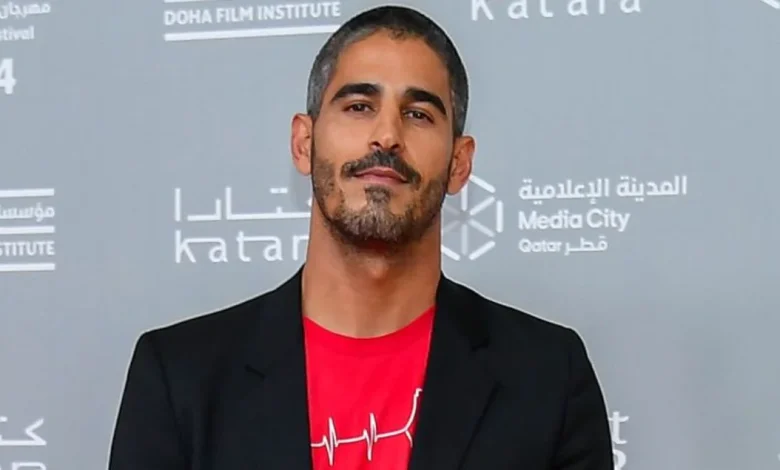
Journalist Ahmed Shihab-Eldin, a highly respected U.S.-Kuwaiti reporter and prominent media figure, has been officially acquitted of all charges following a harrowing nearly two-month imprisonment in Kuwait. The legal saga began when the journalist shared authentic video footage of a U.S. fighter jet crashing during the ongoing Iran war. For almost 60 days, Shihab-Eldin found himself languishing behind bars, facing severe accusations of spreading false information and directly threatening the national security of the Gulf state. His recent complete exoneration by a Kuwaiti court not only clears his name but also sets a critical precedent for press freedom, digital rights, and the complex realities of reporting on military conflicts in one of the world’s most volatile regions.
The Arrest and Detention of a Respected Reporter
The abrupt arrest of Ahmed Shihab-Eldin sent shockwaves through the international journalism community. Known for his incisive reporting and substantial social media following, Shihab-Eldin was taken into custody by Kuwaiti state security forces shortly after posting the controversial footage online. Authorities swiftly confiscated his electronic devices, including smartphones and laptops, effectively silencing him. The detention was justified under strict national security provisions, which are often invoked in the Gulf to control the flow of sensitive military information. The harsh nature of his confinement, stretching over eight agonizing weeks, raised immediate concerns about the fundamental rights of reporters working in the Middle East.
Dissecting the U.S. Fighter Jet Crash Footage
At the center of this profound legal battle was a brief but explosive video clip depicting the fiery crash of a United States military fighter jet. As the ongoing war with Iran escalates, the U.S. maintains a massive strategic presence in Kuwait, utilizing airbases to project power across the Persian Gulf. The footage posted by Shihab-Eldin showed undeniable plumes of smoke and the scattered wreckage of an advanced aircraft, surrounded by quickly assembling emergency personnel. While the U.S. Department of Defense eventually acknowledged the loss of an aircraft due to a “technical malfunction,” the immediate aftermath of the crash was highly sensitive. Military commands desperately attempt to control the narrative during active operations, fearing that visual evidence of losses could be utilized by adversarial forces for propaganda purposes.
Accusations of Threatening National Security
Following his detainment, Kuwaiti prosecutors charged the journalist with multiple offenses under the nation’s stringent cybercrime and state security laws. The prosecution alleged that by disseminating unauthorized footage of a military incident, Shihab-Eldin was willfully spreading “false information” that could incite public panic and undermine the strategic alliance between Kuwait and the United States. Furthermore, the charges claimed that the unauthorized broadcast of the crash site threatened national security by potentially revealing sensitive operational locations to enemy combatants. The prosecution sought to impose a lengthy prison sentence, arguing that the chaotic environment of wartime requires absolute adherence to state-sanctioned information channels.
Implications for Press Freedom in the Middle East
The nearly 60-day incarceration of a dual U.S.-Kuwaiti citizen highlighted the precarious nature of press freedom in the Gulf Cooperation Council (GCC) states. Independent reporting, particularly concerning military and security matters, remains heavily scrutinized. The chilling effect of Shihab-Eldin’s arrest was immediate; many local and regional reporters self-censored, avoiding coverage of military movements or the broader regional conflict. This environment stifles public discourse and limits the transparency necessary for holding governmental and military institutions accountable. The use of state security laws to target journalists who simply relay observational truths demonstrates a profound friction between modern digital storytelling and traditional state control.
International Outcry and Global Advocacy
Throughout his detention, a robust international campaign mobilized to demand Shihab-Eldin’s release. Human rights organizations, media watchdogs, and fellow journalists rallied across social media platforms. Organizations such as the Committee to Protect Journalists documented the case extensively, categorizing it as a blatant violation of international press freedoms. Diplomatic backchannels were also reportedly activated, given his status as an American citizen, although the U.S. State Department publicly maintained a cautious stance, emphasizing respect for Kuwait’s judicial processes while privately advocating for a swift and fair resolution.
| Phase | Event | Details & Significance |
|---|---|---|
| Day 1 | Initial Arrest | Ahmed Shihab-Eldin detained by Kuwaiti State Security; electronics confiscated. |
| Day 5 | Formal Charges Filed | Charged under cybercrime laws for spreading false info and threatening state security. |
| Day 30 | Bail Denied | Court refuses bail citing flight risk and the sensitive nature of the Iran war context. |
| Day 58 | Final Verdict | Full acquittal granted; judge rules lack of malicious intent and affirms footage authenticity. |
The Geopolitical Context: The 2026 Iran War
To fully grasp the magnitude of the prosecution against Shihab-Eldin, one must understand the overarching geopolitical environment defined by the ongoing conflict with Iran. The entire Middle East remains on a knife-edge. The military confrontation has drawn in numerous regional and global powers, significantly disrupting global trade and stability. Kuwait, sharing maritime borders in a highly contested region, has found itself as a critical logistical and operational hub for U.S. forces. The heightened paranoia among Kuwaiti security agencies is directly tied to the severe escalation in hostilities, especially as Iran halts U.S. talks over blockade and Trump demands, indicating a protracted and unyielding conflict.
Kuwait’s Delicate Balancing Act in the Gulf
Kuwait is executing an exceptionally delicate balancing act. On one hand, its defense heavily relies on its strategic treaty alliance with the United States. On the other hand, it fears retaliatory strikes or asymmetric warfare from Iranian proxies. This tension was recently exacerbated when the U.S. enforces Strait of Hormuz halting Iranian ships, a move that placed neighboring Gulf nations on extreme high alert. The authorities’ overreaction to Shihab-Eldin’s video must be viewed through this lens of hyper-vigilance. Any incident that potentially exposes the vulnerabilities of U.S. forces stationed in Kuwait is perceived not merely as a PR disaster, but as a direct existential threat that could invite foreign espionage, especially considering advanced technological threats like the spy satellite handover by China that has dramatically enhanced Iran’s orbital surveillance capabilities.
The Trial: Legal Arguments and the Path to Acquittal
The trial itself was a landmark event in Kuwaiti jurisprudence. The defense team masterfully argued that Ahmed Shihab-Eldin was operating strictly within the ethical boundaries of journalism. They presented compelling evidence that the video footage was inherently factual—not “false information” as the prosecution claimed. Since the crash actually occurred and the video was unmodified, charging him with spreading lies was legally unfounded. Furthermore, the defense dismantled the national security argument by demonstrating that the crash site was visible to thousands of civilians and had already been documented by numerous amateur witnesses on various social media platforms before Shihab-Eldin even shared it. The judge ultimately concurred, ruling that the prosecution failed to prove any malicious intent to harm the state or its alliances. The court affirmed that merely reporting on a visible, real-world event does not constitute an act of subversion, leading to an unconditional acquittal.
Life After Prison: What This Means for Ahmed Shihab-Eldin
Emerging from nearly two months of incarceration, Shihab-Eldin faces the daunting task of processing a deeply traumatic experience. Being stripped of freedom for performing one’s professional duty leaves lasting psychological scars. However, in his initial statements following his release, the journalist expressed profound gratitude for the global solidarity he received and reiterated an unwavering commitment to truth-telling. His resilience serves as a powerful testament to the enduring spirit of independent journalism. While he is now legally cleared, the ordeal underscores the inherent risks reporters undertake when operating in regions where the rule of law can be temporarily overshadowed by wartime security imperatives. Shihab-Eldin’s return to the public sphere is anticipated to be highly influential, as he now speaks not only as a seasoned correspondent but as a survivor of unjust state censorship.
A Precedent Set for Digital Journalism and Conflict Reporting
The ultimate acquittal of Ahmed Shihab-Eldin represents a crucial, albeit fragile, victory for freedom of the press in an era of digital warfare. It challenges the archaic notion that states can entirely control the narrative of war by suppressing eyewitness documentation. In an age where every citizen possesses a high-definition camera and instantaneous broadcasting capabilities via social media, the futile attempt to prosecute journalists for curating and sharing reality is increasingly recognized as legally unsustainable. This verdict sends a definitive message to authoritarian frameworks attempting to exploit national security as a blanket excuse for silencing dissent and observation. As the conflict in the region continues to evolve, this case will undoubtedly be cited in future legal battles defending the right to report the unvarnished truth from the front lines of modern history.