IRGC Coup: Araghchi Sidelined After Trump Hormuz Deal Fails
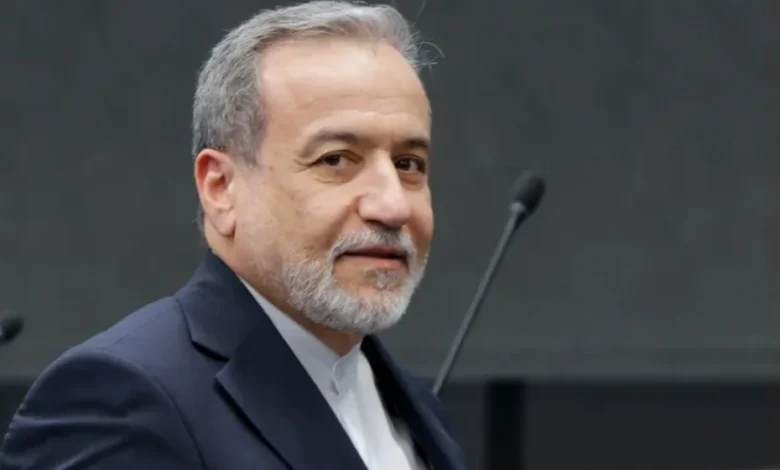
IRGC commanders have officially executed a complete takeover of Iran’s diplomatic and military channels, sending shockwaves through global markets and the international political landscape. In an unprecedented move, the hardliners did not merely overrule Foreign Minister Abbas Araghchi—they completely erased him from the negotiation table. This decisive internal coup comes immediately after Araghchi reportedly shook hands on a landmark agreement with Donald Trump aimed at opening the heavily contested Strait of Hormuz. The Islamic Revolutionary Guard Corps (IRGC) vehemently rejected the concession. Instead of debating the moderates or seeking a diplomatic middle ground, the hardliners took the wheel, assumed total control over Iran’s military and diplomatic operations, and launched attacks on three commercial ships over the weekend to unequivocally demonstrate their absolute authority. The diplomatic lane in Tehran is now closed, leaving oil tanker captains and global energy markets on high alert.
The Araghchi-Trump Deal That Triggered the Shift
The sequence of events leading to this explosive geopolitical crisis began behind closed doors, where Foreign Minister Abbas Araghchi sought to alleviate crippling economic pressure on Iran through a calculated diplomatic gamble. Reports indicate that a tentative handshake deal was reached with the Trump administration. The premise of the agreement was simple yet historically profound: Iran would guarantee safe passage through the Strait of Hormuz in exchange for the lifting of specific, targeted maritime and economic sanctions. Araghchi, representing the moderate faction within the Iranian government, believed that this pragmatic approach would prevent a full-scale military conflict while providing the Iranian economy with much-needed breathing room.
Inside the Unprecedented Diplomatic Handshake
For a brief moment, it appeared that a breakthrough had been achieved. Diplomatic back-channels were buzzing with optimism as the framework for the Hormuz de-escalation took shape. The moderate wing in Tehran argued that securing the waterway would stabilize the volatile rial and restore a semblance of normalcy to Iran’s suffocating trade routes. Araghchi’s team had heavily invested their political capital in this negotiation, assuming they had the tacit approval required to finalize the terms. However, they critically underestimated the entrenched power of the supreme military apparatus. The IRGC viewed the handshake not as a diplomatic victory, but as a severe capitulation and an unacceptable surrender of Iranian sovereignty to Western demands.
How the Hardliners Erased the Foreign Minister
The backlash from the military establishment was not characterized by political debate or public discourse; it was swift, silent, and absolute. Araghchi did not get outvoted in a parliamentary session, nor was he subjected to a public dressing down. He simply disappeared from the decision-making matrix. The hardliners effectively “erased” the Foreign Minister and his entire diplomatic apparatus. Overnight, statements from the Ministry of Foreign Affairs ceased, and all communications regarding international negotiations were re-routed through the IRGC’s central command. This aggressive internal power consolidation signaled the abrupt and terrifying end of Tehran’s moderate political wing.
No Debates, Just a Total Takeover
In the halls of Tehran’s supreme leadership, the traditional balancing act between the elected government and the parallel military establishment was permanently shattered. The IRGC declared that national security and foreign policy concerning the Persian Gulf were exclusively under their jurisdiction. The moderates were not invited to discuss the merits of the Trump deal. Instead, they were stripped of their credentials, locked out of security briefings, and relegated to the shadows. This total takeover essentially transformed Iran’s governance structure, merging the military and diplomatic branches into a single, unyielding fist controlled entirely by hardline commanders.
| Factor | Araghchi’s Moderate Strategy | IRGC Hardliner Strategy |
|---|---|---|
| Strait of Hormuz | Open passage, de-escalation | Militarized zone, blocked access |
| Diplomacy with US | Pragmatic concessions for sanctions relief | Absolute rejection of Western demands |
| Internal Power | Shared governance, diplomatic leads | Total military control over negotiations |
| Maritime Security | Guarantee safety for commercial vessels | Targeted attacks to project power |
Three Ships Attacked: The Violent Rejection
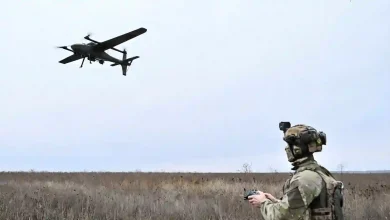
To ensure their rejection of the diplomatic deal was understood globally, the IRGC immediately flexed its military muscle. Over the weekend, the hardliners authorized aggressive kinetic action against commercial vessels navigating near the contentious waterway. Three commercial ships were violently attacked in rapid succession. Utilizing swarms of fast-attack crafts and loitering munitions, the military sent an undeniable message: the handshake deal was dead, and the waters of the Persian Gulf were under strictly hostile jurisdiction. The brazen nature of these attacks shocked the international maritime community, instantly transforming the region into an active conflict zone.
Weekend Escalations and Maritime Chaos
The weekend escalations involved precise, terrifying assaults that damaged ship hulls and forced crews into emergency protocols. Distress signals flooded regional naval monitoring stations as the realization set in that the Iranian military was no longer acting under the restraint of civilian leadership. These attacks were not random acts of piracy; they were highly coordinated, strategic strikes designed to nullify any perception of safety in the region. As a direct result, the Strait of Hormuz closed again for all practical purposes, with shipping conglomerates halting operations to assess the sudden and catastrophic leap in risk.
The Islamic Revolutionary Guard’s Total Control
Today, the Islamic Revolutionary Guard Corps controls not just the armed forces, but the entirety of Iran’s negotiation team. There is no longer a civilian buffer between the military’s strategic objectives and international diplomacy. By taking the wheel, the hardliners have established a monolithic front. The international community, which previously attempted to exploit the fractures between Iran’s moderates and hardliners, now faces a unified, highly militarized adversary that has already demonstrated its willingness to use lethal force to protect its territorial dominance.
Merging Military Power and Negotiation Strategy
This unprecedented merger of military might and diplomatic authority means that future negotiations—if any occur—will be conducted directly under the threat of armed escalation. The commanders who orchestrated the weekend attacks are the very same individuals who will now dictate the terms of any international engagement. They have completely slammed previous U.S. demands, replacing diplomatic nuance with brute force. Foreign diplomats and international organizations must now recalibrate their entire approach, understanding that the traditional avenues of negotiation in Tehran have been walled off entirely.
Implications for Global Oil and Tanker Captains
Every oil tanker captain on earth is watching this situation with profound anxiety. The Strait of Hormuz is the world’s most critical oil chokepoint, with millions of barrels of crude passing through its narrow channels daily. The IRGC’s aggressive posture and the recent attacks have sent maritime insurance premiums—specifically war risk premiums—skyrocketing. Logistics companies are scrambling to reroute vessels, while energy analysts are frantically updating their forecasts for global oil prices. The economic ramifications are vast, threatening to reignite inflation and disrupt energy supplies worldwide as global commodity markets react to the supply chain threats.
Navigating the Strait of Hormuz Under Threat
For the crews aboard the colossal crude carriers, the reality of the situation is grim. The traditional rules of engagement and the safety protocols established by international maritime law have been effectively suspended by the IRGC’s actions. Captains of supertankers attempting to navigate the blockaded waters must now do so under the constant threat of drone strikes and naval boardings. Navies from the United States, the United Kingdom, and allied nations are heightening their presence, but the sheer volume of commercial traffic makes it impossible to escort every vessel safely. The psychological and physical toll on maritime workers is unprecedented, as they find themselves on the frontline of a massive geopolitical standoff.
The Death of Tehran’s Diplomatic Lane
The events of the past few days mark a definitive and historic turning point in Iranian politics and international relations. The concept of a “diplomatic lane” in Tehran is now obsolete. The individuals, like Araghchi, who dedicated their careers to fostering dialogue and securing economic relief through compromise, have been comprehensively sidelined. The hardliners have proven that any attempt to negotiate away their strategic leverage will be met with overwhelming, institutional force. This internal coup ensures that the regime’s survival and its projection of power are prioritized above all economic considerations.
Moderates Sidelined in the New Regime Era
As the dust settles on this swift and brutal consolidation of power, the future looks increasingly volatile. The moderates are not merely out of power; their entire ideology of engagement has been criminalized by the military elite. The IRGC’s message to the world is clear: Iran will not be coerced, it will not compromise on its maritime dominance, and it will respond to diplomatic pressure with military force. The erasure of Abbas Araghchi is not just the end of a single politician’s career; it is the death knell for moderation in Tehran. The world must now prepare to deal with an Iran that is fully militarized, unapologetically aggressive, and entirely under the control of its most hardline commanders.