Carlos Alcaraz Demands 11 PM Curfew Following US Open Exit
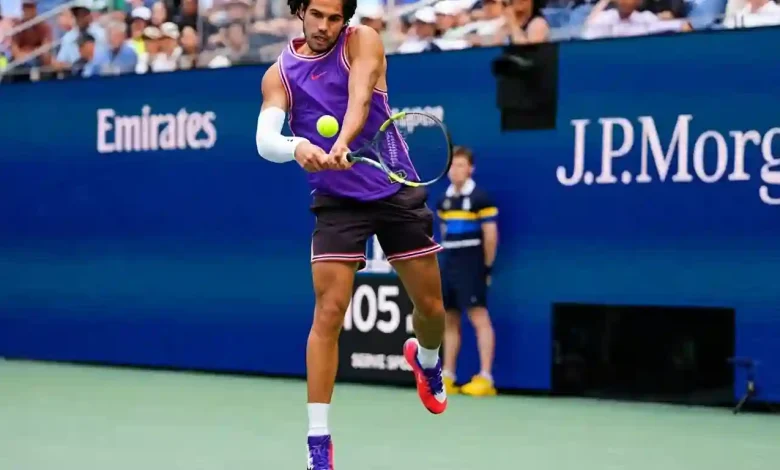
Table of Contents
Carlos Alcaraz has declared that professional tennis must overhaul its night session structure after his US Open title defense evaporated in an unprecedented 3:33 a.m. quarterfinal defeat against American powerhouse Ben Shelton. The grueling encounter, which shattered the record for the latest finish in tournament history, left the four-time Grand Slam champion exhausted and visibly dismayed. Speaking to the international press corps in the dawn hours following the match, the Spanish sensation made an urgent appeal to major tournament directors, insisting that no competition should permit play beyond 11:00 p.m. Alcaraz’s firm stance marks a pivotal moment in the ongoing conflict between television broadcasting obligations and high-performance athletic welfare.
The Breaking Point at Flushing Meadows: An Unprecedented Late Finish
The quarterfinal battle between Carlos Alcaraz and Ben Shelton was eagerly anticipated as the definitive clash of next-generation tennis powerhouses. However, logistical gridlock on Arthur Ashe Stadium delayed the start of their clash until well past midnight. A protracted five-set women’s match earlier in the evening pushed back the evening schedule, setting off a domino effect that left both competitors warming up in subterranean corridors while spectators drifted out into the cold Queens night. When play officially wrapped at 3:33 a.m., only a handful of dedicated team personnel and venue workers remained scattered across the 23,000-seat arena.
For Alcaraz, who has consistently demonstrated exceptional stamina throughout his career, the physical and emotional burden proved too severe. The loss not only ended his bid to defend his Flushing Meadows crown but also reignited intense debate regarding the sport’s refusal to institute standardized curfews. While tournaments like Wimbledon operate under strict local municipality regulations that mandate play halt at 11:00 p.m., the US Open and the Australian Open have routinely scheduled matches that spill into the early dawn, testing human endurance at the expense of athletic quality.
Demanding an 11 PM Curfew: The Strategic Argument for Player Welfare
Addressing reporters when most of New York City was asleep, Alcaraz did not conceal his frustration. The young champion stressed that finishing athletic competition after 3:00 a.m. completely disrupts recovery protocols, circadian rhythms, and preparation cycles. Unlike regular tour tournaments where recovery windows might be managed differently, Grand Slam fixtures require supreme physical output over best-of-five encounters. When players walk off the court at dawn, post-match media obligations, drug testing, and physiotherapy extend their bedtime past 6:00 a.m., effectively destroying their biological clocks for subsequent rounds.
Tournament organizers have historically defended night sessions by pointing to prime-time television viewership and marquee ticket sales. Yet, as tennis icons continually voice concern over congested calendars, the line between entertainment spectacle and athletic exploitation has blurred. In previous seasons, Alcaraz has pursued peak physical condition through disciplined fitness regimens, documented thoroughly in discussions on Carlos Alcaraz career updates, making this sudden disruption all the more alarming for his long-term conditioning.
Anatomy of the Shelton-Alcaraz Epic: High Stakes Under Empty Stands
The match itself displayed astonishing quality despite the bizarre conditions. Ben Shelton unleashed his signature 145-mph serves with ruthless precision, targeting Alcaraz’s forehand and dictating extended rallies. Alcaraz countered with acrobatic defense and touch volleys, but the unusual atmosphere of an echoey, near-empty stadium sapped the dynamic energy that typically fuels his performances. As unforced errors crept into the Spaniard’s baseline game during the fourth-set tiebreak, Shelton surged forward to claim the greatest victory of his career.
Shelton’s victory underscores his rise as a premier hard-court competitor, mirroring his previous breakthrough moments analyzed during Ben Shelton beats top contenders. However, even the victorious American acknowledged the surreal absurdity of finishing a major quarterfinal while cleaning crews swept the empty aisles above them. The absence of crowd momentum fundamentally altered the psychology of the match, transforming what should have been an electric showcase into a test of sleep deprivation.
The Physiological Toll of Early Morning Matches on Elite Athletes
Sports science researchers and athletic trainers have repeatedly warned about the dangers of competitive play during circadian lows. Between 2:00 a.m. and 5:00 a.m., core body temperature reaches its lowest diurnal point, cognitive reaction times decline significantly, and neuromuscular coordination deteriorates. For tennis professionals moving laterally at extreme velocities, these physiological depressions exponentially elevate the risk of acute soft-tissue strains and joint injuries.
The recovery debt incurred by such matches cannot be erased by simply sleeping late the next day. Disrupted REM sleep suppresses human growth hormone release, impairing muscle tissue repair and glycogen replenishment. When athletes must return to the court forty-eight hours later to face fully rested opponents who played daytime fixtures, the integrity of competitive balance is compromised. The ATP and WTA tours have frequently discussed injury mitigation, an issue that resonates across all athletic disciplines when high-performance demands clash with inadequate rest windows.
Broadcast Revenue Versus Player Health: The Grand Slam Scheduling Dilemma
At the center of the dispute lies the lucrative financial framework of modern tennis. Broadcast contracts with global streaming services and television networks are tied heavily to prime-time evening slots. Tournaments maximize revenue by selling two distinct ticketing sessions per day: day passes and evening passes. If an evening session featuring two blockbuster matches begins at 7:00 p.m., any delay in the opening contest virtually guarantees that the second match will begin after 10:00 p.m.
Tournament executives remain hesitant to shift matches to auxiliary courts or postpone them to the following morning due to ticket refunds and logistical liabilities. Yet, prominent figures across the sport argue that tennis is commodifying athlete health for broadcast advertising dollars. When matches conclude at 3:33 a.m., domestic television audiences have long turned off their screens, creating an ironic paradox where the very viewers the network hoped to capture have gone to bed, leaving the sport broadcast to virtually no one.
Comparative Analysis of Grand Slam Night Match Regulations
The major championships manage night play through drastically divergent frameworks. The table below illustrates the scheduling protocols, curfew rules, and historical late-finish records across the four Grand Slam tournaments:
| Grand Slam Tournament | Mandatory Curfew Policy | Scheduled Evening Start | Latest Finish on Record | Primary Driver of Policy |
|---|---|---|---|---|
| Wimbledon (London) | Strict 11:00 PM Curfew | 5:00 PM (Centre Court) | 11:02 PM | Local Merton Council zoning rules |
| Roland Garros (Paris) | No Strict Curfew (Discretionary) | 8:15 PM | 1:15 AM | Local noise ordinances & metro schedules |
| Australian Open (Melbourne) | Soft Target (No Fixed Cutoff) | 7:00 PM | 4:34 AM | Host broadcaster prime-time slots |
| US Open (New York) | No Curfew Policy | 7:00 PM | 3:33 AM (Alcaraz vs. Shelton) | Dual-ticket revenue & international broadcast |
A Broader Locker Room Revolt: Player Solidarity and Tour Reactions
Alcaraz is far from the only elite player demanding immediate structural change. Tennis superstars over the last decade have expressed indignation over graveyard shifts, but the sheer stature of Alcaraz’s profile has lent new authority to the movement. Prominent players have reiterated that tennis remains one of the few global sports where competitors cannot predict the start time of their matches within a five-hour window, contrasting sharply with sports like association football, basketball, and track and field.
The issue of athlete safety and peak performance preservation has sparked debates in various arenas, from elite football tournaments highlighted by Kylian Mbappe career milestones to international team competitions such as the Davis Cup Final 8 lineup. In both team and individual sports, operational schedules are being scrutinized by athletes who refuse to accept outdated structural burdens that elevate physical breakdown. Tennis players’ associations are now coordinating to formulate a united front, threatening collective pushback if Grand Slam committees fail to address nocturnal scheduling ahead of upcoming seasons.
Structural Reforms: Can Tennis Solve Its Midnight Epidemic?
Resolving the midnight epidemic requires tangible structural compromises from Grand Slam committees. Tennis analysts and athlete advisory groups have proposed several viable solutions:
- Earlier Evening Starts: Moving the primary evening session start time from 7:00 p.m. forward to 6:00 p.m. would provide an essential buffer against protracted opening matches.
- One-Match Evening Sessions: Limiting stadium evening tickets to a single high-profile match, with subsequent fixtures placed on secondary show courts.
- Firm 11:00 PM Cutoff Triggers: Mandating that if an evening match does not commence prior to 10:30 p.m., it must be automatically shifted to an outdoor court or postponed to the daytime schedule.
- Third-Set Tiebreak Standardization: Implementing uniform abbreviated scoring formats across all deciding sets to prevent runaway marathon matches during opening night slots.
As the international tour shifts focus toward late-season hard-court and indoor championships, tournament directors face increasing scrutiny. The high stakes of individual competition require optimal recovery environments, whether players are vying for Grand Slam crowns or competing in major domestic showdowns like those seen in Premier League standout performances or high-intensity tennis brackets like the Arthur claim in Cincinnati. Furthermore, top stars recognize that maintaining peak physical health is vital for sustained greatness, an ethos reflected in the longevity strategies of sporting legends featured in Ronaldo at Portugal competitions and high-stakes racing circles analyzed in Max Verstappen targets.
Carlos Alcaraz’s refusal to stay silent after his grueling US Open defeat has catalyzed what could be the most impactful scheduling debate in modern tennis history. If Grand Slam tournaments wish to maintain their reputation as the pinnacle of professional athletics, they can no longer prioritize midnight broadcast revenue over the basic physical well-being of the stars who draw crowds to their arenas.