Youri Tielemans Seals Historic 3-2 Belgium World Cup Comeback
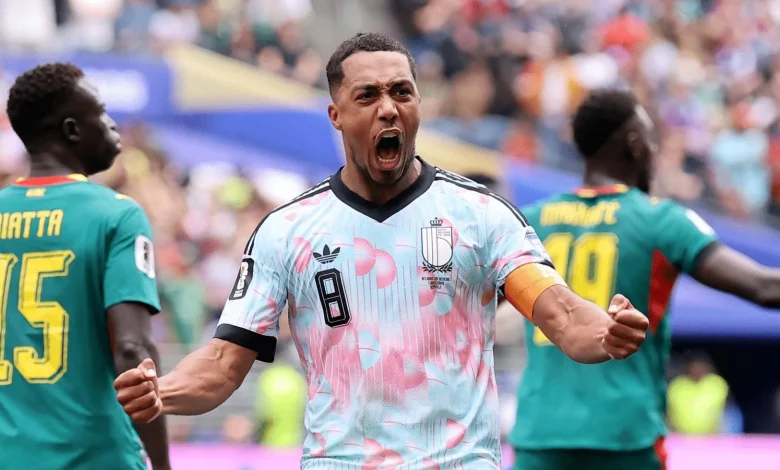
Table of Contents
Youri Tielemans etched his name forever into World Cup folklore with an extraordinary display of composure, dragging Belgium from the brink of tournament elimination to secure a jaw-dropping 3-2 victory over Senegal after extra time in Seattle. This Round of 32 clash on Wednesday, July 1, 2026, will be remembered as one of the most astonishing comebacks in modern football history. With only four minutes of normal time remaining, the Red Devils were staring down the barrel of a humiliating exit, trailing 2-0 to a relentless, physically superior Senegalese side. The “Golden Generation” narrative of Belgium appeared to be coming to a whimpering, agonizing end under the brilliant Seattle lights. Yet, a furious late surge, capped by an ice-cold penalty from the Aston Villa midfielder in the 125th minute, completely rewrote the script, booking Belgium’s spot in the Round of 16 and sending the African champions home in the most brutal fashion imaginable.
Youri :Introduction: A Historic Night in Seattle
The atmosphere at Seattle Stadium was electric, filled with a mixture of nervous tension and sheer excitement. Belgian supporters, outnumbered but vocal, watched in disbelief as their team struggled to cope with the explosive pace and physicality of Senegal. The African side, carrying the hopes of an entire continent after the narrow exits of South Africa, Ivory Coast, and the Democratic Republic of Congo, played with a freedom and intensity that completely rattled the European giants. What transpired over the course of 120-plus minutes was not just a football match; it was a psychological thriller, a showcase of tactical adjustments, and ultimately, a testament to the unpredictable nature of knockout football. At the heart of it all was one man who refused to let his country’s World Cup dream die.
Youri :Match Context and Tactical Setups
Heading into this high-stakes elimination fixture, Belgium coach Rudi Garcia opted for tactical stability, naming an unchanged lineup following their dominant 5-1 thrashing of New Zealand in Group G. This meant that Charles De Ketelaere retained his starting berth as the focal point of the attack, while legendary striker Romelu Lukaku was surprisingly left on the bench. Garcia’s decision reflected a desire to exploit Senegal’s defense with fluid, rapid transitions rather than brute strength. On the opposing side, Senegal’s head coach Pape Thiaw made three crucial adjustments to the team that had dismantled Iraq 5-0 to sneak into the knockout phase as one of the best third-place teams. In came Pape Gueye—buoyed by a scintillating brace in his previous outing—alongside Pathe Ciss and Everton’s rapid winger Iliman Ndiaye. This tactical tweak was designed to overwhelm Belgium’s aging defensive line with intense, high-pressing physical energy. International tournaments of this magnitude have always captured global imaginations, comparable to other highly anticipated sporting diplomacy events such as the historic football clash between Pyongyang’s Naegohyang FC and Suwon FC, showcasing how national prestige is laid bare on the pitch.
Youri :First-Half Dominance: Senegal Takes Charge
From the opening whistle, Senegal looked vastly superior, carving through Belgium’s midfield with astonishing ease. Sadio Mane and Iliman Ndiaye targeted Belgium’s wings relentlessly, forcing wingbacks Maxim De Cuyper and Timothy Castagne into deep defensive shells. The Lions of Teranga nearly opened the scoring early when Ismail Jakobs sent a looping, deflected cross into the penalty area. Belgian goalkeeper Thibaut Courtois managed only a weak parry, pushing the ball directly into the path of Ismaïla Sarr. Although stretching, the Crystal Palace forward struck the post with his initial attempt before incredibly sending the rebound wide of the target. This early let-up did not deter Senegal. In the 25th minute, their persistent pressure yielded a deserved breakthrough. Mane delivered a beautifully weighted, inswinging cross that Sarr met with a towering header. While the ball hit the post for a second time, Habib Diarra was the quickest to react, side-footing the rebound home from seven yards out to spark euphoric celebrations.
Youri :The Second-Half Blow: Sarr Doubles the Advantage
Belgium entered the second half searching for a tactical answer, but instead, they were met with another hammer blow. In the 51st minute, Senegal doubled their lead through Sarr, who finally got the goal his relentless running deserved. Senegal’s towering center-back Moussa Niakhate launched a pinpoint, direct long ball over the top of the sluggish Belgian defense. Sarr timed his run to perfection, bringing the ball down deftly with his chest as he easily bypassed Castagne and Wout Faes. With only Courtois to beat, Sarr coolly slotted a low, driving shot into the bottom corner. At 2-0, Senegal looked entirely in control, playing with a level of tactical discipline and athletic fluidity that made Belgium look completely outdated. For the next thirty minutes, Senegal looked far more likely to score a third than concede, leaving Belgian fans in Seattle silent and despairing.
Youri :The Tactical Turn: Garcia’s Substitutions Pay Off
Desperate to avoid an early flight home, Rudi Garcia threw caution to the wind in the final fifteen minutes. He introduced Thomas Meunier and Leandro Trossard to inject width and energy, but his most crucial move was bringing on Romelu Lukaku. The veteran striker instantly changed the physical dynamic of the match, pinning Senegal’s defenders and creating space for late midfield runs. This grueling encounter pushed players to their absolute physical thresholds under demanding summer conditions. The intense physical toll of modern tournament schedules frequently raises sports science debates about player fatigue, drawing parallels to how the WHO data access concerns raise as US navigates global health information gaps, emphasizing the need for comprehensive and standardized wellness tracking systems in high-intensity environments.
Youri :Five Minutes of Madness: The Great Belgian Escape
The Belgian fightback truly began in the 86th minute. Thomas Meunier found space on the right flank and whipped in a precise cross. Romelu Lukaku, showing his trademark strength, held off Niakhate and steered a powerful header past Senegal’s goalkeeper to give the Red Devils a crucial lifeline. Sensing panic in the Senegalese ranks, Belgium poured forward. Just three minutes later, in the 89th minute, Leandro Trossard delivered an exquisite inswinging cross from the left. Rising above everyone in the penalty area, Youri Tielemans directed a brilliant header into the far corner, leveling the score at 2-2 and sending the Belgian bench into absolute delirium. From the brink of a comfortable defeat, Belgium had somehow forced extra time.
Extra Time: Physical Limits and Tactical Fatigue
The extra 30 minutes became a war of attrition. Both teams were visibly exhausted, with players suffering from severe cramps. Senegal, devastated by throwing away a two-goal lead, struggled to regain their tactical shape, while Belgium relied on their experience to manage the tempo. The drama on the field was watched by millions worldwide via digital platforms. Broadcast logistics and local digital networks have faced immense pressure during this World Cup, heavily linked to the geopolitical expansion of high-speed satellite internet, a sector currently under scrutiny following controversies like the Starlink scandal involving a South African politician, which underscores the high-stakes battles for modern communication infrastructure.
The 125th-Minute Drama: VAR and Tielemans’ Icy Finish
Just as both managers were preparing their lists for a penalty shootout, the ultimate drama unfolded. In the 125th minute—deep into the stoppage time of extra time—a loose ball flashed across the face of the Senegal goal. Youri Tielemans rushed forward to meet it but was clumsily brought down by a sliding challenge from Senegal’s Lamine Camara. The referee initially waved play on, but the Video Assistant Referee (VAR) intervened, advising a field-side review. Agonizing minutes passed as the referee analyzed the footage on the monitor. Finally, he pointed to the spot, awarding Belgium a penalty. Showing nerves of steel, Tielemans stepped up and clipped a majestic penalty directly into the top-right corner, completing a historic 3-2 victory. For deeper technical analysis and post-match player interviews, fans can check out FIFA’s official tournament website.
Match Summary and Statistics
The stats reveal a game of two halves. Senegal dominated the first 80 minutes, but Belgium’s clinical finishing in the final moments proved decisive. To illustrate the local economic scale of hosting such highly attended global events, municipal sports investments often face intense domestic scrutiny, reminiscent of local political spending outcries like when Boston Mayor Wu’s wellness vouchers sparked outrage over regional deficit allocations.
| Match Metric | Belgium | Senegal |
|---|---|---|
| Goals | 3 | 2 |
| Shots (On Target) | 14 (6) | 18 (8) |
| Possession (%) | 52% | 48% |
| Pass Accuracy (%) | 84% | 81% |
| Fouls Committed | 12 | 19 |
| Yellow Cards | 2 | 4 |
Aftermath: The Path Ahead for Belgium and Hearts Broken for Senegal
With this victory, Belgium advances to the Round of 16, where they will remain in Seattle to face either the United States or Bosnia and Herzegovina. For Senegal, the defeat is an incredibly bitter pill to swallow. They controlled the vast majority of the match and looked poised to reach the next round, only to be undone by a late defensive collapse. This match will go down as an all-time classic, cementing Youri Tielemans’ place in Belgian football history as the man who engineered one of the most breathtaking escapes ever witnessed at a FIFA World Cup.