Breaking: 1 Dead in Shocking Resort Fire Linked to Francesca Valentino in Dominican Republic
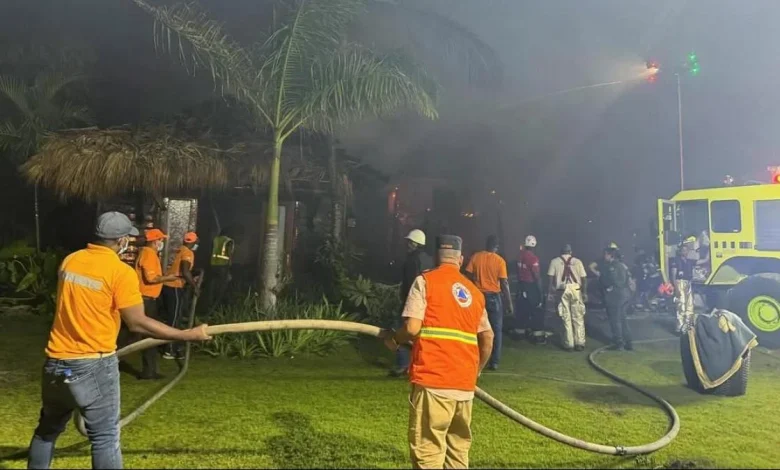
Table of Contents
Francesca Valentino, a 46-year-old Italian citizen, has tragically passed away after a major fire broke out at the four-star Viva Wyndham Dominicus Beach Hotel, situated in the highly sought-after resort area of Bayahibe in the Dominican Republic. The incident, which unfolded on Friday, June 19, 2026, required an unprecedented emergency response, prompting the evacuation of almost 1,700 international tourists and sending shockwaves through the Caribbean tourism sector. As local and federal agencies launch rigorous investigations into the fatal blaze, the role of natural architecture and coastal wind conditions has emerged as a focal point of inquiry.
Francesca Valentino and the Tragic Bayahibe Fire
The death of Francesca Valentino, a vibrant 46-year-old Italian citizen who was enjoying a tropical escape along the Dominican Republic’s renowned Caribbean coastline, has cast a somber shadow over the local tourism community. According to a formal statement released by the country’s Dirección de Servicios de Atención a Emergencias Extrahospitalarias (DAEH), Valentino was the sole fatality in the massive fire that decimated parts of the resort’s structures. Emergency service representatives, alongside diplomats from the Italian Embassy, have initiated the necessary administrative processes to notify her family and arrange for the repatriation of her remains. Tragic occurrences of this nature underscore the critical importance of emergency preparedness in foreign nations, where international travelers must rely heavily on the local infrastructure for quick extraction and immediate medical intervention.
Detailed Account of the Viva Wyndham Dominicus Beach Fire
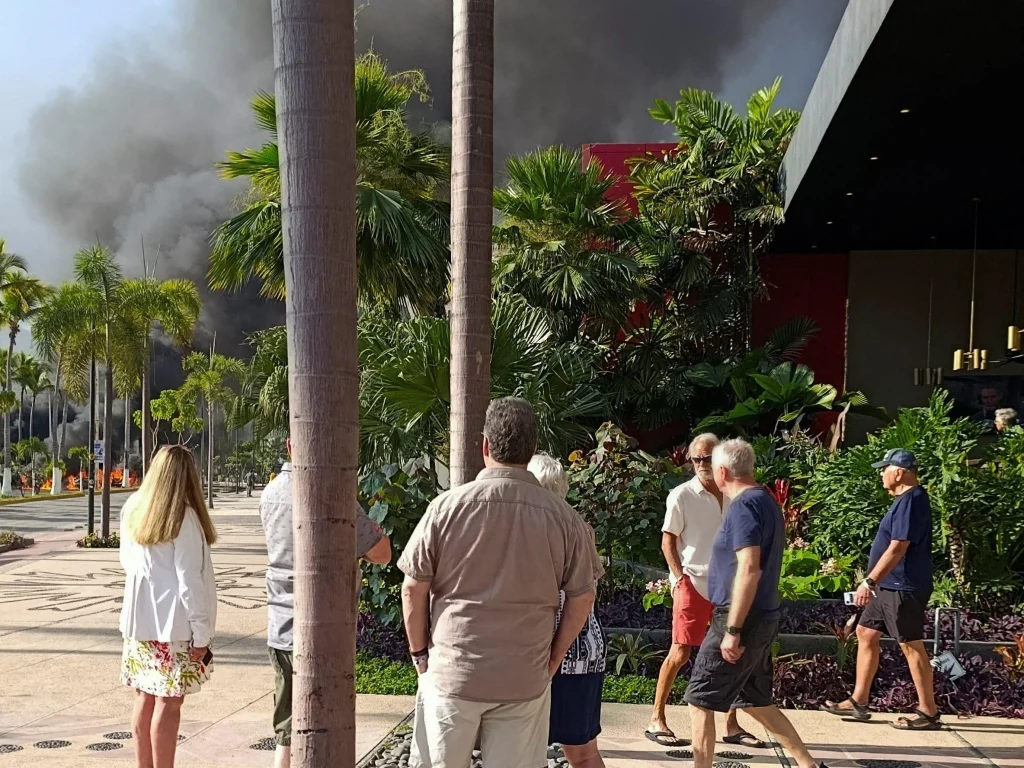
Eyewitness accounts and video footage circulated heavily across Dominican media platforms, depicting an apocalyptic scene as dark, billowing columns of smoke rose high above the beautiful Caribbean shoreline. The fire began in the afternoon hours of Friday, June 19, 2026, inside the beachfront portion of the Viva Wyndham Dominicus Beach Hotel. Fueled by dry materials and strong seaside gusts, the flames quickly escalated, reaching the dry palm-thatch (“cana”) roofing of the central buildings and bungalows. These structures, built in a traditional style designed to offer a rustic and authentic Caribbean experience, proved to be highly combustible. Guests describe hearing a sudden roar as the wind fanned embers from roof to roof, transforming isolated fire pockets into a unified wall of flames in less than fifteen minutes. Fire crews from La Romana, Bayahibe, and neighboring municipalities arrived promptly on the scene, utilizing extensive pump trucks and local water lines to prevent the fire from jumping to neighboring properties.
Massive Evacuation of Nearly 1,700 Tourists
Amidst the advancing wall of fire, hotel safety personnel and emergency responders executed a massive and highly coordinated evacuation protocol. A total of approximately 1,690 guests were forced to flee their rooms, many leaving behind their passports, luggage, and personal belongings as security staff prioritized life safety above all else. General Manuel Méndez, the Director of the Emergency Operations Center (COE), confirmed during a press briefing that the evacuation was carried out swiftly, with zero major injuries reported during the extraction phase itself. The evacuated tourists were systematically cataloged and transferred to alternative accommodations, including nearby hotels and temporary housing units secured by local authorities. Notably, the adjacent sister resort, Viva Wyndham Dominicus Palace, which shares the same overarching parent brand, sustained absolutely no structural damage from the fire. This undamaged property played a pivotal role as an immediate shelter and command center, offering distressed guests food, dry clothes, and a safe space to gather while local tourism officials worked to arrange long-term housing solutions.
Investigating the Cause: Palm-Thatch Roofs and High Winds
While a formal, comprehensive investigation is currently being spearheaded by local fire marshals and federal safety inspectors, preliminary observations have already pointed to a combination of environmental and architectural vulnerabilities. A statement issued by the country’s Emergency Operations Center (COE) observed that “the fire spread rapidly due to the flammable nature of parts of the roof structures made of palm, as well as wind conditions present in the area”. This raises substantial questions regarding the widespread utilization of traditional palm-thatch, locally referred to as “cana,” in high-density tourist properties. While structurally sound for ventilation and celebrated for its aesthetic beauty, dry palm leaf material requires rigorous chemical fire-retardant treatments to minimize its ignition risks. Investigators are focusing on whether the thatched roofs at the Viva Wyndham Dominicus Beach had been adequately treated with modern fire-retardant compounds, or if the extreme wind speeds simply bypassed these preventative measures by fanning the fire’s core temperature beyond tolerable thresholds.
Casualties and the Emergency Medical Response
The human toll of the fire extends beyond the tragic death of Francesca Valentino, highlighting the extreme dangers faced by both resort occupants and those who rushed in to help. According to official reports from the DAEH emergency services, three individuals were transported to regional medical facilities for urgent care, while an additional six people received immediate medical attention directly on-site. The DAEH specified that those affected by smoke inhalation, shock, and minor burns included a mix of hotel guests, visitors, and first responders. The involvement of emergency responders among the injured underscores the intense and hazardous conditions that local firefighters, paramedics, and police personnel faced as they entered smoke-logged structures to ensure that no sleeping guests were left behind. This incident has put a spotlight on the capacity of local emergency response systems in major resort towns, which must be equipped to handle large-scale emergencies in areas with highly concentrated populations.
Summary of the Viva Wyndham Dominicus Beach Hotel Fire
To understand the key parameters of this tragic event, the following comprehensive summary compiles the official data released by the Emergency Operations Center (COE), the DAEH, and regional authorities on the ground. This table serves as a structured reference for safety professionals and the travel industry to assess the scale and impact of the Bayahibe disaster.
| Fact / Parameter | Event Detail | Reporting Authority |
|---|---|---|
| Date of Incident | Friday, June 19, 2026 | Emergency Operations Center (COE) |
| Primary Fatality | Francesca Valentino, 46-year-old Italian National | DAEH Emergency Service |
| Medical Hospitalizations | 3 individuals transported to medical facilities | DAEH Statement |
| On-site Treatments | 6 individuals treated at the scene | DAEH Statement |
| Total Evacuations | Approximately 1,690 guests | COE / General Manuel Méndez |
| Main Acceleration Factors | Highly flammable palm-thatch (cana) roofs & coastal winds | Preliminary Observations (COE) |
| Sister Resort Status | Viva Wyndham Dominicus Palace – No damage sustained | Local Authorities |
Wyndham Hotels and Resorts Corporate Franchise Response
As the dust begins to settle, focus is inevitably shifting toward the corporate responsibility of international hotel chains. Wyndham Hotels and Resorts is a massive global powerhouse, franchising approximately 8,400 hotels across more than 95 countries. When contacted by major international news outlets regarding the fatal fire at their Dominican Republic location, corporate spokespersons did not immediately respond to requests for comment. Under the standard franchise model, international brands license their trademarks, booking systems, and marketing channels to local resort operators, who maintain day-to-day management and operational liability. However, a tragedy of this magnitude inevitably brings brand reputation risks to the forefront. Industry analysts expect Wyndham to launch its own independent safety audit of franchised properties across the Caribbean to ensure strict compliance with international fire detection, warning systems, and active containment protocols, thereby protecting the integrity of its global portfolio.
The Resilience of Bayahibe Tourism and Post-Incident Impact
Despite the devastating nature of the fire at the Viva Wyndham Dominicus Beach, local tourism officials have been quick to reassure the international community that the region remains safe and resilient. Bayahibe has historically stood as a leading jewel in the crown of Dominican tourism, consistently recording some of the highest hotel occupancy rates in the Caribbean. According to statistical data from early 2026, the Bayahibe-Romana region boasted an incredible 92% average occupancy rate, frequently outperforming other major tourist hubs like Punta Cana and Puerto Plata. The Dominican Republic itself is the most-visited nation in the Caribbean, welcoming upwards of 5.6 million international arrivals in just the first five months of the year. To mitigate long-term economic damage, the Emergency Operations Center (COE) emphasized that tourist activities in the broader Bayahibe region remain completely unaffected and continue to take place safely as normal. Local authorities, hotels, and excursion operators are working collaboratively to demonstrate that safety remains their absolute top priority. This incident was reported in detail by international outlets like ITV News, illustrating the global attention currently focused on the region’s response.
Broader Implications for Caribbean Resort Fire Safety
The loss of Francesca Valentino serves as a stark reminder of the delicate balance between maintaining rustic, natural resort aesthetics and implementing modern, fail-safe life safety systems. Throughout the Caribbean, the use of organic materials like timber, bamboo, and palm thatch is central to the tropical resort experience that millions of travelers seek out every year. However, this incident will likely trigger a comprehensive reevaluation of building codes and fire safety standards in coastal properties. Experts suggest that future resort construction must integrate active suppression mechanisms, such as external roof sprinkler systems, flame-resistant firewalls between bungalows, and early-warning thermal detection cameras designed to spot hot spots before they ignite. For travelers, this tragedy underscores the importance of familiarizing oneself with emergency exit routes, locating fire extinguishers, and choosing properties that prioritize transparent safety disclosures, ensuring that a dream Caribbean vacation does not end in preventable tragedy.