Iran Vows Devastating Response to Toughest Ever U.S. Sanctions Threat 2026
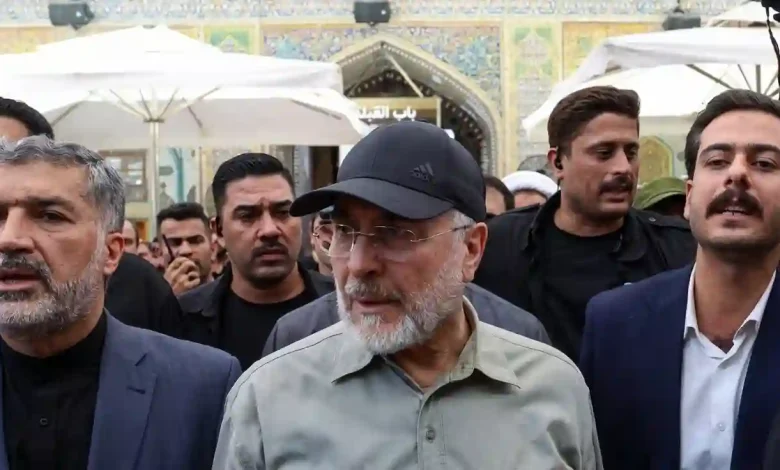
Table of Contents
Iran Vows Devastating Response to Unprecedented U.S. Sanctions Threat
Iran warned on Friday that its response to any new U.S. threats would be “devastating” after Washington pledged to impose the toughest financial penalties in history with the explicit aim of toppling the Iranian leadership. Amid the escalating tension under Trump’s presidency, both administrations have adopted uncompromising postures that have pushed geopolitical risks to historic heights. This escalation forms part of a prolonged and grinding geopolitical conflict that has evolved over several months, raising fears of direct military confrontation in the Middle East.
The Escalating Washington-Tehran Rhetoric
The latest war of words signals a total collapse of behind-the-scenes communication channels. While Iranian officials assert that their military readiness has reached its absolute peak, Washington remains steadfast in its objective to apply maximum pressure. These aggressive countermeasures reflect the deeply fragile diplomatic relations between Washington and Tehran, which have steadily deteriorated due to unresolved disputes over regional influence, nuclear development, and trade policies. Analysts worry that without diplomatic off-ramps, even minor incidents could ignite a wider regional conflict.
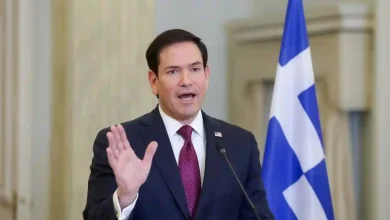
Treasury Chief Scott Bessent Outlines Historic Economic Blockade
U.S. Treasury chief Scott Bessent announced that he would provide highly specific details on Monday regarding the planned sanctions. The strategic goal of these sanctions is to entirely isolate the Iranian financial sector from the global banking system, exceeding the scope of previous pressure campaigns. Bessent emphasized that the United States would utilize every legal, financial, and intelligence mechanism at its disposal to monitor compliance. This economic blockade intends to paralyze the state’s revenue streams, targeting petrochemicals, domestic industrial manufacturing, and third-party financial intermediaries operating in Europe and Asia.
Trump’s Lifeline Warning and International Economic Sanctions
This aggressive financial offensive follows a strict warning from President Donald Trump of severe economic consequences against any country that provides “any type of lifeline to Iran.” By targeting secondary trade partners, the U.S. administration aims to eliminate the financial backchannels that have historically allowed Tehran to mitigate the impact of Western embargoes. Additionally, analysts have highlighted the spiraling financial costs of military containment in the Middle East, making economic warfare the primary weapon of choice for the White House in its bid to reshape the political landscape of the region.
Geopolitical Ramifications of the New Sanctions Regime
The geopolitical landscape of Western Asia and the broader global energy market stands on the precipice of profound change. As the United States seeks to implement a total trade quarantine, regional powers are being forced to choose sides. Countries that rely heavily on energy imports or intermediate industrial supply chains linked to the Persian Gulf find themselves in a precarious diplomatic position, attempting to balance their economic sovereignty with the threat of being shut out of the lucrative U.S. financial system.
Impact on Regional Security and Maritime Trade Routes
These warnings raise severe alarms over potential blockades and naval standoffs in the Strait of Hormuz, which serves as one of the world’s most critical choke points for global energy distribution. Any retaliatory measures from Tehran targeting maritime shipping could instantly disrupt oil supplies, driving global energy prices to historic highs. The threat of asymmetric naval operations, drone incursions, and cyber warfare remains highly elevated as Iran looks for alternative ways to project power and deter what it views as an existential economic siege.
Economic and Humanitarian Consequences for Iran
The proposed sanctions are designed to target the structural foundation of the Iranian economy, but their humanitarian fallout is expected to be widespread. By targeting the banking sector, the embargo could inadvertently impede the import of vital pharmaceutical goods, agricultural supplies, and basic medical technologies. Although Washington maintains that humanitarian exemptions exist on paper, global commercial banks are often reluctant to facilitate any transactions involving Iranian entities due to the fear of aggressive secondary compliance audits.
Domestic Resilience and Inflationary Pressures
Within Iran, the local currency, the rial, has faced immense downward pressure in anticipation of the upcoming Monday announcement. Economists fear that such severe global compliance demands will trigger severe economic shockwaves across global markets and worsen hyperinflation for the Iranian public. However, the domestic leadership has historically managed to survive intense economic pressure by fostering a “resistance economy” focused on domestic production, smuggling networks, and strengthened economic relations with non-Western powers such as Russia, China, and Venezuela.
Comparative Analysis: Current Sanctions vs. Proposed Maximum Penalties
To fully understand the shift in U.S. foreign policy, it is essential to compare the existing framework of sanctions with the newly proposed historic financial measures scheduled for detailed release. The comparison demonstrates how the new strategy transitions from targeting specific state actors to enforcing an absolute global quarantine.
| Sanction Category | Existing Framework (Pre-2026) | Proposed Historical Penalties | Anticipated Economic Impact |
|---|---|---|---|
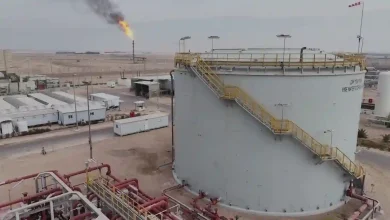
| Petroleum Exports | Partial exemptions and limited enforcement on secondary buyers. | Absolute zero-tolerance export embargo on all global purchasers. | Drastic reduction in state hard currency reserves; potential oil price spikes. |
| Global Banking (SWIFT) | Selective disconnection of major banks with minor exceptions. | Total decoupling of all financial institutions, clearinghouses, and intermediaries. | Complete paralysis of foreign exchange and legal trade transactions. |
| Secondary Sanctions | Discretionary penalties applied to foreign entities violating terms. | Automatic, severe financial exclusion for any nation providing a “lifeline.” | Severe disruption of European and Asian trade relations with Western partners. |
| Industrial Sectors | Targeted sanctions on military and automotive manufacturing. | Blanket ban on all metallurgy, industrial machinery, and software services. | Widespread factory closures and rising urban unemployment within Iran. |
International Reactions and Diplomatic Stalemate
The reaction from the international community has been highly polarized, highlighting the growing fragmentation of the global geopolitical order. While traditional U.S. allies in Europe have expressed cautious concern over the unilateral nature of the sanctions, Eastern superpowers have voiced strong opposition. This unprecedented pressure has already provoked international judicial and political pushback from several neutral nations that argue these measures violate basic sovereignty principles and destabilize international trade law.
Global Superpowers and Strategic Alignments
Both Beijing and Moscow have indicated they will continue to pursue trade with Tehran, viewing the U.S. measures as an overreach of domestic jurisdiction. For China, importing Iranian energy is not only an economic necessity but also a strategic leverage point against U.S. hegemony in the Indo-Pacific. Similarly, Russia’s deep defense cooperation with Iran ensures that the Kremlin will work actively to assist Tehran in bypassing Western maritime and financial blockades, utilizing non-dollar transaction mechanisms and alternative trade corridors.
Strategic Scenarios: What Happens Next?
As the international community awaits Treasury chief Scott Bessent’s detailed brief on Monday, several possible scenarios emerge. The primary concern is whether the economic pressure will force the Iranian leadership to renegotiate terms or if it will push them toward extreme retaliatory actions. If Tehran decides to carry out its threat of a “devastating” response, it may target critical infrastructure, escalate regional cyber attacks, or accelerate its nuclear enrichment capabilities to defensive thresholds. Security analysts worldwide remain on high alert, recognizing that the coming weeks will likely dictate the trajectory of peace and economic stability in Western Asia for years to come.



One Comment