Washington-Tehran dialogue remains open as Trump pauses strikes
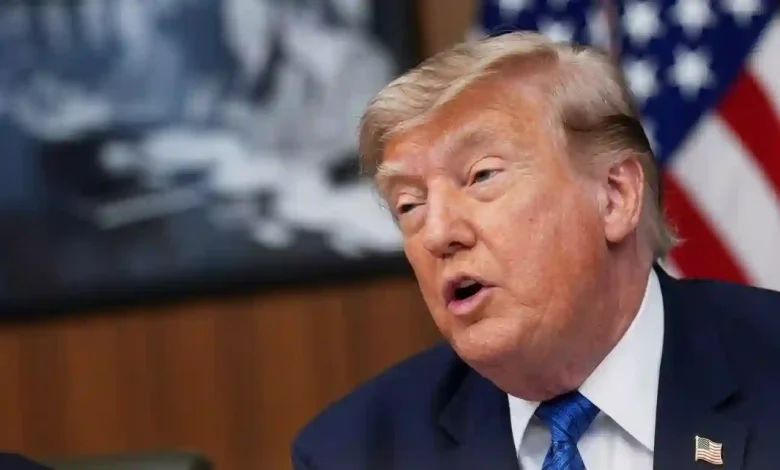
Table of Contents
Washington-Tehran dialogue has emerged as the central pillar of global security discussions as US President Donald Trump balances high-stakes diplomacy with an aggressive military posture. Amid a period of heightened friction that threatens to plunge the Middle East into an all-out regional war, President Trump announced that backchannel talks with Iranian interlocutors remain active. This diplomatic lifeline suggests that a previously threatened “massive” U.S. military strike might not be executed immediately, though the President emphasized that the United States military remains “locked and loaded” and fully prepared to act. As Washington calibrates its coercive diplomacy, the international community watches with bated breath to see if this dual-track strategy can achieve a breakthrough or if it will inevitably collapse into direct confrontation.
Tehran :A Fragile Window of Diplomacy
The current state of geopolitical affairs highlights the extreme volatility of relations between the United States and the Islamic Republic of Iran. While the threat of a devastating military escalation is far from resolved, the continuation of indirect and direct communication channels has provided a brief, albeit fragile, window for diplomatic resolution. President Trump’s latest statements from the White House mark a notable shift from the highly escalatory rhetoric of previous days. By acknowledging that a massive military response might be averted, the administration has signaled to international partners that it prefers a negotiated settlement—provided its core security objectives, specifically the complete cessation of Iran’s nuclear ambitions, are met. However, the reliance on a “maximum pressure” framework means that military options are never far from the negotiating table, keeping regional actors on constant alert.
Tehran :Trump’s “Locked and Loaded” Posture: De-escalation or Deterrence?
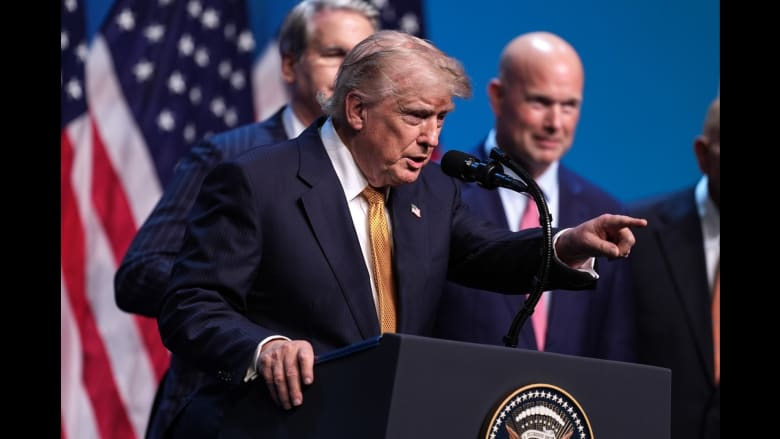
During a White House address, President Trump sought to project absolute strength while simultaneously leaving the door open for a diplomatic exit ramp. Reflecting on the ongoing tensions, he noted that the military is prepared to implement a “heavier dose” of strikes that could systematically dismantle Iran’s military infrastructure. This rhetoric aligns with historical US strikes on Iran and Trump’s military warnings, which have consistently utilized overwhelming military posture as a primary tool of deterrence. Trump outlined two distinct paths forward: a purely military resolution designed to “knock out everything they have,” or a “smarter strategy” focused on securing a comprehensive, long-term deal that addresses U.S. and allied security concerns. By stating that Iranian negotiators are displaying their most serious commitment to talks seen in recent months, the administration is attempting to leverage the threat of imminent force to extract maximum concessions at the negotiating table without triggering a wider war.
Tehran :Tehran’s Defiance: Abbas Araghchi Rejects US Pressure
In response to Washington’s dual-track approach of offering talks while threatening destruction, Iranian Foreign Minister Abbas Araghchi has firmly rejected what Tehran views as systemic bullying. Speaking from Muscat, Oman, Araghchi declared that Iran does not fear American threats and will under no circumstances succumb to military pressure. He emphasized that the primary obstacle to achieving regional stability is not a lack of communication, but rather the United States’ persistent reliance on coercive force and unilateral ultimatums. This stance of active defiance is backed by tangible military actions on the ground. Despite enduring weeks of intense aerial bombardment campaigns, the Islamic Revolutionary Guard Corps (IRGC) has continued to demonstrate its regional reach, launching retaliatory drone and missile strikes targeting U.S. installations and allied security networks across the Middle East. For Tehran, maintaining a credible counter-strike capability is seen as the only effective way to counter American hegemony and ensure state survival.
Tehran :US vs. Iranian Diplomatic Postures
To better understand the complex dynamics of the current crisis, the following table summarizes the contrasting strategic positions, core demands, and military postures of the United States and Iran in this high-stakes standoff:
| Key Dimension | United States Position | Iran Position |
|---|---|---|
| Core Strategic Objective | Permanent halt to nuclear weapon capabilities and secure maritime shipping lanes. | Preservation of state sovereignty, lifting of economic sanctions, and regional deterrence. |
| Primary Diplomatic Team | JD Vance, Marco Rubio, Steve Witkoff, Jared Kushner. | Abbas Araghchi, Masoud Pezeshkian, national security advisers. |
| Military Posture | “Locked and loaded” with thousands of missiles; threat of a “massive” comprehensive strike. | Asymmetric defiance, active retaliatory strikes against regional targets, drone/missile deployment. |
| Preferred Outcome | A comprehensive “smart deal” conditional on security guarantees. | Unconditional sanctions relief and recognition of sovereign defense capabilities. |
Tehran :The Financial and Strategic Footprint of Conflict
The escalatory spiral between the two nations has already exacted a massive financial and human toll. Economists and military analysts warn that prolonged military operations are rapidly draining resources, leading to ballooning war costs that have put pressure on both sides to seek a swift resolution. For the United States, sustaining a high-alert military deployment in the Persian Gulf, Red Sea, and surrounding territories requires billions of dollars in daily operational funding, drawing criticism from domestic political factions concerned about long-term fiscal health. For Iran, the combined impact of crippling international sanctions and direct damage to industrial and military infrastructure has severely strained the domestic economy, sparking localized unrest and putting the government under immense pressure. It is this mutual economic exhaustion that many analysts believe is driving both Washington and Tehran to take the current diplomatic track more seriously than during previous flashpoints
Tehran :Maritime Security and Global Energy Markets
The geographic epicenter of this geopolitical conflict remains the critical maritime choke points of the Middle East, particularly the Strait of Hormuz and the Bab-el-Mandeb. These narrow waterways, through which a significant portion of the world’s daily petroleum supply passes, have become highly contested battlegrounds. Washington has repeatedly signaled that securing a comprehensive Strait of Hormuz deal is a non-negotiable prerequisite for any lasting peace agreement. Recent disruptions and retaliatory shipping seizures have sent shockwaves through global commodities markets, triggering unprecedented spikes in global Brent crude prices that have defied historical market predictions. The economic ripple effects of these energy disruptions are felt directly by consumers worldwide, as reflected in skyrocketing global fuel costs at the pump. These compounding economic pressures serve as a powerful incentive for international powers, including European and Asian allies, to actively push both sides toward an immediate de-escalation.
Mediators and Intermediaries: Oman and Pakistan Play Crucial Roles
Recognizing the extreme danger of a direct, uncontrolled clash between nuclear-armed and heavily armed states, regional intermediaries have stepped into the fray to facilitate crisis communication. Oman, which has historically served as a reliable diplomatic bridge between Washington and Tehran, is once again hosting critical backchannel meetings aimed at translating hostile rhetoric into workable compromises. Concurrently, regional neighbors like Pakistan have mobilized high-level diplomatic efforts to prevent a wider conflagration. The diplomatic intervention has highlighted how the 2026 Iran war redefined regional stability, forcing neighboring states to adopt active, neutral mediation roles to protect their own economic and national security interests. Prime Minister Shehbaz Sharif’s calls for restraint and structured dialogue underscore the shared understanding that a full-scale war would have catastrophic consequences that extend far beyond the immediate combatants.
High-Alert Security Posture and Global Cautions
As long as the threat of military action remains, security services globally are preparing for all contingencies. The potential for sudden escalations, retaliatory cyberattacks, or asymmetric strikes on soft targets has prompted governments to issue strict warnings. This climate of uncertainty has led to widespread security alerts and diplomatic evacuation warnings from various foreign offices, advising citizens to avoid non-essential travel to the region. The security architecture across the Gulf States, including major military installations housing international forces, remains on high alert, ready to intercept hostile drone or missile attacks at a moment’s notice. This defensive readiness serves as a sobering reminder that despite the optimistic talk of negotiations, the margin for error remains razor-thin.
Outlook: The Path of Force vs. The Path of Negotiation
The coming days will be critical in determining whether the Washington-Tehran dialogue can transition from emergency crisis management to a sustainable peace framework. President Trump’s willingness to consider a “smarter strategy” over a devastating military campaign offers a glimmer of hope, but the success of this approach depends on both sides’ willingness to make painful compromises. For the United States, this means potentially accepting a phased reduction of sanctions in exchange for robust, verifiable limits on Iran’s nuclear and missile programs. For Iran, it requires acknowledging that its regional influence and security cannot be guaranteed through military intimidation alone. Whether the two nations choose the path of mutual compromise or the destructive path of total war remains the defining question of current international relations.