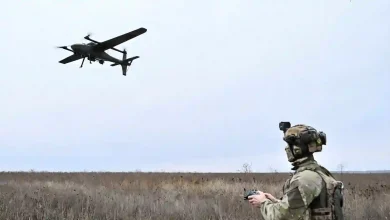
Hostilities Escalate 2026: U.S.-Iran Ceasefire Collapses
Table of Contents
Hostilities in the Middle East: An Unraveling Conflict
Hostilities between the United States and Iran have surged to unprecedented levels as a hard-fought, monthslong ceasefire agreement dramatically disintegrates under the weight of renewed strategic frictions. For over a week, the U.S. military has conducted continuous night-by-night airstrikes against Iranian naval, drone, and logistical targets, claiming these strikes are necessary to protect global maritime trade routes in the Strait of Hormuz. Conversely, Tehran has responded with aggressive missile and drone counter-offensives targeting American-operated facilities located in Jordan, Kuwait, Bahrain, and other regional allied states. This rapid escalation has disrupted global oil supplies, triggered heightened alert levels across Western embassies, and resulted in several American military casualties on key foreign bases.
The geopolitical landscape of the Middle East is currently experiencing a profound realignment as both powers transition from passive deterrence to active kinetic engagement. The deployment of advanced air defense networks, carrier strike groups, and unmanned aerial swarms has transformed localized border skirmishes into a systemic regional war. International observers warn that the failure to establish stable diplomatic channels during the brief period of peace has left both nations without a clear mechanism for de-escalation, raising the risk of an unintended global economic shock. As commercial vessels reroute and defense forces mobilize across multiple nations, the regional security architecture is being pushed to its absolute limits.
The Disintegration of the Fragile U.S.-Iran Ceasefire
The geopolitical brief that once stabilized regional dynamics has vanished, especially when the US-Iran ceasefire on the verge of collapse became an undeniable reality earlier this month. Initially engineered to permit quiet diplomatic back-channel negotiations and secure maritime passage, the truce proved highly fragile. Scholars studying the broader historical context and lessons of the 2026 Iran war note that the foundational arrangements of the ceasefire did not address the deeper proxy rivalries that define the region. The lack of institutionalized verifications and the presence of heavily armed non-state actors created an environment where minor tactical missteps could easily trigger a cascading military crisis.
Over several weeks, localized clashes and covert maritime maneuvers gradually eroded mutual trust, culminating in a sequence of provocative confrontations in early July. Accusations of bad faith regarding economic sanctions relief and regional military postures further soured diplomatic communications. When the temporary peace collapsed, both nations rapidly transitioned back to high-intensity military postures, deploying advanced tactical weaponry and intelligence assets across the Gulf. The speed of the escalation surprised many global partners, demonstrating that neither Washington nor Tehran was fully prepared to sustain peace without achieving their primary geopolitical objectives first.
Nightly Airstrikes and Tactical Targeting by U.S. Forces
The operational rhythm of the current campaign has been defined by precise, relentless kinetic intervention. For more than a week, Western coalition assets have maintained high-tempo pressure, as airstrikes against Iran enter their eighth night and extend beyond, leaving key coastal installations in ruins. The primary objective, according to official Pentagon press briefings, is to neutralize Iran’s offensive capabilities before they can threaten international shipping lanes. Military commanders have directed assets to execute tactical strikes on Iran coordinated by US Central Command, targeting strategic radar bases, missile launch silos, and air defense batteries.
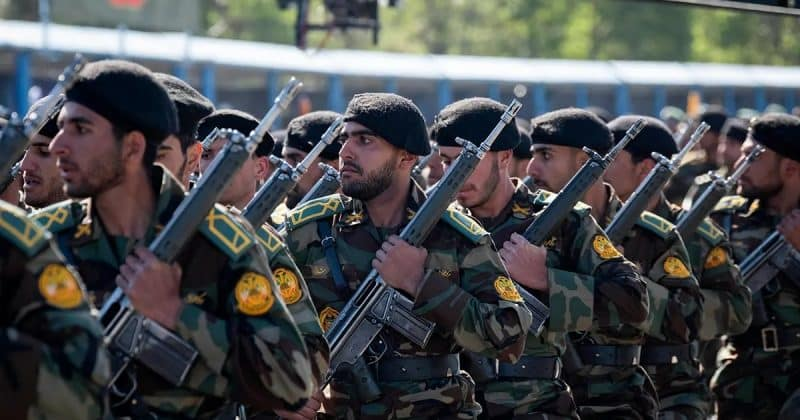
These operations have been described as defensive necessities, yet their recurring nightly nature highlights the severe difficulty of permanently disabling the decentralized asymmetric capabilities utilized by the Islamic Revolutionary Guard Corps (IRGC). Employing a mix of carrier-based fighter jets, long-range bombers, and sea-launched cruise missiles, U.S. forces have systematically dismantled dozens of coastal launch sites. However, the IRGC’s reliance on mobile launch platforms and underground command facilities has allowed them to preserve a significant portion of their rocket and drone inventory, ensuring that the kinetic exchanges remain highly active and unpredictable.
Securing Commercial Shipping in the Strait of Hormuz
Central to the American military objective is the preservation of freedom of navigation through the Strait of Hormuz, one of the world’s most critical maritime energy corridors. Following a series of attacks on commercial tankers, the U.S. has intensified its maritime patrolling efforts, combining surveillance sweeps with targeted kinetic actions. This has involved massive US strikes targeting key ports and regional launch stations to disrupt Iranian drone deployments. The strategic value of this shipping lane cannot be overstated; any prolonged disruption directly threatens global energy markets and industrial supply chains.
The IRGC, in response, has labeled these patrols as direct violations of their sovereign territorial waters, threatening to block all shipping traffic through the strait. Utilizing fast-attack craft and underwater mines, Iranian forces have sought to assert control over passing vessels, forcing international shipping conglomerates to seek alternative, far costlier routes. With over twenty percent of the world’s petroleum passing through this narrow waterway, the ongoing threat of a complete maritime blockade has caused global energy markets to react with extreme volatility, driving up crude oil prices and threatening to derail economic stability in both Western and Asian importing nations.
Iranian Retaliation: Striking U.S. Assets Across Allied States
Tehran’s response to the American campaign has been characterized by a multi-front counter-offensive. Rather than engaging in direct ship-to-ship battles in open waters, Iran has chosen to strike at the network of regional military facilities hosting American forces. As Iran retaliates across the Gulf after ten nights of intense pressure, air defense sirens have regularly sounded across sovereign allied states. Utilizing sophisticated one-way attack drones and precision-guided ballistic missiles, Iranian forces have launched targeted strikes against U.S. positions.
This retaliation has expanded beyond localized combat zones, targeting essential administrative and logistical complexes in Kuwait and Bahrain. These strikes are designed to raise the political and strategic cost of the American presence, signaling that no host nation in the region is beyond the reach of Tehran’s kinetic capabilities. Additionally, the attacks have caused significant collateral damage to local infrastructure, including power and water desalination facilities in Kuwait, illustrating that the geographic scope of this conflict is rapidly expanding to impact regional civilian resources and local economies.
The human cost of this renewed fighting has escalated significantly, raising domestic political pressure within the United States. CBS News reported that several U.S. service members were severely impacted when Iranian drone strikes successfully breached defensive grids on multiple regional bases. According to official Pentagon statements, nearly one hundred American military personnel have been diagnosed with varying degrees of injury since early July, primarily following a crucial seventh night of US military operations. While a vast majority of these injuries have been classified as traumatic brain injuries and minor concussions—with about ninety-six percent of the affected personnel already cleared to return to active duty—the physical danger remains acute.
Furthermore, the escalation has resulted in the tragic deaths of several U.S. service members stationed on vulnerable Jordanian bases, highlighting the vulnerability of forward-deployed logistics stations to saturation drone attacks. These casualties have sparked intense debates in Washington regarding the adequacy of base air defenses and the broader safety of personnel stationed in the Middle East. With defense systems facing massive salvos of simultaneous drone and missile attacks, military analysts emphasize that absolute protection is nearly impossible to guarantee, transforming routine deployments into high-risk frontline assignments.
The Strategic Importance of Jordan and Gulf Cooperating Partners
The geographic distribution of the recent strikes highlights the critical, yet dangerous, role of host nations like Jordan, Kuwait, and Bahrain. Jordan has served as a central hub for U.S. aerial operations and regional intelligence gathering, making its military installations primary targets for Iranian aggression. Similarly, Kuwait’s Ali Al Salem Air Base and Bahrain’s naval ports host thousands of American personnel and serve as critical staging grounds for maritime security operations. For these host governments, the collapse of the ceasefire presents a delicate balancing act between maintaining defense treaties and managing domestic stability.
They must manage the domestic political sensitivities of hosting foreign military personnel while relying on American air defense systems, such as the Patriot and NASAMS platforms, to safeguard their own national infrastructure against drone and missile incursions. The escalation threatens to draw these nations deeper into the direct theater of war, redefining long-standing regional security alliances. As regional governments scramble to intercept incoming fire and issue public condemnations, the economic and political costs of hosting Western forces continue to climb, forcing a strategic reassessment of security dependencies across the entire Persian Gulf.
Geopolitical Repercussions and Global Economic Fallout
The economic consequences of the unfolding conflict have quickly rippled across global markets. As oil inventories remain near historical lows, the threat of an extended disruption in the Strait of Hormuz has sent crude prices climbing, sparking inflation fears in major economies. Beyond energy, the collapse of diplomatic trust has shut down several avenues of international cooperation. Prior to this escalation, minor diplomatic successes had offered hope for broader regional detente, which even overshadowed delicate developments such as the release of dual citizens like Dena Karari. Today, those diplomatic channels have been almost entirely severed.
Global leaders, including European and Asian security officials, have expressed deep concern over the high risk of miscalculation, warning that a sustained conflict could trigger a broader, multi-state confrontation with devastating consequences for international trade and diplomatic norms. Diplomatic missions in the region have been placed on high alert, and travel advisories have been updated globally to warn citizens of the potential for sudden escalations. The economic stability of nations heavily dependent on Middle Eastern energy imports, particularly in East Asia, hangs in the balance as logistics firms struggle to secure affordable maritime insurance for their fleets.
| Target Country / Base | Key Military & Civil Infrastructure Hit | Reported US / Allied Casualties | Local & Regional Operational Impact |
|---|---|---|---|
| Jordan (Multiple Bases) | Fighter jet staging facilities, tactical military hubs | Several injured (concussions), 2 soldiers killed, 1 missing | Interception of inbound threats, active air defense alerts |
| Kuwait (Ali Al Salem Air Base) | Logistics assets, water desalination and power complex | Minor concussions, local civilian firefighters injured | Temporary airspace closures, localized power grid disruptions |
| Bahrain (Port Salman & Sakhir) | US Navy Fifth Fleet drone facilities, harbor installations | No confirmed deaths; high-alert concussion monitoring | Air raid sirens active, maritime defense posture maximized |
| Iraq (Border Logistics Hubs) | Ordnance disposal sites, radar communications complexes | 1 US soldier killed during drone unexploded ordnance detonation | Strengthened defense parameters around joint operating bases |
Future Scenarios: Diplomatic Path or Full-Scale Regional War
Looking forward, the path to de-escalation appears increasingly narrow and fraught with geopolitical obstacles. Military strategists point to two primary trajectories for the coming weeks. The first scenario involves a continuation of the current high-intensity kinetic exchange, which could easily trigger a broader regional war if a high-casualty event occurs or if civilian infrastructure is extensively damaged. The second scenario depends on international mediation, possibly led by regional neutrals or European diplomats, to establish a new, more robust maritime security agreement. However, with both Washington and Tehran locked in a cycle of direct retaliation, the prospects for a near-term diplomatic breakthrough remain highly dim. As both military commands brace for further engagements, the international community continues to watch the Persian Gulf with profound anxiety, aware that the stability of the global economy hangs in the balance.