US strikes on Iran: 11th consecutive night of heavy bombing
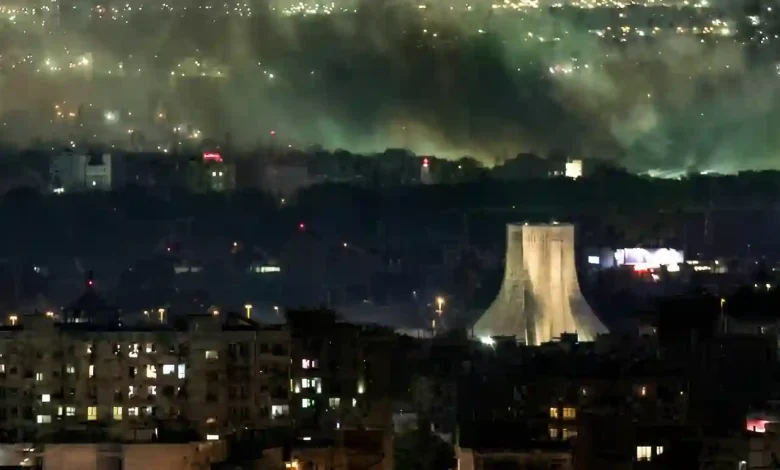
Table of Contents
US strikes on Iran entered their eleventh consecutive night late on Tuesday, marking an unprecedented intensification of the ongoing 2026 conflict between Washington and Tehran. Under direct authorization from President Donald Trump, US Central Command (CENTCOM) executed another comprehensive wave of precision aerial bombardments. The operations illuminated the night skies across several major Iranian metropolitan areas and industrial hubs, ranging from the capital Tehran to key regional centers like Tabriz, Chabahar, Konarak, and the strategic coastal province of Bushehr. This relentless campaign is designed to systematically degrade the offensive capabilities of the Islamic Revolutionary Guard Corps (IRGC) and prevent further disruptions to global trade. However, the proximity of these strikes to Iran’s critical infrastructure has pushed the region to the brink of an all-out nuclear flashpoint, with Tehran warning of severe, asymmetrical reprisals if its nuclear sites are compromised. President Trump has raised the stakes further by signaling that the US is prepared to target Pickaxe Mountain, a heavily fortified underground enrichment facility located near Natanz.
Introduction
The persistent state of warfare has rewritten the geopolitical landscape of the Middle East. Each passing evening brings a renewed onslaught of cruise missiles, heavy strategic bombers, and advanced tactical fighters targeting deep inside Iranian territory. While Washington maintains that its operations are strictly defensive and designed to restore freedom of navigation, Tehran views the campaign as a direct threat to its national sovereignty and regional hegemony. The situation remains highly volatile, with both nations locked in a cycle of action and reaction that shows no immediate signs of de-escalation. As the international community watches with growing apprehension, the conflict threatens to encompass key global shipping channels and destabilize the international energy market.
The Strategic Context of the Strait of Hormuz Crisis
The root of the current military confrontation lies in the volatile maritime corridors of the Persian Gulf. Prior to the resumption of hostilities, a brief diplomatic breakthrough in June had raised hopes of regional stabilization. However, the temporary understanding quickly collapsed when Iranian forces and allied militias targeted multiple commercial vessels, prompting Tehran to reimpose a strict blockade. The resulting Strait of Hormuz crisis has paralyzed international trade, as the waterway is responsible for transporting nearly twenty percent of the world’s daily petroleum supply. In response, the US deployed multi-carrier strike groups to enforce the principle of freedom of navigation, leading directly to the current state of active warfare. As shipping lanes remained heavily contested, global oil prices spiked dramatically, with Brent crude surging past $92 a barrel, raising acute fears of a prolonged global energy crisis and systemic inflation.
Target Breakdown of the 11th Night Bombardments
According to an official statement released by CENTCOM early Wednesday morning, the latest round of aerial operations lasted approximately 75 minutes. Utilizing advanced stealth fighters and strategic long-range bombers, the US military launched massive airstrikes against Iran to eliminate active military assets. The designated targets included drone storage facilities, military operations centers, maritime command structures, aircraft hangars, and logistical hubs. In Tabriz, local reports confirmed powerful explosions near sites believed to house underground ballistic missile launch complexes. Simultaneously, American forces carried out pinpoint strikes on Iran’s central region to systematically neutralize radar arrays and integrated air defense installations. The activation of Iranian air defenses over Tehran sent residents scrambling for shelter as sirens echoed through the western, eastern, and northeastern districts of the capital.
The Nuclear Flashpoint: Bushehr, Natanz, and Darkhoveyn
As the military campaign enters its second week, the proximity of the bombings to safeguarded nuclear infrastructure has sparked deep international anxiety. During the tenth consecutive night of strikes, local authorities in Bushehr, home to Iran’s only operational civilian nuclear power plant, reported multiple projectile impacts nearby. While regional governors maintained that the reactor itself remained undamaged, newly released Sentinel-2 satellite imagery revealed distinct blast scars and structural damage within the plant’s outer support perimeter. The situation became even more volatile after the US struck an under-construction nuclear site at Darkhoveyn in Khuzestan province. The Atomic Energy Organization of Iran (AEOI) denounced these actions as acts of state-sponsored terrorism. Tensions reached a boiling point on Tuesday when President Trump telegraphed that the US would not hesitate to target “Pickaxe Mountain,” a heavily fortified underground uranium enrichment facility located near Natanz. Tehran responded immediately, warning that any strike on its nuclear core would be treated as an existential expansion of the war, promising catastrophic retaliation against US installations and allies worldwide.
A Timeline of the Eleven-Night Campaign
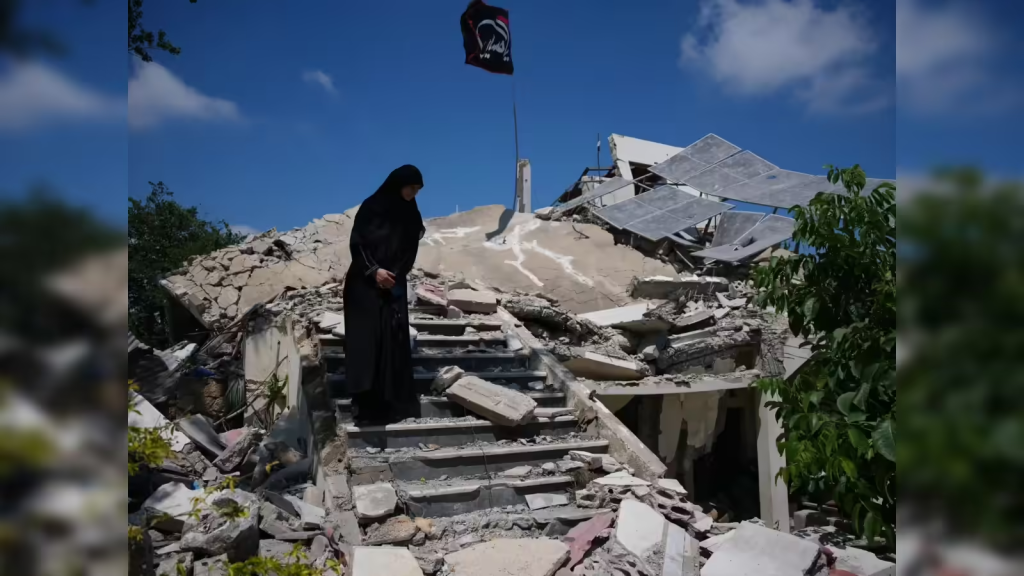
The current confrontation has escalated through a highly synchronized, daily progression of kinetic exchanges. This 11-day campaign represents the most sustained US military operation in the region in recent history. During the initial phases, which included the sixth night of U.S. strikes, the focus was primarily restricted to coastal radars and active missile batteries threatening the immediate waterways. However, as Iranian forces continued their blockade, the scope of the American response expanded. By the seventh night of military action, US forces began executing deeper strikes against inland logistics networks. This was followed by a seventh night of consecutive attacks that systematically targeted regional military bases. By the tenth night of regional airstrikes, the conflict had transitioned into a multi-theater campaign involving strategic bomber sorties, electronic warfare, and extensive joint-force maneuvers designed to completely neutralize Iran’s retaliatory capabilities.
Iranian Retaliatory Drones Target Regional US Military Bases
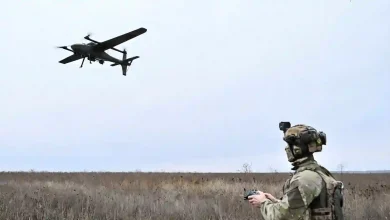
Tehran has actively demonstrated that it retains significant retaliatory capabilities despite the sustained aerial bombardment. Almost immediately after the US concluded its 11th night of strikes, the Iranian military launched a coordinated offensive utilizing advanced suicide drone swarms and short-range ballistic missiles. According to reports from the semi-official Tasnim news agency, these strikes targeted multiple US military installations situated in neighboring Gulf states. A large swarm of drones struck ammunition depots and ground forces logistical infrastructure at Camp Doha in western Kuwait. Concurrently, separate waves of Iranian unmanned aerial vehicles (UAVs) targeted the Al Azraq Air Base in Jordan and the Isa Air Base in Bahrain. The strike on Jordan was particularly sensitive, following recent casualties of US personnel in the region. Although CENTCOM officials stated that integrated defense systems intercepted a majority of the incoming threats, the persistent retaliatory actions by Iran highlight the ongoing risks to American personnel stationed across the Middle East.
Escalating Financial Costs and Geopolitical Posturing
The escalating conflict has imposed a heavy financial and political burden on Washington. Defense Secretary Pete Hegseth recently testified before lawmakers, estimating that the total cost of the military campaign against Iran has reached at least $37.5 billion, with requests for tens of billions more in supplementary funding already being debated in Congress. This staggering sum has drawn sharp criticism from political opponents as the November legislative elections draw near. President Trump, however, has vigorously defended the campaign, comparing the cost and timeline favorably to past protracted campaigns in Iraq and Afghanistan. Trump argued that the active destruction of Iranian military logistical capacity is the only viable path to force Tehran back to the negotiating table. To illustrate the scale and dynamics of this ongoing military campaign, the following table summarizes the key operational phases and targeted sectors over the eleven-day campaign.
| Campaign Phase | Primary US Targets | Iranian Countermeasure | Geographic Scope | Key Nuclear Facility Near Strike Zone |
|---|---|---|---|---|
| Nights 1-4 | Coastal radar and anti-ship missile sites | Hormuz shipping blockades, minor drone launches | Persian Gulf & Strait of Hormuz | None |
| Nights 5-8 | Command centers & drone storage facilities | Retaliatory strikes on Jordan & Iraq | Western & Southern Iran | Darkhoveyn (Khuzestan) |
| Nights 9-11 | Military logistics, air defenses, & aircraft hangars | Mass drone attacks on Kuwait, Jordan, & Bahrain bases | Nationwide (Tehran, Tabriz, Bushehr) | Bushehr Power Plant & Natanz (threatened) |
Stalled Diplomatic Channels and Mediation Efforts
While the military exchange continues to escalate, diplomatic avenues for a peaceful resolution are rapidly closing. Before the latest strikes, Iranian Interior Minister Eskandar Momeni visited Pakistan, which has historically acted as a key mediator between the two adversaries. Momeni’s visit aimed to gauge whether a revised version of the collapsed June ceasefire agreement could be salvaged. However, the political environment in Washington remains highly hostile to concessions. Speaking from the Oval Office, President Trump expressed a highly skeptical view of renewed negotiations, stating flatly that the United States has “no interest in meeting” under the current conditions of Iranian aggression. This diplomatic deadlock, combined with the Houthis’ parallel naval embargo on Saudi shipping in the Red Sea, has effectively closed off the region’s main trade pathways. With both sides dug in, the risk of an unintended escalation triggering a catastrophic radioactive release or an all-out land conflict remains dangerously high.