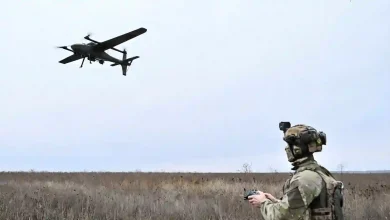
US forces launch massive airstrikes against Iran after fatal Jordan attack 2026
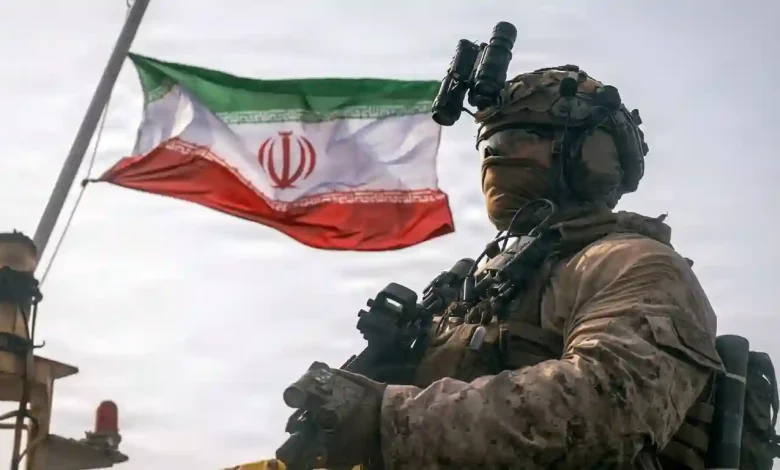
Table of Contents
US forces have launched a powerful new wave of retaliatory airstrikes against Iranian military positions, following a dramatic escalation in hostilities that has pushed the Middle East to the brink of a comprehensive regional conflict. Directed by U.S. President Donald Trump, these strikes represent the administration’s immediate military response to a highly lethal attack on American personnel stationed in Jordan. This rapid escalation threatens to completely undo any remaining diplomatic framework established earlier this year and signals an aggressive new phase in the ongoing 2026 Iran war, which has reshaped geopolitical alliances across the globe.
The Catalyst: The Deadly Strike in Jordan
The immediate trigger for this fresh military campaign occurred on July 17, 2026, when a base in Jordan harboring American and partner coalition forces came under heavy bombardment from Iranian-produced ballistic missiles and unmanned aerial systems. The attack directly overwhelmed localized air defense frameworks, leading to immediate casualties among the service members stationed at the strategic outpost. Regional military experts note that the deployment of sophisticated Iranian ballistic systems demonstrates Tehran’s willingness to cross previously established red lines in its direct targeting of U.S. military assets.
CENTCOM Confirms Fatalities and Active Search for the Missing
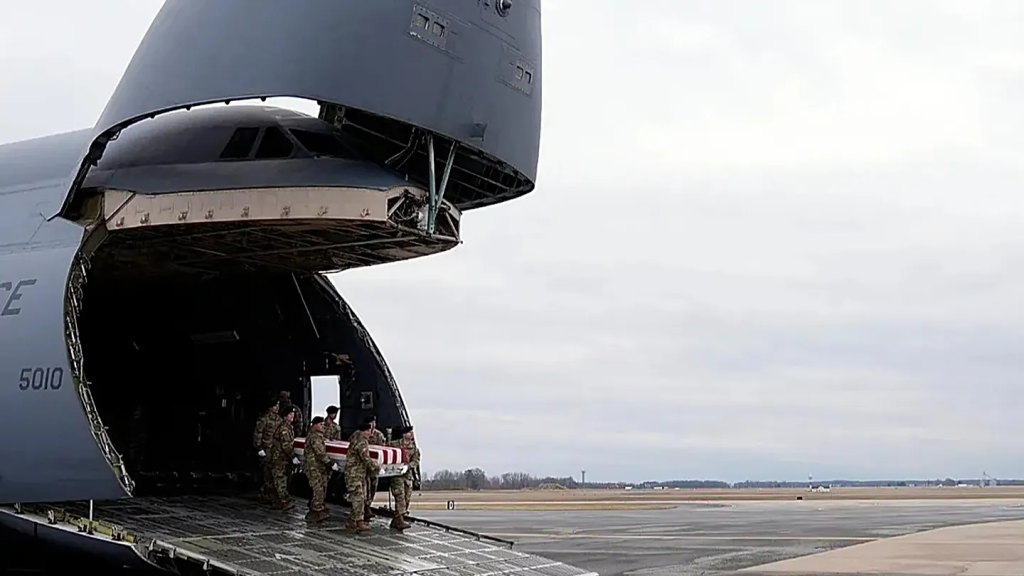
In an official statement released by U.S. Central Command, CENTCOM confirmed the fatalities of two American service members, marking a grim milestone in the direct military confrontation. The statement also revealed that another American service member is currently classified as missing in action (MIA), prompting a high-priority search-and-recovery operation in the region. Defense officials have stated that the attacks occurred while “partner forces defended against Iranian ballistic missile and drone attacks,” emphasizing the cooperative defense measures that were active during the fatal bombardment. The deaths of these military personnel sparked immediate condemnation in Washington, where Defense Secretary Pete Hegseth honored their sacrifices, reinforcing the administration’s determination to secure the region.
President Trump Directs Retaliatory Wave Against Iranian Positions
Responding to the fatal casualties, President Donald Trump swiftly authorized a series of high-intensity strikes, which military officials described as a punitive campaign targeting the core military capabilities of the Islamic Revolutionary Guard Corps (IRGC). This direct authorization emphasizes the Trump administration’s posture of maximum deterrence, focusing on dismantling the launch sites and command centers responsible for regional drone and missile attacks.
Details of the Eighth Night of Strikes
According to official reports, these newly authorized U.S. airstrikes against Iran began on Saturday evening, hitting critical facilities along Iran’s coastal defense line and deeper inland. As these precision airstrikes entered their eighth consecutive night, the strategic focus expanded to target maritime capabilities, coastal air defense batteries, and ballistic missile storage depots. Pentagon briefings indicated that these strikes aimed to heavily degrade Iran’s capacity to deploy offensive weapons against both commercial shipping lanes and neighboring coalition bases. The intensity of these operations represents the heaviest sustained aerial bombardment seen in the region in years.
Geopolitical Fallout: Mojtaba Khamenei’s Defiant Proclamations
The political repercussions of the strikes were felt immediately in Tehran, where Iran’s Supreme Leader Mojtaba Khamenei issued a strongly worded written statement condemning the American administration. Khamenei, who has consolidated power within Iran’s wartime political structure, was highly critical of the American leadership’s diplomatic history, warning of “unforgettable lessons” for Washington if the military campaign continues to expand.
The Breakdown of the Islamabad Memorandum of Understanding
In his public remarks, Mojtaba Khamenei declared that President Donald Trump’s signature was “worthless and invalid,” pointing to what Tehran characterizes as “repeated breaches of agreements” by the United States. This bitter rhetoric highlights the complete dissolution of the Islamabad Memorandum of Understanding (MoU), which was signed just a month ago in a temporary bid to prevent an all-out regional conflagration. With the bilateral ceasefire on the verge of collapse, both nations have abandoned diplomatic channels in favor of military action, as the fragile truce collapses as Trump warns of devastating economic and military consequences for Tehran’s continued defiance.
Economic and Infrastructure Disruptions: Kuwait Under Direct Iranian Fire
The escalating conflict has rapidly spilled over Iran’s borders, directly affecting neighboring Gulf states that host American military infrastructure or are aligned with Western interests. Kuwait, in particular, has become a primary target of Iranian retaliatory strikes, suffering severe damage to its critical civilian and industrial infrastructure.
Attacks on Kuwaiti Desalination and Oil Infrastructure
According to a comprehensive briefing published by Reuters, Kuwaiti officials reported that one of Kuwait’s vital oil facilities, managed by the Kuwait Petroleum Corporation, was hit by “repeated brutal Iranian attacks, resulting in a number of injuries and significant material losses”. Smoke was seen billowing from the Ahmadi Governorate as several Kuwaiti firefighters were injured while battling the intense blazes, according to the Kuwait Fire Force. Additionally, a key water desalination plant was struck, threatening the desert nation’s drinking water supply, which relies on desalination for approximately 90% of its consumption. The targeting of these civilian and energy assets has raised alarms globally, as the region prepares for potential disruptions to global energy markets and critical shipping routes. This spillover has heightened the risk of shipping interference, reminiscent of recent seizures in key regional maritime routes, which have already disrupted international maritime commerce.
Summary of Recent Events and Casualties
The regional conflict has resulted in significant material and human costs. The following table highlights the localized impact of the strikes over the past 48 hours:
| Location / Asset | Nature of Event | Reported Impact / Casualties | Key Strategic Entities Involved |
|---|---|---|---|
| Jordan Outpost | Iranian ballistic missile and drone attack | 2 U.S. service members killed; 1 MIA; 4 discharged from hospital | U.S. Central Command (CENTCOM), local partner forces |
| Iran (Southern Region/Coastline) | U.S. retaliatory precision airstrikes | Coastal defense systems, radar facilities, and missile depots destroyed | U.S. Military, IRGC |
| Kuwait Oil Facility (Ahmadi) | Sustained drone/missile strikes | Significant material damage, active blazes, and multiple injuries | Kuwait Petroleum Corporation, Kuwait Fire Force |
| Kuwait Desalination Plant | Aerial missile bombardment | Infrastructure damage; power generation units knocked offline | Kuwait Ministry of Electricity & Water |
As the table demonstrates, the geographic scope of the conflict is no longer confined to direct exchanges between Washington and Tehran, but actively threatens the critical infrastructure of the entire Arabian Peninsula. The strategic defense systems in neighboring countries are being tested to their absolute limits as they seek to intercept incoming projectiles.
Global Oil Markets and Maritime Security Outlook
The direct strikes on Kuwaiti oil infrastructure have sent shockwaves through the global energy sector. Brent crude prices surged immediately following reports of the fires in Kuwait’s Ahmadi Governorate. Analysts warn that if Iran continues to target civilian energy infrastructure in the Gulf, global energy supply chains could face unprecedented bottlenecks. The vulnerability of regional desalination plants also introduces a humanitarian dimension to the crisis, as millions of residents depend on these facilities for daily survival. Since two US troops were killed in Jordan, defense analysts have argued that a diplomatic exit ramp is becoming increasingly unlikely, with both sides locked in an escalatory spiral that could quickly drag in other major international powers.
Conclusion and Path Forward
As the regional conflict enters an incredibly dangerous phase, the lack of open diplomatic channels between Washington and Tehran leaves little room for de-escalation. The Trump administration’s commitment to a policy of decisive retaliation, combined with Iran’s asymmetric strikes on Gulf infrastructure, suggests that the conflict will continue to expand. With both military forces locked in a cycle of action and reaction, the international community faces the looming prospect of a full-scale, multi-theater war in the Middle East.