U.S. strikes on Iran 2026: Tenth consecutive night of escalation

Table of Contents
U.S. strikes on Iran have entered their tenth consecutive night, marking an unprecedented phase of military escalation in the Middle East. The latest five-hour bombardment, conducted by U.S. Central Command (CENTCOM), targets critical Iranian military command centers, missile defense systems, and naval facilities. According to the Pentagon, this sustained aerial campaign is designed to degrade Tehran’s capability to target commercial vessels and maintain its coercive grip on global shipping lanes. As the geopolitical landscape shifts rapidly, this conflict has already surpassed previous thresholds, threatening to draw regional and global powers into a wider war.
The roots of this active campaign are tied to a series of escalating actions. Over the past week, the intensity of these operations has steadily risen. For instance, the U.S. airstrikes against Iran on Sunday night signaled a significant expansion in the selection of targets. By targeting highly fortified underground command structures and surface-to-air missile batteries, Washington demonstrated its resolve to eliminate the immediate threat posed to maritime safety in the region. This came on the heels of the U.S. airstrikes on Iran escalate campaign during the seventh consecutive night, which systematically dismantled coastal radar stations and drone assembly hubs near Qeshm Island. The consecutive nature of these strikes reveals a deliberate military strategy aimed at relentless pressure rather than sporadic deterrence.
Chronology of the Ten-Night Bombardment
The current cycle of violence has developed systematically, night by night, leaving little room for diplomatic intervention. Following the initial strikes, the American bombardment on the eighth night zeroed in on Iranian fast-attack craft and mine-laying vessels harbored along the southern coast. Each wave of strikes has carried a specific tactical objective, systematically eroding Iran’s asymmetrical naval capabilities. The U.S. military has deployed advanced stealth fighters, strategic bombers, and naval assets from surrounding bases to maintain this continuous pressure, seeking to deny Iranian forces the opportunity to regroup or repair damaged assets.
This high-tempo operational pace has tested the logistical endurance of both the U.S. coalition and the Iranian defense networks. The latest round, lasting approximately five hours, involved precision-guided stand-off weapons launched from regional naval platforms and strategic air wings. According to official CENTCOM readouts, these strikes were directed at command-and-control bunkers, active air defense radar arrays, and mobile missile launchers positioned along the coast. By sustaining this offensive for ten straight days, Washington is attempting to establish a state of operational paralysis within the Islamic Revolutionary Guard Corps (IRGC).
Timeline of the 10-Night Campaign
To better grasp how the conflict reached this boiling point, a structural analysis of the past ten nights of consecutive U.S. airstrikes is essential. The table below outlines the progression, primary targets, and tactical objectives of each phase of the campaign.
| Night of Campaign | Primary Targets Struck | Tactical Objective | Key Escalation Factor |
|---|---|---|---|
| Nights 1–5 | Coastal radar networks & air defense batteries | Establish air superiority | Initial degradation of early-warning systems |
| Night 6 | Drone launch facilities & storage depots | Neutralize aerial surveillance & suicide drone threats | U.S. warships intercept coordinated drone swarms |
| Night 7 | Coastal radar stations near Qeshm Island | Erode maritime tracking capabilities | Expanded targeting to coastal command hubs |
| Night 8 | Fast-attack craft & mine-laying vessels | Prevent blockade of the Strait of Hormuz | Deterrence of mining operations in maritime lanes |
| Night 9 | Command structures & airbase infrastructure | Degrade centralized military coordination | Increased use of precision guided stand-off weapons |
| Night 10 | Command centers, missile launch sites, air defense | Disable offensive capabilities near shipping lanes | Five-hour sustained operation following troop deaths |
Geopolitical Significance of the Strait of Hormuz
At the center of this escalating conflict is the Strait of Hormuz, a narrow waterway measuring just 21 miles at its narrowest point. This maritime corridor is the literal jugular vein of the global energy market, carrying approximately 20% of the world’s daily petroleum liquids and liquefied natural gas (LNG). The disruption of transit through this choke point immediately triggers a cascade of economic consequences worldwide. Prior to the escalation, the average transit stood at over 130 commercial ships daily, a number that has plummeted as shipping giants suspend routes due to the high risk of a drone strike on a commercial vessel.
The strategic importance of the strait cannot be overstated. It represents the primary export route for major Middle Eastern oil producers, including Saudi Arabia, Iraq, the United Arab Emirates, Kuwait, and Qatar. While some of these nations possess pipeline infrastructure that can bypass the strait, these alternatives are highly limited in capacity and cannot fully absorb the volume of oil normally shipped via maritime tankers. Consequently, when the strait faces a physical or operational blockade, global energy markets react with immediate volatility, spiking Brent crude prices and threatening the economic stability of heavy energy-importing nations across Europe and Asia.
For decades, international maritime law has guaranteed free transit through these waters. However, the militarization of the strait during the current conflict has effectively transformed it into a highly contested warzone. Marine insurers have exponentially increased war risk premiums, making commercial voyages financially prohibitive for many cargo fleets. This economic squeeze forms a core element of Iran’s strategy, leverage which Tehran uses to offset the intense pressure applied by Western sanctions.
The Genesis of the 2026 Iran War
To understand the current crisis, one must trace the timeline back to early 2026. The 2026 Iran war redefining regional dynamics began in earnest on February 28, 2026, when coordinated U.S. and Israeli air operations struck high-value targets inside Iran. This initial attack, which deeply shook the Iranian leadership, triggered immediate retaliation. Tehran launched a series of ballistic missile and drone strikes targeting Israel, as well as several neighboring Gulf states that host crucial U.S. military bases, including Bahrain and Kuwait.
The opening hours of the conflict on February 28 shattered a decades-long shadow war, bringing the adversaries into a direct, overt confrontation. The initial coalition strikes targeted Iran’s nuclear research facilities, airbases, and IRGC leadership headquarters. Iran’s rapid retaliatory missile salvos demonstrated its extensive arsenal, striking deep within Israeli territory and demonstrating that its regional proxies were fully integrated into its defense doctrine. The immediate fallout was felt across the Middle East, as neighboring states found themselves caught in the literal crossfire of a rapidly expanding war.
A brief and fragile respite occurred in April when a sixty-day ceasefire was negotiated. However, this U.S.-Iran ceasefire collapses under the weight of unresolved maritime disputes. The truce, intended to allow stranded commercial vessels to safely exit the Persian Gulf, failed to address the core geopolitical disagreements. When the ceasefire broke down, both nations quickly reverted to high-intensity operations, setting the stage for the current ten-night campaign of uninterrupted airstrikes.
Tactical Developments: Missile Adaptations and Drone Warfare
As the conflict has progressed, the tactical landscape has evolved rapidly. Recognizing the formidable air defense umbrella established by U.S. and allied naval forces, Iran adapts ballistic missiles to utilize specialized decoys, maneuverable reentry vehicles, and varied flight paths. These technical adaptations aim to evade Aegis-equipped destroyers and Patriot missile batteries stationed throughout the region, posing a continuous challenge to Western forces tasked with maintaining regional security.
The adaptation of Iranian missile technology represents a major shift in modern warfare. By utilizing terminal guidance adjustments and solid-fuel propulsion systems, Iranian engineers have managed to reduce the launch-to-strike window, giving defensive networks less time to track and intercept inbound threats. These capabilities have been systematically integrated with regional proxy forces, who operate mobile, easily hidden launcher platforms that are highly difficult to eliminate via traditional aerial reconnaissance.
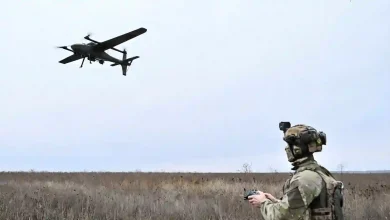
In addition to ballistic missile modifications, the widespread use of one-way attack drones has redefined modern littoral combat. These relatively low-cost, mass-produced systems are deployed in swarms to overwhelm defensive radars. This asymmetric approach has forced the U.S. and its partners to expend expensive, highly advanced air-defense interceptors to counter cheap, readily available aerial threats, creating an economically unfavorable exchange ratio for the coalition forces. The persistent threat of these drone operations remains a central justification for the ongoing U.S. aerial bombardment.
Human and Economic Toll of the Conflict
The human cost of this multi-theater war is staggering. U.S.-Israeli airstrikes on targets within Iran, combined with intensive Israeli military operations in Lebanon, have resulted in thousands of deaths and displaced millions of civilians across the Levant and the Persian Gulf region. Entire communities have been forced to flee active combat zones, creating a humanitarian crisis that has overwhelmed local aid organizations and strained regional resources. Medical infrastructure in Lebanon and southern Iran has neared total collapse, struggling to cope with the influx of casualties amid severe shortages of essential pharmaceuticals and surgical equipment.
Simultaneously, the geopolitical shockwaves have hit the global economy. Over the past weekend, tensions reached a critical threshold when a fatal strike on US forces claimed the lives of several American service members, raising the total number of U.S. troop deaths to 17. This sudden spike in casualties has heightened political pressure in Washington, driving demands for a more aggressive posture and further shaking investor confidence in international energy markets. Global stock indices have experienced sharp downturns, and supply chains have been forced to re-route around the entire African continent to avoid the volatile maritime corridors of the Middle East.
Political Repercussions and the Threat of Infrastructure Targeting
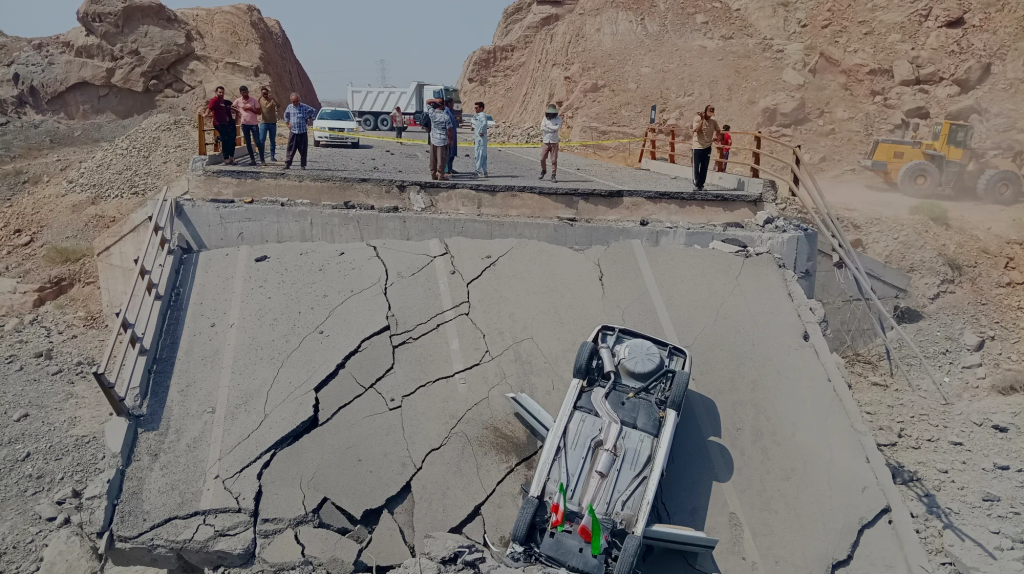
The domestic political fallout in the United States has been swift and severe. Following the tragic weekend casualties, Donald Trump vowed immediate and severe revenge against Tehran, framing the current administration’s approach as insufficient. Trump’s rhetoric has signaled a major potential shift in how the war is conducted. He has openly threatened to expand the targeting parameters beyond purely military sites to encompass Iran’s civilian and industrial core, explicitly mentioning energy plants and transportation bridges.
Such threats have sparked intense debate among international law experts and defense analysts. Striking critical infrastructure essential for the survival of civilian populations is heavily restricted under the 1949 Geneva Conventions. Critics warn that executing such strikes could constitute war crimes and permanently alienate key international allies. Conversely, proponents argue that disabling Iran’s refining capacity and logistical infrastructure is the only viable method to dry up the financial resources funding Tehran’s regional proxy network.
The strategic debate inside Washington centers on the balance between deterrence and escalation management. Some policy advisors suggest that targeting Iran’s oil export terminals, such as Kharg Island, would deal a decisive economic blow to the regime, forcing them to the negotiating table. However, opponents of this strategy point out that such actions would almost certainly trigger a retaliatory response from Tehran, potentially targeting energy infrastructure in neighboring Gulf states, which would throw the global economy into deep turmoil. The debate remains unresolved as military planners prepare targeting packages for potential future phases of the campaign.
Future Scenarios: Escalation or Containment
As the conflict enters its second week of consecutive nightly strikes, the international community faces several diverging pathways. If diplomatic channels remain closed, the risk of a full-scale regional war remains dangerously high. This could involve direct ground incursions, the formal entry of neighboring states into the hostilities, or a prolonged global energy crisis that pushes major economies into recession. Cyber warfare is also expected to play a major role, as both state and non-state actors deploy malware to disrupt critical infrastructure far beyond the immediate geographic boundaries of the Middle East.
Alternatively, if the U.S. campaign successfully degrades Iran’s offensive capabilities to a degree where it can no longer threaten shipping in the Strait of Hormuz, a fragile equilibrium may be restored. However, any lasting stability will require addressing the underlying political disputes that triggered the outbreak of hostilities on February 28. Until a comprehensive security framework is established, the waters of the Persian Gulf will remain a volatile flashpoint for global conflict, with the potential to reignite at any moment.