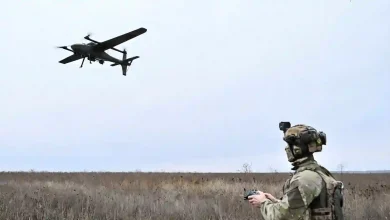
Strait of Hormuz 2026: Tanker Attacked as US Airstrikes Enter 10th Night
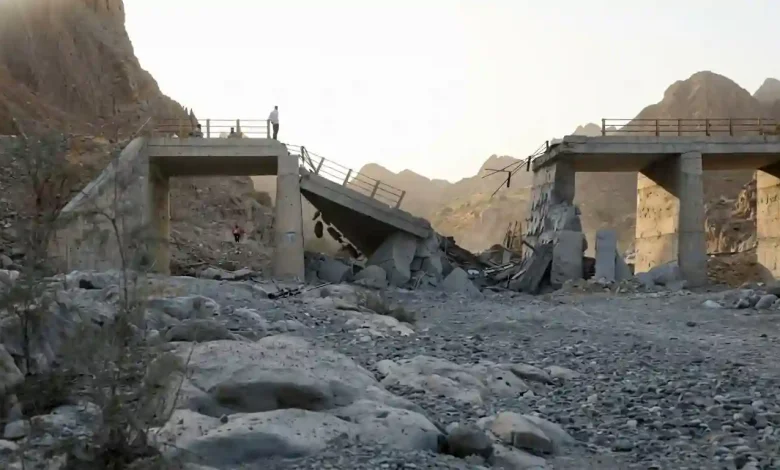
Table of Contents
Strait of Hormuz has descended into a critical zone of open hostilities as a commercial tanker was targeted early Tuesday, forcing its crew to abandon the ship even as the United States conducted yet another round of airstrikes targeting the Islamic Republic over control of the key waterway. The 10 consecutive nights of U.S. airstrikes have not compelled Tehran to loosen its grip on the strait, through which about a fifth of all crude oil and natural gas traded once passed in peacetime. Even as the U.S. and Iran inch closer to all-out war again, Iran’s interior minister traveled to Pakistan, a key mediator in the conflict, for talks. However, it remains unclear just what new deal could be reached to end the fighting. The interim deal signed last month that was meant to end the fighting has crumbled. Shipping through the Strait of Hormuz has largely stalled. And as fighting intensifies, both sides have targeted civilian infrastructure relied on by millions of people. With peace talks in shambles, the specter of the 2026 Iran war looms larger than ever, threatening to pull global powers and regional states into a highly destructive, protracted military campaign.
The Dawn Tanker Attack in the Strait of Hormuz
The crisis reached a tipping point early Tuesday morning when armed forces affiliated with Iran’s Islamic Revolutionary Guard Corps (IRGC) executed a daring maritime raid on a commercial vessel traveling through the narrow waterway. This targeted assault forced the crew to abandon the vessel under distress, signaling that Tehran is willing to assume massive tactical risks to maintain its defensive posture. The name and registration details of the tanker are being closely monitored, but the immediate tactical result is clear: shipping lines are now entirely paralyzed, and the risk premium for operating in the Persian Gulf has reached unprecedented levels. Industry experts warn that the complete avoidance of this route by major maritime conglomerates will create immediate bottlenecks across international supply chains, triggering prolonged delays in European and Asian manufacturing hubs.
Crew Forced to Abandon Ship
During the assault, maritime emergency signals captured distress calls from the ship’s captain, indicating a direct threat to the lives of the crew members. Unlike previous encounters where vessels were merely boarded or redirected, this attack forced an immediate evacuation. The abandonment of a fully loaded crude vessel poses not only a severe risk of ecological disaster but also highlights that civilian shipping has been actively weaponized in this unfolding battle for regional dominance. The crew’s dramatic escape via liferafts, eventually rescued by nearby vessels under the coordination of regional maritime authorities, underscores the complete collapse of normal security protocols. It is now feared that uncrewed, drifting tankers in the busy shipping lanes could collide with other vessels or run aground, causing an irreversible environmental and economic catastrophe.
Ten Consecutive Nights of U.S. Airstrikes
Washington’s response to the persistent Iranian blockade has been swift, heavy, and unyielding. The latest wave of aerial assaults marked the tenth consecutive night of U.S. airstrikes against strategic military assets inside Iran. These operations, coordinated by U.S. Central Command, have targeted command-and-control nodes, coastal defense systems, ballistic missile launch pads, and drone storage depots. The air campaign was heavily intensified following a brief diplomatic pause, reverting to the levels of intensity observed when airstrikes entering their eighth night shook the coastal defense batteries along the Bandar Abbas corridor. The Pentagon has emphasized that these actions are strictly designed to restore freedom of navigation and protect international commerce under maritime law.
Unrelenting Military Campaign to Reopen the Passage
Despite the overwhelming firepower deployed by U.S. and allied coalition air forces, Tehran has shown no signs of capitulation. Military analysts note that the ninth consecutive night of bombardment expanded the targeting list to include cities hosting critical infrastructure, yet Iranian forces continue to launch retaliatory strikes. The U.S. military has deployed advanced fifth-generation fighters and heavy bombers to neutralize mobile missile launchers, but the sheer geographic complexity of Iran’s coastline makes total neutralization an elusive goal. The persistent resilience of Iranian coastal defenses suggests a highly decentralized command structure designed specifically to withstand sustained aerial bombardment. This decentralized command network allows local commanders to execute missile strikes independently, severely limiting the long-term efficacy of Washington’s air campaign.
The Collapse of the Islamabad Memorandum of Understanding
This devastating return to violence has effectively shredded the diplomatic gains achieved in late June. At that time, both nations had signed the Islamabad Memorandum of Understanding, which was widely celebrated as a crucial interim peace framework. The deal was intended to establish a structured ceasefire, facilitate the partial lifting of financial sanctions on Iran, and guarantee safe, unhindered commercial transit through the Strait of Hormuz. However, the agreement began to unravel almost immediately as both sides accused the other of bad-faith maneuvers, culminating in the complete resumption of active combat.
Why the June Interim Peace Deal Failed
The core vulnerabilities of the Islamabad MoU lay in its lack of enforceable verification mechanisms and the deep-seated mutual distrust between Washington and Tehran. Following localized skirmishes, the U.S. accused Iranian-backed groups of continuing covert asymmetric attacks on maritime traffic. In retaliation, Washington implemented severe economic measures, which Tehran interpreted as a direct breach of the agreed-upon terms. As a result, Iran declared that it would no longer abide by the restrictions, initiating a renewed campaign of regional disruptions and declaring that the United States had unilaterally violated the treaty’s foundational pillars. The swift decay of this diplomatic channel has left foreign policy experts deeply skeptical of any future negotiations without ironclad multilateral guarantees.
Diplomatic Efforts: Pakistan and Qatar Step in as Mediators
As the threat of a wider global war intensifies, regional intermediaries have launched a desperate diplomatic rescue operation. The governments of Pakistan and Qatar have re-engaged in intense shuttle diplomacy to bring both parties back to the negotiating table before the conflict spirals beyond control. These neutral actors have historically acted as vital communication bridges, conveying sensitive proposals between the U.S. State Department and the Iranian Supreme National Security Council, even as military exchanges continue on the ground.
Eskandar Momeni’s High-Stakes Visit to Islamabad
In a highly anticipated diplomatic move, Iranian Interior Minister Eskandar Momeni arrived in Islamabad for emergency consultations with Pakistan’s top leadership. Accompanied by a high-level delegation, Momeni met with Pakistani Prime Minister Shehbaz Sharif and Chief of Army Staff Field Marshal Syed Asim Munir. The discussion centered on a joint de-escalation proposal crafted by Islamabad and Doha. Although the details of this new proposal remain highly confidential, sources indicate it suggests a temporary 10-day mutual freeze on hostilities—including a pause in U.S. airstrikes and a relaxation of the maritime blockade—to allow for structured talks. However, given the deep resentment on both sides, the path forward remains highly uncertain. The U.S. Department of State has released updated security advisories, warning of potential retaliatory actions against Western interests worldwide as long as the regional impasse persists.
Economic Shockwaves: Oil and Domestic Gas Prices Surge
The total halt in commercial shipping through the Strait of Hormuz has triggered severe convulsions across global energy markets. In peacetime, approximately 20 percent of the world’s liquefied natural gas and crude oil supply passes through this narrow passage. With the waterway currently blocked, Brent crude prices have surged toward $90 per barrel, with financial analysts warning that a protracted conflict could easily push oil past the $120 mark. In the United States, retail regular gasoline prices have crossed the $4 per gallon threshold, creating significant economic pressure for consumers and emerging as a critical political vulnerability ahead of the upcoming midterm elections this autumn. Energy security experts emphasize that alternative maritime routes, such as routing tankers around the Cape of Good Hope, add weeks of transit time and millions of dollars in operational costs, further inflating the price of commodities globally.
The Human and Strategic Toll of All-Out War
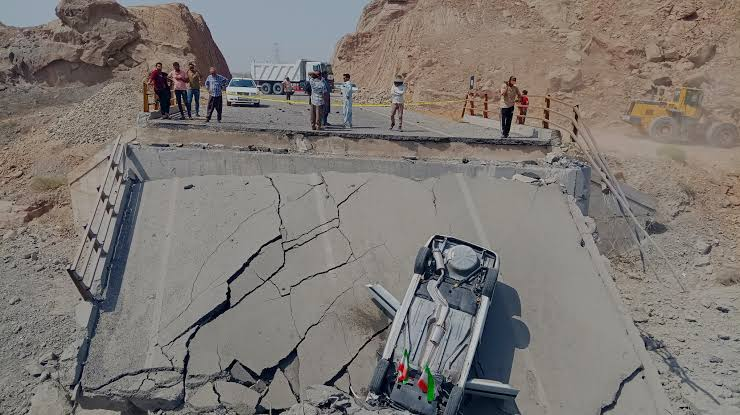
The military escalation has also extracted a painful human toll, as well as a severe degradation of civilian infrastructure on both sides. The conflict intensified significantly after two US soldiers were killed in Jordan, followed by additional military casualties in Iraq during a drone disposal operation. President Donald Trump has issued stern warnings, declaring that any loss of American lives would result in devastating retaliatory consequences. Meanwhile, Iran has adapted its military strategies, deploying sophisticated ballistic missiles designed to evade modern defense systems to strike regional targets in Bahrain, Jordan, and Syria. The civilian populations in these regions are increasingly bearing the brunt of the fallout, as both nations have begun targeting critical communications, logistics, and power grids.
With Washington having reimposed port bans and naval blockades on Iranian maritime commerce, the economic warfare has reached an absolute state of siege. The continuous bombardment of Iranian coastal areas and the systematic targeting of oil infrastructure have paralyzed Tehran’s domestic economy, but they have also hardened the resolve of the clerical establishment to resist external pressure at all costs. This dynamic has resulted in a war of attrition where neither side appears capable of securing a decisive victory, while civilian populations are left to suffer the compounding consequences of inflation, fuel shortages, and infrastructural destruction.
Comparative Overview of the 2026 Conflict
The current state of affairs represents a dramatic shift from the pre-war baseline. The following table highlights the critical differences between the pre-conflict status quo and the highly volatile realities of July 2026.
| Analysis Parameter | Peacetime Status (Pre-Feb 2026) | Current Wartime Reality (July 2026) |
|---|---|---|
| Strait of Hormuz Status | Open and secure for global energy transit. | Largely stalled; commercial shipping halted due to active combat. |
| Global Energy Flow | ~20% of global oil & LNG passes daily. | Severely disrupted; alternate routes congested, driving prices up. |
| Brent Crude Price | Stable around $70 – $75 per barrel. | Surging toward $90+ per barrel with continuous upward pressure. |
| U.S. Military Footprint | Deterrence and routine maritime patrols. | 10 consecutive nights of intensive airstrikes targeting Iranian soil. |
| Diplomatic Status | Routine bilateral contacts and treaties. | Islamabad MoU collapsed; Pakistan/Qatar attempting desperate mediation. |
As the conflict moves forward, the international community remains deeply divided on the path to resolution. Some military strategists advocate for an even more aggressive enforcement of the blockade to force a total Iranian surrender, while diplomatic experts warn that a continued lack of dialogue will inevitably result in a catastrophic regional war. With the crew of the targeted tanker now safe but the ship abandoned, the physical wreckage of the vessel in the Strait of Hormuz stands as a stark monument to a failed peace process and a highly volatile global future. Ultimately, a lasting resolution will require addressing the systemic issues of regional security, sovereign maritime rights, and economic sanctions, none of which appear likely to be resolved in the immediate future.