2026 Iran War: How Regional Conflict Redefined Middle East Security
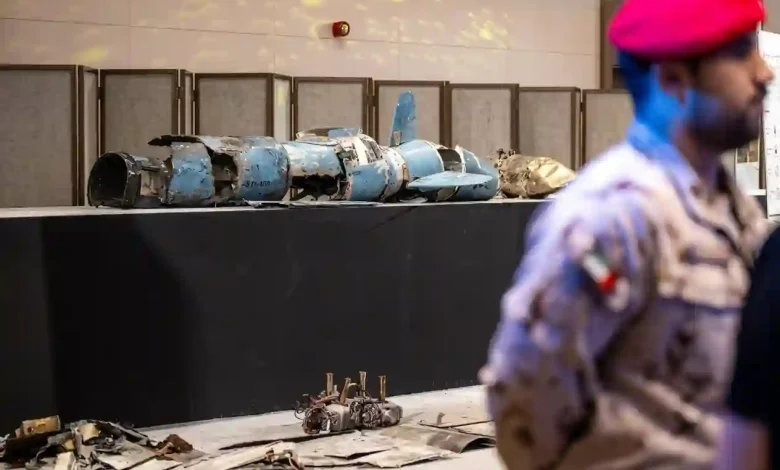
Table of Contents
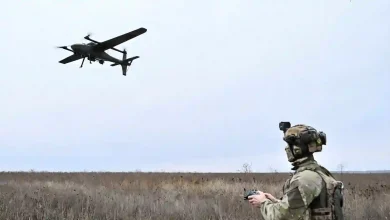
2026 Iran war developments initiated a dramatic transformation of the Middle East security architecture on February 28, 2026, when a highly coordinated military offensive launched by the United States and Israel upended the region’s geopolitical balance. This conflict, centered directly on the Islamic Republic of Iran, represents one of the most volatile and destructive maritime and territorial engagements in modern history. The opening salvo of this devastating campaign targeted the core of the Iranian clerical establishment, resulting in the sudden death of Supreme Leader Ali Khamenei. By decapitating the regime’s ultimate authority, the joint coalition sought to quickly dismantle Iran’s command and control apparatus. Instead, this strike acted as a catalyst for a massive, multi-front military escalation that rapidly drew in regional proxy networks, disrupted critical international shipping lanes, and impacted the global economic supply chain. The immediate response from Iranian military forces was swift and overwhelming, triggering a torrent of hundreds of advanced ballistic missiles and thousands of loitering munitions (drones) across the Middle East.
As diplomatic observers began dissecting the 2026 Iran war coalition dynamics, it became increasingly apparent that the conflict would not remain localized. Rather than forcing a swift Iranian capitulation, the preemptive decapitation strike unleashed decades of stored hostility, activating regional proxy forces and turning several neighboring nations into active battlegrounds. What began as a targeted campaign to neutralize the clerical regime soon evolved into a broader test of military endurance, with profound consequences for international trade, energy security, and regional stability.
The Spark: February 28 Opening Salvos
On the morning of February 28, 2026, the United States and Israel launched a series of high-precision standoff airstrikes penetrating deep into the airspace of the Islamic Republic of Iran. Utilizing state-of-the-art stealth bombers and naval-launched cruise missiles, the coalition managed to bypass Tehran’s advanced air defense systems. The primary objective of the opening salvo was the elimination of Iran’s supreme religious and military leadership. The strike on the supreme leader’s compound in Tehran resulted in the death of Ayatollah Ali Khamenei, throwing the regime’s decision-making apparatus into temporary chaos. Within hours, emergency meetings of the Supreme National Security Council were convened under high secrecy, as remaining commanders of the Islamic Revolutionary Guard Corps (IRGC) sought to secure communication lines and prevent internal dissent.
While Western intelligence sources initially theorized that the death of the Supreme Leader would fragment the Iranian state and limit its retaliatory capabilities, the action had the opposite effect. It unified the regular military, the IRGC, and nationalist factions under a centralized defensive banner. Lacking a clear civilian successor in the immediate term, the military council took control of national policy, choosing aggressive retaliation over concessions. Within twelve hours of the initial strikes, the directive was given to deploy Iran’s massive pre-positioned arsenal of long-range missiles and unmanned aerial vehicles.
Retaliation: Missiles and Drones Across the Region
The scale of Iran’s retaliation was unprecedented, designed to overwhelm regional air defense networks through sheer volume. Hundreds of medium-range ballistic missiles, cruise missiles, and thousands of one-way attack drones were launched from underground silos and mobile launch pads located throughout Iran’s western and southern provinces. The primary targets of these bombardments included coalition military facilities, major cities in Israel, and critical economic infrastructure in neighboring Gulf Arab states. The high-volume strikes severely tested the interception capabilities of Israel’s Arrow and Iron Dome networks, as well as American Patriot and THAAD missile defense batteries deployed throughout the Persian Gulf.
In response to the massive aerial bombardment, the United States and its partners initiated an immediate escalation of regional airstrikes aimed at destroying Iran’s coastal launch sites and drone storage depots. Despite the intensity of these coalition operations, the IRGC utilized its fortified underground missile bases—often referred to as “missile cities”—to sustain a continuous launch rate. The exchange of heavy fire resulted in significant damage to regional communications and energy installations, directly drawing neighboring states into the direct line of fire and raising fears of a total regional collapse.
Humanitarian Toll and Regional Displacement
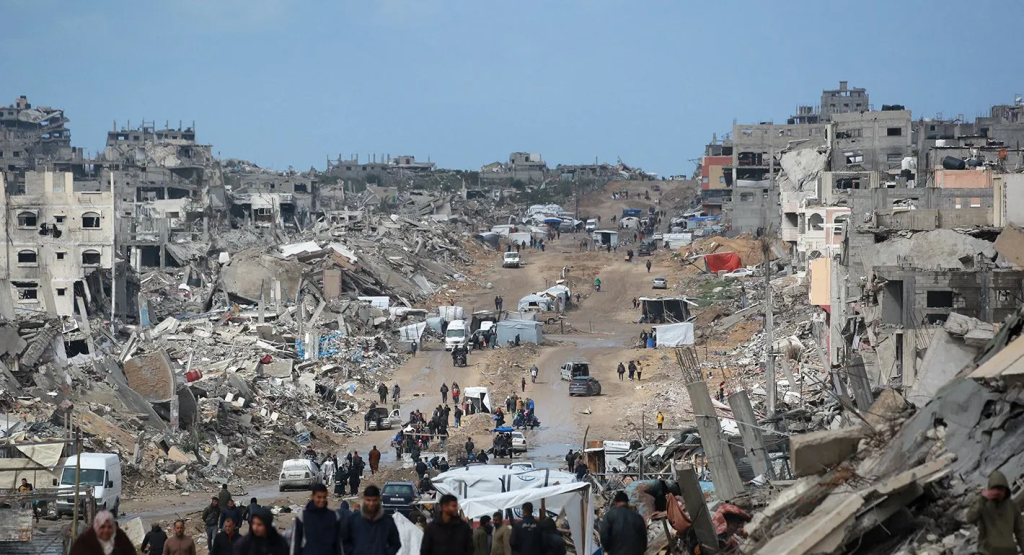
The humanitarian consequences of the war were immediate and catastrophic, leaving thousands of civilians dead and millions displaced. In Iran, while coalition strikes targeted military commands and port facilities, heavy urban bombardment caused widespread collateral damage, disrupting electricity, water, and healthcare services. At the same time, the conflict catalyzed the resumption of the dormant Israel-Hezbollah war along the Blue Line. This secondary theater turned southern and central Lebanon into a high-intensity combat zone, exposing civilian populations to severe danger.
The intense fighting in Lebanon triggered a massive humanitarian crisis, forcing more than one-sixth of the country’s population to flee their homes in search of safety. Neighboring states, including Syria and Jordan, struggled to manage the sudden influx of refugees, which further strained the region’s already fragile social and economic infrastructure. Inside Israel, continuous rocket barrages from southern Lebanon and long-range drone strikes from Yemen forced hundreds of thousands of residents into bomb shelters, halting economic productivity and displacing entire communities along the northern and southern borders.
The Strait of Hormuz Crisis and Global Shocks
A central battleground of the conflict was the critical maritime corridor of the Persian Gulf. Recognizing its conventional military limitations, the Iranian navy and IRGC forces sought to exploit their geographic leverage over the Strait of Hormuz. As the world’s most critical energy chokepoint, through which approximately 20 percent of global petroleum liquids and a significant portion of liquefied natural gas (LNG) pass daily, any disruption to this passage represents a severe threat to the global economy.
The threat of naval mines, anti-ship missiles, and direct boarding actions by Iranian forces caused commercial shipping operators to suspend transits through the strait. This shutdown immediately resulted in severe fuel shortages across major Asian economies, particularly in Japan, South Korea, and parts of India, which rely heavily on Middle Eastern crude. As global energy prices surged, international financial institutions warned that global economic depression risks were rising rapidly. To counter the threat, the United States attempted to enforce a secure transit corridor, but the narrow geography of the strait made commercial vessels highly vulnerable to land-based anti-ship assets.
In a bid to restore maritime security, the coalition launched a series of high-intensity campaigns, including a selective naval blockade in the Persian Gulf. This action was accompanied by precision strikes targeting major ports, naval bases, and coastal radar installations along the Iranian shoreline. However, these operations only hardened Iran’s resolve, leading to a protracted naval stalemate that severely choked international trade.
The Short-Lived Ceasefire and Brinkmanship
Following more than five weeks of highly destructive fighting, intense international diplomatic mediation succeeded in brokering a temporary halt to the active hostilities. On April 7–8, 2026, negotiators from the United States, Iran, and regional intermediaries agreed to a comprehensive ceasefire that included Israel. The primary goal of this agreement was to halt active aerial bombardments and establish humanitarian corridors to deliver aid to displaced populations. However, the fundamental security disputes between the warring parties remained unresolved, and the truce quickly deteriorated into an intense game of diplomatic brinkmanship.
The focal point of this tense period centered on the Strait of Hormuz transit restrictions. While the United States and its partners demanded the immediate, unconditional restoration of freedom of navigation under international maritime law, Iran insisted on its right to inspect all commercial traffic passing through its territorial waters. This dispute resulted in frequent, highly volatile encounters between naval vessels, with both sides conducting aggressive maneuvers that threatened to reignite the broader war at any moment.
The July Escalation and Maritime Clashes
The fragile stability shattered completely in July 2026 when the ceasefire collapse and subsequent warnings materialized into active, renewed combat. The immediate cause of the flare-up was Iran’s physical interception and strike on three commercial vessels that bypassed the preapproved routes established under the June 14 memorandum of understanding. This memorandum, mediated by international partners, had been intended to bring the conflict to a formal end within 60 days, but the unilateral Iranian strikes destroyed any remaining diplomatic path.
Following the vessel attacks, the United States resumed active military actions in the Strait of Hormuz. Coalition naval assets and air forces launched a series of retaliatory strikes against IRGC launch sites, radar facilities, and coastal military infrastructure. With both sides reinforcing their forward deployments, the conflict has returned to an active, highly unpredictable state of war, further dimming the prospects for a near-term diplomatic resolution.
Key Milestone Timeline of the 2026 Conflict
The progression of the 2026 Iran war has been marked by rapid escalations, brief diplomatic interludes, and a sudden relapse into active maritime warfare. The table below outlines the primary phases and impacts of this regional crisis:
| Date / Phase | Key Strategic Actions | Primary Geopolitical & Economic Impact |
|---|---|---|
| February 28, 2026 | Joint US-Israel coalition launches precision decapitation strike; Supreme Leader Ali Khamenei is killed. | Immediate political crisis in Tehran; rapid mobilization of the military and proxy forces. |
| March 2026 | Iran launches massive missile/drone barrage; Israel-Hezbollah war resumes; Strait of Hormuz is closed. | Enormous humanitarian displacement in Lebanon and Israel; global energy prices spike; severe Asian fuel shortages. |
| April 7–8, 2026 | Diplomatic intervention secures a comprehensive ceasefire involving the US, Iran, and Israel. | Temporary halt to active aerial bombardments; transition to high-stakes naval brinkmanship in the Gulf. |
| June 14, 2026 | Mediators announce a memorandum of understanding (MOU) to formally end the conflict within 60 days. | Short-lived hope for stability; disputes emerge over maritime route management and regional sanctions relief. |
| July 2026 | Iran strikes three commercial vessels; coalition launches retaliatory strikes against Iranian ports. | Complete collapse of the ceasefire; resumption of active maritime warfare; shipping lines suspended again. |
Strategic Implications and Geopolitical Realignment
The long-term strategic consequences of the 2026 Iran war have permanently altered the security architecture of the Middle East. The traditional paradigm of deterrence, which historically relied on proxy forces to conduct deniable operations, has shifted to direct, overt military confrontations between state actors. The elimination of Iran’s supreme leadership has forced the country’s military command into a highly reactive, aggressive defensive posture, leaving little room for traditional diplomatic engagement.
Furthermore, the crisis has highlighted the vulnerability of the global economic infrastructure to local maritime disruptions. The closure of the Strait of Hormuz proved that localized conflicts in the Middle East quickly manifest as international energy crises, affecting inflation and supply chains thousands of miles away. As the conflict continues through July 2026, the international community faces the difficult task of establishing a sustainable security framework to prevent a broader global escalation.