U.S. airstrikes against Iran Enter Seventh Night of Intensive Attacks 2026
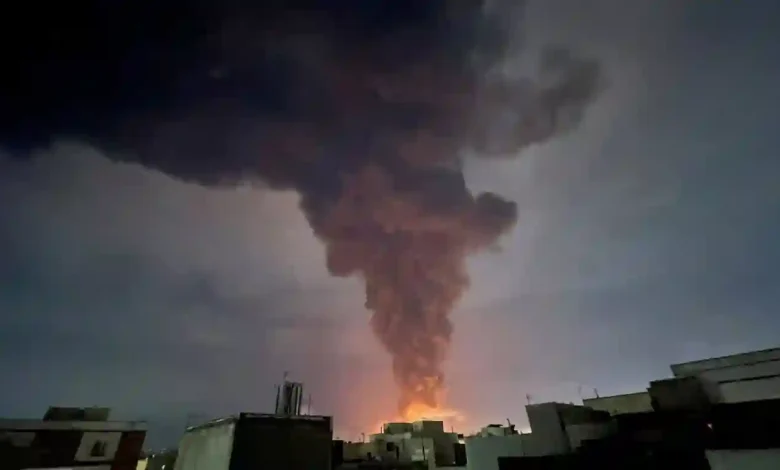
Table of Contents
U.S. airstrikes against Iran have entered their seventh consecutive night of intensive combat operations, severely escalating the geopolitical crisis gripping the Persian Gulf and the wider Middle East. Early Saturday, the U.S. Central Command (CENTCOM) confirmed a fresh barrage of targeted attacks designed to degrade the military capabilities of the Islamic Revolutionary Guard Corps (IRGC) and allied militias. This unrelenting offensive comes in the wake of the total collapse of a fragile, Pakistan-mediated memorandum of understanding that had briefly paused hostilities. Instead of a lasting peace, the region has been plunged back into an open conflict characterized by rapid escalation, retaliatory drone salvos, and intercepted ballistic missiles.
As the current theater of operations widens, the latest barrage follows a relentless sixth consecutive night of US attacks that previously dismantled key coastal defense networks and communications hubs. The dynamic has shifted from localized skirmishes to a multi-theater confrontation, threatening to draw regional states directly into the crossfire. Allied nations across the Gulf are rapidly activating their state-of-the-art air defense systems, while the human and economic tolls continue to rise sharply on both sides of the Strait.
Strategic Targets of CENTCOMs Seventh Wave
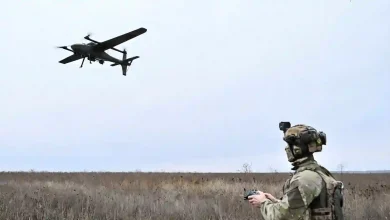
The tactical parameters of Saturday’s pre-dawn raids underscore the comprehensive nature of the military campaign orchestrated by Washington. According to official military dispatches, the seventh wave of strikes focused on dismantling key operational pillars. U.S. forces, utilizing a lethal combination of carrier-based fighter aircraft, long-range aerial drones, and guided-missile warships, struck critical installations across southern Iran. The designated targets included sophisticated coastal surveillance sites, military logistics infrastructure, underground weapons storage facilities, and asymmetric maritime capabilities.
Intelligence briefers highlighted that one of the primary targets destroyed was a critical surveillance tower located at the Chah Bahar Shahid Kalantari Port. This facility had been actively utilized by the IRGC to monitor, track, and coordinate interdictions against international commercial shipping transiting the Gulf of Oman and the Strait of Hormuz. By neutralizing this station, coalition planners expect a significant degradation in Iran’s real-time maritime tracking capability. Additionally, precision strikes severely damaged an airfield further inland near Iranshahr, which served as a crucial hub for transporting drone components and missile systems.
To sever land transit routes, U.S. aircrews also struck several critical bridges in the southern port town of Bandar Khamir, including a vital railway junction. These operations have profoundly hampered the IRGC’s logistical flexibility, cutting off key supply lines that connect central weapons depots to coastal launch areas. However, as the conflict intensifies, Tehran reports multiple deaths among both military personnel and civilians, raising severe concerns about the growing human toll of these structural disruptions.
Regional Spillover: Retaliation and Interceptions Across the Gulf
The strategic retaliation by Iranian forces has converted the entire Persian Gulf region into an active combat zone, demonstrating that the escalating conflict today is no longer confined to Iranian soil. Within hours of the American strikes, multiple nations in the region reported incoming threats and scrambled their defensive networks to prevent catastrophic infrastructure damage.
Kuwait Defends Essential Civilian Infrastructure
Kuwait emerged as a primary focus of the retaliatory strikes, with state authorities confirming that they actively intercepted several Iranian missiles and attack drones. Despite these defensive efforts, at least one strike bypassed defenses, hitting a vital power generation and water desalination plant. The impact sparked a massive fire, marking the second direct strike on Kuwait’s utility grid in forty-eight hours. Given that Kuwait depends on desalination for approximately 90 percent of its domestic drinking water, these attacks target the country’s basic survival infrastructure. The Kuwait Fire Force reported that several firefighters and plant workers sustained injuries while battling the resulting blazes. In response, Kuwaiti aviation officials temporarily closed national airspace, leading Kuwait Airways to reschedule and delay dozens of international flights.
Iqi Air Defenses Down Drones Over Irbil
Further to the north, the skies over the semi-autonomous Kurdistan Region of Iraq became a flashpoint. Iraqi military command confirmed that air defense arrays positioned around Irbil successfully tracked and shot down several low-flying attack drones. These unmanned aerial vehicles (UAVs) were reportedly vectoring toward critical military installations that house coalition forces and Western diplomatic staff. The successful interceptions prevented localized casualties but highlighted the persistent threat posed by regional proxy networks.
Jordan and Bahrain on Alert Amid Missiles and Sirens
Simultaneously, Jordan’s state-run Petra news agency announced that the kingdom’s air defense systems had intercepted and downed multiple Iranian ballistic missiles crossing its sovereign airspace. Jordanian authorities reiterated their stance that the kingdom’s territory and airspace will not be permitted to become a battleground for foreign powers. Further south, in the island nation of Bahrain—which hosts the headquarters of the U.S. Navy’s Fifth Fleet—air raid sirens sounded repeatedly throughout early Saturday. While no direct impacts were reported, the widespread sirens sparked panic among civilian populations, underscoring the deep insecurity felt across the Gulf cooperative states.
Human Cost: Civil Casualties and Injured Service Members
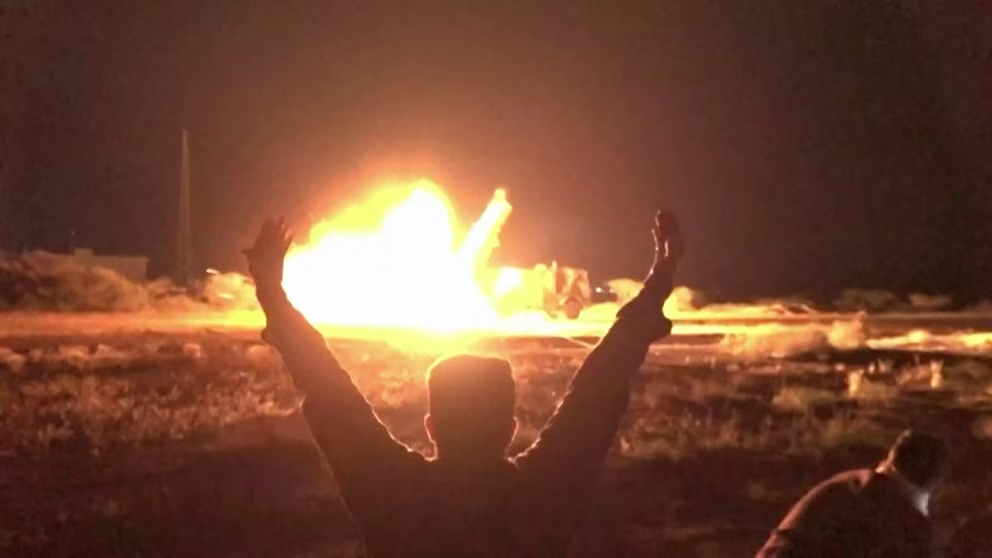
The intensifying campaign has exacted a grim human toll, with casualties mounting on both sides of the Gulf. Iranian state media reports that the relentless seven-day air campaign has resulted in dozens of deaths and hundreds of severe injuries across southern provinces. The destruction of transport infrastructure, particularly the bridges in Bandar Khamir, reportedly killed at least seven people and wounded numerous commuters who were caught in the immediate blast zones. Iranian medical officials have warned that local hospitals are struggling to cope with the influx of shrapnel and burn victims due to supply shortages exacerbated by years of economic isolation.
Concurrently, the U.S. military has formally acknowledged that its own forces are not escaping unharmed. While CENTCOM officials refuted Iranian claims of American troop fatalities in eastern Syria, the Pentagon confirmed on Friday that additional U.S. service members had sustained injuries, including traumatic brain injuries (TBIs), from retaliatory rocket and drone strikes targeting forward operating bases. This represents a significant escalation from earlier, more contained strikes targeting key ports, raising domestic political stakes for the White House as the prospect of sustained military casualties looms.
Comparative Breakdown of Middle Eastern Conflict Vectors
To understand the multi-layered geographical dynamics of this conflict, it is necessary to examine how individual nations have been impacted by this latest round of hostilities. Below is a comprehensive breakdown of the major incidents, defensive responses, and prevailing threat levels across the region.
| Country / Entity | Incident & Infrastructure Impact | Primary Defensive/Offensive Action | Local Threat Assessment |
|---|---|---|---|
| United States | Executed seventh night of precision strikes; reported additional service member injuries. | Deployed carrier strike groups and drones; enforced strict maritime blockade. | Critical (High risk of ongoing retaliatory strikes) |
| Iran | Severe damage to logistics hubs, bridges, Iranshahr airport, and port towers. | Launched retaliatory ballistic missiles and coordinated drone swarms. | Severe (Sustained bombardment of key assets) |
| Kuwait | Desalination and power plants struck; airspace temporarily closed. | Activated Patriot missile batteries; rescheduled commercial flights. | High (Direct targeting of vital resources) |
| Iraq | Attack drones penetrated northern airspace over Irbil. | Downed multiple incoming drones using localized defensive arrays. | High (Proxy groups active near coalition bases) |
| Jordan | Retaliatory missiles traversed western airspace. | Interception and destruction of ballistic missiles mid-flight. | Elevated (Sovereignty threatened by regional crossfire) |
| Bahrain | Air raid sirens activated multiple times near U.S. naval bases. | Mobilized early-warning radar arrays and placed civil defense on high alert. | High (Proximity to the strategic U.S. Fifth Fleet) |
Economic and Energy Consequences of the Hormuz Blockade
The geopolitical shockwaves of this confrontation are vibrating globally, primarily centered around the critical Strait of Hormuz crisis. As one of the world’s most vital maritime choke points, the strait handles nearly 20 percent of global petroleum consumption. Following the collapse of the interim ceasefire, the U.S. military took the dramatic step of enforcing a comprehensive blockade on Iranian maritime lanes to choke off Tehran’s economic resources.
CENTCOM reported that during the first days of enforcing this blockade, allied naval forces successfully redirected four commercial vessels attempting to run the blockade, disabled one non-compliant ship, and boarded another to verify compliance. In retaliation, the IRGC has attempted to enforce its own restrictions, threatening to shut down the strait to any vessels aligned with the United States or Israel. This direct confrontation sent global oil markets into a tailspin. Crude oil prices climbed over 4 percent in a single trading session, pushing Brent crude past $86 per barrel—the highest level recorded in over a month. This economic spike has applied immense pressure on Western policymakers, particularly in Washington, where rising energy costs threaten domestic economic stability.
By reimposing severe naval restrictions, the coalition hopes to force Tehran to capitulate. However, market analysts warn that a prolonged blockade could trigger a catastrophic energy crunch. If insurance premiums for commercial tankers continue to soar, or if shipping lanes remain actively contested, the global economy could face a severe inflationary shock, threatening supply chains from Europe to East Asia.
The Failure of Diplomacy and What Lies Ahead
The current state of open warfare represents a tragic failure of international diplomacy. For months, regional mediators had worked to preserve a delicate, Pakistan-mediated memorandum of understanding. However, the truce collapsed earlier this year amid mutual recriminations. White House and CENTCOM officials argued that the resumption of strikes was a necessary response to repeated Iranian violations, specifically accusing the IRGC of continuing to target commercial tankers even while the ceasefire was officially active.
Looking to the immediate future, there are few indications that either side is prepared to offer concessions. Military intelligence reports indicate that the U.S. administration is currently in the process of transferring dozens of additional aerial refueling aircraft to Israel. This massive logistical deployment suggests that coalition planners are preparing for a potential expansion of the bombing campaign. Observers fear that President Donald Trump may authorize strikes targeting Iran’s highly sensitive nuclear research facilities and deep-inland energy infrastructure in the coming days. With diplomacy entirely sidelined, the Middle East stands on the precipice of an uncontained, multi-state war, threatening global stability and rewriting the security architecture of the modern world.